(7% discount is applied at checkout)
Cart is empty
Your go-to destination for cutting-edge server products
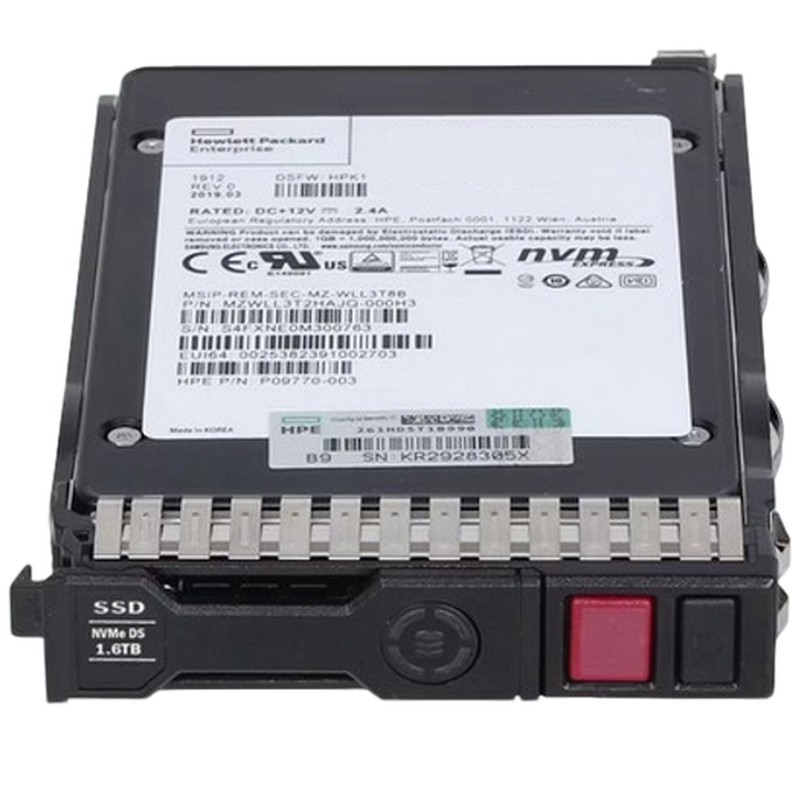


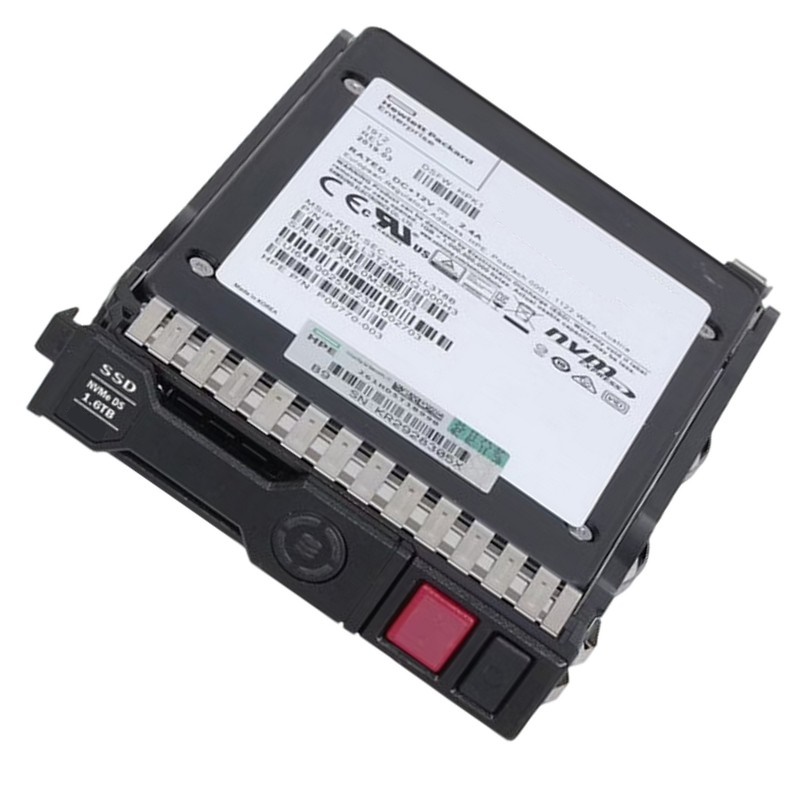
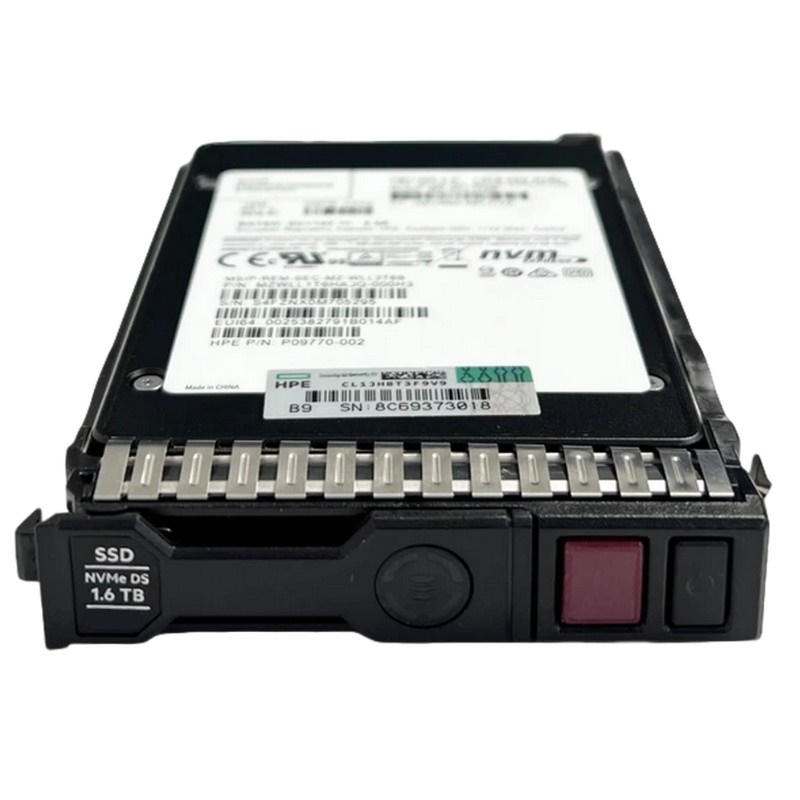
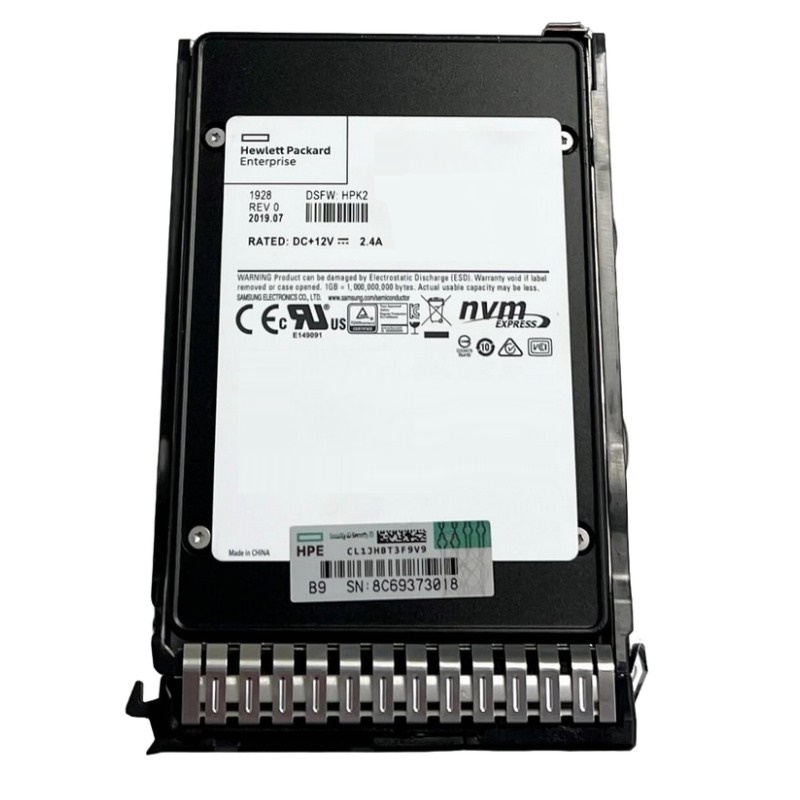
HPE 875599-011 1.6TB Mixed Use SFF SCN Digitally Signed NVMe X4 Solid State Drive. New (System) Pull with 1-Year Replacement Warranty
Experience exceptional data throughput and reliability with the HPE 875599-011 1.6TB NVMe SSD, engineered for mixed-use environments and digitally authenticated for secure deployment.
This SSD leverages cutting-edge NVMe architecture to deliver superior performance compared to traditional SATA-based drives. Its four-lane PCIe connectivity ensures rapid data transfers and efficient multitasking.
With its SFF (Small Form Factor) build, the drive fits seamlessly into modern server infrastructures, offering high-density storage without compromising speed or reliability.
Perfect for data centers, virtualization platforms, and high-demand computing environments, this SSD supports a wide range of operational scenarios with dependable performance and secure data handling.
The HPE 875599-011 1.6TB Mixed Use SFF SCN Digitally Signed NVMe x4 Solid State Drive is positioned at the intersection of enterprise reliability, modern NVMe performance, and HPE-grade firmware security. This category focuses on hot-pluggable small-form-factor NVMe SSDs optimized for mixed-use workloads — a balanced class of drives built to handle both read-heavy and sustained write operations commonly found in virtualization, databases, containerized applications, and tiered storage configurations. Key search terms for this category include: HPE NVMe SSD, 1.6TB NVMe, Mixed Use SFF SSD, digitally signed firmware, NVMe x4 enterprise drive, and SCN connector SSD.
The SFF (Small Form Factor) designation signals efficient use of rack and server bay space without sacrificing performance. The NVMe x4 interface delivers four PCIe lanes to the drive, enabling low-latency, high-throughput access that dramatically outperforms legacy SATA and SAS SSDs for random I/O and parallel workloads. For data centers optimizing density and responsiveness, the combination of SFF packaging and NVMe x4 is a practical choice for high-performance boot, cache, or primary storage tiers.
Expect sustained sequential throughput and strong IOPS at low latency from NVMe x4 devices. Mixed-use class SSDs are tuned to maintain performance over varied read/write ratios rather than maximizing peak sequential speeds only. This makes them better suited for real-world enterprise mixes: random small-block reads/writes, medium-sized sequential writes, and continuous transactional loads.
The 1.6TB capacity point offers an attractive middle ground: large enough to host multiple VMs, containers, or database indices while providing better cost-per-GB than small-capacity enterprise drives. It also supports flexible RAID and erasure coding strategies when deployed in arrays, enabling administrators to design storage pools that balance capacity, performance, and redundancy.
Mixed-use SSDs are rated and engineered to tolerate both reads and writes across the drive’s lifecycle. Instead of being optimized exclusively for long-term archive (cold) or extreme write endurance (pure write-intensive), mixed-use drives deliver a middle-ground endurance profile that is both cost-effective and resilient for most enterprise scenarios. Metrics you want to consider when evaluating drives in this category include TBW (Terabytes Written), DWPD (Drive Writes Per Day), and UBER (Unrecoverable Bit Error Rate). When replacing or upgrading existing arrays, matching endurance class helps preserve consistency in maintenance windows and lifecycle planning.
Enterprise SSDs frequently support SMART attributes, telemetry, and vendor-specific health reporting. HPE drives commonly integrate with management software that exposes wear-leveling, spare capacity, temperature, and error statistics. Proactive monitoring tied to automated replacement policies reduces downtime and prevents performance degradation before critical failures.
Drives sold under HPE part numbers are commonly validated for compatibility with HPE ProLiant servers, HPE storage enclosures, and HPE firmware ecosystems. If you’re deploying these drives in HPE platforms, expect firmware and hardware-level interoperability testing, optimized controller compatibility, and support channels that understand the HPE stack. Note: Always verify your target platform’s compatibility list and validated firmware revisions before mass deployment.
Hardware encryption secures data-at-rest, but you should also consider host-level encryption solutions and secure transport for data replication. Integration with HPE security management tools and compliance reporting simplifies audits for standards such as PCI-DSS, HIPAA, or GDPR.
A formal process for retirement and secure data sanitization is essential. Use built-in secure erase functions where possible and follow organizational policies on asset wiping, reporting, and physical destruction where required by regulatory rules.
When choosing between drive classes, it helps to understand how mixed-use NVMe compares to alternatives:
Capacity selection should account for current dataset sizes, expected growth, replication overhead, and RAID or erasure coding overhead. A 1.6TB NVMe drive is usually a strong fit for mixed-use pools where you want compact, high-speed storage without paying the premium of the largest-capacity enterprise drives.
Use RAID levels appropriate for your availability needs — RAID 1/10 for fast rebuilds and low rebuild amplification, RAID 5/6 for capacity efficiency balanced with performance considerations. NVMe-based arrays sometimes leverage erasure coding to provide better capacity efficiency while maintaining fault tolerance; ensure your controller or software-defined storage supports the drive type and provides predictable rebuild behavior for NVMe devices.


 Contact Us
 Information
 Catalog
 Solid State Drives (SSD)
 Network Switches
 Hard Disk Drives
 HBA & Controllers
 PC & Servers
 PC & Server Memory
 CPU & Processors
 Network Routers
 Power Supplies
 Tape Drives & Libraries
 Network Devices
 Computer & Network Cables