(7% discount is applied at checkout)
Cart is empty
Your go-to destination for cutting-edge server products
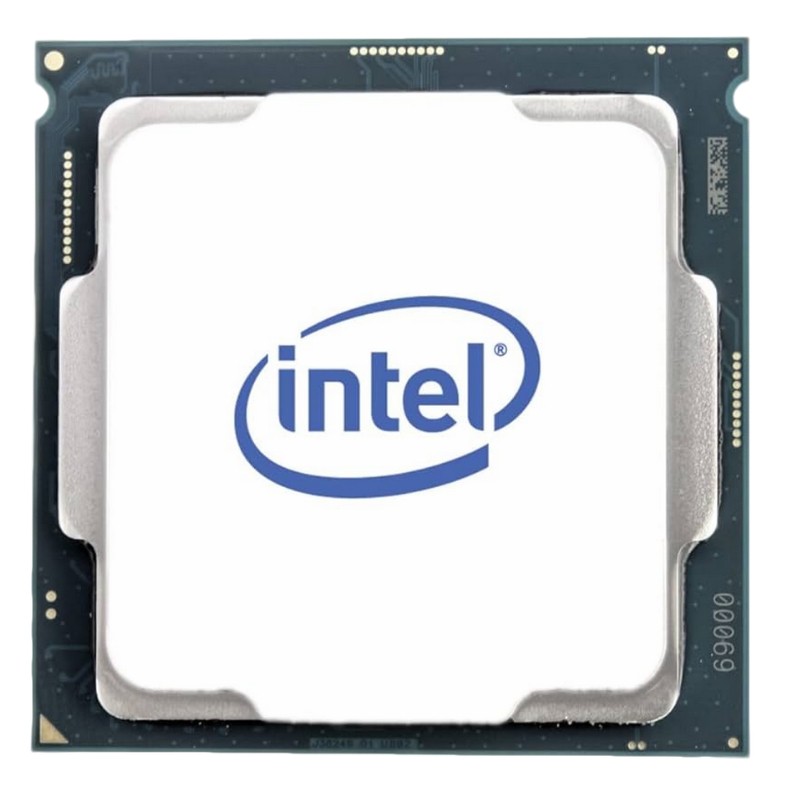


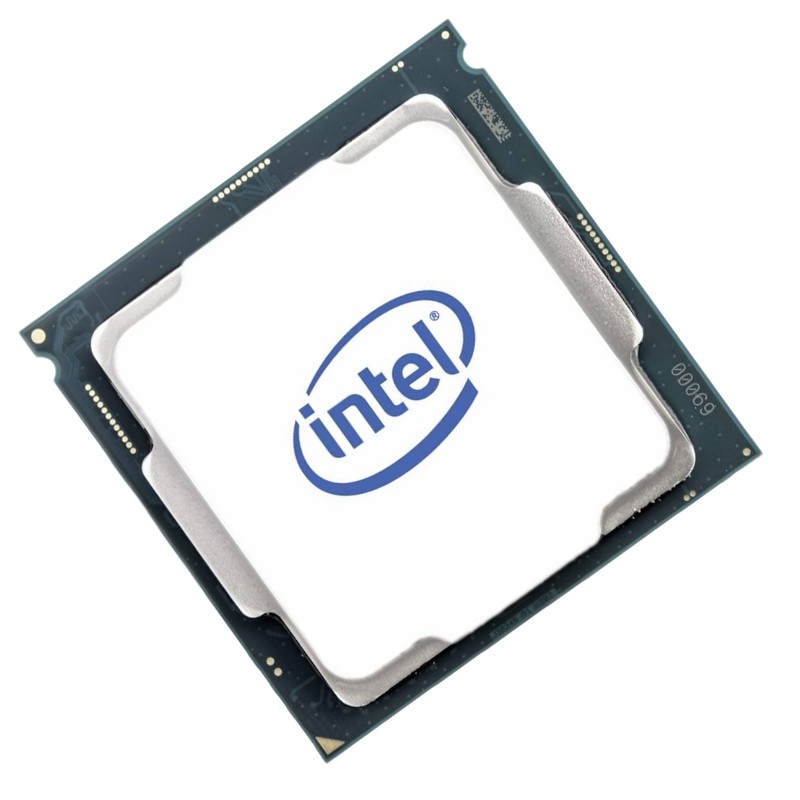
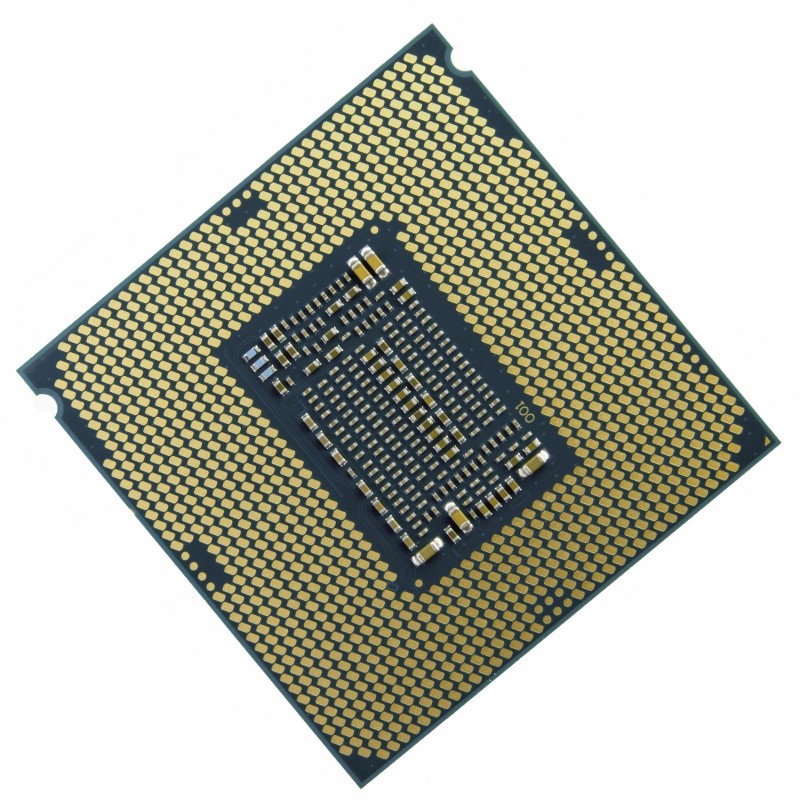
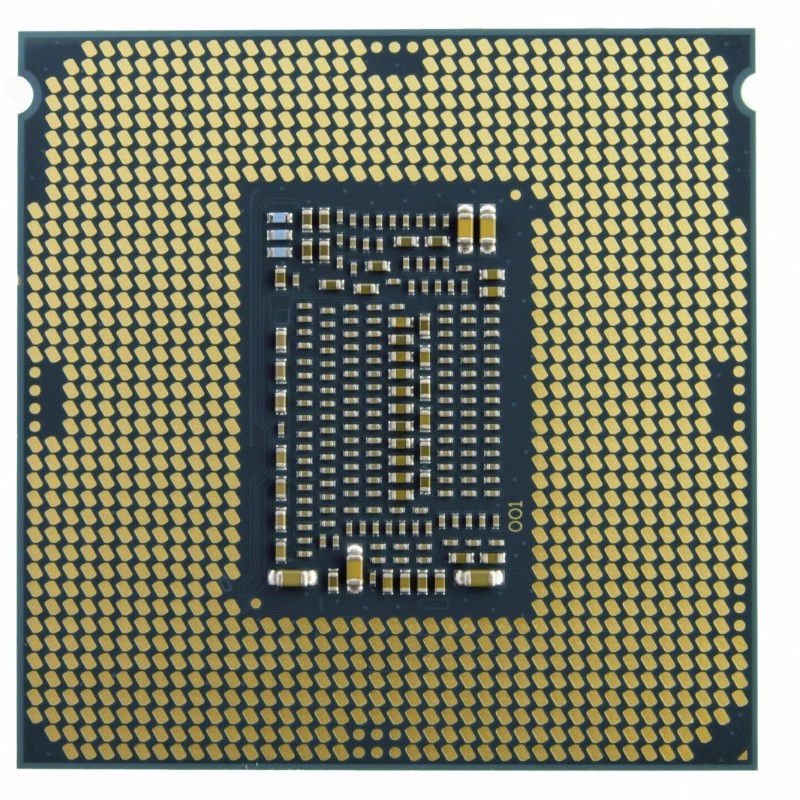
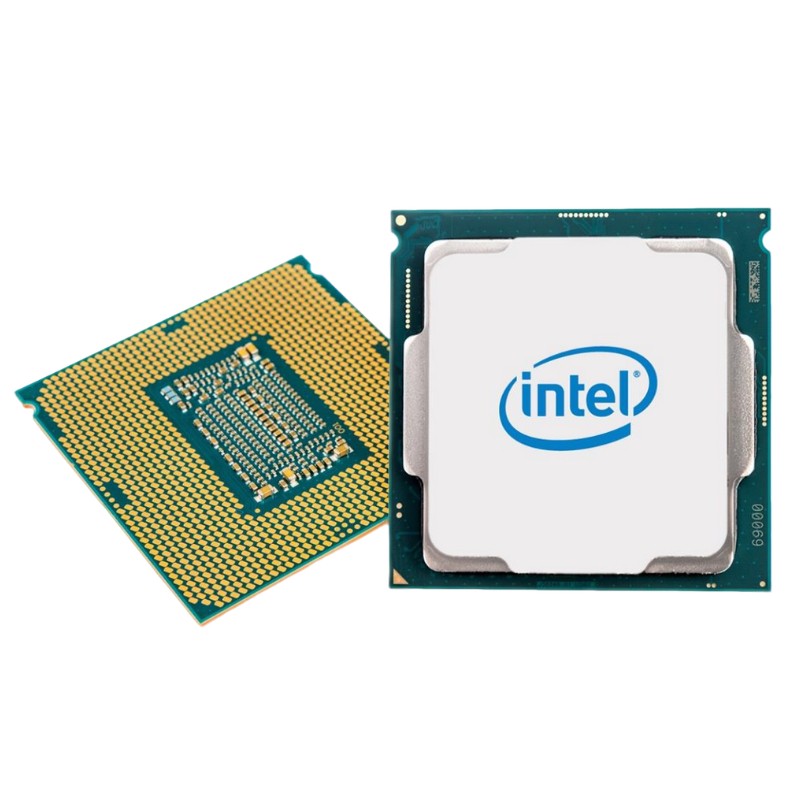
HPE 875944-L21 BL460C Gen10 Intel Xeon-Gold 6134 3.3GHz 8-Core 130W FCLGA3647 14nm 24.75MB Cache Processor Kit. New Sealed with 1 Year Replacement Warranty
The HPE BL460C Gen10 processor kit, featuring the Intel Xeon-Gold 6134, delivers robust performance tailored for high-demand environments. Designed for seamless integration into HPE's blade server architecture, this CPU ensures optimal throughput and reliability.
Engineered for the HPE BL460C Gen10 platform, this processor kit enhances virtualization, database management, and cloud-native applications. Its architecture supports scalable deployments and efficient resource utilization.
This processor kit is tailored for seamless deployment within HPE's Gen10 blade systems. Its socket and power profile align perfectly with enterprise-grade server configurations, ensuring minimal downtime and maximum scalability.
Built on Intel’s proven 14nm process, the Xeon-Gold 6134 offers a blend of speed, efficiency, and thermal stability. Its architecture supports advanced instruction sets and virtualization technologies, making it ideal for modern enterprise applications.
The HPE 875944-L21 BL460C Gen10 processor kit centers around the Intel Xeon Gold 6134 — a high-performance, rack-optimized CPU engineered to deliver consistent, data-center-class throughput for enterprise workloads. This category covers the BL460C Gen10 blade server family and associated processor kits, upgrade modules, and compatible components. Buyers exploring this category can expect product details focused on socket type FCLGA3647, an 8-core microarchitecture running at 3.3GHz base frequency, 130W thermal design power (TDP), and a large 24.75MB cache. The product family is designed for dense compute environments where single-threaded frequency and multi-threaded throughput must be balanced with thermal constraints that exist in blade chassis.
This category is aimed at organizations and system integrators deploying compute-dense infrastructures. Typical use cases include virtualization consolidation (VMware ESXi, Hyper-V), database acceleration for medium-sized transactional databases, compute nodes for containerized applications (Kubernetes worker nodes), performance-sensitive business applications (ERP, CRM), and specialized workloads such as caching layers and in-memory analytics. The 3.3GHz base clock and large cache provide low latency for transaction-heavy processes, while the chassis-based architecture of HPE BL460C enables hot-swap maintenance and simplified cabling for networking and storage backplanes.
Blade servers like the BL460C Gen10 deliver superior density and manageability for data centers with constrained rack space. Choosing the Intel Xeon Gold 6134 within this form factor brings several advantages:
The Intel Xeon Gold 6134 in the 875944-L21 kit features 8 physical cores. With a base frequency of 3.3GHz, it offers a strong single-thread performance profile, ideal for workloads that are sensitive to clock speed. While not the highest core count in the Xeon family, the core-to-clock tradeoff positions the 6134 as an excellent choice for many enterprise applications that benefit more from higher frequencies than from sheer core count.
Cache plays a crucial role in server performance. The 24.75MB of L3 cache available on the Xeon Gold 6134 accelerates workloads by reducing trips to DRAM for frequently accessed data. Workloads with high temporal locality — such as database indexes, small working sets, and JIT-compiled application threads — will see measurable gains from this larger cache footprint.
At a 130W TDP, the 6134 requires robust cooling in blade chassis environments. HPE BL460C Gen10 systems include optimized airflow designs and fan zones, but administrators should consider chassis population density and adjacent blade configurations when deploying multiple high-TDP modules. Proper thermal management ensures sustained performance and avoids thermal throttling.
The FCLGA3647 socket defines mechanical and electrical compatibility for a class of Intel processors based on the Skylake-SP architecture. This socket supports multi-channel DDR4 memory, extensive PCIe lanes, and platform RAS features. For procurement, ensure firmware compatibility (iLO and system ROM levels) and HPE qualification lists — BL460C Gen10 server blades are specifically validated for particular processor microcodes and system ROM revisions.
The BL460C Gen10 paired with the Xeon Gold 6134 supports multi-channel DDR4 memory configurations with ECC and advanced memory mirroring/protection features enabled at the platform level. System architects can populate high-speed DIMMs (RDIMMs or LRDIMMs depending on platform) to match workload requirements for capacity and bandwidth. The processor’s PCIe lane allocation supports high-throughput network adapters, NVMe mezzanine cards, and HBA/RAID controllers within the blade ecosystem.
The 3.3GHz base clock lends the Xeon Gold 6134 to workloads that require quick execution of single-threaded code paths: financial modeling, certain OLTP queries, and single-thread bound application servers. Under multi-threaded loads, the eight cores provide solid parallel throughput, but solutions that demand more cores (e.g., large-scale HPC or heavy parallel database shards) may benefit more from higher-core-count CPUs. Performance optimization should balance core utilization, memory bandwidth, and I/O throughput.
Blade servers hosting hypervisors must balance VM density with predictable performance. The BL460C Gen10 equipped with the 6134 typically supports a medium-to-high density of general-purpose VMs, depending on guest OS footprint and memory allocation. For example, mixed-use virtualization environments with moderate vCPU:vCore ratios (1:1 to 4:1 depending on workload class) will see efficient consolidation while preserving service-level objectives (SLOs).
For storage-heavy workloads, NIC and storage controller placement in the chassis and availability of NVMe lanes are determining factors. The processor’s PCIe lanes combined with HPE’s mezzanine slot architecture allow add-on cards (10GbE/25GbE/100GbE NICs) and NVMe controllers to deliver low-latency, high-throughput I/O for modern applications. Ensure firmware compatibility and that the HPE Virtual Connect fabrics or HPE FlexFabric options are leveraged to maximize network efficiency.
BIOS settings including power profiles, C-states, turbo boost policies, and NUMA optimizations will materially affect performance. For high-frequency workloads, administrators may disable deep C-states and enable fixed performance modes. Microcode updates from Intel, distributed via HPE firmware bundles, are essential for stability and known vulnerability mitigations.
The FCLGA3647 socket provides flexibility for future upgrades within the same socket family. Organizations should map out a roadmap for processor upgrades that matches budget cycles and workload growth. Upgrading to higher-core-count or higher-frequency models within the same socket family may be possible without replacing the chassis, though it is important to check power and cooling budgets before mass upgrades.
HPE BL460C Gen10 blades are service-friendly: processor kits, memory DIMMs, and storage modules are designed for field replacement. For enterprise environments, creating a spare-part inventory including common processor kits, heatsinks, and power modules reduces Mean Time To Repair (MTTR). Keep track of firmware revisions on spare kits so they match production systems when swapping parts.
Blade chassis population influences cooling, power provisioning, and network fabric utilization. High-density deployment of 130W TDP CPUs requires careful planning: staggered placement of high-TDP blades, proper PSU redundancy configurations, and adequate airflow pathways. HPE provides guidelines for maximum recommended population densities to maintain optimal thermal headroom.
Ensure redundant power supplies in the enclosure are sized for peak load with headroom for failover conditions. When designing redundant power topologies, consider uptime SLAs and N+1 or 2N redundancy models. For mission-critical deployments, combine redundant chassis-level power with data center UPS and generator support.
Determine the best network fabric design: converged Ethernet (e.g., 25/50/100GbE) or segregated storage and data fabrics. BL460C Gen10 blades support multiple mezzanine adapter slots; carefully assign network and storage controllers across blades to avoid single points of failure and to distribute I/O demand across chassis switch modules or top-of-rack aggregation.


 Contact Us
 Information
 Catalog
 Solid State Drives (SSD)
 Network Switches
 Hard Disk Drives
 HBA & Controllers
 PC & Servers
 PC & Server Memory
 CPU & Processors
 Network Routers
 Power Supplies
 Tape Drives & Libraries
 Network Devices
 Computer & Network Cables