(7% discount is applied at checkout)
Cart is empty
Your go-to destination for cutting-edge server products
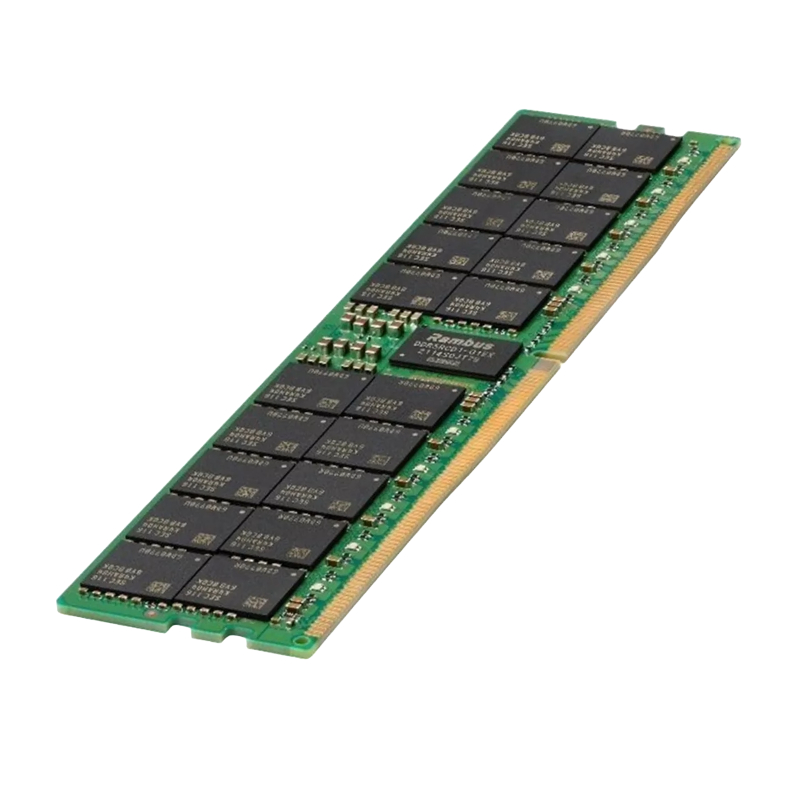


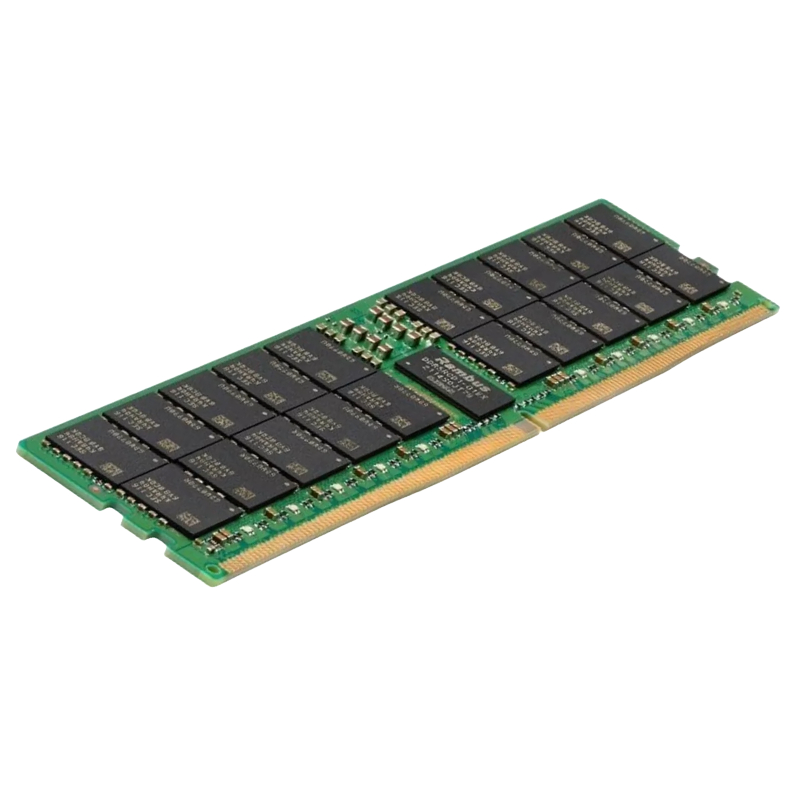
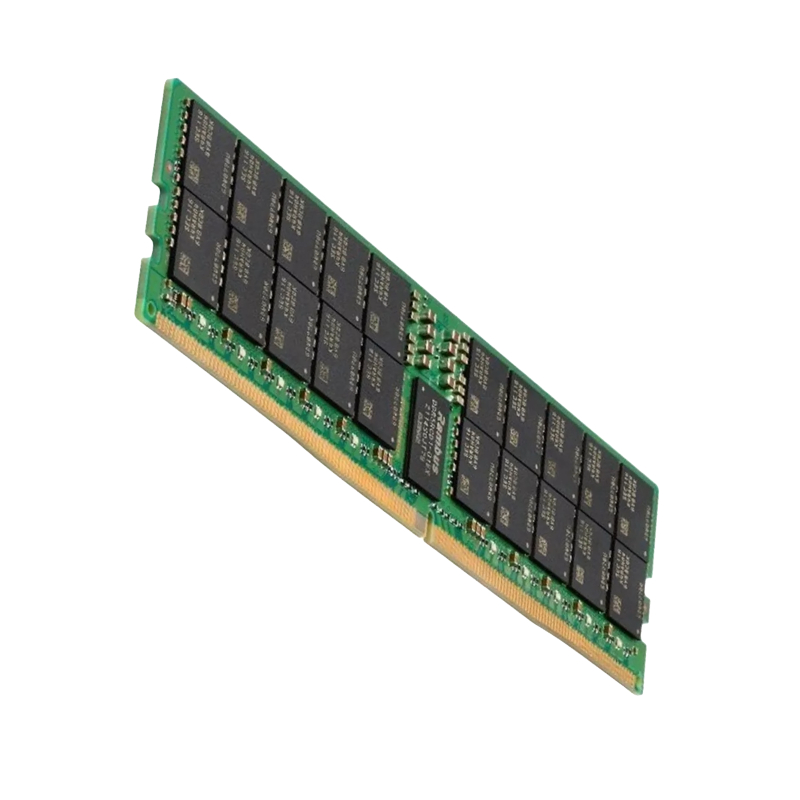
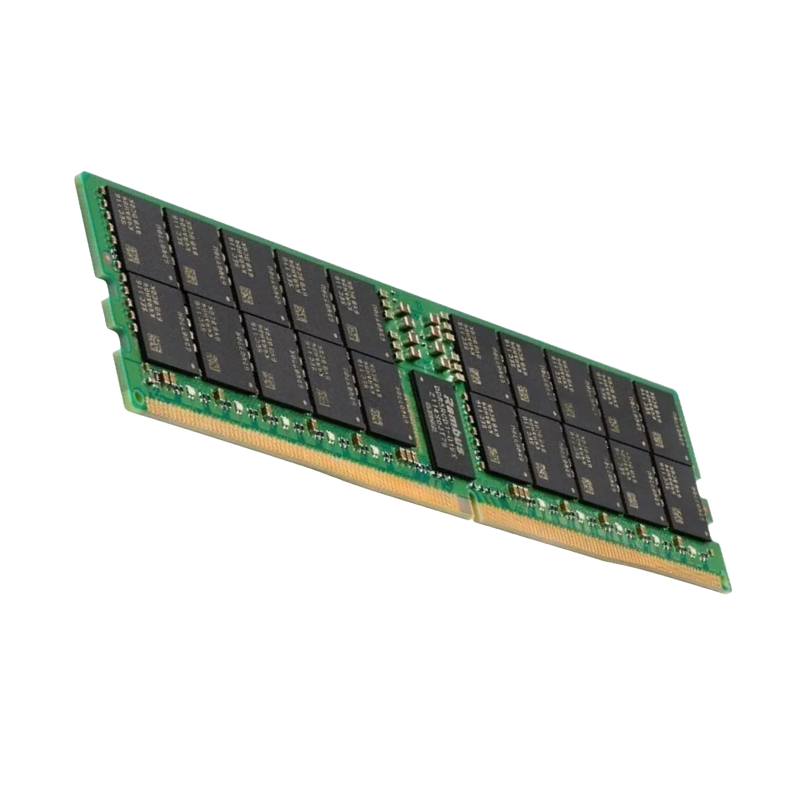
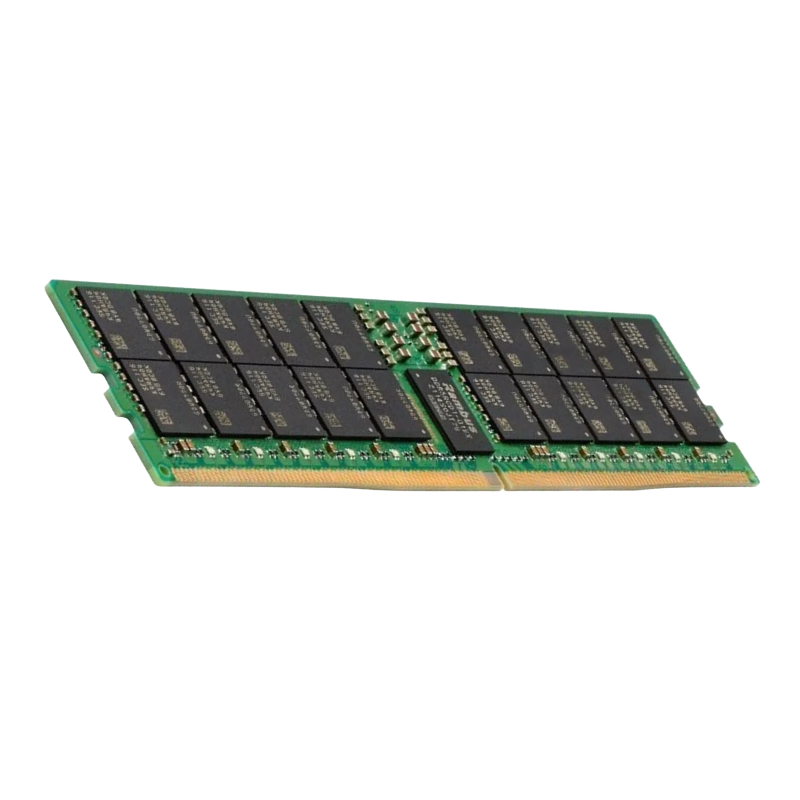
HPE 876319-081 8GB PC4-21300 DDR4 2666MHz 2RX8 ECC Registered Dual Rank SDRAM 288-Pin RDIMM Module Memory. New (System) Pull with 1 year replacement warranty
The HPE 876319-081 8GB 2666MHz PC4-21300 CAS19 ECC Registered Dual Rank X8 DDR4 SDRAM 288-Pin RDIMM memory module is engineered specifically for ProLiant server platforms and enterprise-class systems that demand robust error correction, stability under sustained load, and predictable performance. This RDIMM (Registered DIMM) module integrates ECC (Error Correcting Code) to detect and correct single-bit errors and to flag multi-bit errors, substantially increasing reliability for essential workloads. With a JEDEC-standard 288-pin DDR4 form factor and DDR4-2666 speed grade, the module offers a balance of latency and bandwidth suitable for virtualization, database operations, web serving, and HPC (high performance computing) environments where consistent memory behavior is critical.
At the core of the HPE 876319-081 is an 8GB capacity organized as dual rank X8 memory chips. The PC4-21300 label denotes a theoretical peak throughput of 21,300 MB/s per module at DDR4-2666 operation. CAS latency of 19 provides the timing parameter often cited in spec sheets and helps administrators compare responsiveness across similar-speed modules. The registered (buffered) nature reduces electrical loading on the memory controller, enabling higher DIMM population counts and greater overall capacity per channel, a vital trait for servers that must scale memory without compromising signal integrity. The module’s x8 data width per chip and dual-rank organization informs compatibility and performance characteristics: in many systems, dual-rank DIMMs can offer slightly higher throughput when channels and ranks are leveraged efficiently, compared to single-rank modules of equal capacity.
This RDIMM uses the 288-pin DDR4 physical interface and operates at the standard DDR4 voltage of 1.2V, aligning with modern ProLiant generation power and thermal designs. Physically it conforms to server DIMM dimensions for full compatibility with HPE ProLiant memory slots; this ensures the module can be installed without mechanical modification. Administrators should verify slot population rules in the server’s maintenance and service guide to maximize performance and follow HPE channel interleaving recommendations for optimal throughput. Because the module is registered, it is not suitable for consumer motherboards that only accept unbuffered UDIMMs. It is, however, ideal for multi-socket, multi-channel server boards requiring higher DIMM counts and stable electrical signaling in dense memory configurations.
Error-correcting code memory is a cornerstone of reliable server operation. ECC constantly checks data integrity as it passes between memory and CPU, correcting single-bit errors and detecting multi-bit errors. This prevents silent data corruption, reduces the risk of application crashes due to transient bit flips, and preserves the accuracy of sensitive datasets such as databases, virtual machine images, or scientific computations. Registered memory adds another layer of electrical stabilization by placing a register between the memory controller and the DRAM chips, which reduces loading on the controller and supports higher-capacity configurations.
Dual rank modules contain two sets of DRAM chips that the memory controller addresses sequentially. Dual rank DIMMs often appear as an effective middle ground between single rank modules, which minimize latency, and quad rank modules, which maximize capacity. Since the HPE 876319-081 is an 8GB dual rank module, it provides a favorable mix of density and performance for common server roles while remaining compatible with a wide range of ProLiant. Memory population strategies that leverage ranks can yield better bandwidth when paired correctly with the platform’s channel architecture.
Memory performance is a combination of raw bandwidth and latency. The DDR4-2666 speed rating of PC4-21300 places the HPE 876319-081 in a mid-to-high performance class for DDR4, delivering higher sustained bandwidth than DDR4-2400 and behaving competitively for workloads where memory throughput matters, such as large-scale virtualization and in-memory databases. CAS19 indicates the column access strobe delay and slightly affects the round-trip time for memory read operations; in balanced server configurations the impact of CAS latency is often outweighed by higher effective bandwidth through multi-channel interleaving and multiple ranks. Administrators should measure performance in-situ using relevant benchmarks for their workload — for instance, database transaction tests, VM density evaluations, or memory-bound scientific kernels — to understand the real throughput gains when scaling memory with modules like the HPE 876319-081.
The HPE 876319-081 module is designed and validated to work with a broad selection of ProLiant servers. HPE ProLiant systems typically provide slot population charts and memory population rules tailored to specific CPU and chipset combinations; following these charts ensures correct operation and optimal memory interleaving. While many administrators install RDIMMs without issue, it is important to consult the server maintenance and service guide for exact compatibility lists and supported memory speeds per processor generation. Using HPE-qualified DIMMs reduces the chance of unexpected behavior during memory training and ensures firmware-level support for features such as persistent memory compatibility, if present on the server platform.
The HPE 876319-081 RDIMM is well-suited for a variety of server workloads where balanced memory capacity and reliability matter. Common applications include virtualization hosts that run multiple VMs, database servers that benefit from ECC protection, application servers that require stability under sustained load, and general-purpose compute nodes within clustered environments. For larger memory footprints or memory-intensive analytics tasks, clients often pair many such DIMMs across channels and sockets to achieve the necessary capacity while retaining error correction.
Compared to UDIMMs, RDIMMs provide registered buffering and therefore improved scalability in high-density server environments. RDIMMs generally have slightly higher latency due to the register stage but compensate with better stability and expanded supported DIMM counts. When comparing x8 to x4 organizations, x8 modules are typically more common in mainstream server configurations while x4 modules can enable higher effective ECC coverage for certain RAID-like memory constructs. High-capacity LRDIMMs (load-reduced DIMMs) are another alternative when achieving extremely high capacities per socket is required; LRDIMMs reduce electrical load using an advanced buffer but require platform support.


 Contact Us
 Information
 Catalog
 Solid State Drives (SSD)
 Network Switches
 Hard Disk Drives
 HBA & Controllers
 PC & Servers
 PC & Server Memory
 CPU & Processors
 Network Routers
 Power Supplies
 Tape Drives & Libraries
 Network Devices
 Computer & Network Cables