(7% discount is applied at checkout)
Cart is empty
Your go-to destination for cutting-edge server products
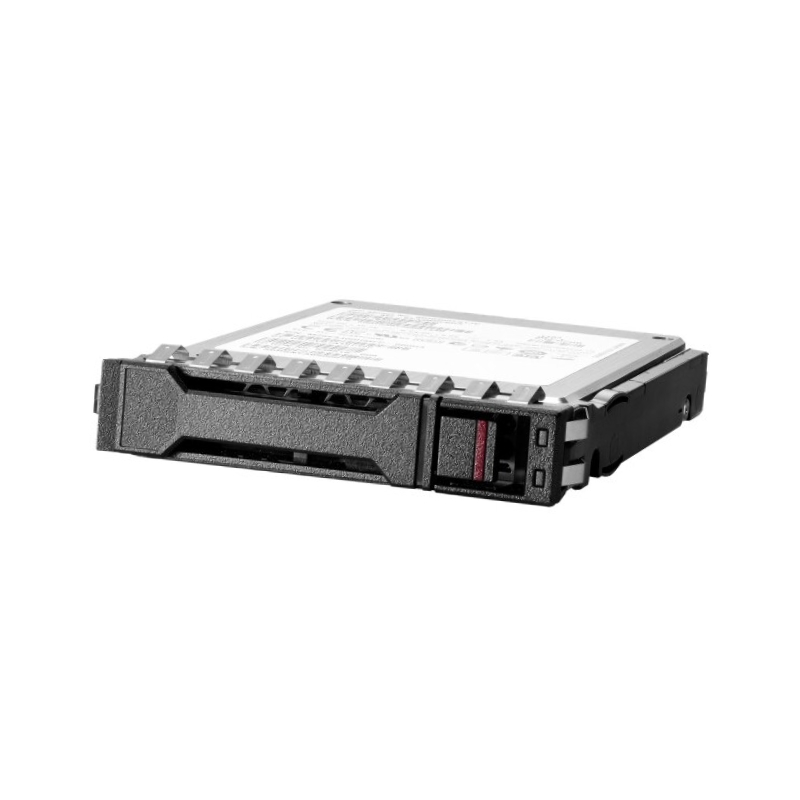


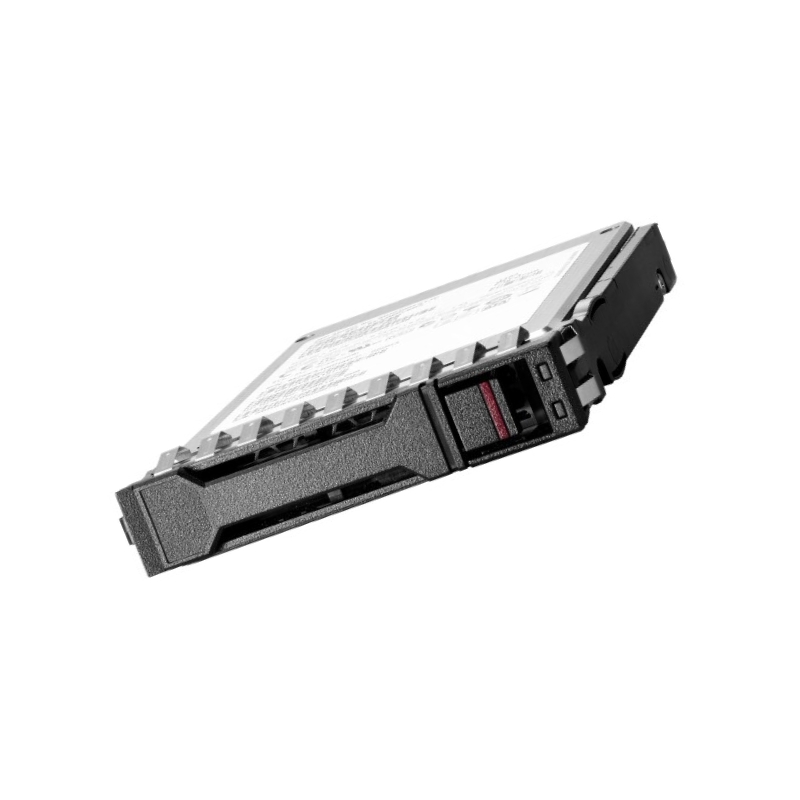
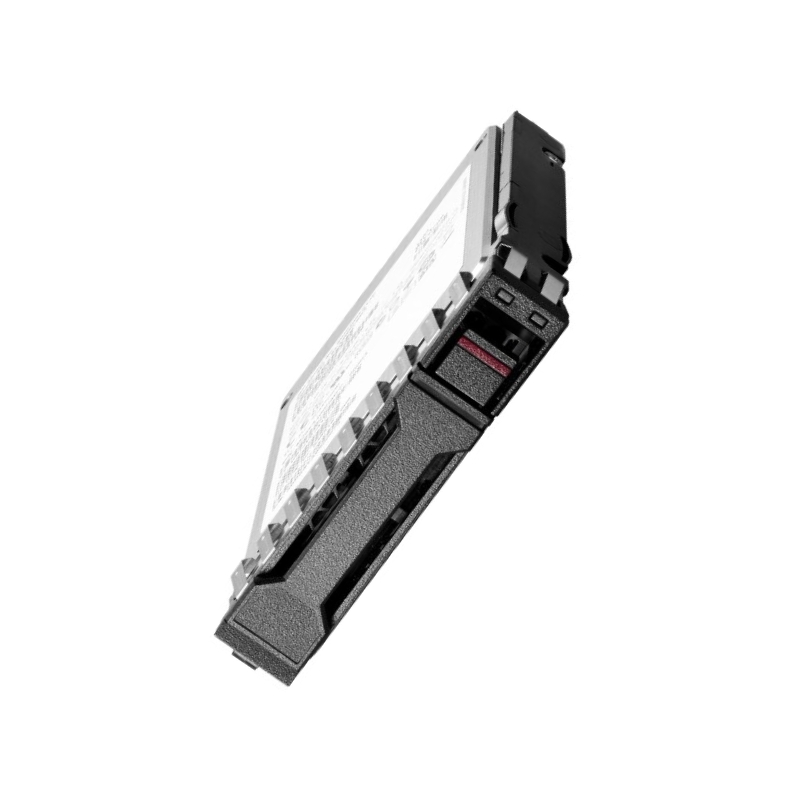
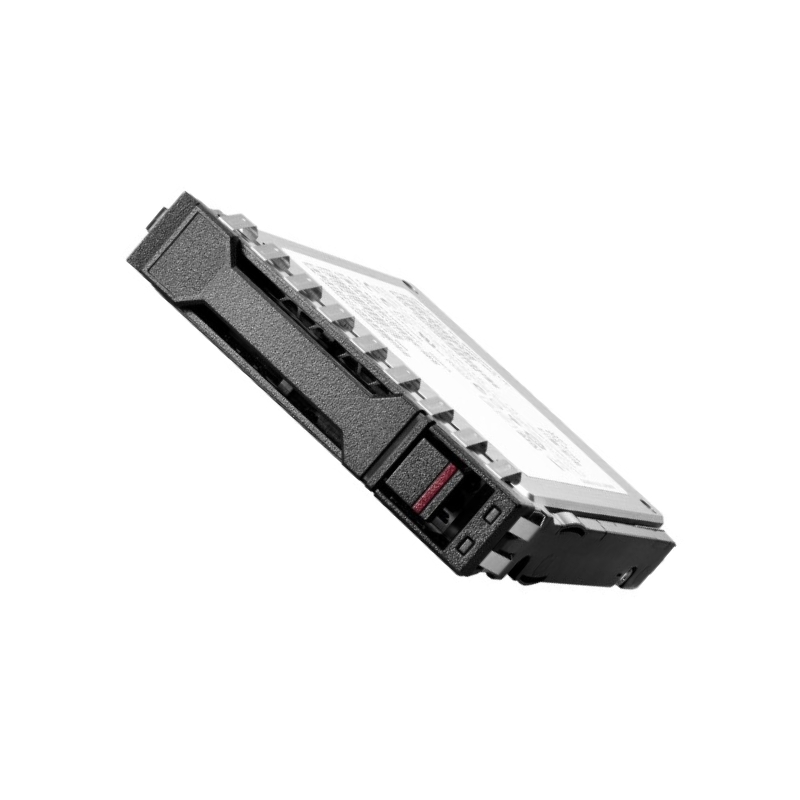
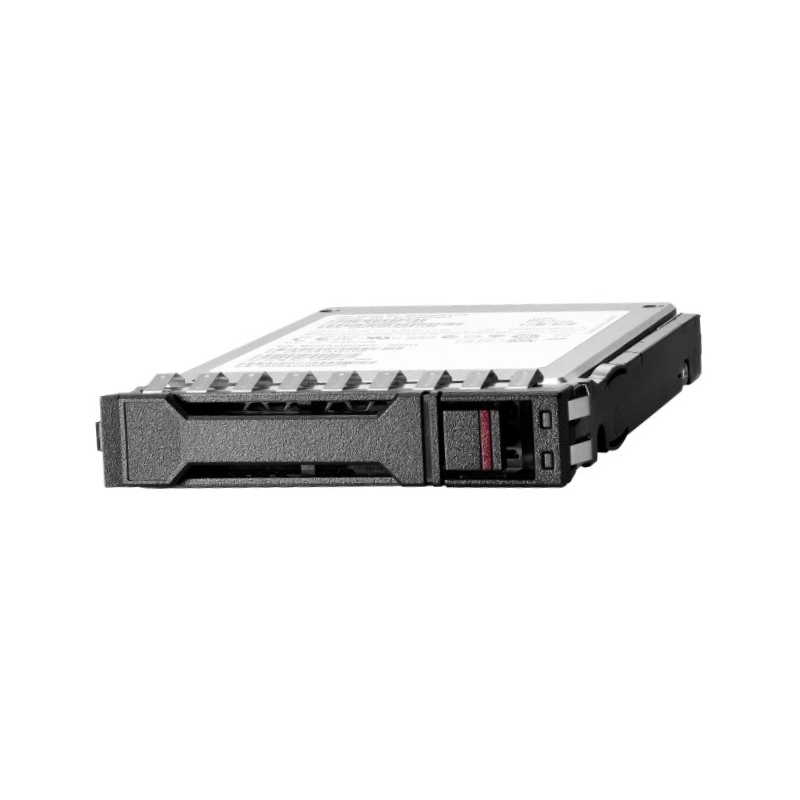
HPE 877740-B21 240GB SATA-6GBPS Read-Intensive SFF SC Digitally Signed Firmware for Server Solid State Drive. Excellent Refurbished with 1 year replacement warranty
HPE 877740-B21 240GB SATA-6GBPS Read-Intensive SFF SC Digitally Signed Firmware for Server Solid State Drive represents a focused category of enterprise-class storage components designed for read-dominant server workloads. This category covers the physical 2.5-inch small form factor (SFF) solid state drive configured with a 240GB capacity, a SATA interface rated at 6Gbps, and firmware that has been digitally signed by the original equipment manufacturer. The combination of read-intensive optimization, compact SFF dimensions, SATA-6GBPS throughput, and verified firmware integrity makes these drives particularly relevant for large-scale read cache, content delivery, virtualization boot volumes, and database index stores where sequential and random read performance, predictable latency, firmware authenticity, and compatibility with HPE server platforms are paramount.
Read-intensive SSDs in this category are engineered around a usage profile where reads significantly outnumber writes. They are optimized for environments that perform heavy read operations such as web servers serving static content, large-scale file servers, data warehouse query engines that repeatedly access index files, and virtual desktop infrastructure where boot storms and repeated image reads dominate. The HPE 877740-B21 240GB SATA-6GBPS Read-Intensive SFF SC Digitally Signed Firmware for Server Solid State Drive focuses on maximizing read IOPS and throughput while balancing endurance and cost. Read-optimized controllers, firmware-level read caching strategies, and over-provisioning settings are tuned to extend the useful life of the drive under read-heavy conditions without sacrificing the predictable latency that enterprise services require.
The small form factor SFF 2.5-inch architecture used by these drives provides density and thermal benefits in modern rack servers. The compact size reduces the physical footprint and enables higher drive counts per chassis compared to larger 3.5-inch media. The SATA-6GBPS interface is widely supported across HPE server generations and provides a reliable balance of compatibility and throughput for many read-heavy applications. While NVMe and SAS alternatives exist and offer different performance profiles, the SATA-6GBPS read-intensive SSD remains a cost-effective choice for replacing legacy HDDs and accelerating read-heavy subsystems with straightforward compatibility for SATA backplanes and HPE-compatible drive carriers. Mechanical features such as shock tolerance, vibration resistance, and low power consumption in idle and active states further contribute to stable operation in dense server environments.
Compatibility is a leading consideration when selecting drives for HPE systems. Drives in the HPE 877740-B21 series are intended to integrate seamlessly with HPE ProLiant and other HPE server lines that accept SFF SATA drives. Integration encompasses physical fit in drive carriers, correct recognition by the server firmware and management utilities, and interoperability with RAID controllers and HPE Smart Array modules. Digitally signed firmware supports this integration by providing a verified firmware image that the server’s UEFI or embedded management software expects to see, reducing the chance of firmware rejection and ensuring predictable system boot and management sequences. Administrators should confirm chassis and backplane compatibility, appropriate drive caddies, and that the server firmware levels are up to date to recognize the drive and leverage any vendor-specific capabilities for monitoring and lifecycle reporting.
Digitally signed firmware distinguishes this category by adding a cryptographic assurance that the firmware image running on the drive is authentic and endorsed by the vendor. For organizations with security, compliance, or supply-chain integrity requirements, digitally signed firmware reduces risk from tampered or unauthorized firmware modifications. The digital signature mechanism typically uses public-key infrastructure (PKI) to sign firmware images; server firmware or drive controllers verify the signature before activation. This verification process helps protect against malicious code insertion, accidental corruption, or non-standard third-party images that might impair functionality or void support. Lifecycle assurance is improved because HPE-signed firmware updates are tracked, tested for compatibility, and released through official channels, enabling administrators to apply validated updates knowing they conform to HPE’s interoperability matrix.
Updating firmware on HPE 877740-B21 240GB SATA-6GBPS Read-Intensive SFF SC Digitally Signed Firmware for Server Solid State Drive should follow established change control procedures. Administrators are advised to use HPE’s official firmware delivery tools or the HPE Integrated Lights-Out (iLO) and Smart Update Manager to deploy signed firmware packages. Backups and pre-update validation steps should be taken, including checking RAID array health, ensuring current restore points exist, verifying maintenance windows, and testing updates on non-production systems when possible. Signed firmware packages provide the added benefit that servers will accept and validate updates without requiring additional verification steps, but process discipline remains critical to avoid downtime. Rolling firmware updates, staggered deployment across redundant systems, and monitoring SMART attributes after the update help ensure a smooth transition with clear rollback options should unexpected behavior occur.
Performance expectations for a 240GB SATA-6GBPS read-intensive SFF SSD reflect both the physical NAND characteristics and firmware-level optimizations. These drives typically deliver strong random and sequential read throughput, with read IOPS that significantly outpace HDDs and considerably improve access times for read-dominant workloads. Measured performance in realistic environments will vary by queue depth, file system, RAID configuration, and the presence of read caching tiers. Benchmarks using synthetic tools provide insight into peak read IOPS and throughput, but real-world application performance should also be measured using representative workload generators or A/B testing against the existing storage devices. Latency consistency, especially under mixed IO conditions, is often a deciding factor for critical applications; read-optimized firmware aims to maintain consistent latency while deferring some write-related background tasks to periods of lower activity.
Read-intensive SSDs balance cost and endurance differently from mixed-use or write-intensive models. Because the ratio of writes is lower in read-optimized profiles, drive manufacturers configure endurance ratings—expressed in Total Bytes Written (TBW) or drive writes per day (DWPD)—suitable for anticipated workloads. Administrators should evaluate endurance ratings relative to their expected daily write volume and consider over-provisioning strategies to extend service life. Proactive monitoring of SMART attributes and vendor-provided telemetry helps predict wear-leveling status and anticipates replacements before critical failures.
Data integrity mechanisms built into enterprise-class SSDs reduce the probability of silent data corruption and improve reliability in production environments. The HPE 877740-B21 240GB SATA-6GBPS Read-Intensive SFF SC Digitally Signed Firmware for Server Solid State Drive category emphasizes features such as end-to-end data protection, error-correcting code (ECC) engines on the controller, and power-loss protection implementations that commit or preserve pending writes to avoid partial-data conditions. Additionally, drive firmware often includes background scanning and bad-block management to isolate failing blocks and remap data to healthy areas. RAID controllers and HPE management software can further enhance these protections by coordinating error recovery procedures, initiating rebuilds from redundant copies, and alerting system administrators to take preemptive action when SMART thresholds are breached.
HPE 877740-B21 240GB SATA-6GBPS Read-Intensive SFF SC Digitally Signed Firmware for Server Solid State Drive works well as a component in broader storage architectures. When configured as part of hardware RAID arrays, these drives can act as read accelerators, caching layers, or front-end volumes where repeated read operations dominate. In hybrid arrays, combining read-intensive SSDs with higher-capacity HDDs creates a tiered architecture that places frequently accessed data on the SSD tier while retaining colder data on magnetic media. Software-defined storage stacks and HPE-specific tiering solutions can automatically migrate hot data to read-optimized SSDs to maximize cost-effectiveness. The drive’s small form factor and SATA interface also facilitate easy retrofits into existing server fleets where replacing larger HDDs with SFF drives yields immediate improvements in read latency and throughput.
Common deployment scenarios that benefit from the HPE 877740-B21 240GB SATA-6GBPS Read-Intensive SFF SC Digitally Signed Firmware for Server Solid State Drive include front-end web caches for content delivery networks, database index acceleration for analytics clusters, boot volumes for hypervisor hosts in virtualized environments, and metadata acceleration for clustered file systems. In each scenario, the drive’s read-focused profile delivers faster access to frequently requested data, reducing query times and improving user experience. In virtualization environments, placing important read-only images on read-optimized SSDs reduces boot times and improves consolidation density. For data centers undergoing HDD-to-SSD migration for read-heavy workloads, these SATA-6GBPS SFF options provide a pragmatic step with high compatibility and predictable outcomes.
Compared to mixed-use or write-intensive SSDs, the read-intensive drives in this category typically offer lower cost per gigabyte while optimizing read performance and providing sufficient endurance for read-heavy applications. NVMe alternatives deliver higher throughput and lower latency, but they also require NVMe-compatible backplanes and may come at a higher price point.


 Contact Us
 Information
 Catalog
 Solid State Drives (SSD)
 Network Switches
 Hard Disk Drives
 HBA & Controllers
 PC & Servers
 PC & Server Memory
 CPU & Processors
 Network Routers
 Power Supplies
 Tape Drives & Libraries
 Network Devices
 Computer & Network Cables