(7% discount is applied at checkout)
Cart is empty
Your go-to destination for cutting-edge server products
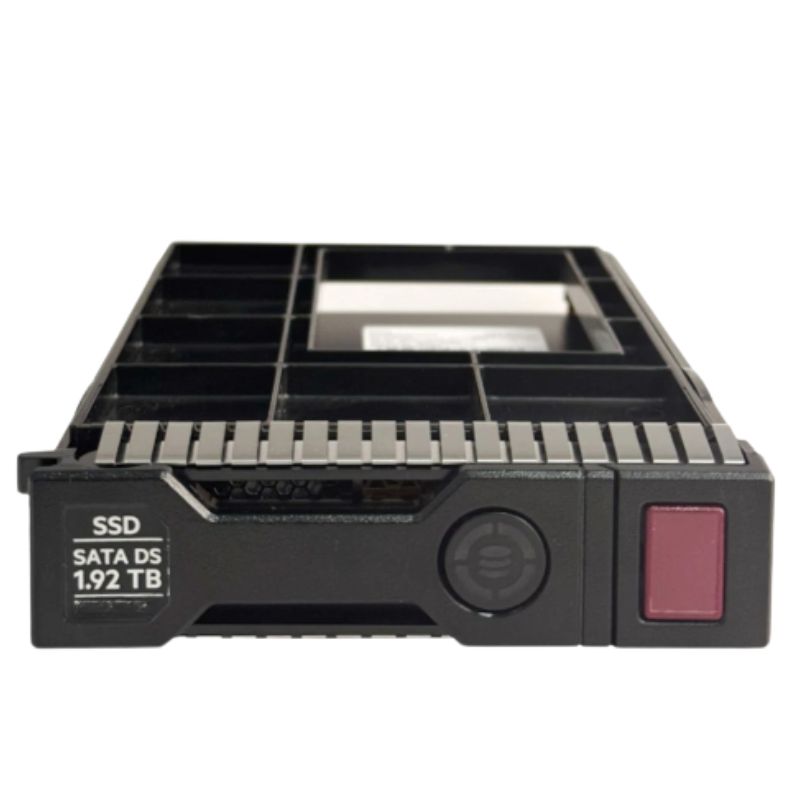


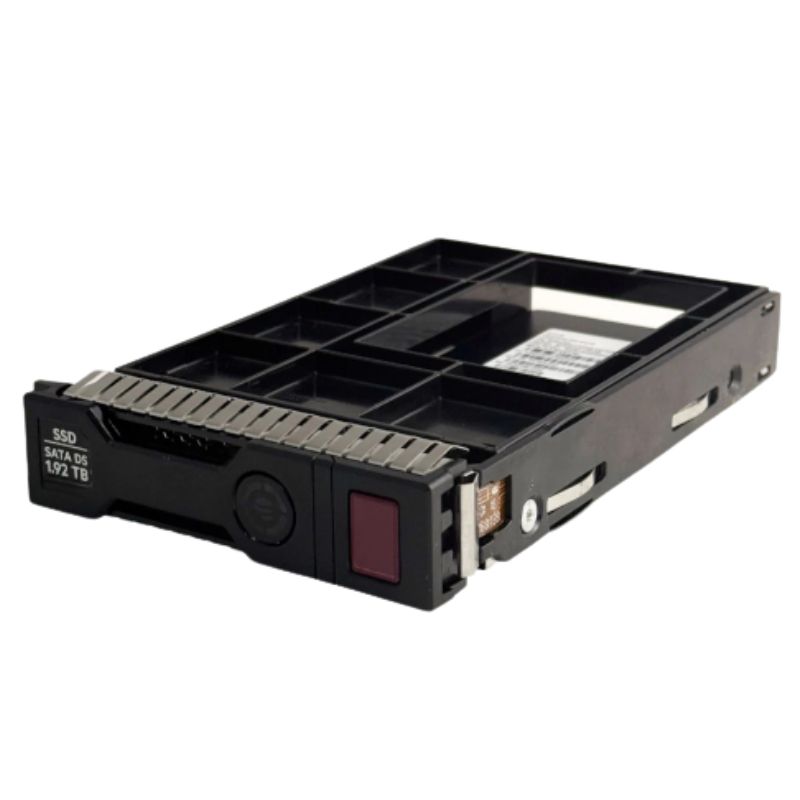
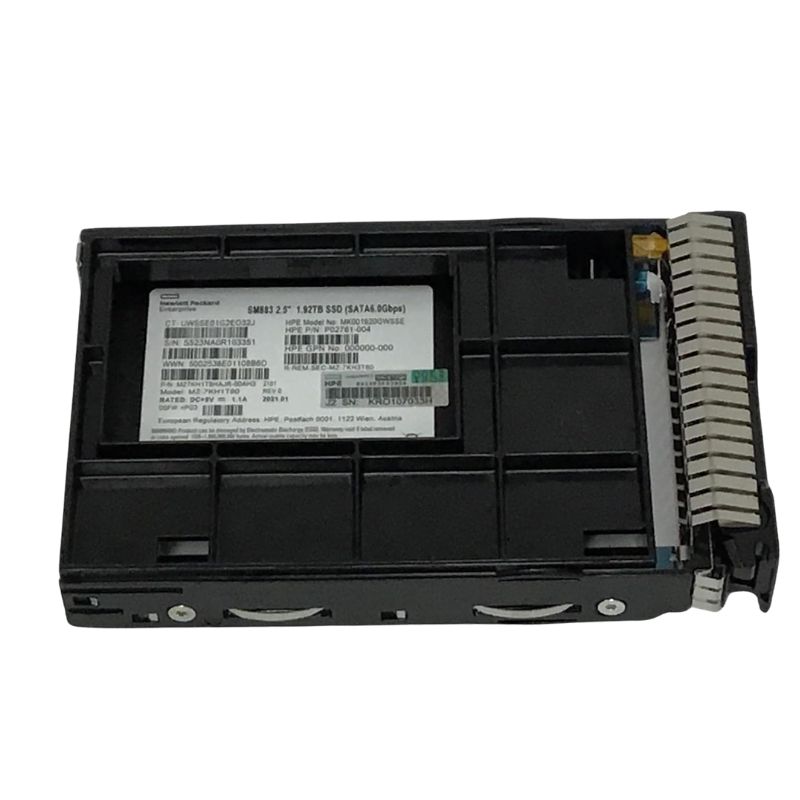
HPE 877790-H21 1.92TB LFF DS SATA-6GBPS SCC Mixed-Use Server Solid State Drive. New (System) Pull with 1 year replacement warranty
The HPE 877790-H21 is a purpose-built enterprise solid-state drive presented in a 3.5-inch large form factor (LFF) that delivers 1.92 terabytes of raw capacity on a SATA-6Gbps interface and is engineered specifically for ProLiant Gen9 and Gen10 server platforms.
The 3.5-inch LFF mechanical profile appeals to installations that require large-format density, easier handling, and legacy tray compatibility in server enclosures that accept LFF devices. While many modern SSDs choose an SFF (2.5-inch) or M.2 form factor, the LFF approach used by this HPE SSD facilitates migration in racks designed for 3.5-inch carriers and provides a smooth swap path in environments where drive trays and carrier blanks are standardized for larger drives. The SATA-6Gbps interface preserves broad compatibility and predictable behavior across diverse controller ecosystems; it is particularly advantageous in mixed server fleets where SATA backplanes are already deployed and administrators prioritize interoperability.
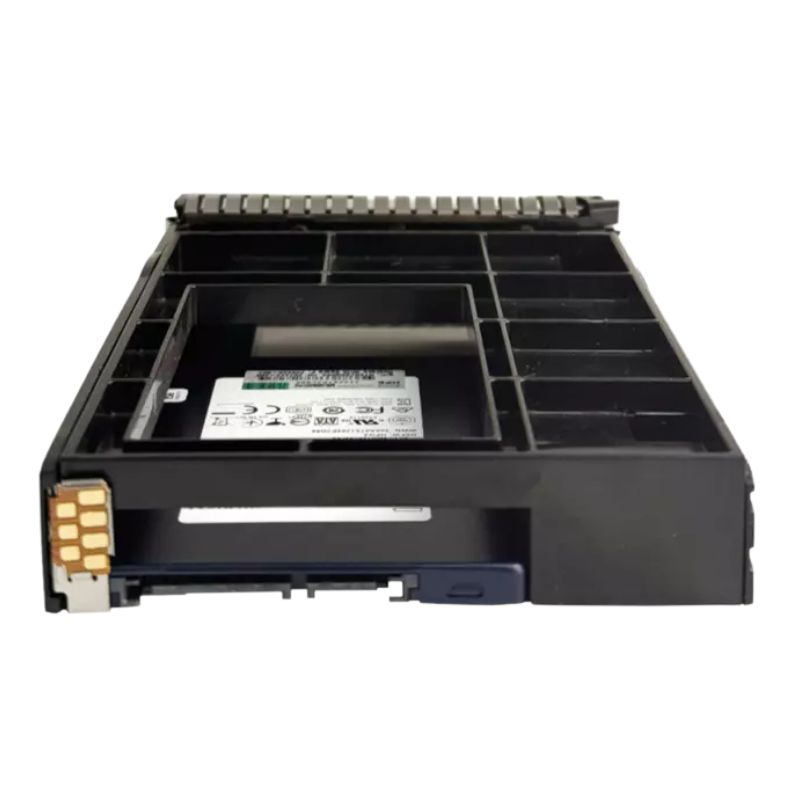
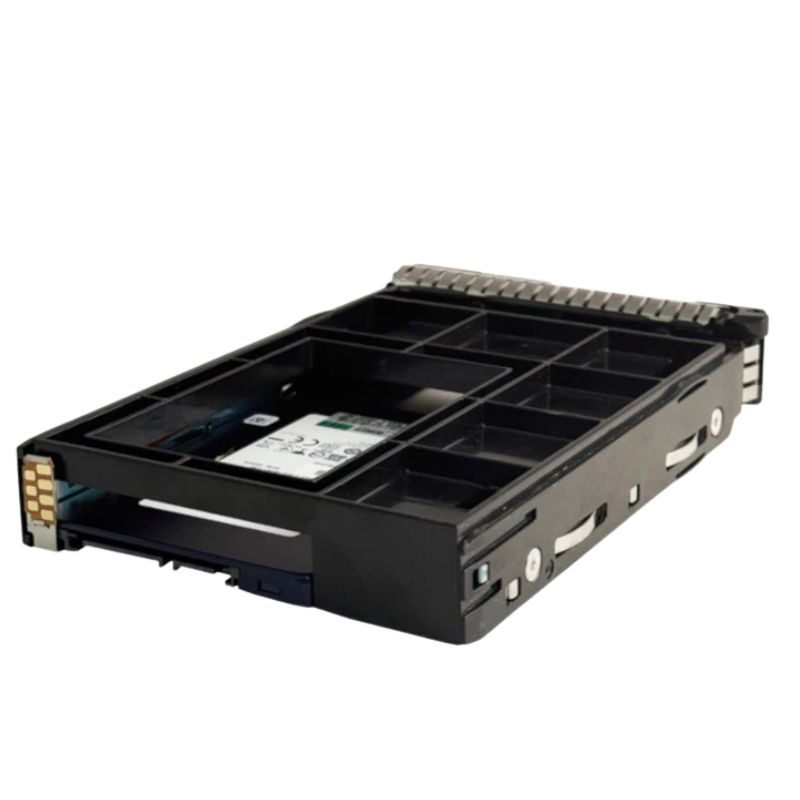
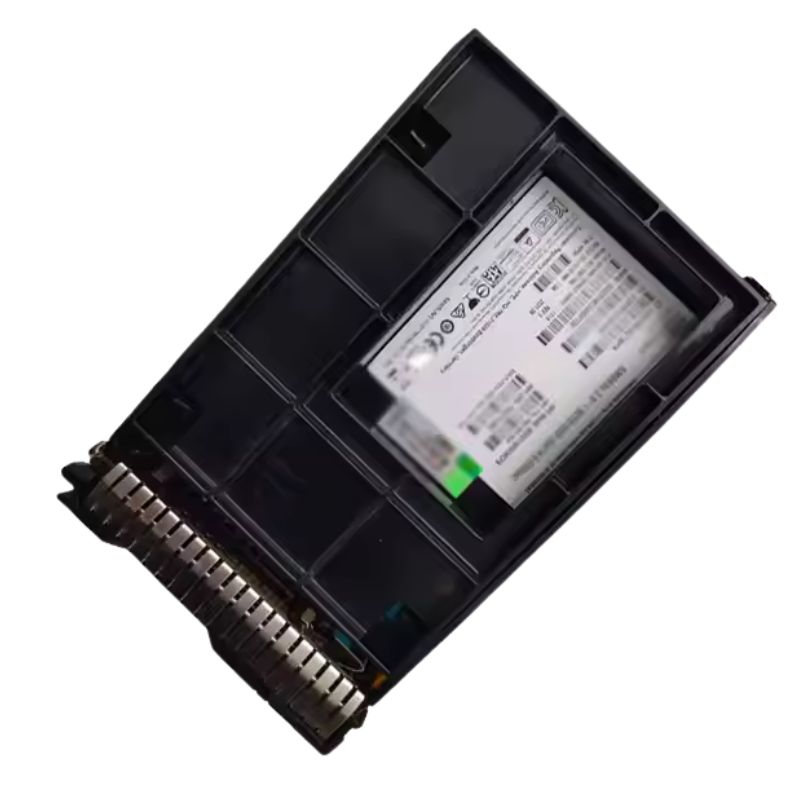
The inclusion of the Smart Carrier Converter means the HPE 877790-H21 integrates easily into HPE server trays, converting the internal smaller SSD PCB into a 3.5-inch mount with mechanical and thermal accommodations required by the host platform. This design element reduces the friction of upgrade projects and allows administrators to standardize replacement parts and spares across Gen9 and Gen10 systems without sacrificing serviceability. SCC also preserves LED, latch, and hot-swap expectations so routine maintenance remains predictable.
Performance for a mixed-use enterprise SATA SSD like the HPE 877790-H21 focuses on consistent I/O performance under varied read/write mixes rather than on raw peak sequential throughput alone. In practice this shows as stable IOPS for small random transactions, low and predictable latency under sustained load, and strong out-of-box behavior for database, virtualization, and mixed application stacks. The SATA-6Gbps physical link constrains peak sequential bandwidth compared with PCIe/NVMe devices, but the drive’s firmware and internal architecture optimize for the highest practical IOPS and latency consistency within that interface envelope, making it an excellent choice for tiers requiring both capacity and predictable responsiveness.
Enterprise mixed-use SSDs, including the HPE 877790-H21, are typically built on multi-level cell (MLC) or higher endurance flash with internal provisioning and overprovisioning strategies to extend usable life. Endurance specifications are expressed as drive writes per day (DWPD) or total terabytes written (TBW) across a warranty or rated life; for mixed-use products the expected endurance targets align with heavier but non-extreme write profiles so that data centers can use these devices for both capacity and active tiers.
The 877790-H21 is validated for ProLiant Gen9 and Gen10 servers and carries HPE part-numbering and spare references that facilitate procurement and warranty support. Using HPE-qualified drives simplifies support conversations with OEM channels and ensures the server firmware stack recognizes and interacts with the SSD as expected. Compatibility includes correct hot-swap behavior, LED signaling, and carrier mechanical fit that matches HPE server trays. Verify the server BIOS, SmartArray or HBA firmware, and management controller versions prior to large rollouts to ensure full compatibility and unlock features such as predictive failure analytics.
The mixed-use classification positions this drive for core data center roles where both read and write activity are regular and sustained: medium-sized databases, virtual machine datastores, application servers with frequent writes, and mid-tier caching layers. It is also suitable for consolidation initiatives where organizations aim to migrate from spinning media to flash without moving to NVMe or when the server backplane is SATA-centric. The drive’s combination of capacity, endurance, and predictable latency offers an attractive TCO for tiers that benefit from flash but do not strictly require NVMe performance.
Align RAID levels and controller write cache policies to the intended workload. For mixed-use drives, RAID configurations that provide redundancy without excessive write amplification are preferred; RAID-6 provides strong durability but can impose additional write overhead, so factor that into endurance calculations. Where possible, enable host-side monitoring, implement firmware maintenance windows, and schedule non-disruptive refresh cycles to keep firmware versions consistent across systems. Balance the number of drives per enclosure to optimize thermal airflow and maintain steady operating temperatures for predictable performance and longevity.
When comparing the HPE 877790-H21 to higher-performance NVMe drives or to lower-cost HDD tiers, selection centers around three variables: latency and IOPS requirements, capacity per dollar, and existing infrastructure compatibility. NVMe drives provide significantly lower latency and higher IOPS but require PCIe/NVMe backplanes and may not be supported in older chassis. HDDs offer lower cost per gigabyte but cannot match the consistent IOPS and low latency of flash. The 877790-H21 occupies the middle ground: it brings flash performance and endurance to SATA ecosystems without necessitating major platform changes. Decision makers should quantify the workload IOPS, peak concurrency, and acceptable latency thresholds before selecting the proper tier.


 Contact Us
 Information
 Catalog
 Solid State Drives (SSD)
 Network Switches
 Hard Disk Drives
 HBA & Controllers
 PC & Servers
 PC & Server Memory
 CPU & Processors
 Network Routers
 Power Supplies
 Tape Drives & Libraries
 Network Devices
 Computer & Network Cables