(7% discount is applied at checkout)
Cart is empty
Your go-to destination for cutting-edge server products
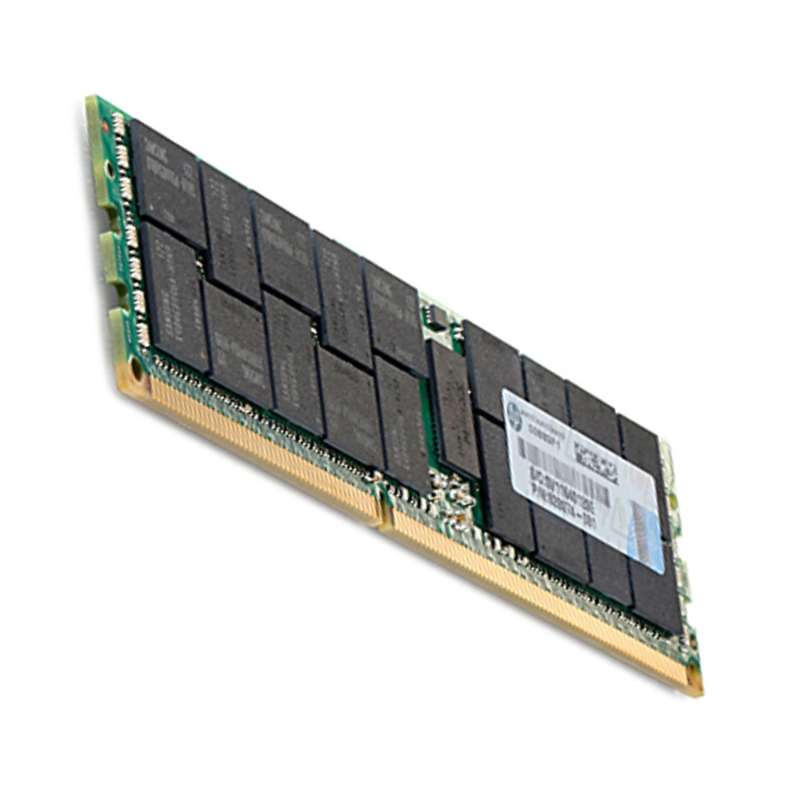


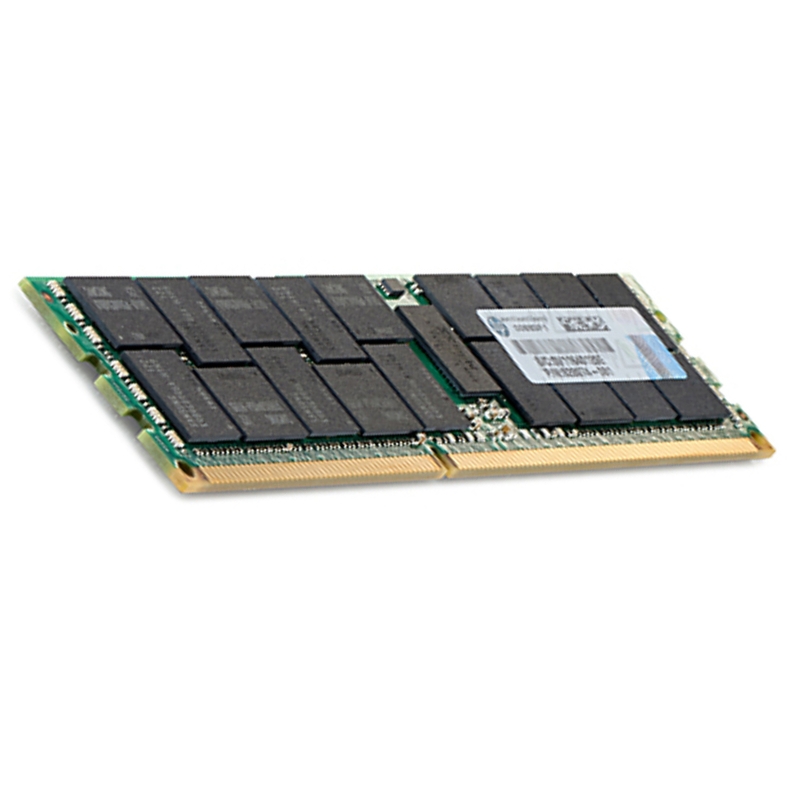
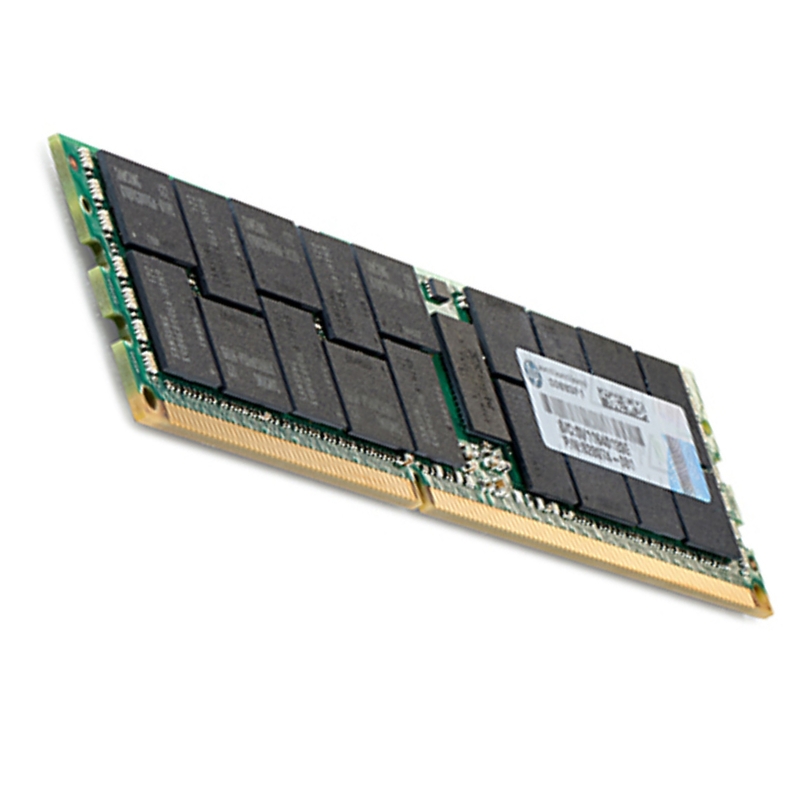
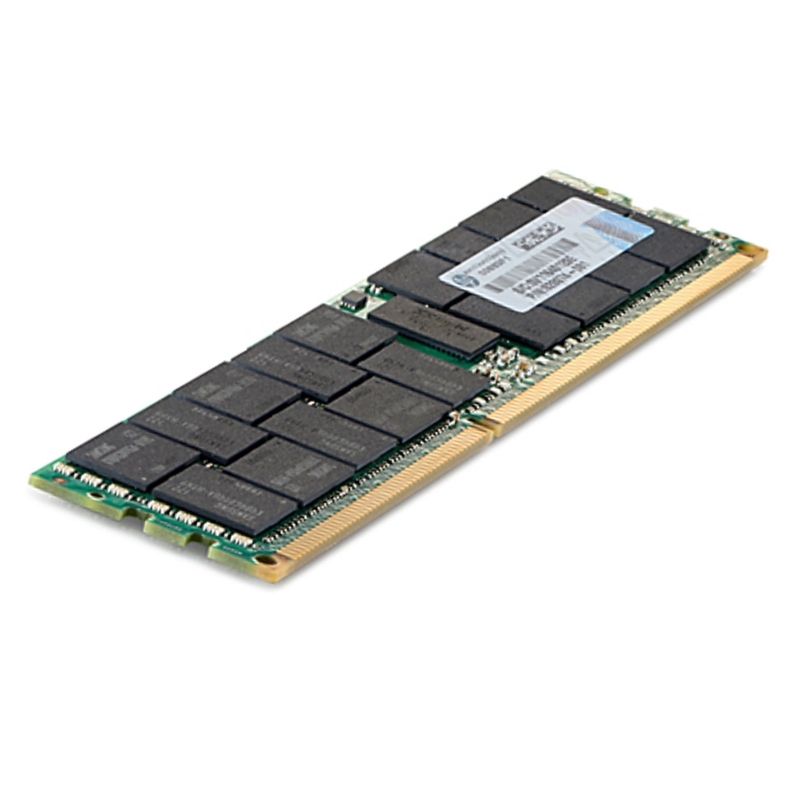
HPE 882362-091 64GB PC4-21300 DDR4-2666v-l Load Reduced ECC 4rx4 CL19 288-Pin 1.20v LRDIMM for Proliant Server Memory. New Sealed in Box (NIB) with 3 Year Warranty
The HPE 882362-091 is a High-Performance 64GB DDR4 Memory Module designed to meet the demanding needs of ProLiant servers. This load-reduced ECC (Error Correcting Code) memory ensures reliable and consistent performance for mission-critical applications. With a bus speed of 2666MHz, it offers seamless data processing, and its registered signal processing guarantees data integrity.
HPE 882362-091 64GB PC4-21300 DDR4-2666v-l Load Reduced ECC 4Rx4 CL19 288-Pin 1.20v LRDIMM is a high-capacity, enterprise-grade memory module designed specifically for HPE ProLiant server families and other compatible server platforms that require certified Load-Reduced DDR4 memory. This 64GB LRDIMM operates at PC4-21300 bandwidth (2666 MT/s nominal speed), uses a low-voltage 1.20V DDR4 signaling profile (denoted by the "v-l" designation), and is built with a 4R x4 organization to deliver high density and reliable error-correcting performance across mission-critical workloads. The module’s CL19 CAS latency specification and 288-pin DIMM format make it a direct fit for modern dual- and multi-socket servers, where memory capacity, thermal efficiency, and platform-certified interoperability are key purchasing criteria.
The "64GB" clearly defines module capacity, while "PC4-21300" identifies the theoretical peak transfer bandwidth class for DDR4-2666 memory. DDR4-2666v-l indicates the JEDEC-compliant 2666 megatransfers-per-second rating with a low-voltage variant that reduces power draw to 1.20 volts. A 288-pin LRDIMM physical interface matches the standard server DIMM connector while the "4rx4" (four ranks by four-bit chips) tells memory engineers and advanced users about the internal organization and electrical loading. Load-Reduced DIMM (LRDIMM) architecture places a memory buffer on the module that isolates the memory controller from the electrical load of many DRAM chips, enabling servers to populate more capacity per channel without compromising signal integrity or memory performance.
LRDIMMs are engineered for scenarios where density matters more than raw single-threaded memory throughput: virtualization consolidation, in-memory databases, large-scale analytics, and high-performance computing. For HPE ProLiant servers, using HPE 882362-091 64GB LRDIMM modules frequently enables organizations to scale memory capacity per node significantly—often doubling or tripling capacity when compared to UDIMM or RDIMM configurations in the same server chassis—while maintaining robust error-correction via ECC and preserving platform stability under sustained loads. Because the LRDIMM buffer reduces electrical loading, system designers can fill more DIMM slots with high-capacity modules, enabling configurations that maximize the return on each server socket and reduce the number of servers required for memory-bound applications.
Performance for HPE 882362-091 64GB LRDIMM is a balance of throughput and latency. The PC4-21300 class provides 2666 MT/s effective data rate which yields strong bandwidth for parallel memory access patterns typical of virtual machines, large caches, and distributed in-memory processing. The CL19 CAS latency specification is common for 2666 MT/s modules in the enterprise category and represents a latency/clock cycle trade-off that vendors accept to achieve stability across a wide variety of system topologies and thermal conditions.
The 4Rx4 designation indicates the module contains four ranks of DRAM chips with a x4 data bus per chip. This configuration allows higher density at reasonable cost and maps well to LRDIMM buffer designs. Ranks are logical groupings of DRAM devices that the memory controller can address independently; more ranks often increase parallelism and can improve memory throughput in multi-threaded server environments. However, higher rank counts also increase electrical loading—another reason LRDIMM buffering is important. Engineers planning large memory configurations should be aware that rank count interacts with memory channel population rules and can affect maximum supported speeds and DIMM slot population combinations in specific HPE ProLiant models. Always consult HPE memory population guidelines for the target server model to ensure optimal performance and supported configurations.
The 1.20V low-voltage specification reduces module power consumption compared to older 1.35V variants, and in multi-module systems the cumulative savings can be meaningful for datacenter cooling budgets and power distribution planning. LRDIMM buffering introduces an on-module buffer chip that consumes additional power relative to unbuffered UDIMM modules; however, the overall power-per-gigabyte is typically more favorable with high-capacity LRDIMMs because fewer modules are required for the same total memory capacity.
HPE 882362-091 is an HPE-qualified part engineered for HPE ProLiant family compatibility and is often validated through HPE’s qualification and firmware testing processes. Compatibility encompasses not only the physical fit and JEDEC electrical standards but also firmware-level training sequences that ensure proper initialization within ProLiant memory topologies. Using platform-certified HPE modules is recommended to avoid unsupported combinations that may lead to suboptimal speeds, system resets during memory training, or support denial from vendor service agreements. For system integrators and enterprise buyers, matching HPE part numbers with HPE ProLiant server model numbers ensures full lifecycle support and seamless firmware compatibility across maintenance windows.
Mixing LRDIMMs with other memory types such as RDIMM or UDIMM in the same server is generally not supported and can lead to memory negotiation issues at boot time or reduced performance. HPE documentation typically requires homogeneous memory types per server to keep timing, training, and buffering consistent across channels. Additionally, population guidelines—how many DIMMs per channel and which slots to populate first—are critical for enabling full memory bandwidth and supported operational speeds. When planning an upgrade to HPE 882362-091 64GB LRDIMM modules, administrators should reference HPE’s memory population matrices for the specific ProLiant model, taking into account the maximum supported module size per channel and any firmware requirements that might necessitate a BIOS update before higher-capacity modules are recognized correctly.
When upgrading memory capacity, always schedule maintenance windows to apply the latest server firmware and iLO updates recommended by HPE. Correct firmware levels improve training success rates and reduce the chance of fallback to lower speeds or encountering memory training errors that could trigger POST errors. HPE system event logs and iLO indicators provide insight into training outcomes and allow administrators to troubleshoot issues quickly.
HPE 882362-091 64GB LRDIMM modules are an ideal choice when memory capacity and density directly influence application consolidation, performance, and operational costs. In-memory databases and caching layers (for example, SAP HANA, Memcached, and Redis in large deployments) realize improved dataset residency in RAM, lowering I/O load on storage systems and reducing transaction latency. Big data analytics frameworks, large-scale scientific simulations, high-performance computing clusters, and memory-oriented workloads in AI data pipelines also benefit from the high capacity and buffering characteristics of LRDIMMs. In all these scenarios, the ability to achieve maximum supported memory per socket using 64GB LRDIMMs translates into higher utilization and lower per-instance cost.
When planning memory upgrades, align HPE 882362-091 module selection with application memory footprint analyses. Capacity planning should consider both average working set and peak memory needs. For virtualized environments, account for memory overhead and host-level reservations; for databases, measure buffer pool requirements and growth trends; for analytics, profile in-memory datasets and temporary workspace peaks. Because 64GB LRDIMMs provide large discrete blocks of capacity, they simplify capacity planning by enabling predictable scaling steps—adding another 64GB DIMM per channel yields clear capacity increases. Cost-benefit analysis should include hardware, operational savings from consolidation, and avoided costs for additional servers or storage IOPS when more data fits in memory.
Understanding the differences between LRDIMM, RDIMM, and UDIMM is central to selecting the right memory type. UDIMMs are typically used in workstations and some entry servers but lack buffering and are not suitable for high-rank, high-density deployments. RDIMMs (registered) include a register that reduces electrical loading compared to unbuffered modules but still have limitations on maximum ranks and population density. LRDIMMs, with on-module load-reduction buffers, permit much higher aggregate capacities per channel and are often the only practical option when building very large memory configurations per socket. The trade-offs include a modest power and cost premium for LRDIMM buffer chips and slightly different latency characteristics, but for applications that require maximum capacity per node, HPE 882362-091 64GB LRDIMMs typically yield the best balance of capacity, performance, and vendor support in HPE ProLiant ecosystems.


 Contact Us
 Information
 Catalog
 Solid State Drives (SSD)
 Network Switches
 Hard Disk Drives
 HBA & Controllers
 PC & Servers
 PC & Server Memory
 CPU & Processors
 Network Routers
 Power Supplies
 Tape Drives & Libraries
 Network Devices
 Computer & Network Cables