(7% discount is applied at checkout)
Cart is empty
Your go-to destination for cutting-edge server products
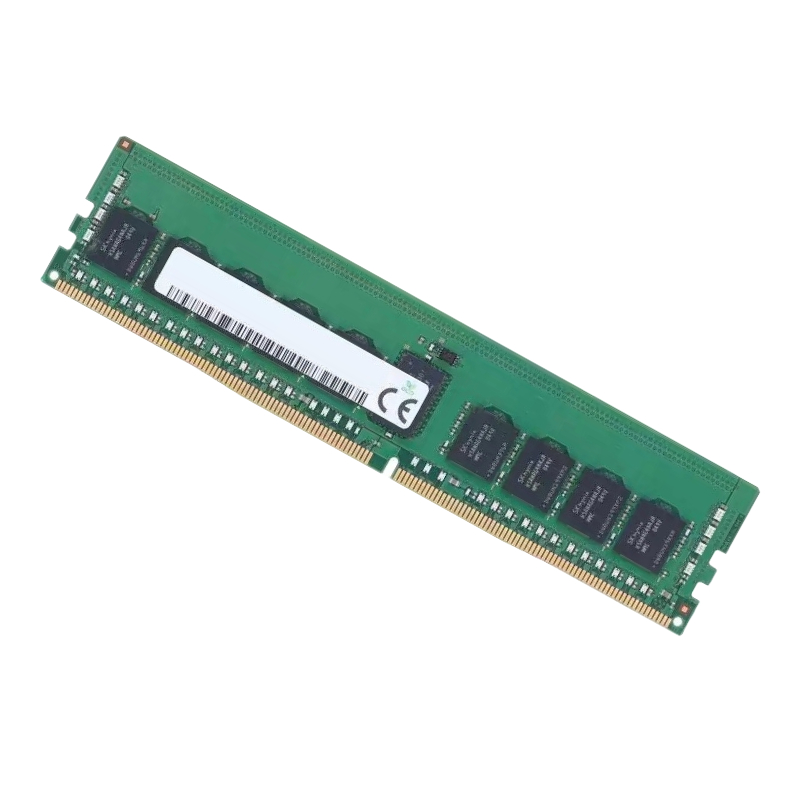


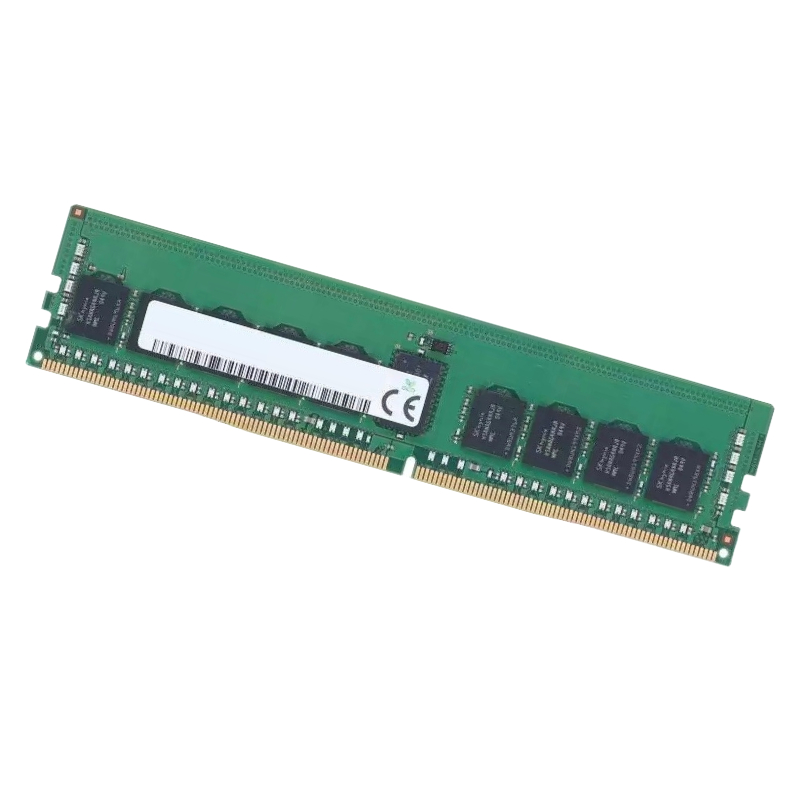
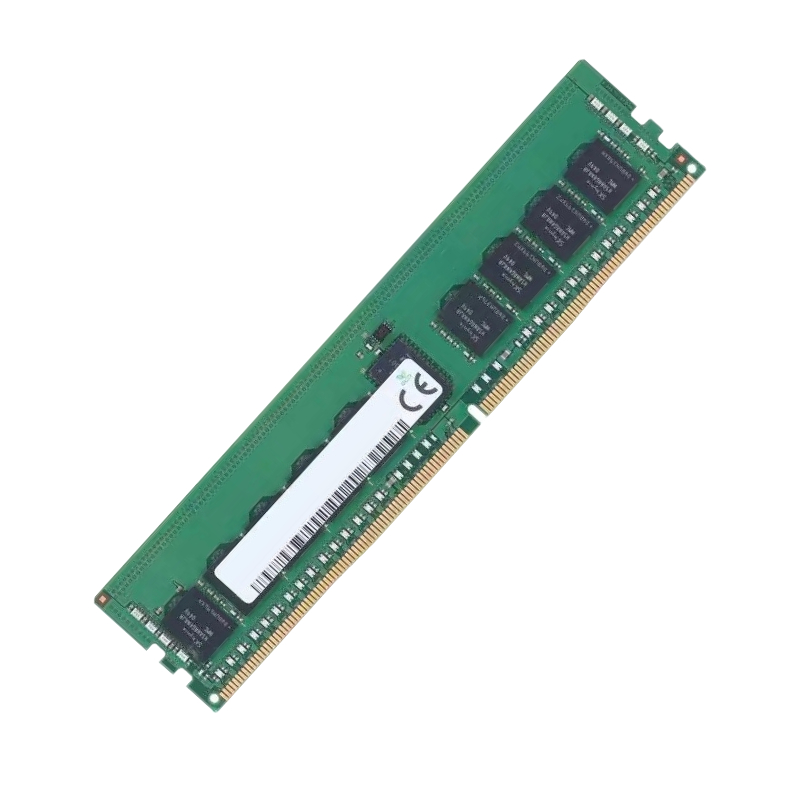
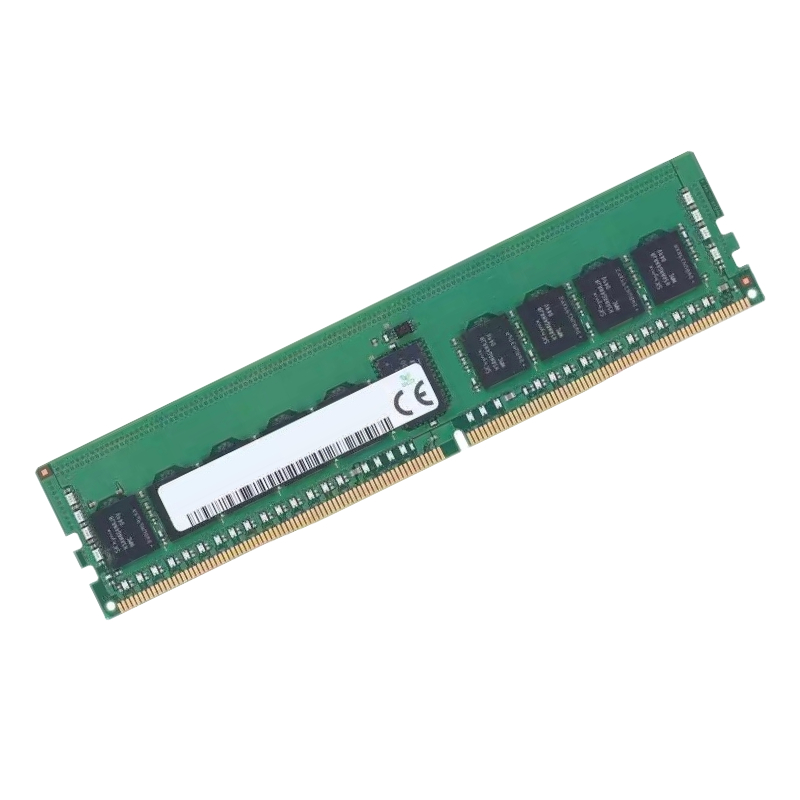
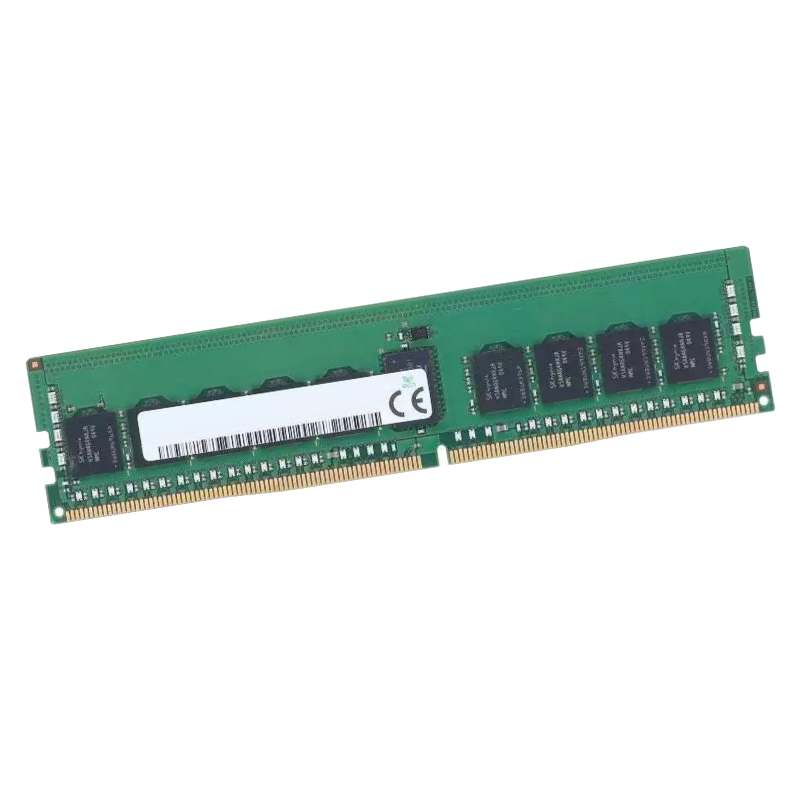
HPE 887452-181 16GB PC4-19200 DDR4-2400Mhz SDRAM CL17 ECC Reg 288-Pin Memory. New (System) Pull with 1 year replacement warranty
The HPE 887452-181 16GB PC4-19200 DDR4-2400MHz SDRAM CL17 ECC Registered 288-pin memory modules represent a focused category designed for enterprise server environments and mission-critical systems where stability, error-correction, and density-per-module matter. These modules sit in a class defined by ECC (Error-Correcting Code) capability and Registered (RDIMM) buffering, engineered specifically to address the stringent reliability and scalability demands of HPE ProLiant servers and other compatible server platforms. The naming convention encapsulates the essential attributes: 16GB capacity, PC4-19200 specification indicating theoretical bandwidth tied to DDR4-2400 data rate, CAS Latency 17, and the 288-pin physical interface that conforms to standard DDR4 server DIMM mechanical design.
Understanding the technical identifiers in the HPE 887452-181 category is essential for correct selection and deployment. PC4-19200 references the module’s peak transfer rate and maps to DDR4-2400 signaling, which yields a memory channel throughput suitable for contemporary multi-core server CPUs. CAS Latency 17 (CL17) describes the number of clock cycles between a read command and the moment data is available; combined with the 2400 MHz clock rate, this latency balances latency-sensitive operations and throughput. ECC functionality provides on-the-fly single-bit error correction and multi-bit error detection, reducing the risk of data corruption in volatile memory. Registered modules contain a register between the DRAM chips and the memory controller that buffers command and address signals; this improves signal integrity and enables higher module counts per channel, which is vital when large memory pools are required.
Within the broader landscape of DDR4 memory, Registered DIMMs (RDIMMs) are positioned as the enterprise-grade option. Unlike Unbuffered DIMMs (UDIMMs), RDIMMs include a register that helps stabilize electrical loads presented by many DIMMs on a single channel. The presence of ECC on these HPE modules enhances fault tolerance by correcting single-bit errors and detecting double-bit errors, an essential attribute for databases, virtualization hosts, and compute clusters where even transient memory errors can cascade into application-level failures or silent data corruption. The category emphasizes reliability over consumer-focused attributes such as light gaming optimizations, and the design choices reflect that priority.
Although marketed with HPE part numbers and tested against HPE server platforms, HPE 887452-181 modules are built to JEDEC DDR4 standards; however, compatibility is not purely a function of pin count or JEDEC compliance. Server vendors implement platform-specific BIOS checks, SPD profiles, and firmware-based validation. For picking the right part within this category, system administrators should cross-reference server memory population rules, supported memory speeds, and firmware notes.
For database servers, virtualization hosts, and analytics nodes, the balance of capacity and bandwidth represented by 16GB DDR4-2400 modules is practical. DDR4-2400 offers improved throughput over earlier DDR3 generations while maintaining reasonable latency characteristics at CL17. In virtualization-heavy environments, multiple virtual machines can consume significant aggregate memory; the 16GB module size allows architects to tailor node capacity while preserving the option to expand by adding modules. The presence of ECC means that memory errors that might otherwise manifest as application crashes or silent data corruption are significantly mitigated, preserving uptime for production services. For compute tasks bound by memory bandwidth, pairing these modules with CPU architectures that support multi-channel memory is essential to realize the available throughput.
Virtualization platforms such as VMware ESXi, Microsoft Hyper-V, and KVM-based clouds benefit from the memory density and error-correcting capability of this category. For database servers running OLTP or OLAP workloads, predictable memory behavior is a key enabler of consistent query latency. In high-availability clusters and failover configurations, ECC registered memory reduces the probability of memory-induced node reboots or data integrity incidents that can complicate failover operations.
Within the DDR4 ecosystem, the HPE 887452-181 16GB PC4-19200 RDIMM category compares to higher-speed variants such as DDR4-2666 or DDR4-2933 and to higher-capacity LRDIMMs (Load-Reduced DIMMs). The choice between speeds and module types depends on server CPU memory controller capabilities and the desired balance between latency and capacity. DDR4-2400 modules deliver compatibility with a wide array of server generations where higher-speed JEDEC profiles might not be supported. Load-Reduced DIMMs enable even greater densities by reducing electrical load on the memory controller but introduce different trade-offs in latency and cost. The RDIMM category maintains a middle ground conducive to broad compatibility, predictable latency, and the ability to scale capacity across multiple sockets without specialized memory controllers.
Memory integrity directly affects data security in multi-tenant and compliance-sensitive environments. ECC prevents certain classes of silent data corruption that could otherwise undermine integrity checks, backups, and cryptographic operations. Memory-related faults could lead to nondeterministic behavior in security-critical software, so the category's emphasis on error correction and registered buffering aligns with best practices for secure infrastructure design. When deploying in regulated contexts, documented hardware validation, vendor-provided tamper evidence, and strict inventory control of memory modules are additional measures that complement the technical features of the modules themselves.


 Contact Us
 Information
 Catalog
 Solid State Drives (SSD)
 Network Switches
 Hard Disk Drives
 HBA & Controllers
 PC & Servers
 PC & Server Memory
 CPU & Processors
 Network Routers
 Power Supplies
 Tape Drives & Libraries
 Network Devices
 Computer & Network Cables