(7% discount is applied at checkout)
Cart is empty
Your go-to destination for cutting-edge server products
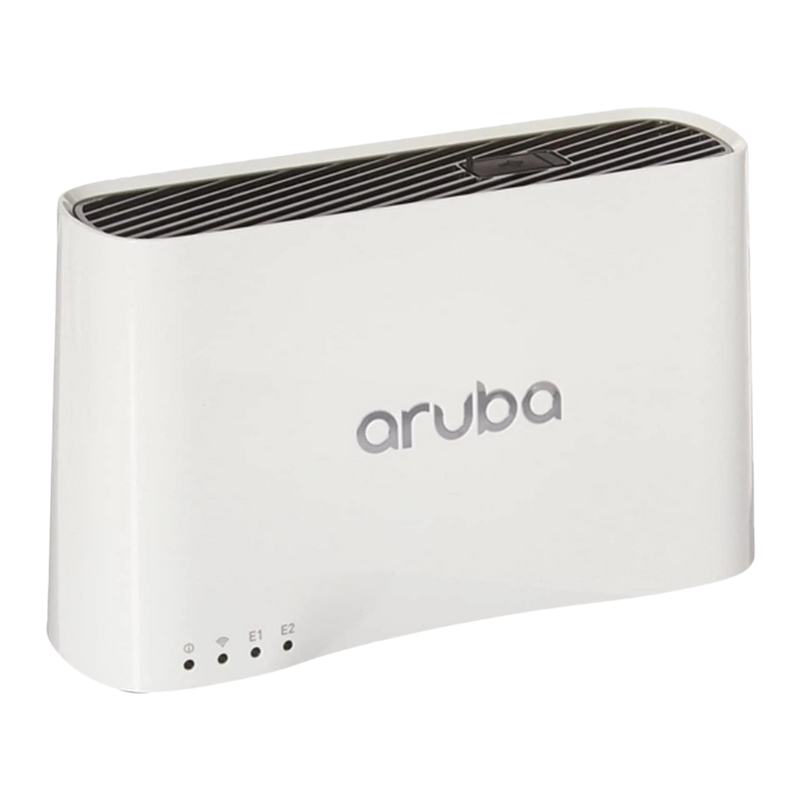


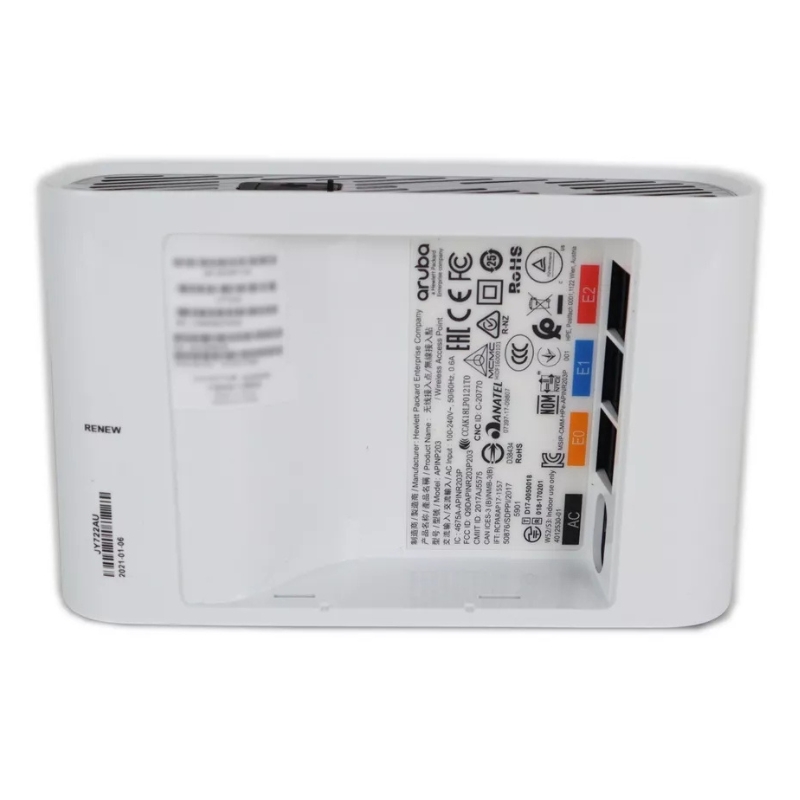
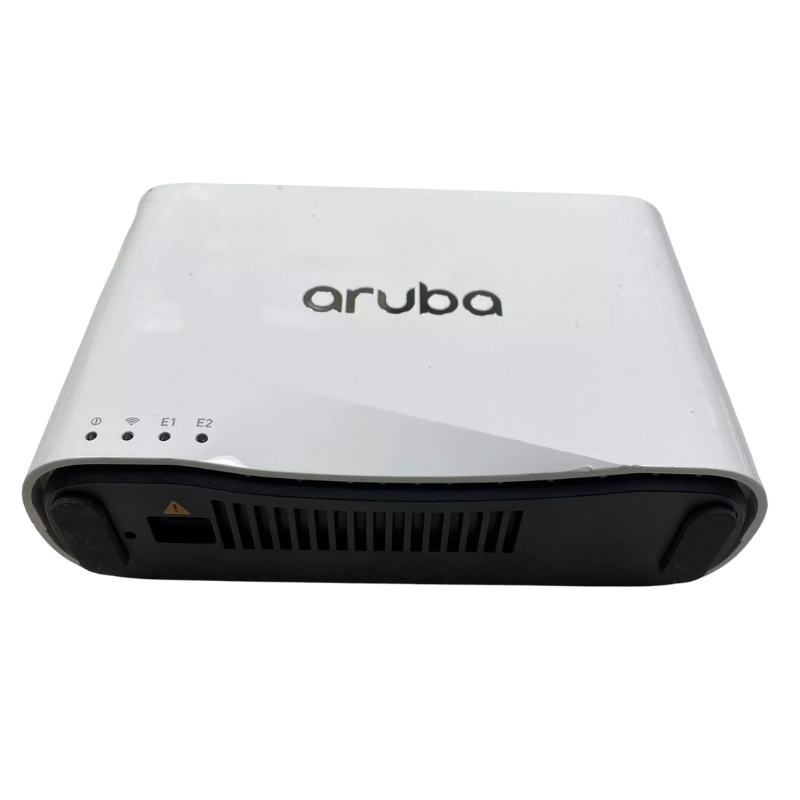
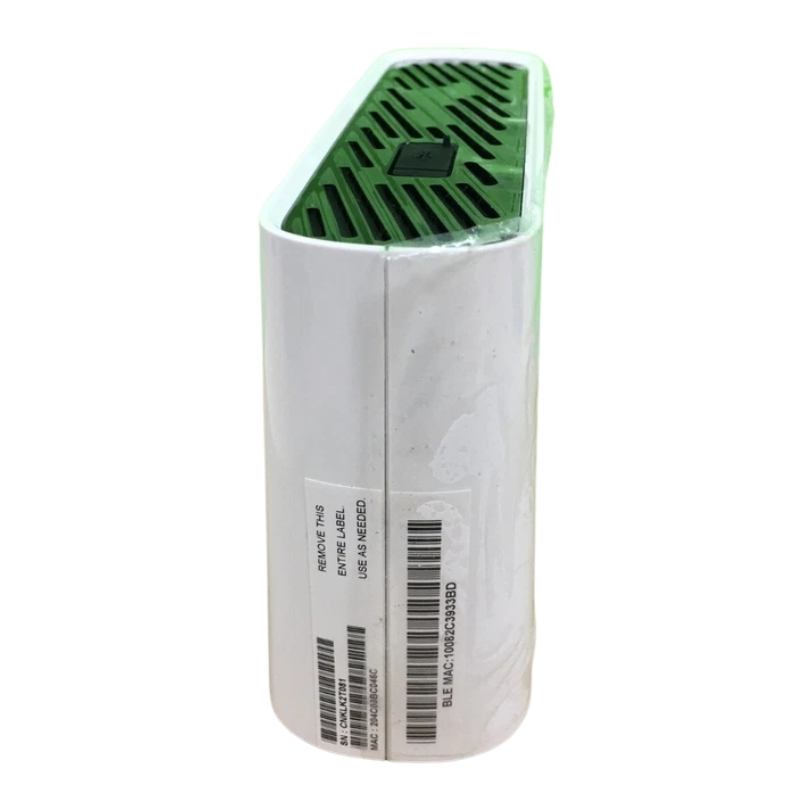
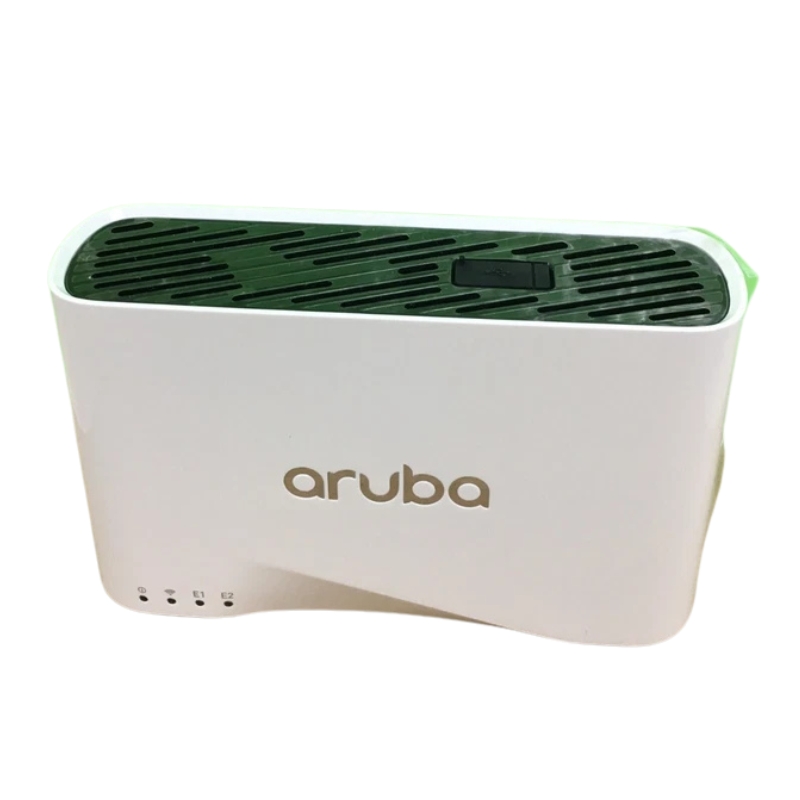
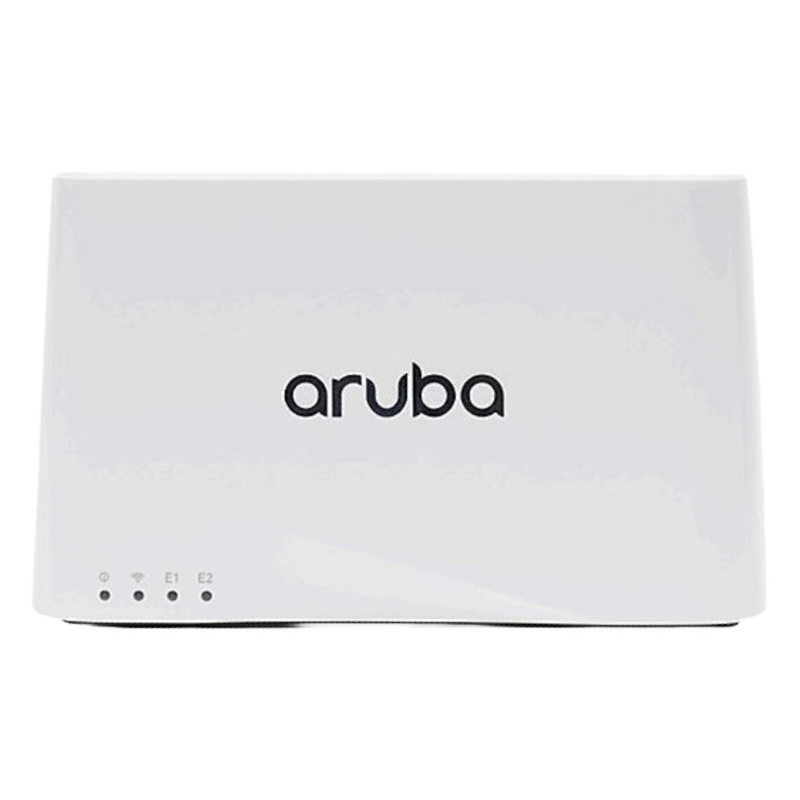
HPE JY722-61001 Aruba Wireless Access Point by AP-203RP. Excellent Refurbished with 1 year replacement warranty
The JY722-61001 HPE Aruba AP-203RP US model is a compact and versatile wireless access point engineered for enterprise-grade connectivity, remote worker deployment, and efficient cloud-managed networking.
The HPE JY722-61001 Aruba Wireless Access Point by AP-203RP belongs to a highly specialized class of enterprise-grade wireless networking devices designed to deliver reliable, scalable, and secure connectivity in modern digital environments. Within the portfolio of and its networking division this access point series represents a segment focused on high-performance WiFi distribution for business-critical operations, campus networks, hospitality environments, education systems, and distributed enterprise branches.
The AP-203RP classification indicates a wireless access point engineered for robust indoor deployment, offering stable throughput, seamless roaming capabilities, and optimized radio frequency management. As part of the Aruba wireless ecosystem, it integrates into centralized management platforms that simplify network control while enhancing security compliance and traffic optimization.
The hardware design of the HPE JY722-61001 AP-203RP emphasizes compactness without compromising enterprise durability. The casing is structured for indoor mounting scenarios such as ceilings, walls, and structured cabling enclosures. The physical design supports thermal efficiency, ensuring consistent operation under continuous workload conditions typically encountered in corporate environments.
The AP-203RP architecture includes integrated dual-radio functionality, enabling simultaneous operation across multiple frequency bands. This dual-band capability enhances network flexibility, allowing legacy device support alongside modern high-speed wireless clients. The radio subsystem is optimized for minimizing interference while maintaining stable throughput in dense deployment environments such as office floors, classrooms, and conference areas.
Advanced signal optimization mechanisms are embedded into the hardware design to ensure consistent coverage. Beamforming techniques help direct wireless signals toward connected devices rather than broadcasting uniformly, which improves efficiency and reduces packet loss in congested environments.
The AP-203RP series is designed to operate under Power over Ethernet configurations, reducing dependency on separate electrical infrastructure. Intelligent power consumption algorithms regulate energy usage based on network load, ensuring optimal performance while minimizing operational costs in large-scale deployments.
The AP-203RP supports both 2.4 GHz and 5 GHz frequency bands, allowing network administrators to balance coverage and performance requirements. The 2.4 GHz band provides extended range and compatibility with older devices, while the 5 GHz band delivers higher throughput and reduced interference for modern applications.
One of the key strengths of Aruba enterprise access points is their ability to manage high-density client environments. The AP-203RP is engineered to support multiple simultaneous connections without degradation in service quality. This makes it suitable for environments such as lecture halls, corporate meeting rooms, and public access zones.
Built-in load balancing mechanisms distribute client connections across available radio resources. This prevents network congestion and ensures consistent performance even when user demand spikes unexpectedly during peak hours.
The AP-203RP enables seamless roaming, allowing connected devices to transition between access points without connection drops. This is particularly important in large enterprise campuses where mobility is essential for productivity.
Security is a core component of the AP-203RP architecture. The system supports multiple authentication frameworks designed to verify user identity before granting network access. This includes enterprise-grade encryption protocols that protect data integrity across wireless transmissions.
All data transmitted through the access point is secured using modern encryption standards. This ensures that sensitive enterprise communications remain protected from interception or unauthorized access, making it suitable for industries such as finance, healthcare, and government operations.
Network administrators can define granular access policies that regulate user permissions based on identity, device type, or location. This ensures that only authorized users can access sensitive segments of the network infrastructure.
The AP-203RP supports integration with intrusion detection systems that monitor abnormal traffic patterns. These systems can identify potential security threats and isolate affected network segments to prevent widespread compromise.
In corporate environments, the AP-203RP provides reliable wireless connectivity for employees, supporting business applications such as cloud computing, VoIP communication, and collaborative tools. Its stability ensures uninterrupted workflow across departments.
Educational institutions benefit from the access point’s ability to support large numbers of simultaneous users. Students and faculty can access digital learning platforms, research databases, and multimedia resources without performance degradation.
Hotels and hospitality venues rely on secure guest WiFi networks to enhance customer experience. The AP-203RP enables segmentation between guest traffic and internal systems, ensuring both convenience and security.
Retail environments use wireless access points to power point-of-sale systems, inventory management tools, and customer engagement platforms. The AP-203RP ensures consistent connectivity across sales floors and back-end operations.
The Aruba ecosystem provides centralized cloud management tools that allow administrators to monitor and configure multiple access points remotely. This reduces operational complexity and improves scalability for distributed networks.
For organizations that require local control, the AP-203RP can be integrated into on-premises network controllers. This enables tighter control over network policies and internal infrastructure governance.
Administrators can access real-time analytics that display network performance metrics, user activity, and bandwidth consumption patterns. This allows proactive troubleshooting and optimization.
The system supports automated updates that ensure all access points remain current with security patches and performance enhancements. This reduces administrative workload and enhances system reliability.
The AP-203RP is designed to operate as part of a larger mesh or structured wireless network. Multiple access points can be deployed across a facility to extend coverage seamlessly without requiring extensive reconfiguration.
Deployment flexibility allows organizations to implement star, mesh, or hybrid network architectures depending on physical layout and performance requirements. This adaptability is essential for evolving enterprise needs.
As organizations grow, additional access points can be added to the network without disrupting existing infrastructure. The system dynamically adjusts to maintain balanced traffic distribution.


 Contact Us
 Information
 Catalog
 Solid State Drives (SSD)
 Network Switches
 Hard Disk Drives
 HBA & Controllers
 PC & Servers
 PC & Server Memory
 CPU & Processors
 Network Routers
 Power Supplies
 Tape Drives & Libraries
 Network Devices
 Computer & Network Cables