(7% discount is applied at checkout)
Cart is empty
Your go-to destination for cutting-edge server products
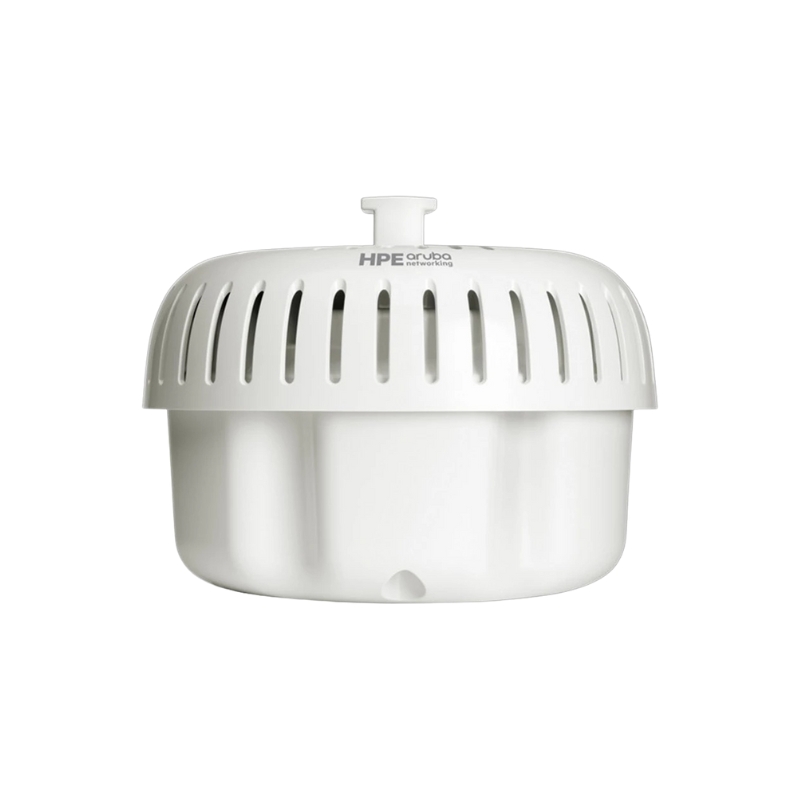


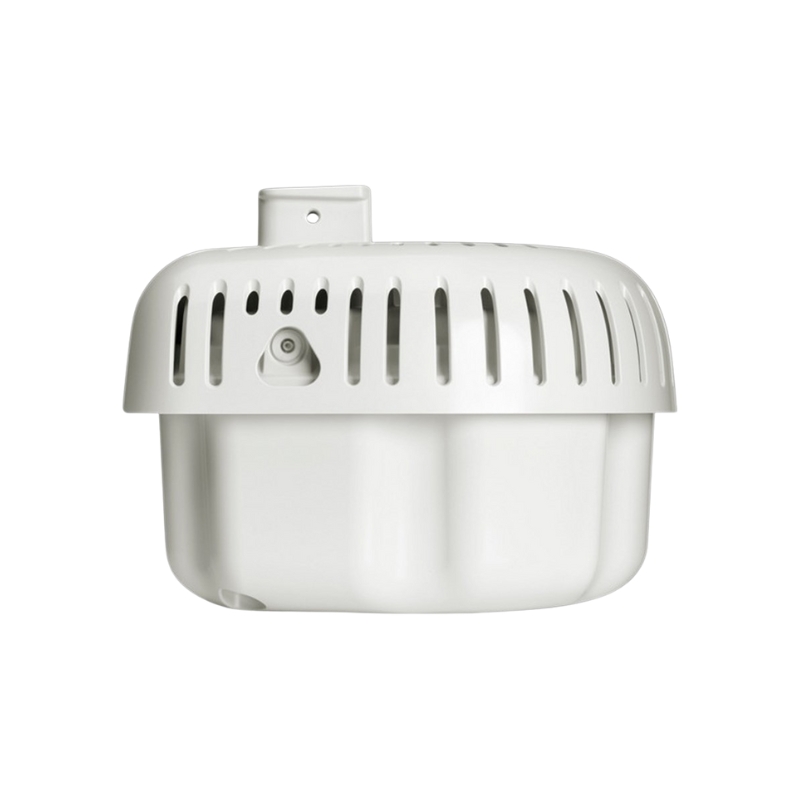
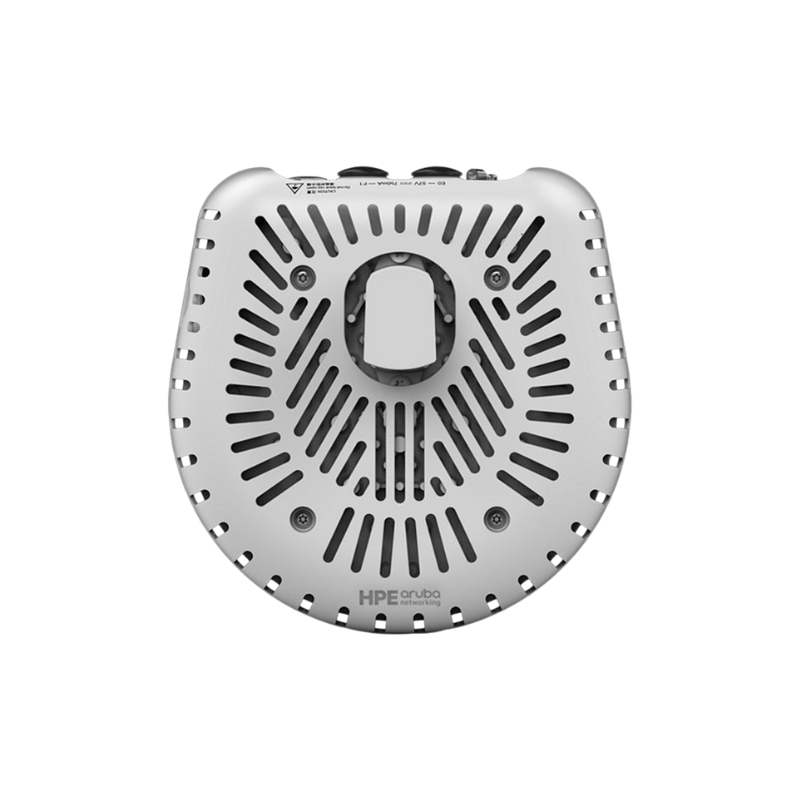
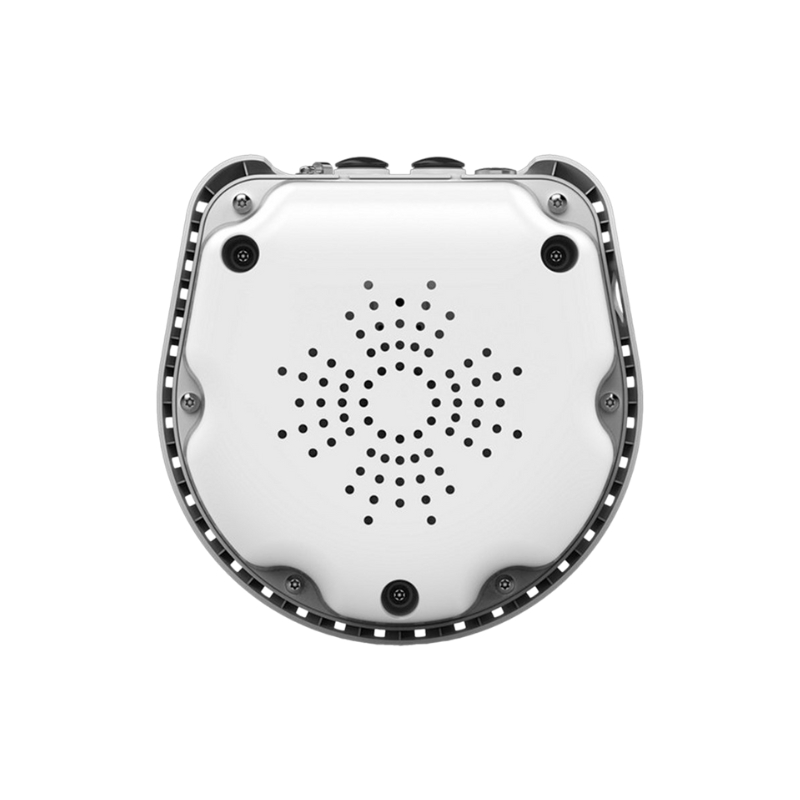
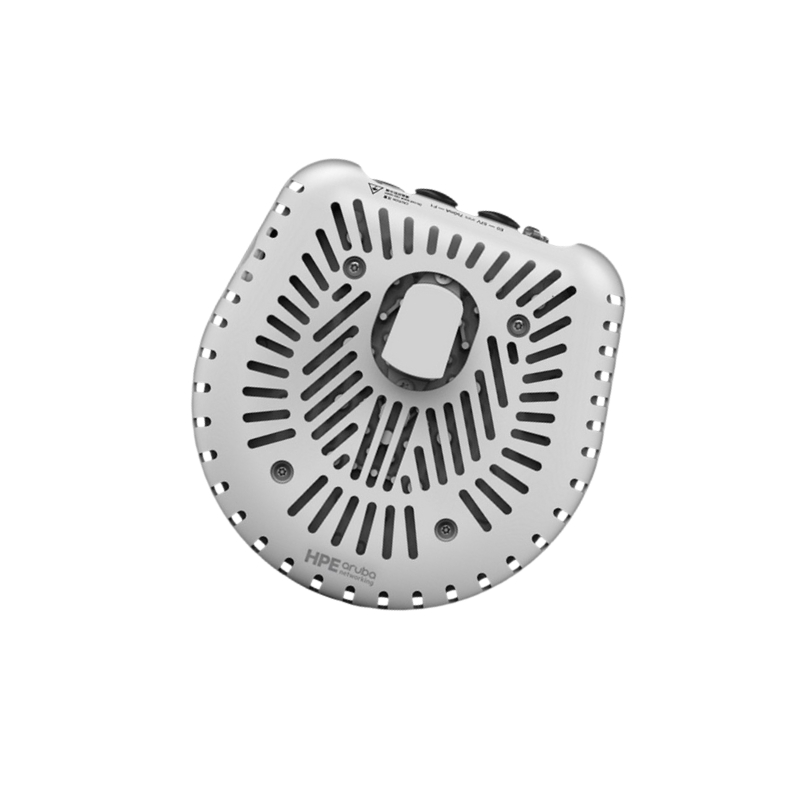
HPE AP-574-US Aruba Networking 802.11ax 2x2/4x4 Dual Radio Wireless AP Connectorized Outdoor. Excellent Refurbished with 1 year replacement warranty
The HPE Aruba Networking AP-574-US is a high-performance outdoor wireless access point engineered with Wi-Fi 6 (802.11ax) technology, delivering robust connectivity, expanded capacity, and superior efficiency for demanding enterprise environments. Designed for outdoor deployment, it ensures stable and secure wireless coverage even in harsh environmental conditions while supporting advanced multi-user performance and flexible antenna configuration.
The HPE AP-574-US Aruba Networking 802.11ax 2x2/4x4 Dual Radio Wireless Access Point Connectorized Outdoor represents a high performance wireless networking category designed for demanding outdoor environments where reliability, scalability, and advanced connectivity are essential. This category encompasses ruggedized wireless infrastructure solutions engineered to support next generation WiFi 6 capabilities, extended coverage zones, and high density device connectivity scenarios. It is widely used in enterprise campuses, industrial environments, transportation hubs, public venues, and smart city deployments where stable outdoor wireless coverage is a critical operational requirement.
Outdoor wireless infrastructure systems within this category are specifically designed to overcome challenges that are not typically present in indoor deployments. These challenges include exposure to weather conditions, interference from large open environments, extended signal propagation distances, and the need for secure, high capacity communication channels. The Aruba Networking AP-574-US model falls into a class of access points that are engineered with rugged enclosures, advanced radio technology, and optimized antenna support to ensure continuous performance in harsh external conditions.
The category focuses on delivering consistent wireless performance in environments such as stadiums, university campuses, industrial parks, logistics yards, and transportation terminals. These environments require equipment that can sustain high throughput while maintaining low latency and stable connections across large geographic areas.
A defining characteristic of this category is the integration of IEEE 802.11ax technology, commonly known as WiFi 6. This generation of wireless communication introduces improvements in efficiency, capacity, and performance in high density environments. The AP-574-US leverages dual radio architecture combined with 2x2 and 4x4 MIMO capabilities to enhance data transmission rates and improve user experience even under heavy network loads.
WiFi 6 enables better spectrum utilization, allowing multiple devices to communicate simultaneously without significant performance degradation. This is particularly important in outdoor deployments where multiple clients such as mobile devices, IoT sensors, surveillance systems, and industrial equipment may operate concurrently.
The dual radio system in this category allows simultaneous operation across different frequency bands, typically 2.4 GHz and 5 GHz. This architecture improves network flexibility and ensures that devices can be dynamically assigned to the most suitable band based on traffic demand and environmental conditions.
The 2x2 and 4x4 MIMO configuration enhances spatial stream transmission, allowing multiple data streams to be sent and received simultaneously. This results in higher aggregate throughput and improved signal reliability in environments with physical obstructions or radio interference.
A key feature of this category is the connectorized design, which allows the use of external antennas to customize coverage patterns according to deployment requirements. Unlike internal antenna systems, connectorized access points provide flexibility in shaping wireless coverage zones for targeted applications.
This design is particularly beneficial in outdoor environments where directional coverage is required, such as long corridors, open fields, or perimeter surveillance areas. External antennas can be selected and configured to optimize signal strength, reduce interference, and extend wireless reach.
Outdoor access points in this category are built with rugged housings designed to withstand extreme environmental conditions. These include exposure to rain, dust, wind, temperature fluctuations, and humidity. The AP-574-US model is engineered with industrial grade materials that protect internal electronic components from environmental stress.
Such durability ensures uninterrupted operation in critical environments such as transportation hubs, oil and gas facilities, manufacturing zones, and public outdoor venues where system downtime can significantly impact operations.
One of the primary advantages of this category is its ability to support high density device environments. With the increasing adoption of smart devices, IoT systems, and mobile applications, outdoor networks must handle large numbers of simultaneous connections without degradation in performance.
The AP-574-US utilizes advanced scheduling, traffic prioritization, and channel management techniques to ensure efficient distribution of network resources. This allows multiple users and devices to maintain stable connectivity even during peak usage periods.
Within enterprise environments, this category plays a critical role in extending wireless connectivity beyond indoor spaces. Large campuses, corporate parks, and educational institutions require seamless roaming capabilities between indoor and outdoor networks.
The AP-574-US integrates with centralized network management systems, allowing administrators to monitor performance, configure settings, and optimize coverage across large scale deployments. This ensures consistent connectivity for users moving across different zones within a campus environment.
In industrial environments, wireless connectivity is essential for supporting automation systems, monitoring equipment, and enabling real time data transmission. The AP-574-US category supports these requirements by providing stable, low latency communication channels that can operate in challenging conditions.
Smart infrastructure deployments such as smart cities also benefit from this category. Applications include traffic monitoring systems, environmental sensors, public safety communications, and connected lighting systems. The robust design and flexible configuration options make it suitable for diverse urban technology ecosystems.
Security is a fundamental aspect of this category. Outdoor wireless systems are often exposed to a wider range of potential security threats due to their public accessibility. The AP-574-US incorporates advanced encryption protocols, authentication mechanisms, and access control features to ensure secure communication.
Network administrators can implement role based access policies, device authentication rules, and traffic segmentation strategies to maintain secure and controlled network environments. These features are essential for protecting sensitive data and preventing unauthorized access.
Scalability is a defining requirement for modern wireless infrastructure categories. The AP-574-US is designed to integrate seamlessly into large scale network architectures where multiple access points are deployed across wide geographic areas.
Centralized management platforms allow administrators to configure, monitor, and optimize all connected devices from a single interface. This reduces operational complexity and ensures consistent configuration across the entire network infrastructure.
Energy efficiency is an important consideration in large scale outdoor deployments. This category incorporates power optimization techniques that reduce energy consumption without compromising performance. Power over Ethernet support allows simplified installation and reduces the need for additional power infrastructure.
Sustainable deployment strategies benefit from reduced operational costs and improved energy management, making this category suitable for long term enterprise and municipal projects.
Seamless roaming is a critical feature for users who move between different coverage zones. This category ensures that devices maintain uninterrupted connectivity while transitioning between access points.
Advanced mobility management protocols allow users to experience consistent performance without manual reconnection or service interruption. This is essential in environments where mobility is constant and uninterrupted communication is required.
The AP-574-US category is designed to integrate with modern network ecosystems that include cloud based management systems, AI driven analytics platforms, and automated optimization tools. This enables organizations to gain deeper insights into network performance and user behavior.
Such integration enhances decision making capabilities and allows for proactive network optimization based on real time data analysis.
Deployment flexibility is a key strength of this category. The connectorized design allows for a wide range of installation scenarios depending on coverage requirements. Whether mounted on poles, walls, or specialized infrastructure, the system can be adapted to suit environmental conditions and coverage goals.


 Contact Us
 Information
 Catalog
 Solid State Drives (SSD)
 Network Switches
 Hard Disk Drives
 HBA & Controllers
 PC & Servers
 PC & Server Memory
 CPU & Processors
 Network Routers
 Power Supplies
 Tape Drives & Libraries
 Network Devices
 Computer & Network Cables