(7% discount is applied at checkout)
Cart is empty
Your go-to destination for cutting-edge server products
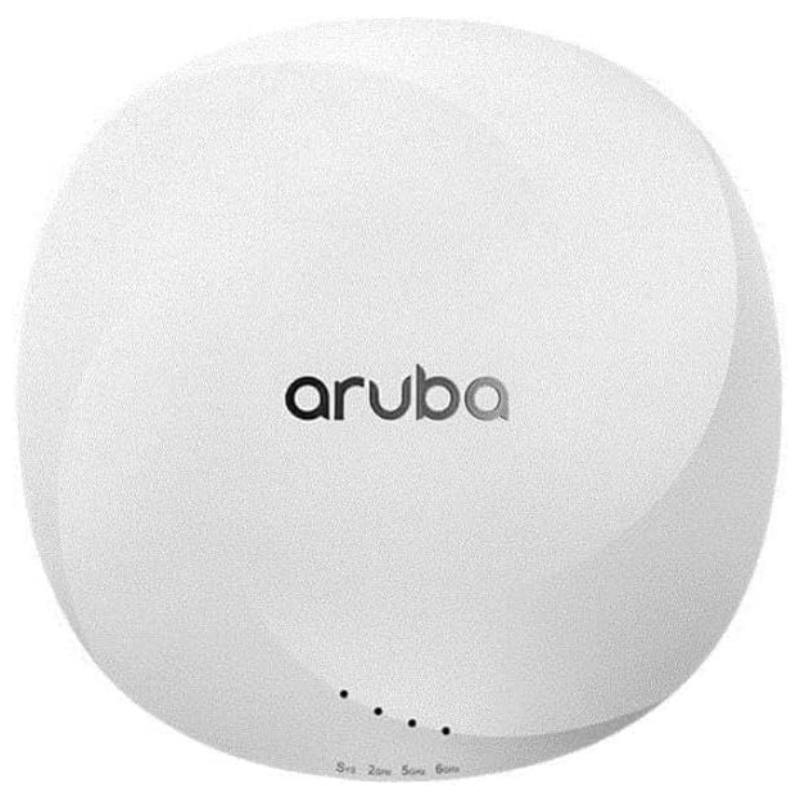


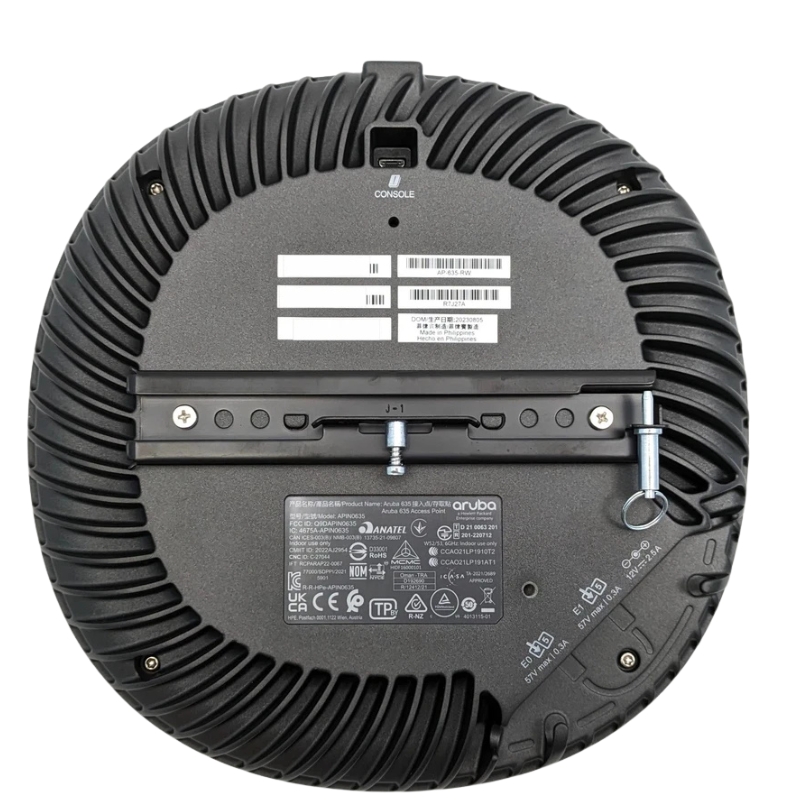
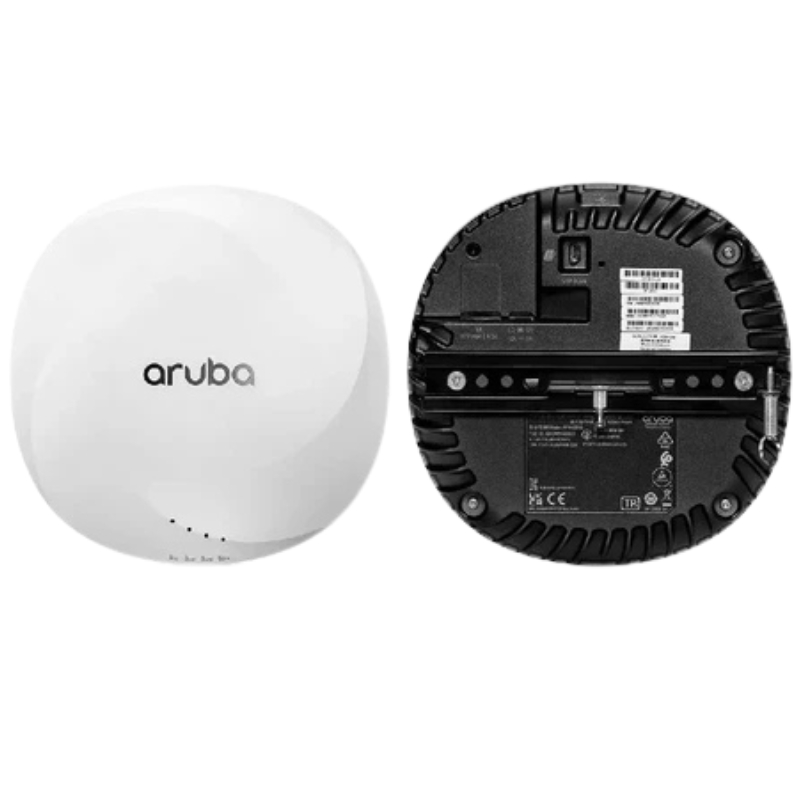
HPE AP-655-US Aruba Networking Tri Radio 4x4 802.11ax Wi-fi 6e Internal Antennas Campus Ap. Factory-Sealed New in Original Box (FSB) with 3 Years Warranty
The HPE AP-655-US Aruba Networking tri-radio access point is designed to deliver exceptional wireless performance for modern campus environments. Built with advanced Wi-Fi 6E technology, this device enables ultra-fast connectivity, reduced latency, and improved capacity for dense user environments. Its sleek design with integrated antennas allows for seamless indoor deployment without compromising aesthetics, while its powerful architecture ensures reliable and secure networking for enterprise-level applications.
The HPE AP-655-US Aruba Networking Tri Radio 4x4 802.11ax Wi-Fi 6E Internal Antennas Campus Access Point represents a new generation of enterprise-grade wireless infrastructure designed to meet the evolving demands of high-density environments. With the rapid growth of connected devices, cloud applications, and bandwidth-intensive workloads, organizations require reliable, high-performance access points that can deliver consistent connectivity without compromise. This category of networking equipment focuses on delivering exceptional wireless performance, enhanced security, and intelligent traffic management across campus environments such as universities, corporate offices, healthcare facilities, and large public venues.
One of the most defining features of this category is the inclusion of tri-radio architecture. Unlike traditional dual-radio access points, tri-radio systems enable simultaneous operation across multiple frequency bands, including 2.4 GHz, 5 GHz, and the newly introduced 6 GHz spectrum. This allows for better distribution of wireless clients, reduced congestion, and improved overall network performance. The 6 GHz band, in particular, provides additional channels and significantly less interference, making it ideal for high-throughput applications such as video conferencing, virtual collaboration, and real-time data analytics.
Tri-radio access points also enable dynamic radio assignment, which allows network administrators to optimize performance based on real-time conditions. For example, one radio can be dedicated to client access while another can be used for security scanning or wireless intrusion detection. This flexibility ensures that networks remain efficient, secure, and adaptable to changing demands without requiring additional hardware.
This category emphasizes the use of 4x4 multiple-input multiple-output technology, which significantly enhances wireless capacity and reliability. With four transmit and four receive streams, access points can handle more simultaneous connections while maintaining stable performance. This is particularly important in high-density environments where hundreds or even thousands of devices may be connected at the same time.
Advanced beamforming techniques further improve signal strength and coverage by directing wireless signals toward connected devices rather than broadcasting uniformly in all directions. This results in faster data rates, reduced latency, and a more consistent user experience. Whether users are streaming high-definition video, accessing cloud applications, or participating in virtual meetings, the network remains responsive and dependable.
Wi-Fi 6E represents a major advancement in wireless technology, and this category is built around leveraging its full potential. By extending Wi-Fi 6 capabilities into the 6 GHz band, access points can deliver faster speeds, lower latency, and greater capacity. This is especially beneficial for modern applications that require high bandwidth and low response times, such as augmented reality, remote learning, and advanced collaboration tools.
The use of orthogonal frequency division multiple access allows multiple devices to share the same channel efficiently, reducing delays and improving overall network performance. Target wake time technology helps conserve battery life for connected devices by scheduling communication intervals, making it ideal for Internet of Things deployments. These features collectively ensure that networks remain efficient, scalable, and ready for future technological advancements.
Internal antennas play a crucial role in the design and functionality of access points within this category. By integrating antennas directly into the device, manufacturers can create sleek, compact units that blend seamlessly into various environments. This is particularly important in professional settings where aesthetics and unobtrusive installations are essential.
Despite their compact design, internal antennas are engineered to deliver optimal coverage and performance. Advanced antenna patterns ensure consistent signal distribution, minimizing dead zones and providing reliable connectivity throughout the coverage area. This makes them suitable for a wide range of deployment scenarios, from open office spaces to complex building layouts.
This category is specifically tailored for campus environments, where large-scale deployments and centralized management are critical. Access points are designed to integrate seamlessly with network management platforms, allowing administrators to monitor performance, configure settings, and troubleshoot issues from a single interface. This level of control simplifies network operations and reduces the need for manual intervention.
Scalability is another key aspect, as organizations often need to expand their networks over time. These access points support seamless roaming, ensuring that users can move between coverage areas without experiencing interruptions. This is particularly important in environments such as universities and hospitals, where continuous connectivity is essential.
Energy efficiency is an important consideration for large-scale network deployments. Access points in this category are designed to optimize power consumption without compromising performance. Intelligent power management features adjust energy usage based on network activity, ensuring that resources are used efficiently.
Smart resource allocation further enhances performance by prioritizing critical applications and distributing bandwidth effectively. This ensures that high-priority tasks, such as video conferencing and real-time communication, receive the necessary resources while less critical activities are managed appropriately. The result is a balanced and efficient network that meets the needs of all users.
Flexibility is a key advantage of this category, as access points can be deployed in a variety of configurations to suit different environments. Whether mounted on ceilings, walls, or other surfaces, these devices are designed for easy installation and integration. This versatility allows organizations to optimize coverage and performance based on their specific requirements.
Support for power over Ethernet simplifies installation by eliminating the need for separate power sources. This not only reduces deployment costs but also enhances reliability by centralizing power management. As a result, organizations can deploy robust wireless networks with minimal complexity.
High-demand environments such as conference centers, educational institutions, and healthcare facilities require robust wireless infrastructure that can handle large numbers of users and devices simultaneously. This category is specifically designed to meet these challenges, delivering reliable performance under demanding conditions.
Advanced load-balancing techniques distribute network traffic evenly across access points, preventing congestion and ensuring consistent performance. Quality of service features prioritize critical applications, ensuring that essential services remain uninterrupted. This level of reliability is essential for maintaining productivity and delivering a positive user experience.
Seamless integration with existing network ecosystems is a key consideration for organizations. Access points in this category are designed to work with a wide range of networking solutions, including switches, controllers, and management platforms. This interoperability ensures that organizations can build cohesive and efficient network infrastructures without compatibility issues.
Integration also extends to cloud-based management systems, which provide additional flexibility and scalability. By leveraging cloud technology, organizations can manage their networks remotely, access real-time insights, and implement updates. This approach simplifies network management and enhances overall efficiency.


 Contact Us
 Information
 Catalog
 Solid State Drives (SSD)
 Network Switches
 Hard Disk Drives
 HBA & Controllers
 PC & Servers
 PC & Server Memory
 CPU & Processors
 Network Routers
 Power Supplies
 Tape Drives & Libraries
 Network Devices
 Computer & Network Cables