(7% discount is applied at checkout)
Cart is empty
Your go-to destination for cutting-edge server products
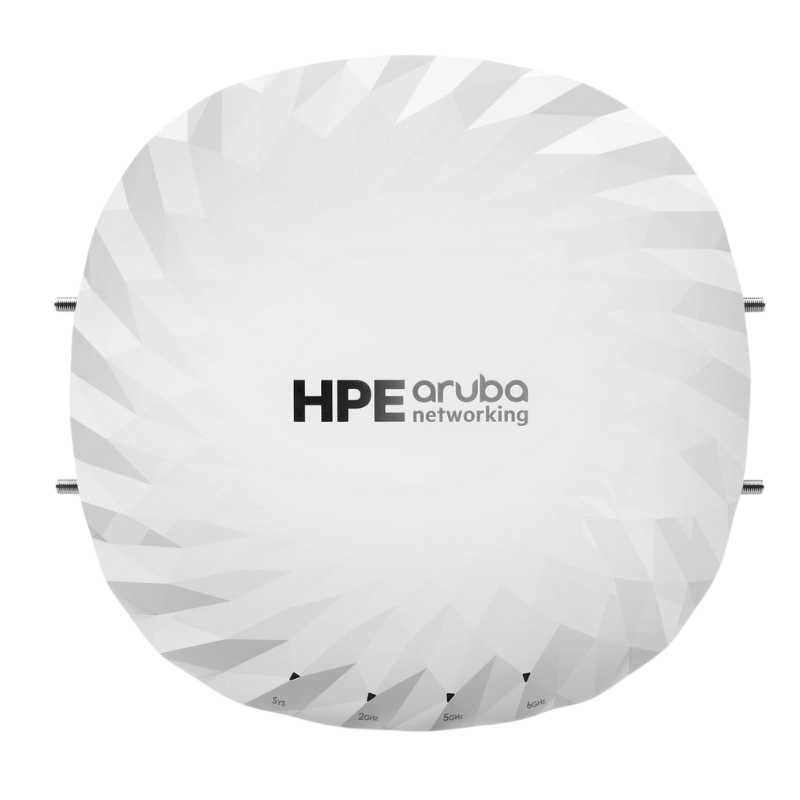


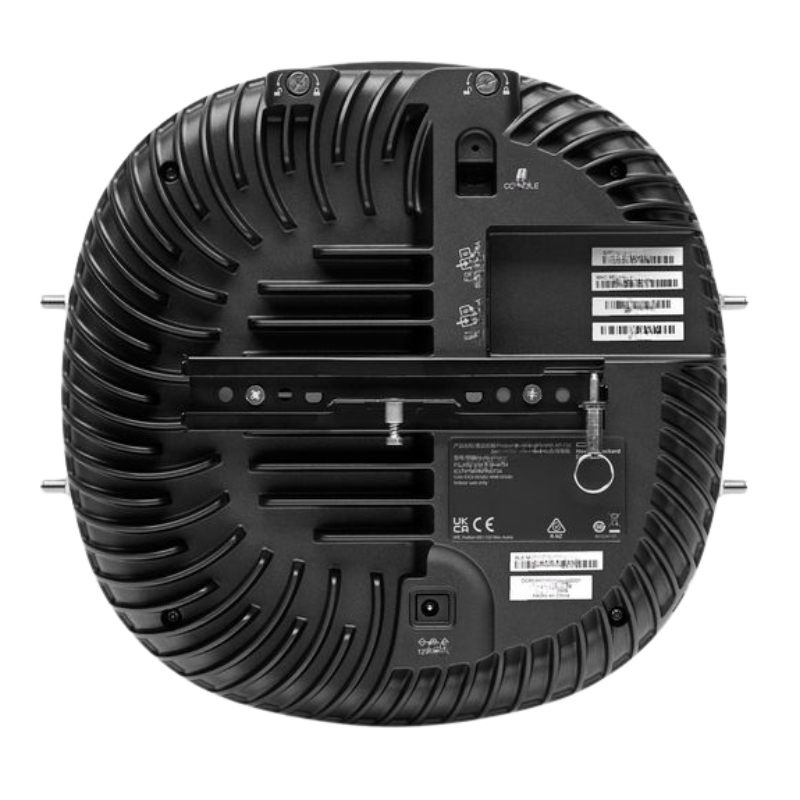
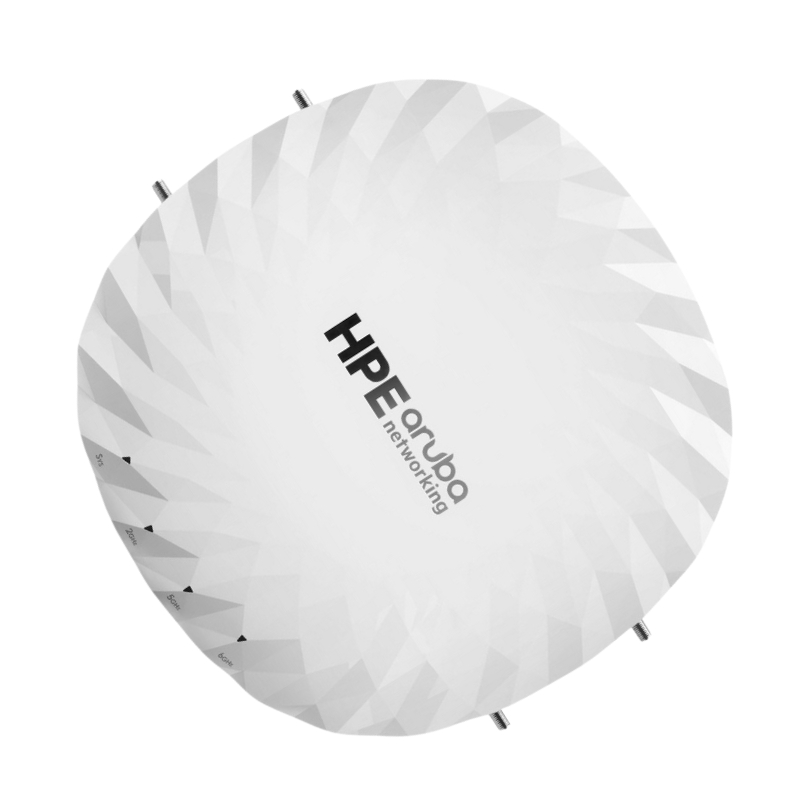
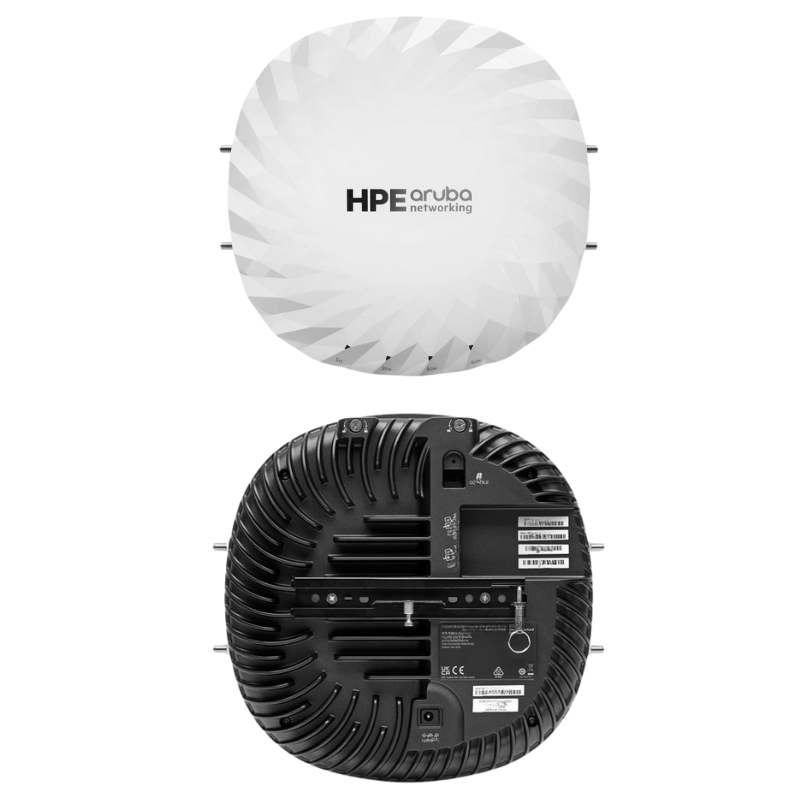
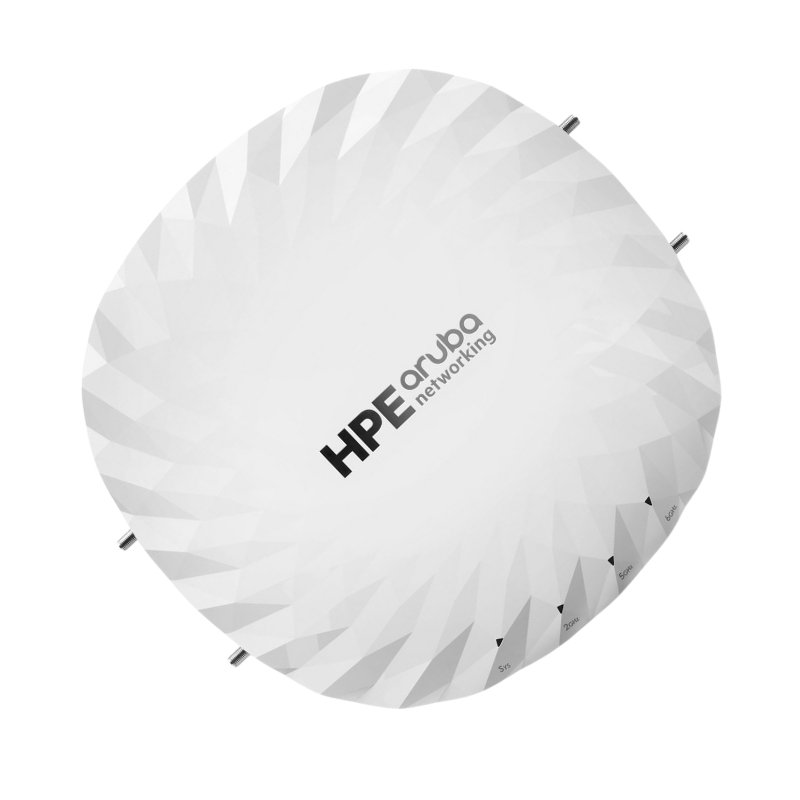
HPE AP-725-US Aruba Tri Radio Wi-fi 7 Campus Internal Antennas Wireless Access Point..Factory-Sealed New in Original Box (FSB) with 3 Years Warranty
HPE AP-725-US Aruba Tri-Radio Wi-Fi 7 campus internal antennas wireless access points represent the next generation of campus Wi-Fi infrastructure designed for high-density environments, mission-critical applications, and future-proof wireless strategies. Engineered around Wi-Fi 7 technologies, tri-radio architecture, and integrated internal antennas, this category of access points brings together exceptional throughput, multi-user performance, and simplified deployment for medium to large campus networks. Ideal for universities, enterprise campuses, healthcare facilities, hospitality properties, and large-scale office complexes, AP-725 series devices deliver scalable capacity, advanced spectrum efficiency, and robust security integrations that IT teams require to support modern digital experiences.
Wi-Fi 7 ushers in multi-gigabit connectivity through wider channel bandwidths, multi-link operation, and enhanced multi-user MIMO capabilities. AP-725 models leverage these advances to maximize channel utilization and minimize latency across congested campus environments. Expect support for wider 320 MHz channels (where regulatory domains permit), efficient use of 2.4 GHz, 5 GHz, and 6 GHz spectrum segments (depending on regional variants), and PHY enhancements that boost raw throughput and responsiveness for high-bandwidth applications such as AR/VR, UHD video streaming, and dense IoT ecosystems.
The tri-radio design separates client access radios from dedicated scanning and sensing radios. This improves client throughput by offloading background tasks like air monitoring, security scanning, and location services to a dedicated radio. Tri-radio APs enable more accurate interference detection, better RF planning outcomes, and continuous network health checks without compromising client capacity. In practical terms, tri-radio Aruba AP-725 units reduce contention, improve airtime fairness, and enable proactive fault detection.
Cutting-Edge Wireless Technology
Harnessing the full potential of the latest Wi-Fi 7 (802.11be) protocol, this device introduces a new echelon of network performance. It is equipped to manage the escalating demands for bandwidth and low-latency applications across diverse operational environments.
A dedicated, flexible radio module is included for seamless Internet of Things integration. This radio can be software-configured to support either Bluetooth Low Energy 5.4 with HADM or 802.15.4/Zigbee protocols, eliminating the need for additional IoT gateways and simplifying infrastructure.
The unit ensures high-speed backhaul connectivity through a single 2.5 Gigabit Ethernet port. For simplified deployment and reduced cabling complexity, it is conveniently powered via Power over Ethernet (PoE), complying with the IEEE 802.3at standard.
Integrated internal antennas provide a clean aesthetic ideal for campus ceilings and wall mounts while simplifying cabling and physical installation. Internal antennas are tuned to provide consistent omnidirectional coverage patterns suitable for open ceiling spaces, corridors, and standard classroom or office layouts. This design minimizes the need for external antenna inventory and accelerates rollouts while maintaining predictable RF performance when paired with professional site surveys and Aruba’s RF planning tools.
Large campus deployments require high client density support, seamless roaming, and centralized management. AP-725 series devices are tailored for lecture halls, student unions, libraries, and dormitories where thousands of devices must be serviced simultaneously. With features like intelligent load balancing, multi-user scheduling, and adaptive spatial reuse, these access points improve student and staff experiences while simplifying lifecycle management for campus IT teams.
Modern offices support collaboration tools, cloud services, and real-time communications. AP-725 access points ensure consistent performance during video conferences, unified communications sessions, and large file transfers. Support for Quality of Service (QoS) prioritization, seamless VLAN segmentation, and integration with Aruba’s network management stack enables secure, reliable connectivity for desktops, laptops, and BYOD devices in high-occupancy meeting spaces and open-plan offices.
Healthcare facilities depend on predictable connectivity for electronic medical records (EMR), telemedicine, medical device telemetry, and location tracking. The AP-725 family supports rigorous security controls, low jitter for voice and telemetry, and precise locationing for asset tracking. Internal antenna designs help ensure hospital ceilings remain uncluttered while providing the RF stability required for life-critical communications.
AP-725 access points are compact, low-profile devices crafted for ceiling and wall mounts. Integrated mounting brackets or compatible mounting kits facilitate rapid installation in typical campus environments. The unobtrusive form factor minimizes visual impact in collaborative and public spaces while satisfying building aesthetics and safety codes.
Support for Power over Ethernet (PoE) simplifies cabling by consolidating power and data onto a single Ethernet run. Many AP-725 variants support IEEE 802.3bt (PoE-up to 90W) or 802.3at (PoE+) as needed to power radios and auxiliary features like USB peripherals or BLE beacons. PoE compatibility reduces installation time and eliminates the need for dedicated power outlets at mounting locations.
Built for indoor campus use, AP-725 APs are designed to operate across typical commercial temperature and humidity ranges. They meet relevant safety and electromagnetic compliance standards for enterprise network equipment. While primarily intended for indoor deployment, AP variants intended for challenging indoor environments may include reinforced components and compliance certifications necessary for regulatory environments.
Aruba AP-725 access points integrate seamlessly with Aruba Central cloud management and Aruba Mobility Controllers for on-premises control. Centralized management enables zero-touch provisioning, centralized policy enforcement, and real-time analytics across the campus fabric. IT teams can orchestrate firmware updates, RF optimization, and security policies from a single pane of glass, significantly reducing operational overhead during large rollouts.
Modern Aruba platforms leverage AI-driven insights to optimize RF performance, client distribution, and capacity planning. AP-725 units feed telemetry data into analytics engines that identify congestion hotspots, recommend channel width changes, and suggest access point density adjustments. These analytics improve user experience while enabling data-driven decisions for incremental infrastructure investments.
Roaming enhancements and client steering improve session persistence for voice and video traffic. AP-725 units support fast roaming protocols and multicast optimizations that are essential for digital signage, campus broadcasting, and collaborative presentations. With optimized multicast handling, administrators can reduce unnecessary airtime consumption while ensuring consistent media delivery across lecture halls and event venues.
Robust security support includes WPA3, enterprise 802.1X authentication, and integration with Aruba ClearPass for policy enforcement and contextual access control. These features protect sensitive campus resources, support segmented guest access, and ensure compliance with institutional security policies. Fine-grained role-based access policies allow IT to define separate experiences for students, staff, guests, and IoT devices.
Tri-radio APs provide continuous spectrum monitoring and rogue device detection without sacrificing client capacity. The dedicated sensing radio detects RF anomalies, unauthorized APs, and potential interference sources, enabling faster incident response and forensic analysis. When paired with Aruba’s security analytics, administrators receive automated alerts and mitigation suggestions for suspicious activity.
Compliance with regional spectrum regulations, privacy rules, and data protection policies is facilitated through centralized configuration options. Administrators can enforce country-specific channel plans, power limits, and logging policies. Aruba’s management stack supports role-based access, audit trails, and secure storage of configuration snapshots for audit and compliance needs.
Wi-Fi 7’s expanded channel widths provide significant throughput advantages when spectrum is available, but effective deployment requires careful spatial reuse planning. AP-725 devices support adaptive channel width selection, BSS coloring, and spatial reuse parameters to reduce co-channel interference and improve overall spectral efficiency in dense deployments. Proper tuning enables campuses to balance peak throughput against predictable and fair airtime distribution.
Advanced client steering algorithms ensure that multi-band capable devices attach to the optimal radio and channel, improving per-client throughput and overall network efficiency. Airtime fairness mechanisms prevent a small number of legacy devices from degrading the experience for modern clients, ensuring equitable access across diverse device populations.
Dynamic load balancing shifts clients across APs to avoid overloaded radios. When combined with radio resource management (RRM), AP-725 deployments adapt power levels, channel selections, and band steering to maintain consistent coverage and capacity as user density fluctuates throughout the day.
Centralized firmware orchestration enables staged rollouts and rollback capability to mitigate risk during updates. Administrators can schedule maintenance windows, apply security patches, and validate firmware integrity across thousands of APs from a unified console, ensuring a secure and compliant campus footprint.
Pre-deployment RF surveys remain essential to maximize the return on investment. Use of Aruba’s planning tools, combined with real-world site surveys, ensures the AP-725 internal antenna pattern aligns with room layouts, ceiling heights, and construction materials. Correct placement and channel planning reduce overprovisioning and room for RF contention issues post-deployment.
Integrated Bluetooth Low Energy (BLE) and sideband location services enable asset tracking, proximity notifications, and contextual services. AP-725 devices act as location anchors for indoor navigation, asset visibility, and occupancy analytics—valuable for campus safety, facilities management, and utilization studies.
AP-725 access points support guest onboarding flows, device classification, and dynamic VLAN assignment to segment traffic based on user role and device type. Integration with identity services and Aruba’s policy engines ensures consistent, policy-based access controls across wired and wireless fabric.
Choose AP-725 class APs when you require multi-gigabit throughput, support for highly mobile and dense client populations, and advanced monitoring without sacrificing operational simplicity. They are particularly valuable when your campus anticipates rapid growth in connected devices, plans to adopt low-latency applications like AR/VR, or needs robust locationing and security capabilities.
While tri-radio Wi-Fi 7 APs provide superior capability, identify density requirements and room-level use cases to avoid unnecessary overprovisioning. In spaces with low concurrency or limited mobility, cost-optimized AP models may be appropriate; however, for common areas, auditoriums, and labs, the AP-725’s investment often pays back through reduced complaints, higher throughput, and simplified future scale.
Align content with buyer intent by creating sections for comparisons, deployment guides, and FAQs targeted at network architects, IT managers, and purchasing teams. Provide downloadable spec sheets, warranty summaries, and links to site-survey checklists to capture mid-funnel interest and qualified leads.
Multi-gigabit PoE switches and fiber uplinks are recommended complements to realize the full capacity of Wi-Fi 7 APs. Look for switch models that support 2.5G/5G/10G ports, power budgets compatible with 802.3bt, and stackable features for redundancy.
Ceiling and wall mounting kits, flush mounts, and decorative covers help integrate APs into campus architecture. Choose kits that offer tamper resistance and compatible mounting standards to streamline maintenance.
Aruba Central, ClearPass, and Advance Security subscriptions enable centralized orchestration, threat detection, and policy enforcement. Bundling hardware purchases with management licenses simplifies procurement and provides a unified lifecycle management experience.
Adopt a phased migration that prioritizes high-concurrency locations first. Pilot deployments in lecture halls or student hubs reveal RF behaviors and help calibrate density planning for subsequent phases. Phased rollouts reduce risk and allow incremental budget allocation.
Wi-Fi 7 APs interoperate with legacy client devices while offering advanced features to capable devices. Use band steering, client steering, and QoS policies to manage mixed-device environments and gradually migrate critical user groups as upgraded clients become available.
Measure ROI through key performance indicators such as reduced helpdesk tickets, improved throughput in high-traffic areas, better application performance for collaboration tools, and enhanced student or staff satisfaction scores. Analytics from Aruba Central provide measurable telemetry to assess performance gains over time.
Include high-quality product images with descriptive alt text, annotated diagrams of antenna patterns, and downloadable PDFs. Provide captions and transcripts for video content and ensure color contrast and font sizes meet accessibility guidelines for campus stakeholders with diverse needs.


 Contact Us
 Information
 Catalog
 Solid State Drives (SSD)
 Network Switches
 Hard Disk Drives
 HBA & Controllers
 PC & Servers
 PC & Server Memory
 CPU & Processors
 Network Routers
 Power Supplies
 Tape Drives & Libraries
 Network Devices
 Computer & Network Cables