(7% discount is applied at checkout)
Cart is empty
Your go-to destination for cutting-edge server products
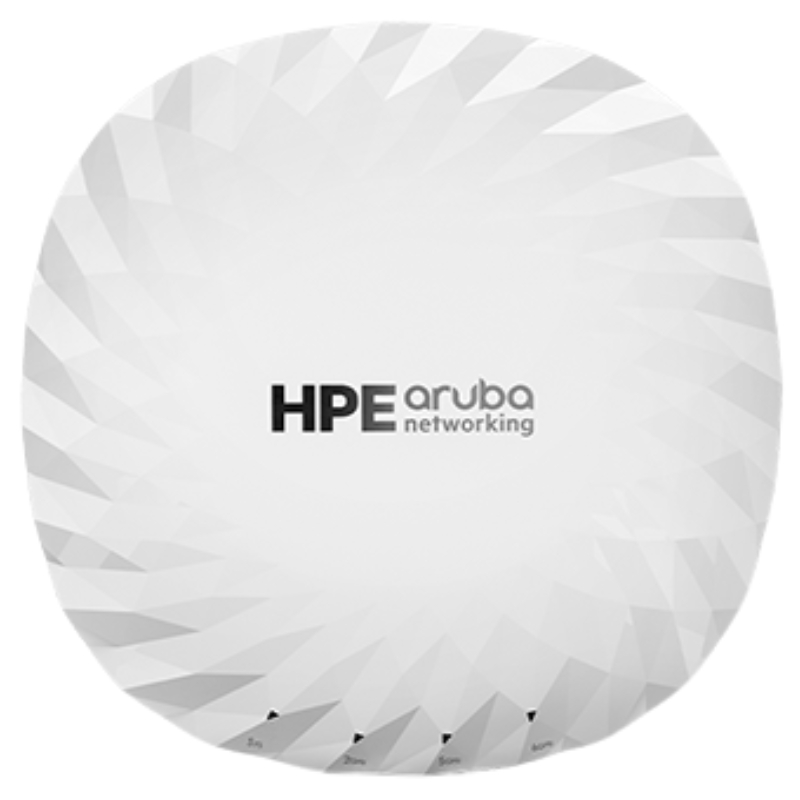


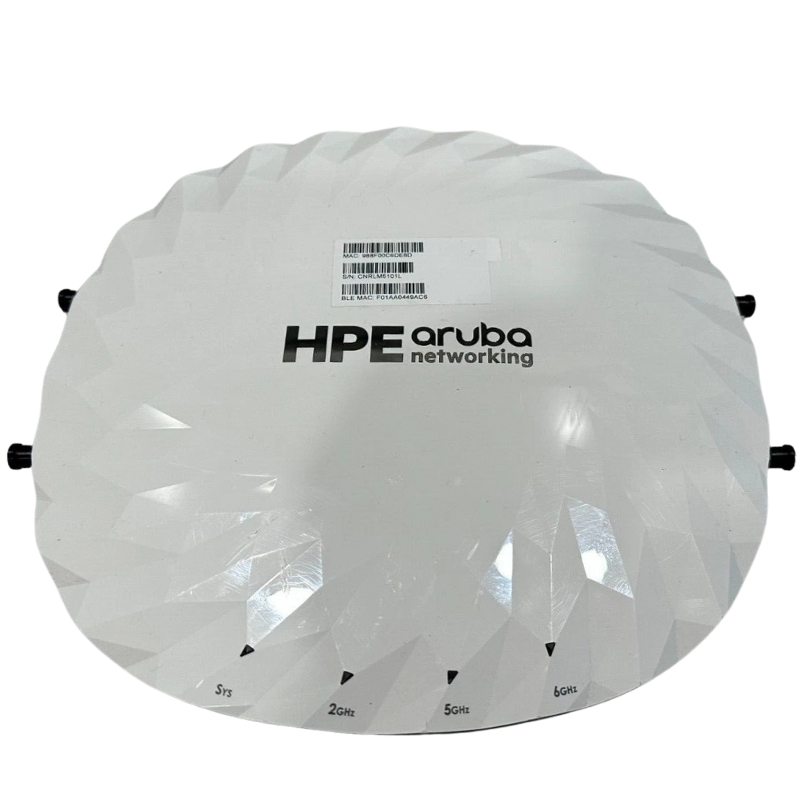
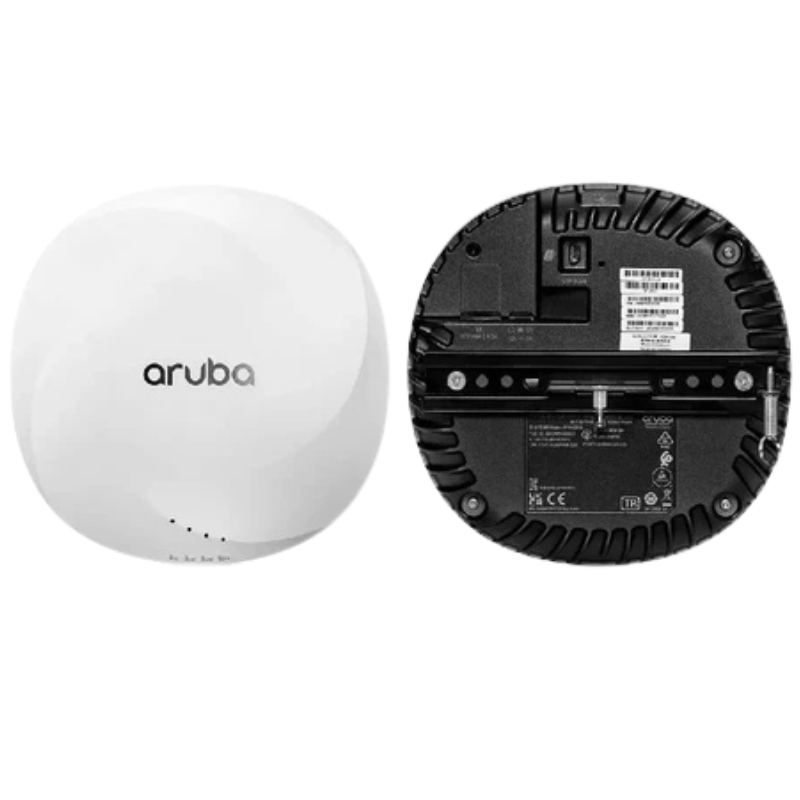
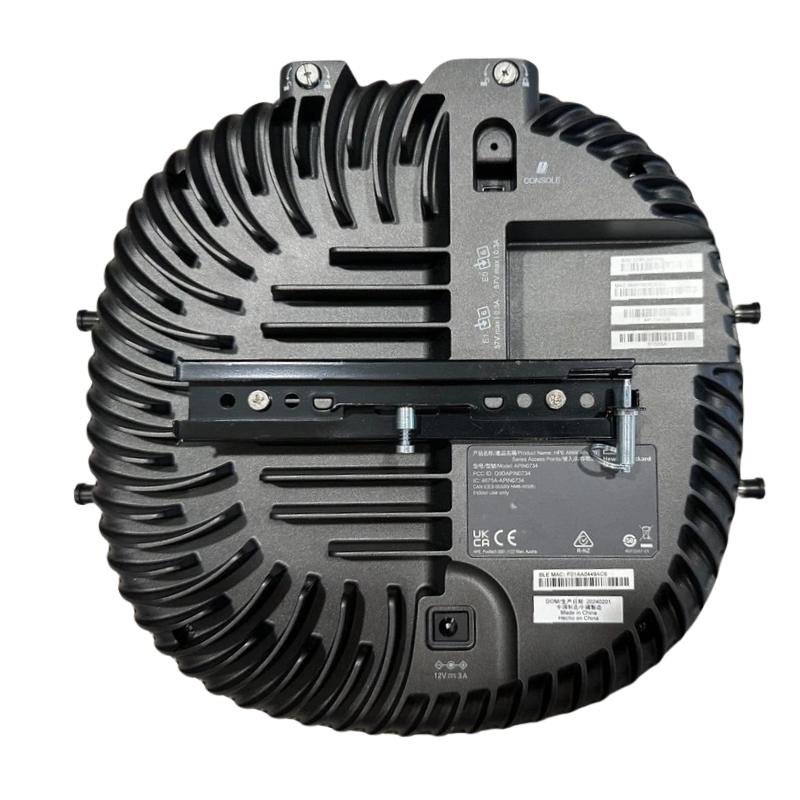
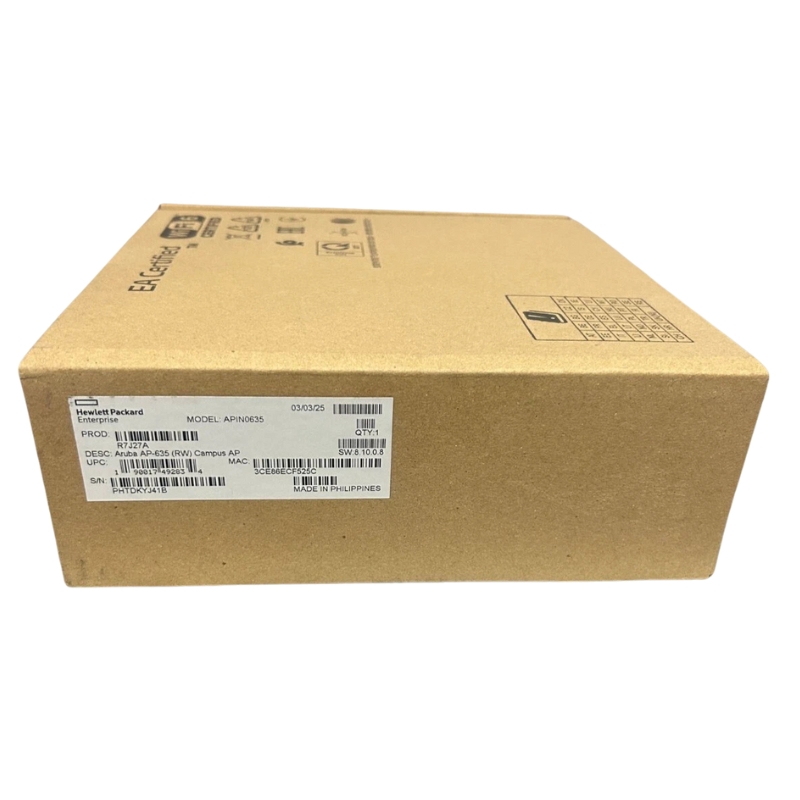
HPE AP-734-US Aruba Networking Tri Radio 2x2 Wi-fi 7 External Antennas Campus Access Point. Factory-Sealed New in Original Box (FSB) with 3 Years Warranty
The HPE AP-734-US Aruba Networking Tri-Radio Wi-Fi 7 Campus Access Point is a next-generation wireless solution designed for high-density enterprise environments. It delivers ultra-fast connectivity, improved spectrum efficiency, and seamless multi-band performance using advanced 802.11be technology. Equipped with external antenna support and intelligent RF optimization, this access point is built to enhance coverage, stability, and scalability in modern campus networks.
The HPE AP-734-US Aruba Networking Tri Radio 2x2 Wi-fi 7 External Antennas Campus Access Point category represents a modern generation of enterprise wireless infrastructure designed for high-performance connectivity across complex and demanding campus environments. This category focuses on advanced wireless access solutions that support next-generation Wi-Fi 7 technology, enabling extremely fast data transfer rates, improved spectral efficiency, and enhanced capacity for dense user environments. The architecture of this class of access points is built to serve organizations that require stable, scalable, and highly responsive wireless connectivity across large physical spaces such as corporate campuses, universities, healthcare institutions, industrial complexes, and smart building ecosystems.
The integration of tri-radio design within this category ensures simultaneous handling of multiple wireless bands, optimizing network performance by distributing client loads intelligently across available radio channels. The inclusion of external antenna support allows network architects to fine-tune signal propagation patterns based on environmental conditions, structural obstacles, and coverage requirements. This flexibility makes the category especially suitable for deployments where internal antennas may not provide sufficient coverage consistency due to architectural complexity or high-density interference zones.
The Wi-Fi 7 standard, also known as IEEE 802.11be, introduces significant improvements in wireless communication efficiency, latency reduction, and throughput capacity. Within this category, the HPE AP-734-US Aruba Networking access point leverages these advancements to support multi-gigabit wireless connectivity across enterprise-grade deployments. The implementation of wider channel bandwidths, enhanced modulation techniques, and improved multi-link operation enables simultaneous communication across multiple frequency bands, reducing congestion and improving responsiveness in mission-critical applications.
Campus environments often require wireless systems capable of supporting thousands of concurrent devices without performance degradation. This category addresses that requirement by optimizing airtime efficiency and enabling intelligent load balancing across radio interfaces. The tri-radio configuration plays a key role in ensuring that network traffic is distributed in a manner that reduces bottlenecks and maintains consistent performance even during peak usage periods.
The tri-radio 2x2 architecture embedded in this category provides three independent radio chains that operate simultaneously to maximize wireless efficiency. Each radio chain is designed to handle specific frequency bands, allowing for seamless segmentation of network traffic based on device capability, application demand, and environmental conditions. This approach significantly reduces interference and ensures more predictable network behavior in high-density deployments.
The 2x2 spatial stream configuration contributes to balanced performance by enabling multiple input multiple output communication patterns that enhance signal reliability and throughput stability. This design is particularly effective in campus environments where diverse device types, ranging from mobile phones to IoT sensors and high-performance computing devices, coexist within the same network ecosystem. The tri-radio structure ensures that each device type receives appropriate bandwidth allocation without overwhelming a single radio channel.
One of the defining characteristics of this category is the use of external antennas, which provides significant flexibility in wireless coverage design. External antennas allow network engineers to customize signal directionality, gain, and propagation range based on deployment requirements. This is especially useful in environments with complex architectural layouts such as multi-floor buildings, large lecture halls, or industrial facilities with metallic obstructions.
By decoupling antenna placement from the access point housing, this category enables more precise RF optimization strategies. Engineers can position antennas in optimal locations to overcome physical barriers, reduce dead zones, and enhance signal penetration through dense structural materials. This flexibility is essential in campus environments where uniform coverage is critical for uninterrupted connectivity across diverse operational zones.
The HPE AP-734-US Aruba Networking category is engineered to support large-scale campus deployments where thousands of simultaneous connections must be managed efficiently. Scalability is achieved through intelligent network orchestration mechanisms that dynamically adjust bandwidth allocation, channel utilization, and client distribution across access points.
High-density environments often suffer from congestion, latency spikes, and inconsistent connectivity. This category addresses such challenges through advanced spectrum management techniques and adaptive radio resource allocation. By continuously monitoring network conditions, the access points within this category can adjust transmission parameters in real time to maintain optimal performance levels.
A major innovation in Wi-Fi 7 technology integrated into this category is multi-link operation, which allows devices to communicate across multiple frequency bands simultaneously. This significantly reduces latency and increases throughput by enabling parallel data transmission streams. The result is a more resilient and responsive wireless experience, particularly in environments where real-time applications such as video conferencing, augmented reality, and cloud-based computing are heavily utilized.
The ability to dynamically switch or aggregate links between different bands ensures that network performance remains stable even under fluctuating traffic conditions. This capability is critical in campus environments where user demand can vary significantly throughout the day depending on academic schedules, corporate workflows, or public events.
Security is a fundamental component of this category, ensuring that enterprise networks remain protected against unauthorized access, data breaches, and wireless threats. The Aruba Networking ecosystem integrates advanced encryption protocols, authentication mechanisms, and intrusion detection systems to safeguard wireless communication channels.
The access points within this category support secure onboarding processes for devices, ensuring that only authenticated endpoints are allowed to connect to the network. This is particularly important in campus environments where large numbers of personal and institutional devices interact with the network infrastructure. Continuous monitoring and anomaly detection further enhance security by identifying unusual traffic patterns and potential threats in real time.
The integration of cloud-based management platforms allows administrators to control and monitor the entire wireless infrastructure from a centralized interface. This capability simplifies deployment, configuration, and ongoing maintenance across large-scale campus environments. Real-time analytics provide insights into network performance, client behavior, and RF conditions, enabling proactive optimization strategies.
Centralized management also enhances operational efficiency by reducing the complexity associated with managing multiple access points across distributed locations. Firmware updates, configuration changes, and security policies can be deployed uniformly across the network, ensuring consistency and reducing administrative overhead.
In educational campuses, wireless networks must support a wide range of applications including online learning platforms, digital collaboration tools, and multimedia content streaming. The AP-734-US category is designed to handle these requirements by providing stable connectivity even during peak usage periods such as class transitions or examination sessions.
In corporate environments, the demand for reliable wireless connectivity extends to video conferencing, cloud application access, and real-time data analytics. The high-density performance capabilities of this category ensure that enterprise workflows remain uninterrupted, even in environments with extensive device saturation.
Modern campuses increasingly rely on Internet of Things ecosystems to enhance operational efficiency, security, and user experience. This category supports seamless integration with IoT devices, enabling connectivity for sensors, smart lighting systems, environmental monitoring tools, and automated building management systems.
The tri-radio architecture ensures that IoT traffic is efficiently segmented from high-bandwidth user traffic, preventing interference and maintaining optimal performance across all connected systems. This separation is critical for maintaining reliability in smart campus infrastructures where continuous data exchange is required for automation and monitoring functions.
Effective RF management is essential in dense wireless environments where multiple access points operate in close proximity. This category incorporates advanced interference mitigation techniques that dynamically adjust channel selection, transmission power, and frequency allocation based on real-time environmental analysis.
By continuously scanning the RF spectrum, the access points can identify sources of interference and adapt their operational parameters accordingly. This ensures consistent connectivity and reduces packet loss, latency fluctuations, and signal degradation in challenging environments.
Power over Ethernet support enables simplified deployment by allowing both power and data transmission through a single cable. This reduces installation complexity and supports flexible placement of access points across campus environments. Energy-efficient design principles ensure that power consumption is optimized without compromising performance.
Deployment planning within this category takes into account coverage density, user distribution, and environmental constraints. Proper placement strategies ensure that wireless signals are evenly distributed, minimizing coverage gaps and maximizing network efficiency.
Seamless roaming is essential in campus environments where users frequently move between different coverage zones. This category ensures smooth transitions between access points without noticeable connection drops or latency spikes. Advanced roaming protocols enable devices to maintain persistent connections even while switching between network nodes.
This capability is particularly important in environments such as hospitals, where uninterrupted connectivity can impact critical operations, or in educational institutions where mobile learning experiences depend on continuous access to digital resources.
This category is adaptable to a wide range of deployment scenarios including educational institutions, corporate headquarters, healthcare facilities, government buildings, and public venues. Each environment presents unique connectivity challenges that require flexible and scalable wireless solutions.
In healthcare environments, reliability and low latency are critical for medical device communication and patient data access. In corporate campuses, high throughput is essential for cloud computing and collaborative workflows. In educational institutions, density management ensures that large numbers of students can access digital learning resources simultaneously without performance degradation.
Intelligent networking capabilities enable the system to learn from usage patterns and optimize performance accordingly. Machine-driven analytics provide insights into user behavior, application demand, and network congestion trends. This allows for proactive optimization of network resources to ensure consistent performance.
Adaptive systems dynamically adjust network parameters in response to changing conditions, ensuring that connectivity remains stable and efficient across all usage scenarios. This intelligence-driven approach is essential for maintaining high-performance wireless infrastructure in modern campus environments.


 Contact Us
 Information
 Catalog
 Solid State Drives (SSD)
 Network Switches
 Hard Disk Drives
 HBA & Controllers
 PC & Servers
 PC & Server Memory
 CPU & Processors
 Network Routers
 Power Supplies
 Tape Drives & Libraries
 Network Devices
 Computer & Network Cables