(7% discount is applied at checkout)
Cart is empty
Your go-to destination for cutting-edge server products
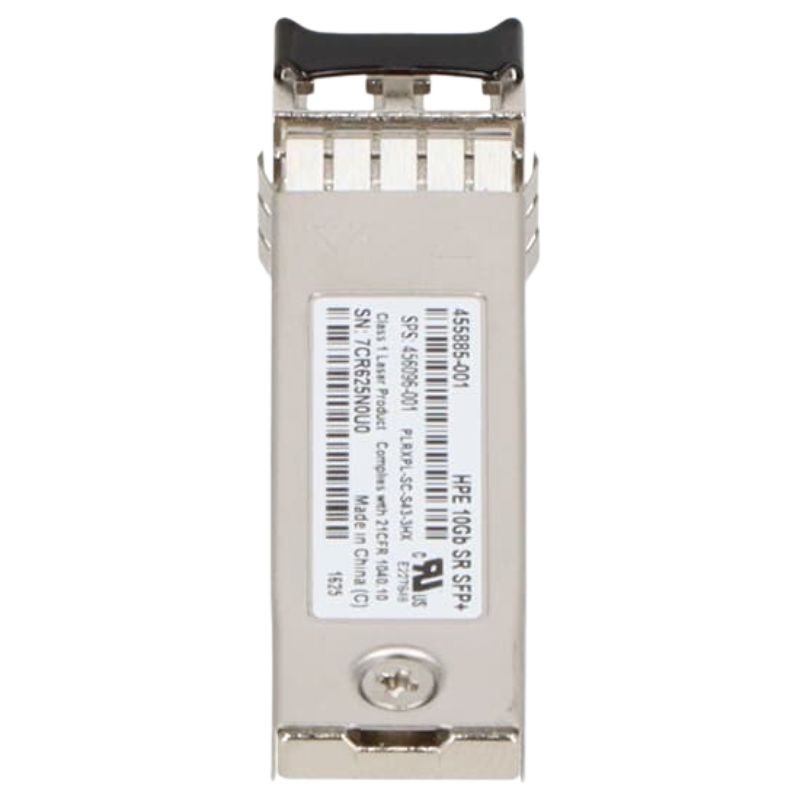


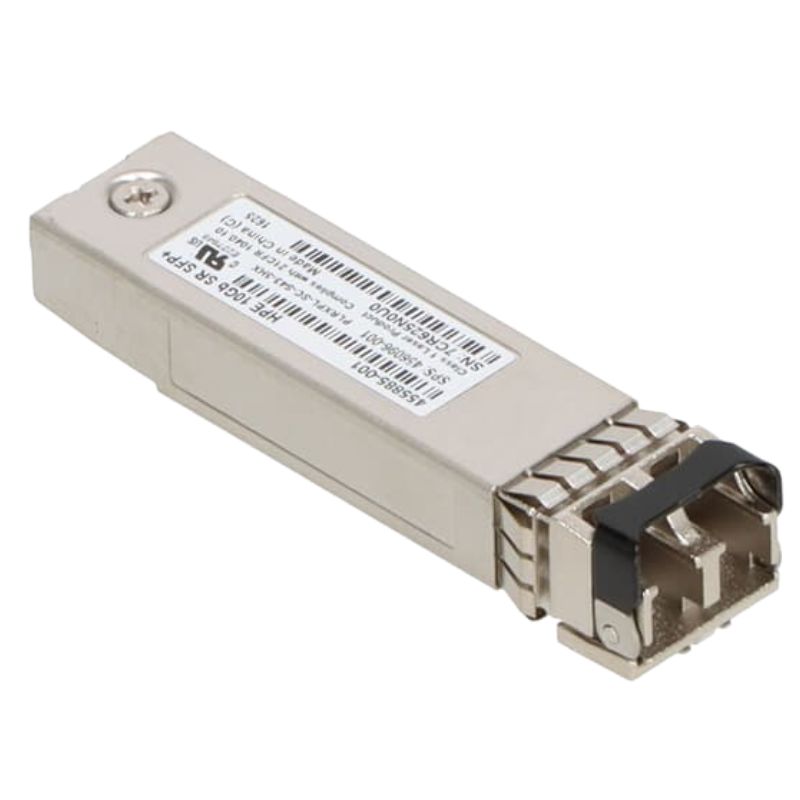
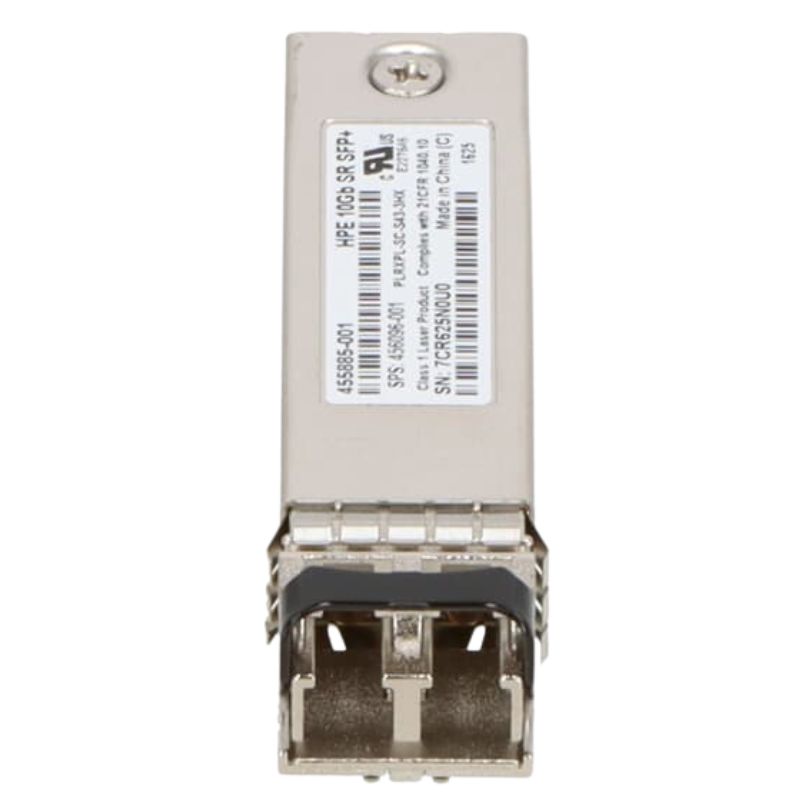
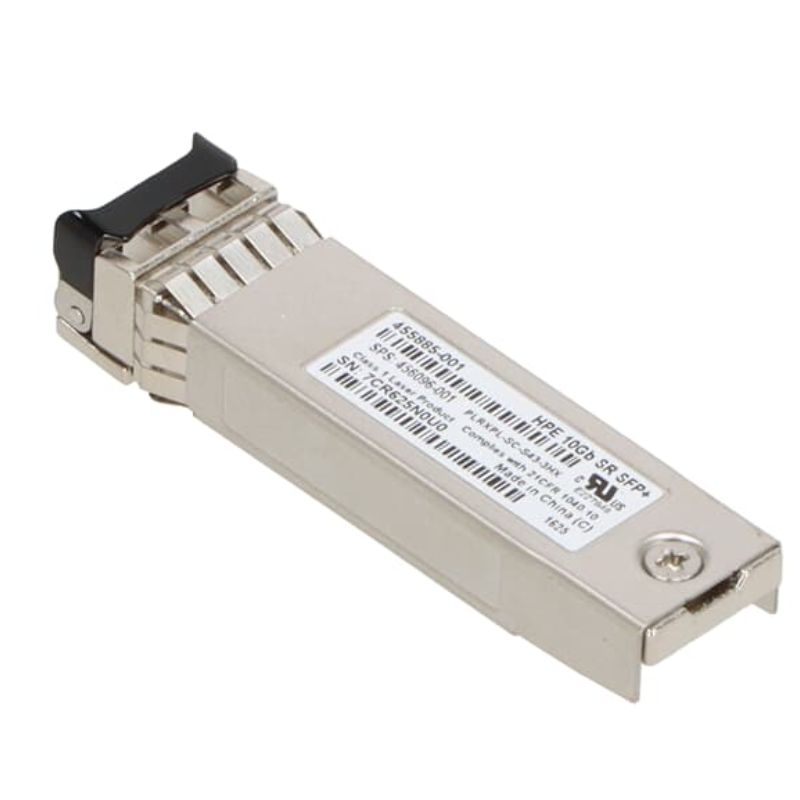
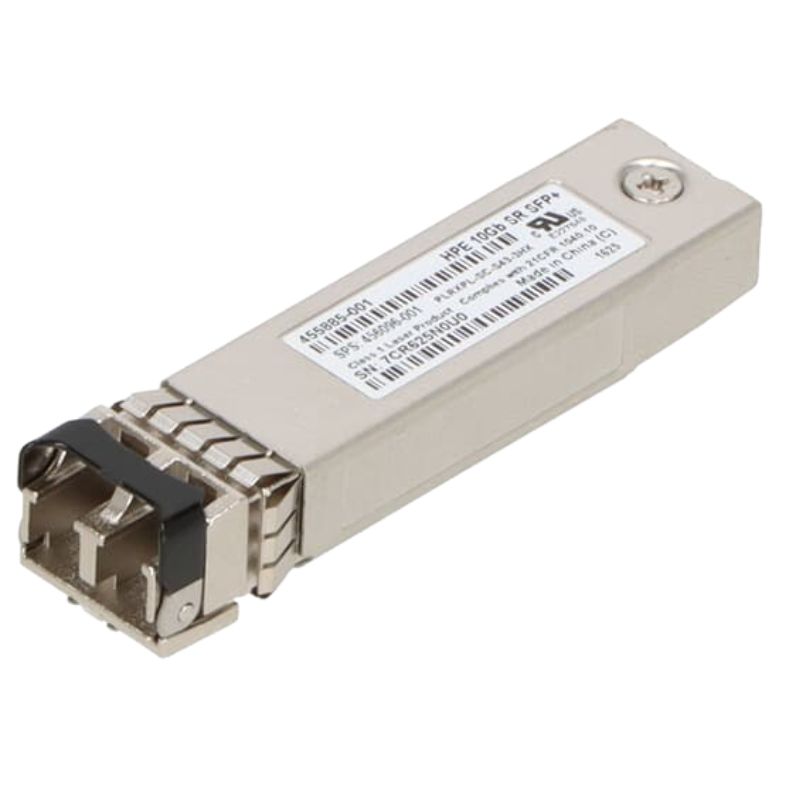
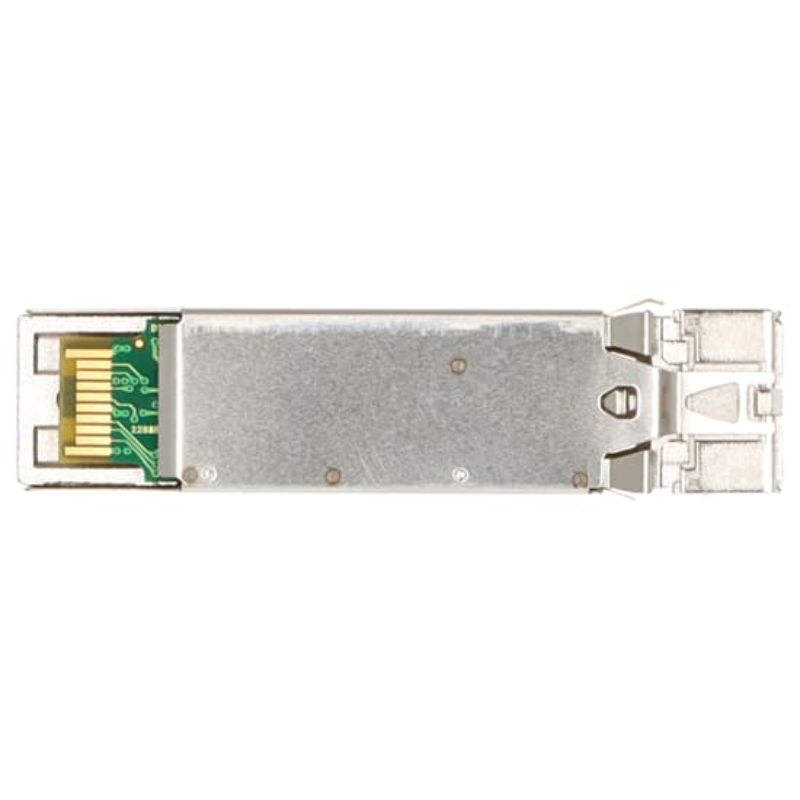
HPE JL242A 10 Gigabit Transceiver Module. Excellent Refurbished with 1 year replacement warranty
The HPE JL242A 10‑Gigabit Transceiver Module delivers high‑speed optical performance through an efficient SFP+ form factor, offering reliable 10 Gbps data transmission for enterprise‑grade networking. Designed for long‑distance single‑mode fiber links, this module provides a 1310 nm wavelength for clear signal delivery, low‑power operation, and seamless integration into systems requiring stable, high‑bandwidth connectivity across extended network spans.
The HPE JL242A 10 Gigabit Transceiver Module represents a high-performance optical networking component designed for modern enterprise and data center environments where high bandwidth, low latency, and stable optical connectivity are essential. This module is engineered to support 10 Gigabit Ethernet transmission over fiber optic infrastructure, enabling scalable and reliable interconnectivity between switching platforms, routing systems, and high-speed aggregation layers. It is widely deployed in enterprise campus networks, service provider backbones, virtualization clusters, and storage area networks where consistent throughput and optical precision are critical.
Within advanced networking ecosystems, optical transceiver modules like the HPE JL242A play a foundational role in bridging physical fiber links with switching hardware. This category of transceiver is optimized for compatibility with enterprise-grade networking equipment produced by ensuring seamless integration into structured network architectures that require stability and long-term operational efficiency.
The HPE JL242A 10 Gigabit Transceiver Module operates as an interface converter between electrical signals generated by network switches and optical signals transmitted across fiber optic cabling. This conversion enables data to travel over long distances with minimal signal degradation compared to traditional copper-based Ethernet connections. The module is engineered for environments where data traffic is consistently high and network uptime is mission-critical.
In large-scale infrastructures, these modules are installed in switch uplinks, aggregation layers, and core backbone systems. They ensure that network segments can communicate at extremely high speeds while maintaining signal integrity. The transceiver supports advanced optical standards commonly used in enterprise deployments, making it a key component in modern high-bandwidth communication environments.
The HPE JL242A module relies on advanced optical laser technology to transmit and receive data signals over fiber optic cables. It utilizes a light-based signaling system that encodes digital information into optical pulses. These pulses are transmitted through fiber strands and decoded at the receiving end, enabling fast and reliable communication between network devices.
The optical system is designed to reduce latency and minimize interference caused by electromagnetic noise, which is common in copper-based networking environments. This makes the module particularly suitable for environments with high electrical activity such as industrial facilities, dense data centers, and large enterprise campuses.
The physical design of the HPE JL242A 10 Gigabit Transceiver Module follows standardized form factor conventions used in enterprise networking hardware. It is engineered for hot-swappable installation, allowing network administrators to insert or remove the module without powering down connected systems. This feature is essential for maintaining continuous network availability in mission-critical environments.
The module connects directly into compatible switch ports, forming a secure and stable optical interface. Its compact structure ensures efficient utilization of chassis space, making it suitable for high-density switch configurations where multiple transceiver modules may be installed side by side.
The HPE JL242A 10 Gigabit Transceiver Module supports high-speed data transmission rates that meet the demands of modern enterprise workloads. These workloads include virtualization traffic, cloud computing synchronization, database replication, and high-volume data backup operations.
The module ensures stable throughput by maintaining consistent optical signal strength and minimizing packet loss during transmission. It is designed to handle continuous data streams without performance degradation, making it suitable for environments where sustained bandwidth is essential.
This transceiver module operates over fiber optic cabling, which is widely recognized for its superior bandwidth capabilities and resistance to external interference. Depending on deployment requirements, it may be used with either multimode or single-mode fiber infrastructure.
Multimode fiber is typically used for short-distance connections within data centers, while single-mode fiber is preferred for long-distance communication between buildings or network campuses. The module is engineered to maintain optimal signal quality across both deployment scenarios, depending on network design requirements.
The HPE JL242A 10 Gigabit Transceiver Module is widely deployed across enterprise environments that require high-speed data connectivity. In data center architectures, it is commonly used to connect top-of-rack switches to aggregation or core switches, enabling high-throughput communication between server clusters.
In campus network environments, the module supports backbone connectivity between buildings, ensuring that distributed network segments remain interconnected at high speeds. It is also used in cloud infrastructure environments where rapid data exchange between distributed systems is essential.
Modern cloud environments rely heavily on high-speed network infrastructure to support virtual machines, containerized applications, and distributed storage systems. The HPE JL242A module contributes to this ecosystem by enabling high-bandwidth interconnectivity between compute nodes and storage arrays.
Virtualization platforms generate significant east-west traffic within data centers, requiring consistent and low-latency communication channels. This transceiver module supports these requirements by maintaining stable optical links that can handle continuous data flow without bottlenecks.
When integrating the HPE JL242A 10 Gigabit Transceiver Module into a network architecture, several design considerations must be taken into account. These include fiber distance limitations, signal attenuation factors, and compatibility with existing switching infrastructure.
Proper network planning ensures that optical links remain stable and efficient across all segments of the infrastructure. Engineers typically evaluate bandwidth requirements, redundancy configurations, and failover mechanisms to optimize overall network performance.
Reliability is a key attribute of the HPE JL242A 10 Gigabit Transceiver Module. It is engineered to withstand continuous usage in demanding enterprise environments where network uptime is critical. The optical components are manufactured to maintain consistent performance over extended operational lifecycles.
The module’s robust design reduces the risk of signal degradation and hardware failure, making it suitable for mission-critical applications. Its stable performance ensures that network administrators can rely on consistent connectivity across long periods of operation.
Although optimized for HPE networking systems, the HPE JL242A module is designed with interoperability considerations that allow it to function in mixed networking environments. This enables organizations to integrate it into heterogeneous infrastructures where multiple hardware vendors may be present.
Such flexibility is important in enterprise environments where network evolution occurs gradually and legacy systems must coexist with newer technologies. The module supports standardized optical protocols that facilitate cross-platform communication.
Optical transmission inherently provides a higher level of resistance to electromagnetic interception compared to copper-based systems. The HPE JL242A module leverages this advantage to enhance data integrity across network links.
In secure enterprise environments, this contributes to reduced risk of signal interference and unauthorized interception. Combined with network-level encryption systems, optical transceivers form a critical part of secure communication architectures.
As enterprise networks grow, the demand for scalable connectivity solutions increases. The HPE JL242A 10 Gigabit Transceiver Module supports this scalability by enabling additional high-speed links to be integrated into existing infrastructure without requiring major redesign.
This scalability allows organizations to expand data center capacity, increase bandwidth between network segments, and support growing application workloads without compromising performance.
The HPE JL242A module is designed for compatibility with a wide range of enterprise networking devices manufactured by HPE. It is typically used in managed switches, modular chassis systems, and high-performance aggregation devices that require 10 Gigabit Ethernet uplink capabilities.
Compatibility extends across multiple switching families within enterprise networks, ensuring that organizations can deploy the module without extensive hardware redesign. This interoperability reduces infrastructure complexity and enables standardized deployment strategies across distributed network environments.


 Contact Us
 Information
 Catalog
 Solid State Drives (SSD)
 Network Switches
 Hard Disk Drives
 HBA & Controllers
 PC & Servers
 PC & Server Memory
 CPU & Processors
 Network Routers
 Power Supplies
 Tape Drives & Libraries
 Network Devices
 Computer & Network Cables