(7% discount is applied at checkout)
Cart is empty
Your go-to destination for cutting-edge server products
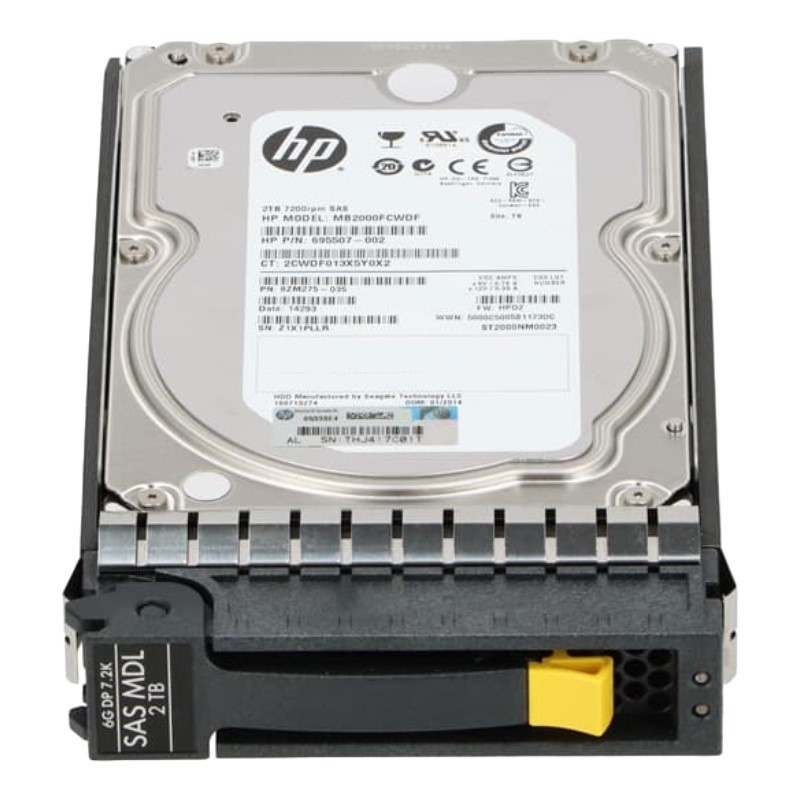


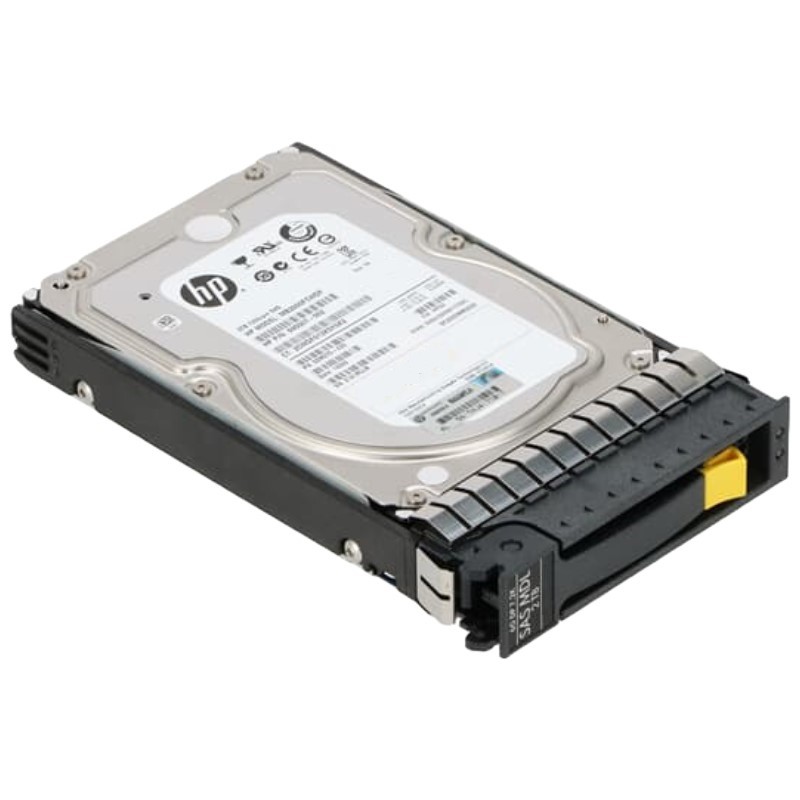
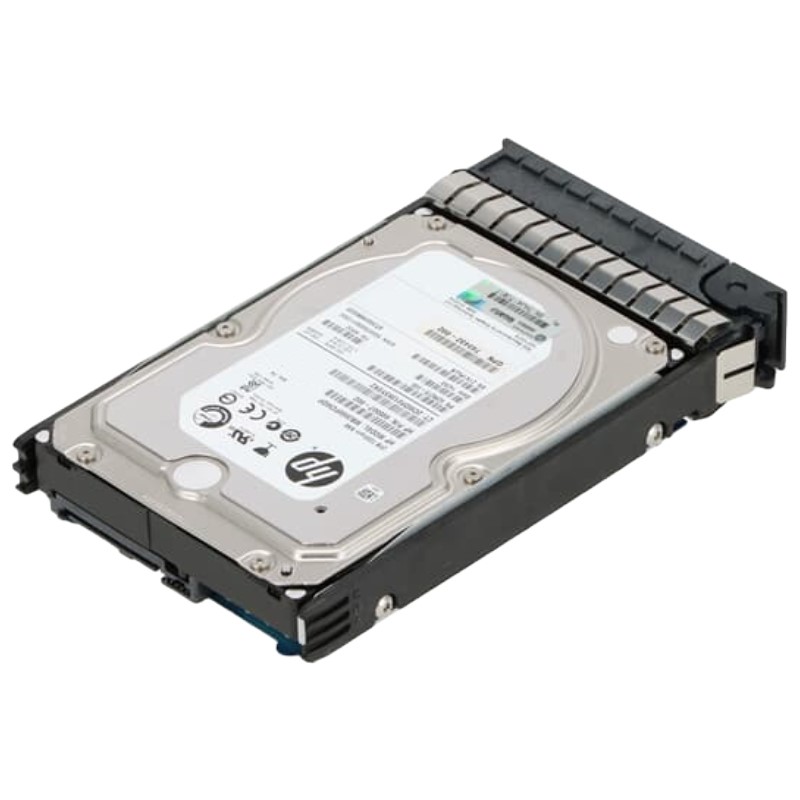
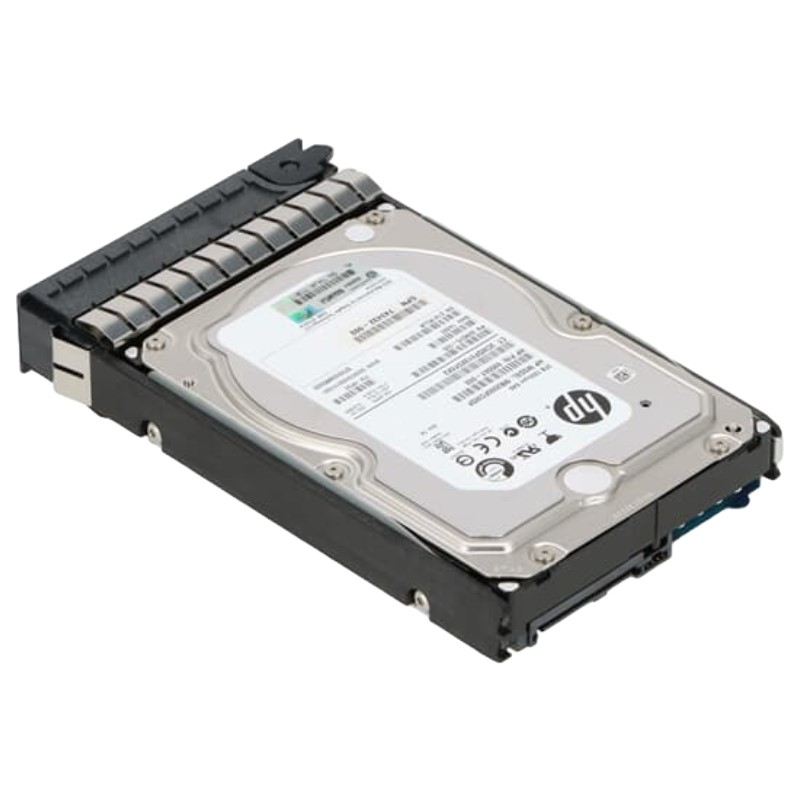
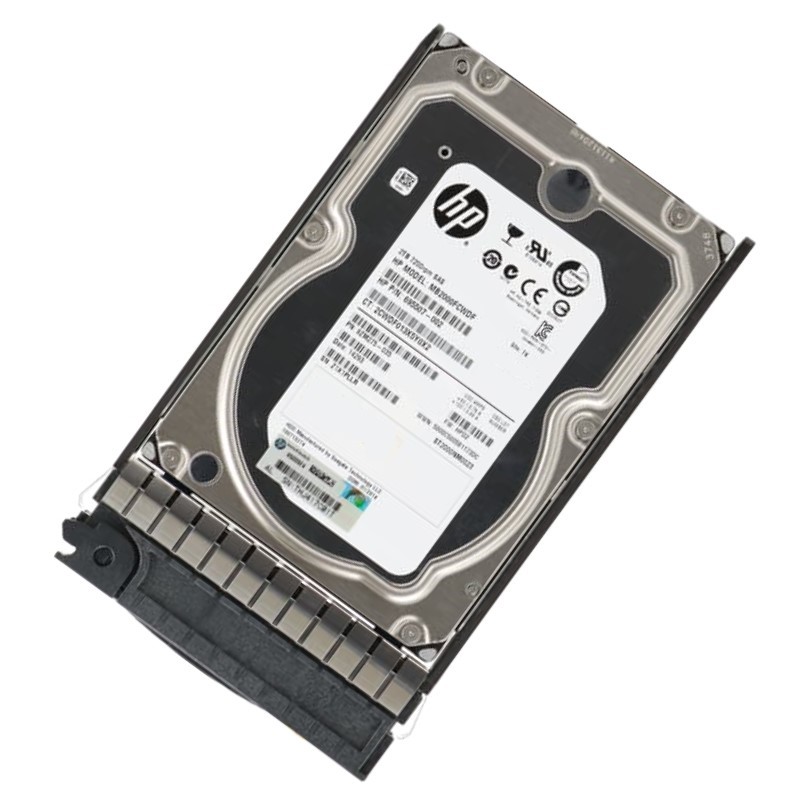
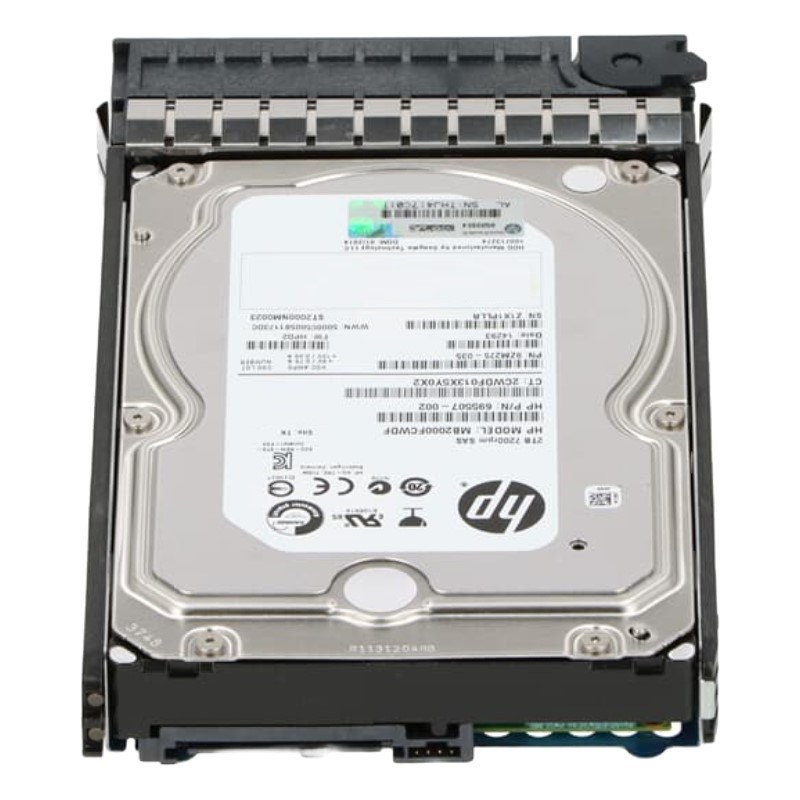
HPE MB2000FAMYV 2TB 7.2K RPM SAS 6GBPS Large Form Factor Internal Hard Disk Drive. Excellent Refurbished with 1 year replacement warranty
Engineered for dependable enterprise storage, this 2TB large form factor hard disk drive delivers consistent throughput and reliable data handling for demanding server environments. Built to support business-critical workloads, it combines solid capacity with efficient rotational speed to ensure balanced performance and long-term stability.
Technical Specifications
The HPE MB2000FAMYV 2TB 7.2K RPM SAS 6Gbps Large Form Factor Internal Hard Disk Drive represents a critical component in enterprise-grade storage infrastructures. Designed for reliability, consistency, and scalable performance, this category of storage solutions is engineered to meet the evolving demands of modern data centers, virtualization platforms, and business-critical applications. With its substantial 2TB capacity and proven rotational speed, this drive category strikes a balance between performance and cost-efficiency, making it ideal for environments that require dependable bulk storage without compromising on speed or accessibility.
Large Form Factor drives, often referred to as 3.5-inch drives, provide increased storage density and are commonly deployed in servers, storage arrays, and network-attached storage systems. Their physical size allows for higher platter counts, enabling greater storage capacities compared to smaller form factors. The HPE MB2000FAMYV fits seamlessly into this category, offering robust data handling capabilities that support a wide range of enterprise workloads.
Serial Attached SCSI technology remains a cornerstone of enterprise storage due to its superior reliability, scalability, and performance consistency. Operating at 6Gbps, the SAS interface ensures stable and efficient data transfer, particularly in multi-drive environments where simultaneous access and high availability are essential. Unlike consumer-grade interfaces, SAS supports full-duplex communication, enabling data to be read and written simultaneously, thereby reducing latency and improving overall throughput.
Drives within this category are engineered to operate continuously under demanding workloads, making them suitable for 24/7 operations. The SAS protocol also supports advanced error detection and correction mechanisms, ensuring data integrity even in high-stress environments. Additionally, dual-port capability allows for redundant data paths, enhancing system resilience and minimizing downtime in mission-critical systems.
One of the defining features of SAS-based storage solutions is their ability to scale efficiently. The HPE MB2000FAMYV and similar drives can be integrated into large RAID arrays, enabling organizations to expand their storage capacity without sacrificing performance. RAID configurations such as RAID 5, RAID 6, and RAID 10 benefit from the reliability and speed of SAS drives, providing both redundancy and performance optimization.
This scalability is particularly valuable for businesses experiencing rapid data growth. Whether managing databases, virtual machines, or backup repositories, the ability to add drives seamlessly ensures that infrastructure can adapt to changing requirements without significant disruption.
With a rotational speed of 7,200 RPM, this category of hard drives offers an optimal balance between performance and energy efficiency. While higher RPM drives such as 10K or 15K are designed for ultra-fast transactional workloads, 7.2K RPM drives excel in scenarios where large volumes of data need to be stored and accessed reliably without incurring excessive power consumption or heat generation.
This makes them particularly suitable for applications such as file storage, archival systems, content delivery networks, and secondary storage tiers. The reduced rotational speed also contributes to longer drive lifespan and lower operational costs, making these drives an economical choice for enterprises seeking sustainable storage solutions.
Energy efficiency is a critical consideration in modern data centers, where power consumption directly impacts operational expenses and environmental footprint. Drives in this category are designed with optimized power profiles, reducing energy usage during idle and active states. This efficiency not only lowers electricity costs but also minimizes heat output, contributing to improved thermal management within server enclosures.
Effective thermal performance enhances overall system stability and reduces the likelihood of hardware failures caused by overheating. By maintaining consistent operating temperatures, these drives support long-term reliability and help organizations achieve their sustainability goals.
The Large Form Factor design offers several advantages over smaller drives, particularly in terms of capacity and cost per gigabyte. The 3.5-inch form factor allows for larger platters and increased data density, enabling higher storage capacities within a single drive. This reduces the number of drives required to achieve a given storage target, simplifying infrastructure and lowering hardware costs.
Additionally, fewer drives mean reduced power consumption, less heat generation, and simplified maintenance. For organizations managing extensive storage environments, these benefits translate into significant operational efficiencies and cost savings over time.
Drives in this category are designed to integrate seamlessly with enterprise-grade servers and storage systems. They are compatible with a wide range of hardware platforms, including rack-mounted servers, blade systems, and external storage arrays. This compatibility ensures that organizations can deploy these drives without extensive modifications to their existing infrastructure.
Hot-swappable capabilities further enhance usability, allowing drives to be replaced or upgraded without shutting down the system. This feature is essential for maintaining uptime in environments where continuous operation is critical.
Reliability is a defining characteristic of enterprise storage solutions, and this category is no exception. Drives are built to withstand rigorous operating conditions, including constant read and write operations, high temperatures, and vibration within densely packed server environments. Advanced firmware and hardware features work together to ensure consistent performance and data integrity.
Error correction technologies, such as cyclic redundancy checks and advanced sector management, help detect and correct data anomalies before they impact system performance. These features are essential for maintaining the accuracy and reliability of stored data, particularly in applications where data loss or corruption could have significant consequences.
Enterprise drives are designed with extended Mean Time Between Failures ratings, reflecting their durability and reliability over prolonged periods of use. This longevity reduces the frequency of drive replacements and minimizes maintenance costs. Organizations can rely on these drives to deliver consistent performance over their operational lifespan, making them a dependable choice for long-term storage solutions.
Predictive failure analysis further enhances reliability by monitoring drive health and identifying potential issues before they lead to failure. This proactive approach allows administrators to take preventive action, reducing the risk of unexpected downtime.
With a capacity of 2TB, the HPE MB2000FAMYV Internal Hard Drive offers remarkable versatility and flexibility. Users can store a wide range of data types, from small documents to large multimedia files. This flexibility is particularly valuable for businesses and organizations that deal with diverse data sets. Whether you need to store critical business documents, high-resolution images, or even entire databases, this hard drive can accommodate it all.
Having a large storage capacity directly translates into enhanced productivity. With 2TB at your disposal, you won't have to worry about constantly managing and deleting files to free up space. This allows you to focus on your work without interruption and ensures that you always have quick access to the data you need. Whether you are working on complex projects or handling multiple tasks simultaneously, the ample storage capacity of this hard drive removes any limitations and allows you to work efficiently.
In enterprise settings where multiple users and applications access storage simultaneously, performance consistency is essential. The SAS interface and optimized firmware of these drives ensure that data access remains stable under heavy workloads. This consistency is particularly important for applications such as database management systems, where latency and throughput directly impact performance.
By maintaining predictable performance these drives organizations deliver reliable to their users. This reliability enhances productivity and ensures that critical applications operate interruption.
RAID controllers play a crucial role in managing multiple drives and optimizing their performance. Drives in this category are fully compatible with enterprise RAID controllers, enabling advanced features such as caching, data striping, and redundancy. These features improve both performance and reliability, making them indispensable in high-demand environments.
The combination of SAS drives and RAID technology provides a foundation for enterprise storage systems, ensuring that data is accessible, and efficiently managed.


 Contact Us
 Information
 Catalog
 Solid State Drives (SSD)
 Network Switches
 Hard Disk Drives
 HBA & Controllers
 PC & Servers
 PC & Server Memory
 CPU & Processors
 Network Routers
 Power Supplies
 Tape Drives & Libraries
 Network Devices
 Computer & Network Cables