(7% discount is applied at checkout)
Cart is empty
Your go-to destination for cutting-edge server products
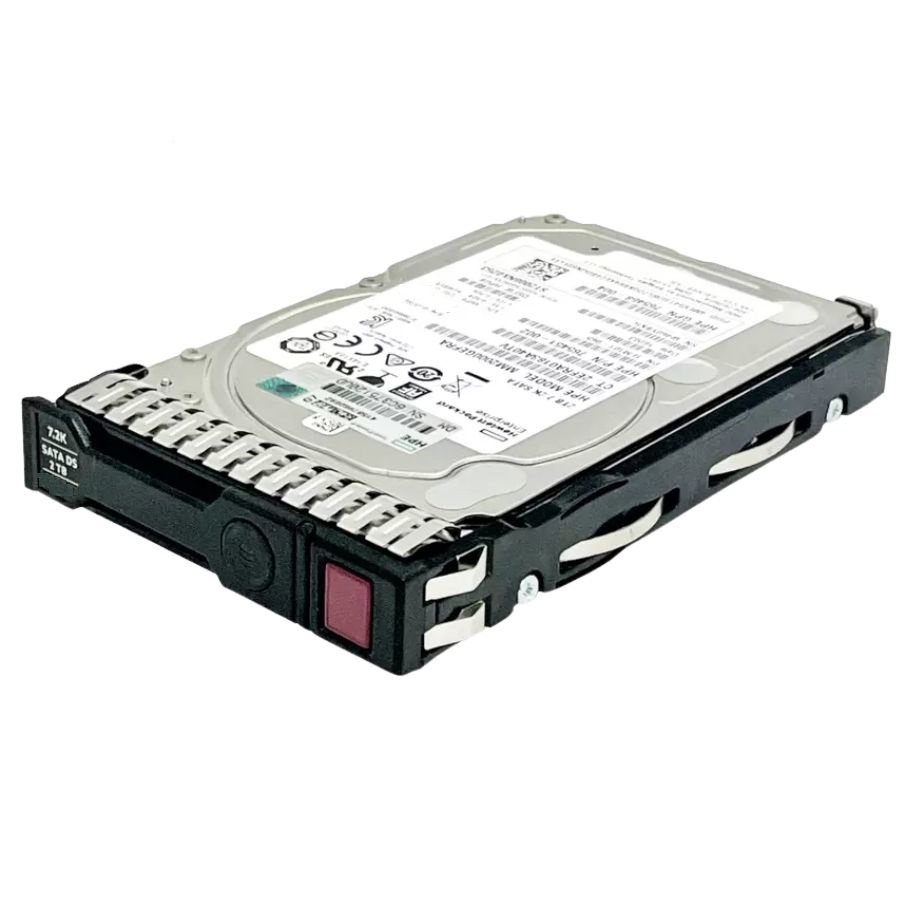


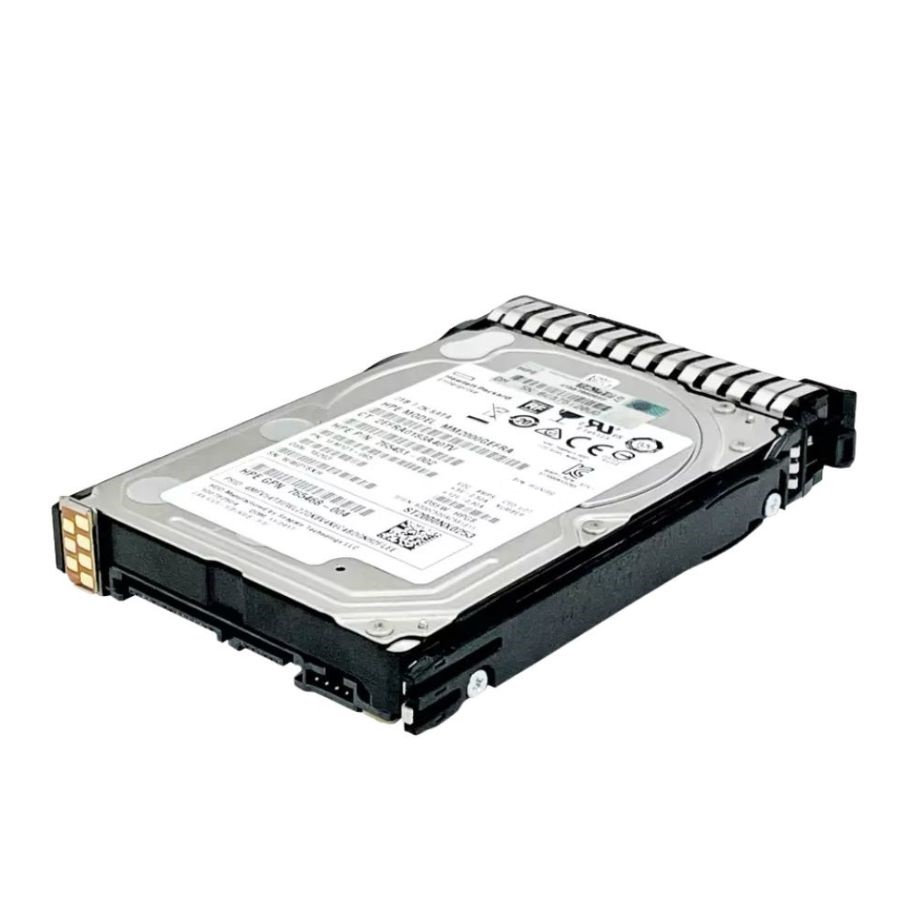
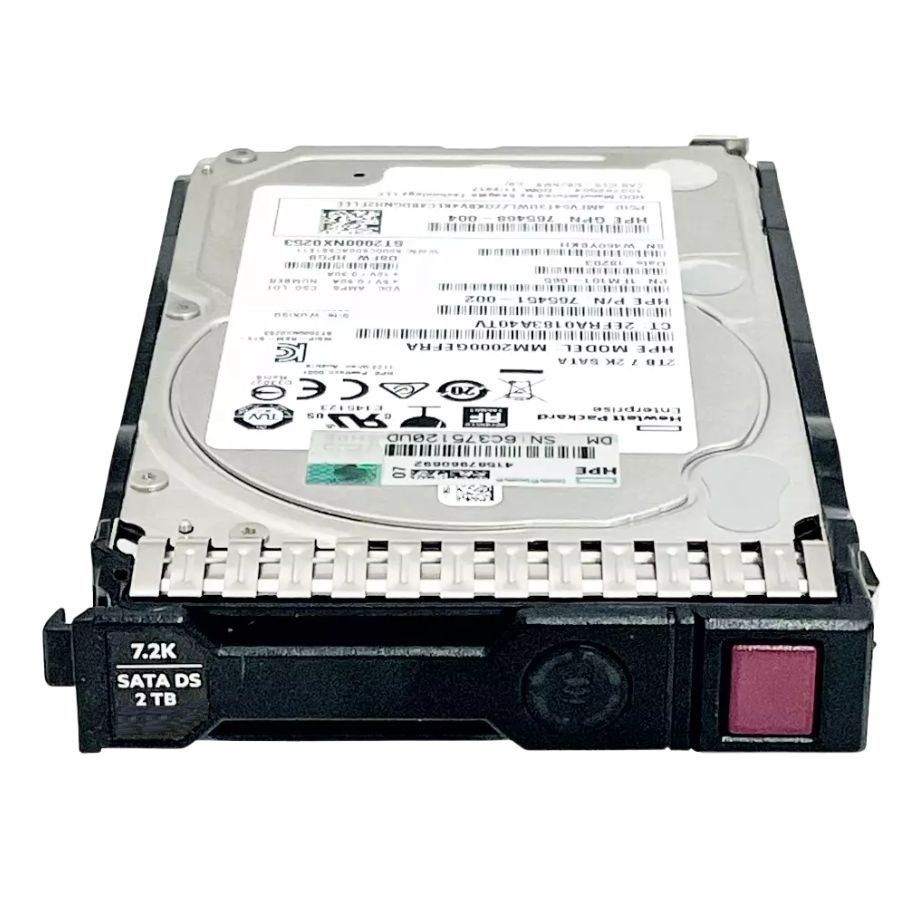
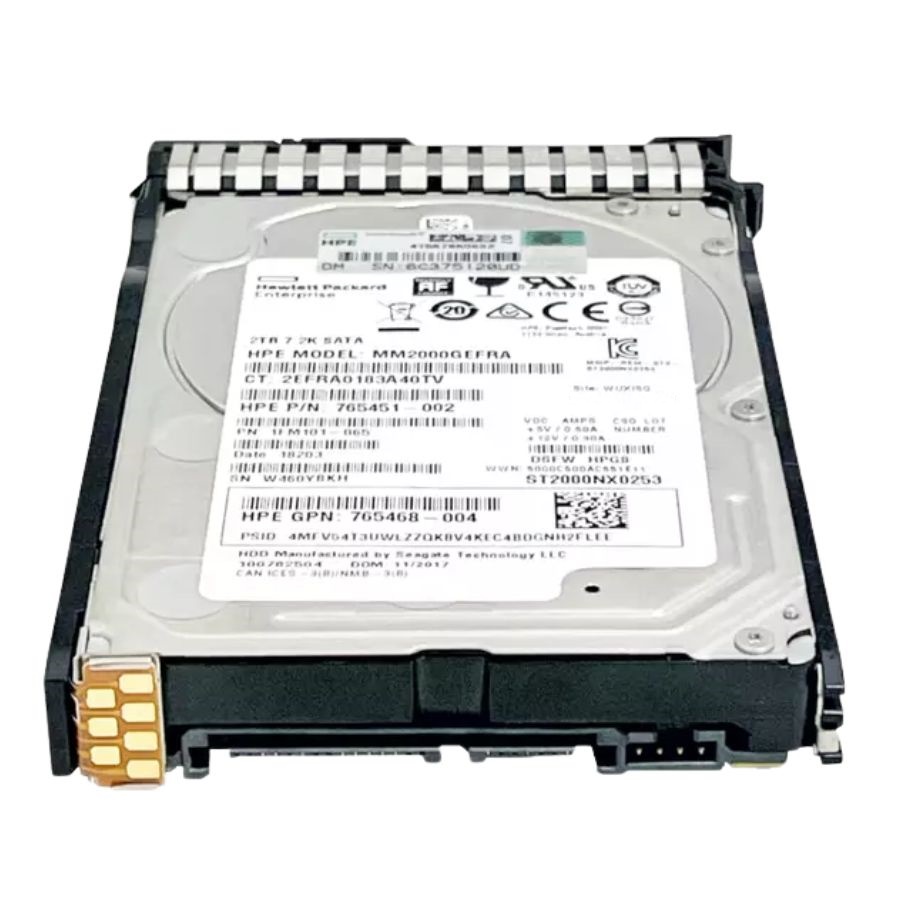
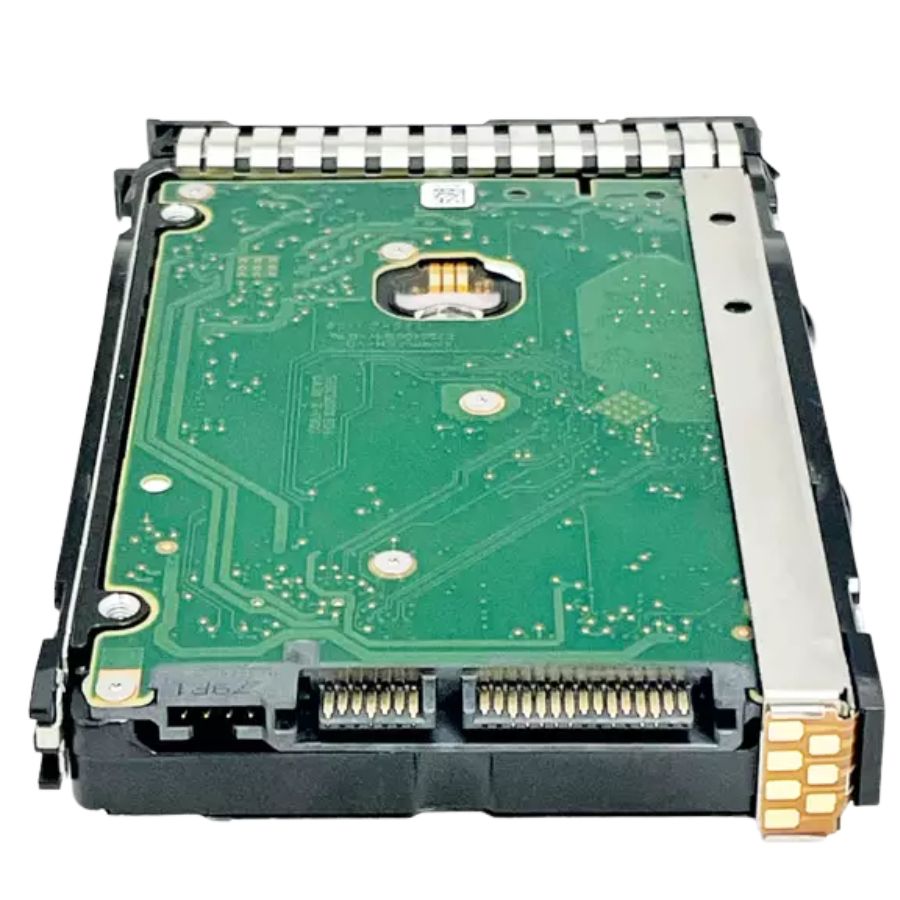
HPE MB2000GDUNV 2TB 7.2K RPM 3.5 inch LFF SATA-6GBPS Non Hot-Swap Midline Internal Hard Drive For Servers. Excellent Refurbished with 1 year Replacement Warranty
Designed for dependable enterprise storage, the HPE MB2000GDUNV delivers a balanced combination of capacity, efficiency, and reliability. This 2TB internal hard disk is engineered for server environments that demand consistent throughput and stable operation for everyday workloads.
The HPE MB2000GDUNV 2TB 7.2K RPM 3.5-inch LFF SATA 6Gbps Non Hot-Swap Midline Internal Hard Drive is engineered to deliver dependable storage performance for enterprise servers that prioritize capacity, reliability, and cost-efficiency. As organizations continue to generate and manage increasing volumes of data, the need for robust storage infrastructure becomes essential. This category of midline internal hard drives is specifically designed to address these demands by providing high-capacity storage suitable for a wide range of business applications.
With a storage capacity of 2TB, this hard drive enables organizations to store extensive datasets, including documents, media files, backups, and application data. Its large form factor (LFF) design enhances storage density, allowing businesses to maximize their server storage capabilities without significantly increasing hardware complexity. This makes it a practical solution for data centers, enterprise IT environments, and small to medium-sized business infrastructures.
The 7,200 RPM rotational speed of this hard drive provides a reliable level of performance suitable for a variety of enterprise applications. While it does not match the speed of higher RPM drives or solid-state drives, it offers a practical balance between performance and energy efficiency. This makes it an excellent choice for workloads that involve sequential data access, such as backups and media storage.
The consistent rotational speed ensures stable data transfer rates, enabling efficient handling of large files and datasets. This is particularly important in environments where data is processed in bulk rather than through frequent random access operations. The drive’s performance characteristics make it well-suited for applications such as file servers, content repositories, and backup systems.
In addition to performance, the 7.2K RPM design contributes to reduced wear and tear compared to higher-speed drives. This can lead to longer drive lifespans and improved reliability, making it a dependable choice for long-term storage applications.
The SATA 6Gbps interface provides a standardized and widely supported connection for enterprise storage systems. This interface ensures consistent data transfer rates, enabling efficient communication between the hard drive and the server. Its compatibility with a wide range of systems makes it easy to integrate the drive into existing infrastructures.
One of the key advantages of the SATA interface is its scalability. Organizations can expand their storage capacity by adding additional drives without requiring significant changes to their hardware setup. This flexibility is essential for businesses that need to adapt to changing data requirements.
The SATA 6Gbps interface also supports reliable and predictable performance, making it suitable for applications that require steady data access. Whether used in standalone servers or as part of a larger storage array, this interface ensures dependable operation across various environments.
The 3.5-inch large form factor design offers several advantages for enterprise storage environments. One of the primary benefits is increased storage capacity per drive, allowing organizations to store more data without increasing the number of drives required. This helps reduce hardware complexity and simplifies storage management.
The LFF design also contributes to improved thermal performance. Larger drives typically have better heat dissipation capabilities, which helps maintain optimal operating temperatures within server enclosures. This reduces the risk of overheating and extends the lifespan of the drive.
Additionally, the LFF design ensures compatibility with a wide range of enterprise servers and storage systems. This makes it easy for organizations to integrate the drive into their existing infrastructure without compatibility concerns. The combination of capacity, thermal efficiency, and compatibility makes the LFF design a practical choice for enterprise storage solutions.
Midline hard drives are designed to provide a balance between performance, capacity, and affordability. They are positioned between high-performance enterprise drives and archival storage solutions, making them ideal for applications that require substantial storage but do not demand extremely high input/output operations per second (IOPS). This category is particularly well-suited for environments where data is accessed periodically rather than continuously.
The HPE MB2000GDUNV exemplifies the advantages of midline storage by offering consistent performance for workloads such as backups, file storage, and data archiving. These drives are engineered to handle moderate workloads, ensuring reliable operation over extended periods. Their design focuses on delivering dependable performance while minimizing operational costs, making them a popular choice for businesses seeking efficient storage solutions.
The non hot-swap design of this hard drive means that it is installed and replaced during scheduled maintenance periods rather than while the system is running. While this may require planned downtime, it offers several advantages, particularly in terms of cost and simplicity.
Non hot-swap drives are typically more affordable than their hot-swappable counterparts, making them an attractive option for organizations looking to optimize their storage budgets. They are also well-suited for environments where uptime requirements are less stringent or where maintenance can be scheduled առանց disruption to critical operations.
This configuration is commonly used in internal server setups where drives are not frequently replaced. It provides a stable and secure installation, ensuring that the drive remains firmly in place during operation. For many businesses, the cost savings and reliability of non hot-swap drives outweigh the need for on-the-fly replacement capabilities.
Data integrity is a critical consideration in enterprise storage, and this hard drive incorporates several features to ensure reliable data handling. Advanced error detection and correction mechanisms help maintain data accuracy, reducing the risk of corruption and loss.
The drive is designed to handle continuous operation, making it suitable for environments where data must remain accessible at all times. Its robust construction and firmware optimizations contribute to long-term reliability, ensuring consistent performance under varying workloads.
In addition to hardware reliability, the drive supports integration with data protection strategies such as RAID configurations. By combining multiple drives into a RAID array, organizations can achieve higher levels of redundancy and fault tolerance, further enhancing data security and availability.
As organizations grow, their data storage needs continue to evolve. This hard drive provides a scalable solution that can be easily expanded to accommodate increasing data volumes. Its compatibility with a wide range of server platforms ensures that it can be integrated into both existing and new systems.
Scalability is further enhanced by the drive’s support for various storage configurations. Whether used as a standalone drive or as part of a larger storage array, it provides the flexibility needed to adapt to changing business requirements. This makes it an ideal choice for organizations looking to build a future-ready storage infrastructure.
The ability to scale storage efficiently is particularly important for businesses that experience rapid growth or fluctuating data demands. By choosing a reliable and versatile drive, organizations can ensure that their storage infrastructure remains capable of supporting ongoing expansion.
Energy efficiency is an important factor in modern data centers, where power consumption and cooling costs can significantly impact overall operational expenses. The 7.2K RPM design of this hard drive helps reduce energy usage while maintaining reliable performance.
Lower power consumption not only reduces operating costs but also contributes to a more sustainable IT environment. By minimizing heat generation, the drive helps reduce the load on cooling systems, further enhancing efficiency and lowering energy expenses.


 Contact Us
 Information
 Catalog
 Solid State Drives (SSD)
 Network Switches
 Hard Disk Drives
 HBA & Controllers
 PC & Servers
 PC & Server Memory
 CPU & Processors
 Network Routers
 Power Supplies
 Tape Drives & Libraries
 Network Devices
 Computer & Network Cables