(7% discount is applied at checkout)
Cart is empty
Your go-to destination for cutting-edge server products
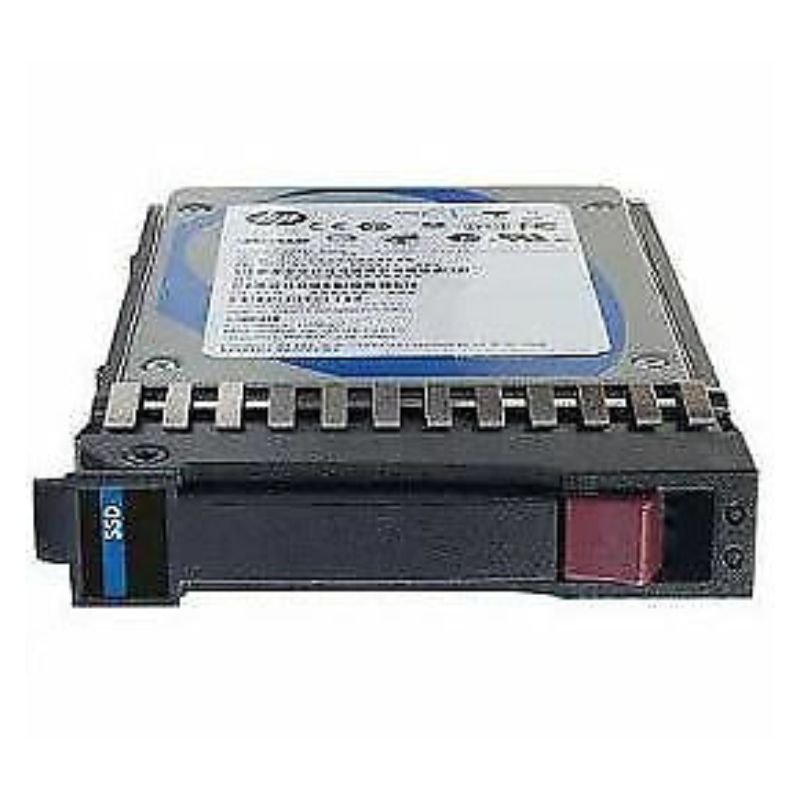


HPE MO000800KXBPE 800GB NVMe Gen4 0 Hrs MU SFF BC U.3 CM6 w/Tray SSD. New Sealed with 1 year Replacement Warranty
The HPE MO000800KXBPE is an enterprise-grade solid-state drive engineered for modern data centres, high-performance servers, and mission-critical storage arrays. Built to the NVMe Gen4 specification and supplied in a compact small-form-factor U.3 package with mounting tray, this 800GB drive blends low-latency access, solid endurance characteristics, and platform interoperability — making it a versatile choice for database acceleration, virtualization hosts, and heavy I/O workloads.
Physical and mechanical attributes
The HPE MO000800KXBPE 800GB NVMe Gen4 SSD sits in the high-performance enterprise storage category, representing modern NVMe Gen4 solid-state drives designed for data center workloads that demand low latency, high bandwidth, and consistent I/O performance. This category covers HPE-branded U.3 form-factor NVMe drives (CM6 family style), small form factor (SFF) enterprise modules supplied with trays for easy rack-server fitment, and "0 Hrs" condition inventory (new, unused). It’s intended for system architects, storage admins, cloud providers, and enterprises looking to refresh server flash storage with Gen4 NVMe speed and modern drive interface compatibility.
Optimize for searchers seeking: HPE NVMe Gen4 SSD, 800GB U.3 CM6, HPE MO000800KXBPE, enterprise NVMe SSD, SFF U.3 tray SSD, CM6 compatibility, server flash upgrade, and HPE Gen4 drive replacement. These keyword phrases align with buyer intent at research, specification-matching, and procurement stages.
Buyers choose the HPE MO000800KXBPE for its balance of performance, vendor assurance, and plug-and-play server compatibility with HPE ProLiant and other Gen4-capable platforms. The unit's advantages include improved throughput from PCIe Gen4 lanes, reduced latency for random I/O, and an enterprise-focused firmware stack tuned for predictable performance under sustained load. The presence of a drive tray simplifies installation and maintenance for enterprise technicians and reduces downtime during replacements.
The design of the HPE MO000800KXBPE SSD provides versatility in server and storage configurations. Its compact form factor allows for dense storage deployments, optimizing rack space while still delivering enterprise-grade performance. The drive fits seamlessly into HPE ProLiant server bays, ensuring simple integration without the need for specialized adapters. Additionally, the smaller footprint contributes to reduced power consumption and lower cooling requirements, which are critical considerations in large-scale data center operations.
Equipped with TLC NAND technology, the HPE MO000800KXBPE balances storage density and cost-efficiency without compromising reliability. TLC NAND stores three bits per cell, enabling high-capacity solutions in a compact form factor. HPE's proprietary controller technology and firmware management ensure that the drive maintains data integrity, mitigates wear, and prolongs operational lifespan. The combination of TLC NAND and NVMe protocol allows organizations to maximize storage resources while maintaining consistent performance levels across a broad range of enterprise applications.
The U.3 connector standard and SFF (2.5-inch) form factor make this drive a drop-in replacement for modern server bays that support U.3 or U.2 with backplane adapters. The "CM6" designation references the controller generation and family compatibility in the wider NVMe ecosystem — ensuring support for Gen4 PCIe lanes and advanced NVMe features. For procurement, verify that your server's backplane supports U.3 NVMe devices and that the host BIOS/firmware versions are updated to recognize Gen4 devices to avoid compatibility or boot issues.
Firmware updates for enterprise drives can include performance optimizations, bug fixes, and compatibility enhancements. Maintain a tested firmware update process: stage updates in a non-production cluster, validate behavior under real workloads, and schedule rolling updates during maintenance windows. Track SMART attributes and media wear indicators (percentage used, spare area status) to plan safe retirements and replacements before end-of-life or degraded performance.
Enterprise NVMe SSDs are built with endurance ratings and power-loss-protection (PLP) features to protect in-flight data. While specific endurance figures depend on the drive's NAND and controller, this category assumes enterprise-grade write endurance appropriate for mixed-use workloads. Pair drives with RAID or erasure-coded arrays where required, and apply rigorous backup and snapshot policies to protect against controller-level failures, although modern enterprise SSDs are reliable enough to be primary data stores for many mission-critical applications.
When designing storage tiers, match MO000800KXBPE SSD capacity and endurance characteristics to workload write amplification and retention requirements. Consider overprovisioning ratios and leave headroom for wear leveling to maintain consistent performance. In shared environments, use quality of service (QoS) controls where possible to prevent noisy-neighbor scenarios and ensure predictable application performance.
For hot-swap replacements, follow vendor procedures: migrate or evacuate data if the drive is part of a RAID set, confirm array rebuild policies, and trigger scrubs after rebuilds to verify integrity. For single-drive removal in non-redundant configurations, maintain backups and use filesystem-level tools or hypervisor-level migration to minimize downtime.
Leverage vendor-supplied tools for firmware updates, health checks, and diagnostics. Integrate NVMe monitoring into centralized logging and alerting, and create dashboards for capacity, throughput, latency, and endurance metrics. Use NVMe CLI or vendor utilities to extract transport-layer metrics and device-specific diagnostic logs during troubleshooting.
High-performance NVMe drives can affect thermal dynamics in dense server configurations. Plan rack airflow with adequate front-to-back cooling, monitor drive temperatures via telemetry, and avoid populating all drive bays at maximum density without evaluating thermal impact under sustained load. Some servers offer dynamic cooling profiles or fan-speed policies that adapt to drive temperature; confirm these are configured for your data center's ambient conditions.
Maintain a small pool of spare drives to accelerate replacements and reduce mean time to repair (MTTR). Use FIFO stock rotations for drives in staging areas, and track warranty expiration dates in asset management systems. For large fleets, consider contract-level supply agreements with suppliers to secure shipment lead times and pricing stability.
Enterprise hardware buying often requires compliance with environmental and electronic disposal regulations. Ensure proper recycling channels for retired drives and consider secure erasure processes or cryptographic erase features built into enterprise SSDs to handle data sanitization requirements. Confirm that drive specifications meet organizational standards for vibration, shock, and operating temperature if deploying in harsher environments.
Check your server's backplane for U.3 or U.2 compatibility and verify PCIe Gen4 support in the server platform. If your server supports Gen3 only, the drive will operate at the lower generation's link speed — still functional but with reduced performance compared to Gen4-enabled hosts.


 Contact Us
 Information
 Catalog
 Solid State Drives (SSD)
 Network Switches
 Hard Disk Drives
 HBA & Controllers
 PC & Servers
 PC & Server Memory
 CPU & Processors
 Network Routers
 Power Supplies
 Tape Drives & Libraries
 Network Devices
 Computer & Network Cables