Your go-to destination for cutting-edge server products
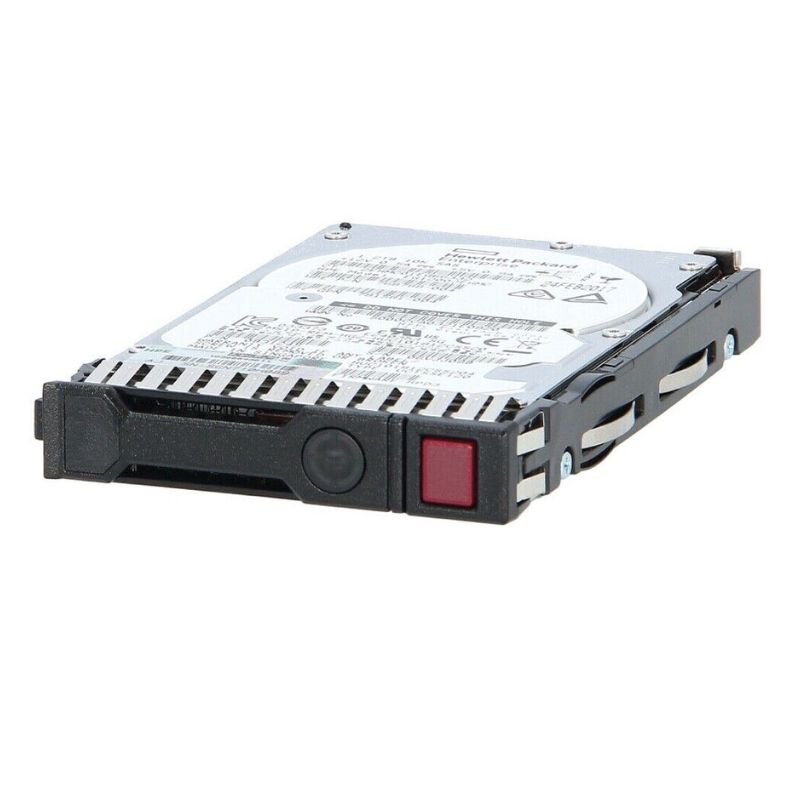
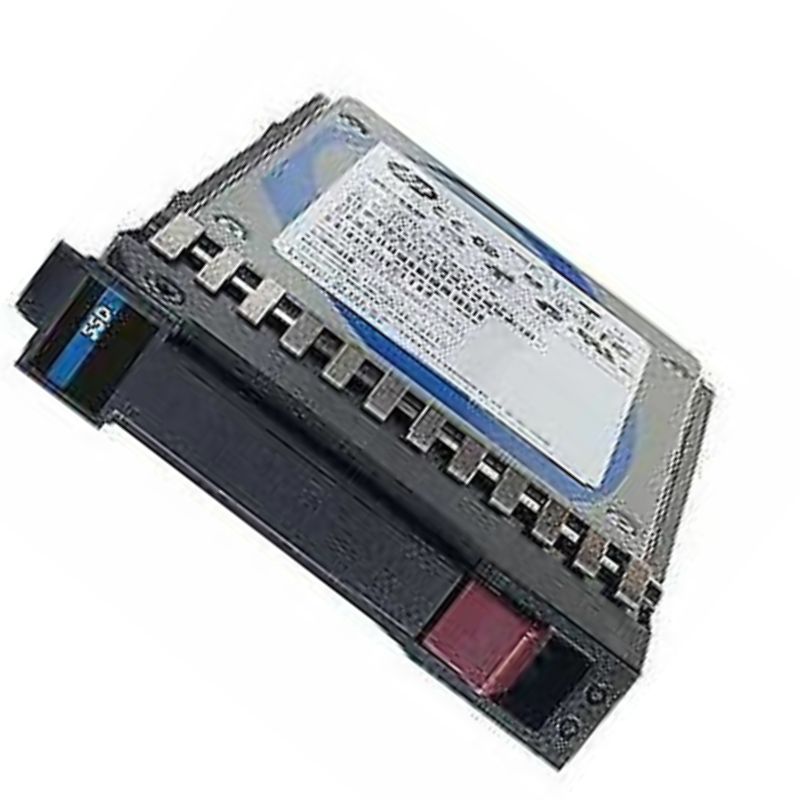
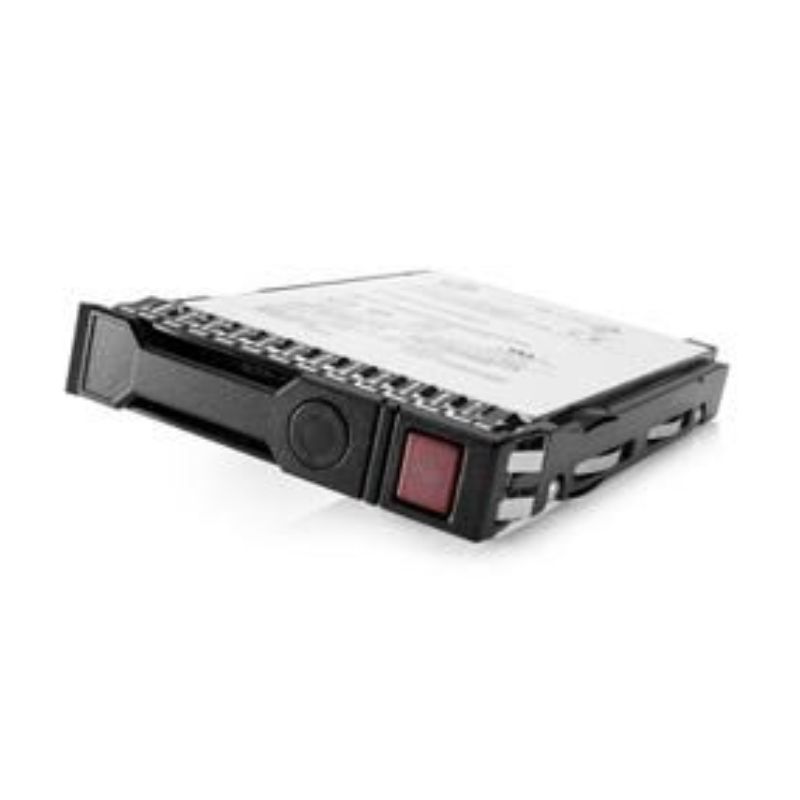
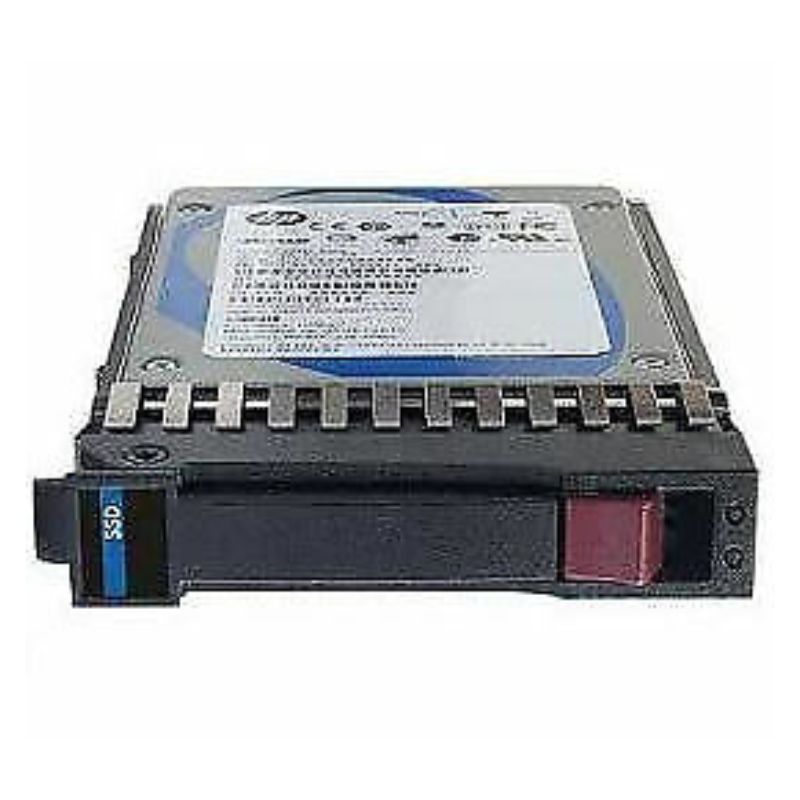
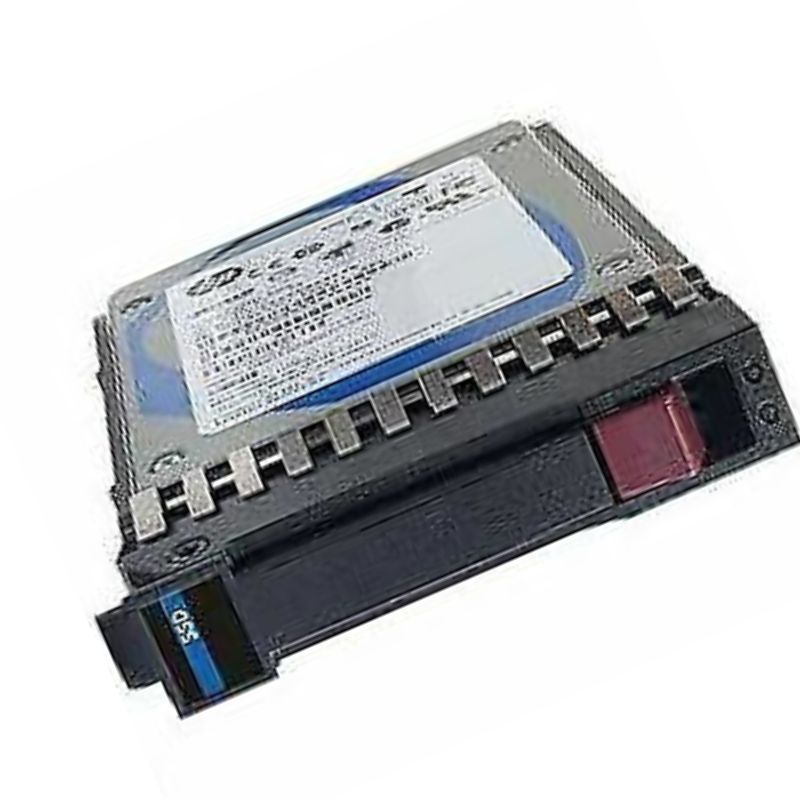
6.4TB NVMe HPE MO006400KYLHN Gen4 MP MU SFF BC U.3 V2 MV SSD

MO006400KYLHN
* Product may have slight variations vs. image
Hover on image to enlarge

Brief Overview of MO006400KYLHN

HPE MO006400KYLHN 6.4TB NVMe Gen4 MP MU SFF BC U.3 V2 MV SSD. New (System) Pull with 1 year replacement warranty

$1,281.15
$949.00
You save: $332.15 (26%)
Ask a question
Price in points: 949 points
+
Quote
Additional 7% discount at checkout
SKU/MPNMO006400KYLHNAvailability✅ In StockProcessing TimeUsually ships same day ManufacturerHPE Manufacturer WarrantyNone Product/Item ConditionNew (System) Pull ServerOrbit Replacement Warranty1 Year Warranty
Google Top Quality Store Customer Reviews
Our Advantages
Payment Options
  • — Visa, MasterCard, Discover, and Amex
  • — JCB, Diners Club, UnionPay
  • — PayPal, ACH/Bank Transfer (11% Off)
  • — Apple Pay, Amazon Pay, Google Pay
  • — Buy Now, Pay Later - Affirm, Afterpay
  • — GOV/EDU/Institutions PO's Accepted 
  • — Invoices
Delivery
  • — Deliver Anywhere
  • — Express Delivery in the USA and Worldwide
  • — Ship to -APO -FPO
  • For USA - Free Ground Shipping
  • — Worldwide - from $30
Description

HPE MO006400KYLHN Enterprise NVMe Gen4 Storage Overview

The HPE MO006400KYLHN 6.4TB NVMe Gen4 MU SFF U.3 V2 SSD represents a high-performance, data-center grade storage solution engineered for demanding workloads. Built on the PCIe Gen4 NVMe architecture and delivered in a multi-port (MP) form factor, this drive is tailored for enterprise server platforms, hyperconverged infrastructures, and latency-sensitive applications that require consistent throughput and low I/O latency. The following content explores the technical attributes, compatibility considerations, performance characteristics, deployment scenarios, reliability features, and relevant product messaging for category pages that list this model and similar U.3 V2, single-sided (SFF) NVMe devices.

Technical Specifications for MO006400KYLHN

  • Brand: HPE 
  • Part Numbe: MO006400KYLHN
  • Capacity: 6.4TB
  • Interface: NVMe PCIe Gen4 (U.3 V2)
  • Form Factor: SFF, single-sided, hot-swap
  • Use Cases: Databases, VDI, NVMe-oF nodes, cache tiers
  • Enterprise Features: Power-loss protection, advanced wear-leveling, SMART telemetry

Key technical snapshot

  • Capacity: 6.4 TB (usable capacity as specified by vendor models in this family).
  • Interface: PCIe NVMe Gen4 (leveraging the Gen4 PCIe bandwidth for accelerated I/O).
  • Form factor / Connector: SFF (U.3 / U.3 v2 compatible variants commonly used in HPE servers).
  • Target workload class: Mixed-Use / Enterprise (balanced read/write intensive operations).
  • Manufacturer part number: MO006400KYLHN (HPE OEM SKU format).

These attributes position the MO006400KYLHN as a high-capacity flash device suitable for database caching, virtualized environments, boot pools for large servers, and other I/O-intensive applications. :contentReference[oaicite:1]{index=1}

Performance characteristics and design advantages

Gen4 NVMe throughput and latency benefits

By utilizing NVMe over PCIe Gen4, the drive benefits from increased lanes and per-lane bandwidth when compared to Gen3 devices. This translates into substantially higher sequential throughput and superior small-block random IOPS for mixed cloud and on-premises workloads. The Gen4 platform also reduces queueing latency under sustained load—important for latency-sensitive services such as online transaction processing and high-performance virtualization. :contentReference[oaicite:2]{index=2}

Mixed-Use endurance and reliability

HPE classifies many of its 6.4TB NVMe SKUs for mixed-use scenarios, balancing endurance and cost. Mixed-use drives are optimized to sustain both read and write patterns common in multi-tenant and database-heavy environments. Expect enterprise-grade firmware, drive-health telemetry, and compatibility testing with HPE server platforms as part of this product lineage. :contentReference[oaicite:3]{index=3}

Thermal and power management

Large-capacity NVMe SSDs in this class commonly include thermal throttling, power-optimized idle states, and firmware-level protections to keep performance consistent under diverse operating conditions. HPE’s integration and qualification with server platforms ensures suitable power and cooling profiles for rack-scale deployments. Refer to vendor integration notes for best-practice drive placement and airflow guidance. :contentReference[oaicite:4]{index=4}

Compatibility, integration, and firmware considerations

HPE server compatibility

This SKU is intended for HPE servers and storage enclosures that support U.3 / U.3 v2 or SFF NVMe drives. HPE’s official compatibility matrix and product pages outline which server generations and BIOS/ILO firmware versions are validated for each drive family—consult those resources before deployment to avoid compatibility pitfalls. :contentReference[oaicite:5]{index=5}

Firmware and signed firmware policy

HPE utilizes digitally signed firmware on its drives to ensure firmware authenticity and to protect against unauthorized or incompatible firmware updates. When managing fleets of NVMe drives, use HPE’s update utilities and smart-component bundles to keep drive firmware current while preserving warranty and support eligibility. :contentReference[oaicite:6]{index=6}

Use cases and workload recommendations

Best-fit scenarios

  • Virtualization hosts: high-capacity local storage for VM images, fast boot times, and responsive multi-tenant I/O.
  • Database acceleration: ideal for caching hot data sets or for transactional workloads requiring consistent low latency.
  • High-performance file services: backend flash tiers for scale-out file services and metadata acceleration.
  • Edge data nodes: compact form factor and enterprise durability for distributed compute/storage nodes.

Because of its capacity and NVMe Gen4 interface, the MO006400KYLHN is especially effective where both density and performance are required in a 2.5" SFF footprint. :contentReference[oaicite:7]{index=7}

Deployment planning and operational tips

Capacity planning

When planning deployments, set aside overhead for over-provisioning and consider real-world write amplification. Factor in RAID / erasure coding overheads at the array level and reserve spare slots for predictable failover and rebuild capacity. In many enterprise designs, using a combination of mixed-use NVMe drives and higher-endurance models gives the best balance of cost and longevity.

Practical checklist before purchase

  • Confirm server backplane and connector support (U.3 / U.3 v2 vs. other SFF connectors).
  • Verify compatibility with server BIOS/firmware and HPE support matrices.
  • Request or review the drive’s endurance (DWPD or TBW) and warranty terms where available.
  • Plan for firmware update procedures and signed firmware policies.

Security, data integrity, and warranty

Data protection features

Enterprise NVMe drives typically include features such as power-loss protection, end-to-end data path protection, and firmware-level error handling to reduce silent data corruption. When using HPE-branded drives, these protections are usually validated through HPE’s qualification testing and should be leveraged alongside server-level redundancy. :contentReference[oaicite:9]{index=9}

Warranty and support

Warranty coverage, service terms, and RMA processes vary by distributor and region. Purchasing through official HPE channels or authorized resellers ensures access to HPE support and firmware updates. For aftermarket or open-box purchases, confirm seller policies and any limits to manufacturer support. :contentReference[oaicite:10]{index=10}

Comparisons and buying signals

How MO006400KYLHN compares to other 6.4TB NVMe SKUs

Within the HPE 6.4TB NVMe family there may be multiple variant part numbers (for example MO006400KYDND, MO006400KWVND, and other close SKUs) that differ by firmware tuning, endurance class, or tray/packaging for specific server lines. Carefully match the exact part number to your use case—some SKUs are tailored to mixed-use workloads while others emphasize higher endurance or different thermal profiles. :contentReference[oaicite:11]{index=11}

Shopping advice

  • Prioritize drives sold as “HPE OEM” or through authorized channels if you require full manufacturer support.
  • When cost is a major factor, compare mixed-use vs. high-endurance SKUs and calculate total cost of ownership (TCO) including replacement windows and potential downtime costs.
  • Ask suppliers for firmware revision numbers and compatibility confirmation for your specific HPE server model prior to ordering.
Content variations and FAQ ideas for product pages
  • “What servers is MO006400KYLHN compatible with?” — link to HPE compatibility lists.
  • “What is the difference between mixed-use and high-endurance HPE NVMe?” — explain endurance metrics and intended workloads.
  • “How to update firmware on HPE NVMe drives?” — reference HPE Smart Update or signed firmware instructions.
  • “What RAID configurations are recommended with NVMe U.3 devices?” — outline typical RAID/erasure coding patterns and rebuild time considerations.

Key Specifications and What They Mean for Buyers

Understanding the specification sheet empowers procurement teams and technical buyers to choose the correct drive for system integration. The MO006400KYLHN's headline capacity of 6.4TB is paired with Gen4 NVMe signaling and a U.3 V2 small-form-factor (SFF) connector, delivering elevated interface bandwidth compared to Gen3 parts. Important spec elements to highlight on a category page include:

  • Capacity: 6.4TB (raw), suitable for high-density storage pools and hot data sets.
  • Interface: PCIe 4.0 x4 NVMe — higher theoretical throughput and better utilization of modern CPU-to-storage lanes.
  • Form factor: SFF U.3 V2 (U.3 backplane compatible) enabling mixed SAS/SATA/U.3 environments in many server designs.
  • Multi-port (MP): Enhanced redundancy/connectivity options in supported platforms.
  • Endurance & TBW: Enterprise-grade endurance rating (expressed in DWPD or TBW on spec sheets) — important for write-intensive workloads.
  • Latency & IOPS: Low latency and high IOPS performance for transactional databases and virtualization.

Interface & Form Factor: U.3 V2 Benefits Explained

U.3 V2 is an evolution of the U.2/U.3 connector ecosystem that supports a compact SFF footprint with robust hot-swap and backplane compatibility. For datacenter operators, the U.3 V2 connector simplifies mixed-drive bay deployments, allowing NVMe devices to coexist with legacy SAS/SATA hardware when paired with the right backplanes and controllers. The Gen4 link provides a notable uplift in bandwidth for sequential transfers and parallel I/O compared to earlier generations, and that uplift directly benefits scale-out storage arrays and NVMe-oF front-end nodes.

Performance Characteristics and Measurable Gains

When profiling the MO006400KYLHN, performance should be described across multiple metrics: sequential read/write throughput, random read/write IOPS at specific queue depths, typical latency under mixed workloads, and steady-state performance under sustained writes. Use comparative phrasing (e.g., "up to" numbers based on vendor datasheets) while emphasizing real-world workload benefits:

  • Sequential Throughput: Ideal for large-file streaming, backups, and media workloads where sustained MB/s matters.
  • Random IOPS: Critical for OLTP databases, VDI boot storms, and containerized microservices handling numerous small I/O operations.
  • Latency: Lower average latency yields faster transaction commits and improved end-user responsiveness.
  • Quality of Service (QoS): Enterprise SSDs often include firmware features that sustain performance under heavy queue depths and avoid massive latency spikes.

Reliability, Endurance and Data Integrity

Enterprise deployments demand more than raw speed: they require predictable longevity and strong data-protection features. The HPE MO006400KYLHN class typically includes:

  • Power-loss protection: Onboard capacitors and firmware routines that flush in-flight data to NAND in the event of power disruption.
  • End-to-end data path protection: CRC checks and metadata integrity features to prevent silent data corruption.
  • Wear-leveling and over-provisioning: Algorithms and spare capacity that extend usable life and mitigate performance degradation as the drive ages.
  • SMART / telemetry: Predictive failure analysis and drive health metrics for proactive maintenance.

Highlighting these points on a category page reassures enterprise customers that the drive fits 24/7 operational contexts, nearline caching systems, and critical transactional workloads.

Endurance Metrics and How to Use Them

Present endurance figures (DWPD — drive writes per day, or TBW — terabytes written) in an approachable way. Instead of only listing raw numbers, give guidance:

  • Explain how DWPD relates to specific workload profiles (e.g., “1 DWPD is usually ample for mixed read/write virtualization and general-purpose enterprise usage”).
  • Offer examples: “A 6.4TB drive with X TBW over the warranty period equates to Y TB written per year — enough for Z typical VM images refreshed daily.”
  • Suggest pairing high-endurance NVMe drives with write-intensive database tiers and lower-cost persistent storage options for cold data.

Compatibility and Integration Guidance

For category pages, clarify the platform compatibility matrix: which HPE server families, storage enclosures, and third-party backplanes are certified. Buyers want to know whether the U.3 V2 device will slot into existing trays, whether firmware updates are provided by HPE or the module vendor, and whether any host BIOS or controller updates are required to fully exploit Gen4 speeds.

Server Families and Backplane Considerations

List typical integration touchpoints:

  • HPE ProLiant and Synergy chassis compatibility.
  • Hot-swap trays that support SFF U.3 drives.
  • Firmware interoperability: ensuring the server's HBA/RAID firmware supports NVMe 1.4+ or the relevant spec for U.3 V2 multi-port operations.
  • Cooling and thermal profiling: Gen4 NVMe drives can run hotter; confirm chassis airflow and thermal throttling behavior.

Recommended Use Cases and Deployment Patterns

Position the MO006400KYLHN as a premium option for specific workloads rather than a one-size-fits-all solution. This helps search rankings for long-tail queries and aids buyers in decision-making.

Primary Use Cases

  • High-performance databases: OLTP systems and in-memory database persistence layers that require low latency and high IOPS.
  • Virtual desktop infrastructure (VDI): Boot storms and user profile storage benefit from strong random I/O performance.
  • Analytics and real-time processing: High-throughput streaming ingestion with many concurrent read/write operations.
  • Cache tiers in hybrid storage stacks: Use as an NVMe cache fronting HDD capacity to accelerate read/write requests.

Architecture Patterns

Explain architectures where the drive shines:

  • All-flash NVMe arrays: As a capacity-optimized NVMe device within an all-flash cluster.
  • Tiered storage nodes: Combining the MO006400KYLHN for active datasets with high-capacity HDDs for cold storage.
  • NVMe-oF endpoints: Drives used in storage nodes that present low-latency NVMe namespaces across fabrics like RDMA or TCP.

Firmware, Security and Manageability Features

Modern enterprise SSDs include more than raw flash — they come with firmware-managed features for security and lifecycle management. For buyer clarity, include searchable phrases that customers look for:

  • Secure erase and cryptographic erase: Methods that render data unrecoverable for secure decommissioning.
  • SED (Self-Encrypting Drive) options: If available, note hardware encryption support and key management interoperability with HSM/KMIP solutions.
  • Firmware update channels: HPE firmware repositories, tools for mass update, and change control best practices.
  • SMART telemetry and logging: Visibility into device health using standard NVMe logs and vendor extensions.

Security Best Practices

Recommend practical steps for administrators:

  • Use hardware-based encryption where possible for regulated data.
  • Rotate keys and apply cryptographic erase before hardware disposal.
  • Stay current with firmware updates to mitigate vulnerabilities and improve stability.

Thermal Management and Power Considerations

Gen4 NVMe devices can have different thermal and power envelopes than older devices. Category pages should advise customers to verify:

  • Chassis airflow ratings and drive-level temperature operating ranges.
  • Server power budget when populating multiple high-performance NVMe devices.
  • Thermal throttling behavior — what to expect under sustained peak workloads.

Practical Tips for Rack Operators

  1. Monitor drive temperatures with the server management stack and set alerts for sustained high temps.
  2. Distribute drive populations across hot/cool zones in the chassis when possible for better thermal balance.
  3. Review vendor guidance for maximum drive density at full performance levels to avoid unintended throttling.

Lifecycle, Warranty and Support Expectations

Provide clear information that helps procurement and support teams plan asset lifecycles: warranty duration, typical MTBF, how to RMA, and HPE support tiers. Highlight whether the product qualifies for HPE's integrated support and how to register drives for warranty service.

  • Warranty: Typical enterprise SSD warranties and what they cover (replacement, TBW-backed guarantees).
  • RMA process: Steps for initiating a return and how to preserve warranty (serial number records, firmware policies).
  • Firmware compatibility: Support windows for firmware revisions and the importance of vendor-certified updates.

Choose Between Capacity-Tier and Performance-Tier NVMe

Buyers often compare similarly sized NVMe models that prioritize either capacity efficiency or raw performance. Provide a decision guide:

  • Choose a capacity-tier NVMe (like this 6.4TB model) if: you need high usable storage per node with solid random performance for mixed workloads.
  • Choose a performance-tier NVMe if: your workload demands the absolute lowest latencies and the highest IOPS regardless of cost per GB.
  • Consider hybrid architectures: combining performance-tier drives for metadata and hot datasets with capacity-tier drives for bulk storage.

Cost of Ownership Considerations

Encourage the inclusion of total cost of ownership (TCO) factors: $/GB, power consumption, rack space efficiency, potential consolidation benefits from higher per-drive capacities, and maintenance overhead. Offer formulas or simple examples to let customers approximate replacement cycles and annualized cost.

Structured Data & Schema Suggestions

For improved search engine visibility, implement structured data (JSON-LD) on product category and product detail pages. Schema elements to include:

  • Product: name, modelNumber, brand, description, image, sku.
  • Offer: priceCurrency, price, availability, url.
  • AggregateRating / Review: if you have verified ratings and reviews for the drive or comparable models.
  • ManufacturerPartNumber: include the HPE model number for precise matching in search results.

Comparisons and Upgrade Pathways

Help buyers decide whether to upgrade existing drives or choose different capacities by offering clear comparisons:

  • vs. SATA/SAS enterprise drives: NVMe Gen4 offers far greater bandwidth and typically much lower latency — ideal for performance tiers rather than archive tiers.
  • vs. earlier NVMe Gen3 drives: Gen4 may provide up to double the theoretical throughput; real-world improvements depend on system bus, CPU, and software stack.
  • Scaling: Recommend testing with representative workloads before migrating large server fleets to Gen4-only configurations.

Migration Checklist

Provide a short checklist to reduce friction during procurement and deployment:

  1. Confirm chassis/backplane U.3 V2 compatibility.
  2. Validate HBA/RAID firmware supports Gen4 NVMe and MP features.
  3. Plan thermal/power budget for populated NVMe bays.
  4. Register drives for warranty and note firmware baseline.
  5. Run pre-deployment performance validation using representative workloads.

Content Signals That Improve Conversion

To improve category page performance and conversion rates, combine technical depth with visual and trust signals:

  • High-quality product images and connectors close-ups.
  • Datasheet PDF download links with clear file size and versioning.
  • Customer case studies or short testimonials about similar drives in production.
  • Comparison table with sibling capacities and endurance classes.

Example Comparison Table Elements (Descriptive)

While not presenting a full table here, recommend table columns such as Model, Capacity, Interface, Endurance (DWPD/TBW), Typical Use Case, Warranty, and Price Band. Tables make it easier for search engines to parse product attributes and for buyers to compare.

Localization and Pricing Copy for Global Audiences

If the category page targets multiple regions, include currency-specific offer snippets and localized logistics information. Use hreflang tags and localized metadata to ensure correct regional indexing. For, include phrases like:

  • "Buy HPE MO006400KYLHN in [Country]"
  • "HPE 6.4TB NVMe SSD price [Currency]"
  • "HPE enterprise SSD distributors [Region]"

Closing Product Messaging Blocks (No Conclusion Paragraph)

On category pages, present concise callouts to guide next steps: view full datasheet, compare sibling models, check compatibility with your server model, or contact sales for volume pricing and migration support. Encourage technical readers to download a spec sheet and procurement teams to request a quote or RMA policy summary. Include links to firmware update resources and HPE support portals where appropriate.

Actionable CTAs to Drive Engagement

  • Download datasheet — include version and file size.
  • Compare models — link to side-by-side comparison tool.
  • Request quote — simple form prefilled with model and quantity fields.
  • Compatibility check — server model lookup tool to verify backplane and firmware requirements.
Final Technical Reminder for Integrators

Always validate drive firmware with the target server platform, perform thermal validation under expected peak loads, and run performance testing before full-scale deployment. Because U.3 V2 Gen4 NVMe drives deliver a step-change in throughput and IOPS, the surrounding architecture — CPU, memory, and fabric — must be capable of absorbing the increased data flow to realize the drive's full potential.


Features
Manufacturer Warranty:
None
Product/Item Condition:
New (System) Pull
ServerOrbit Replacement Warranty:
1 Year Warranty