(7% discount is applied at checkout)
Cart is empty
Your go-to destination for cutting-edge server products
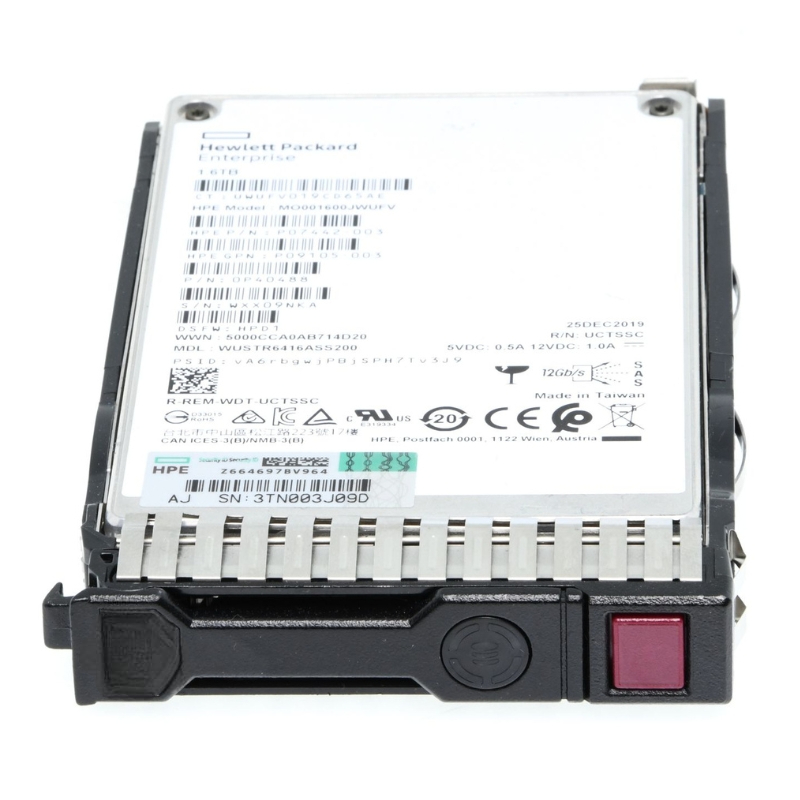


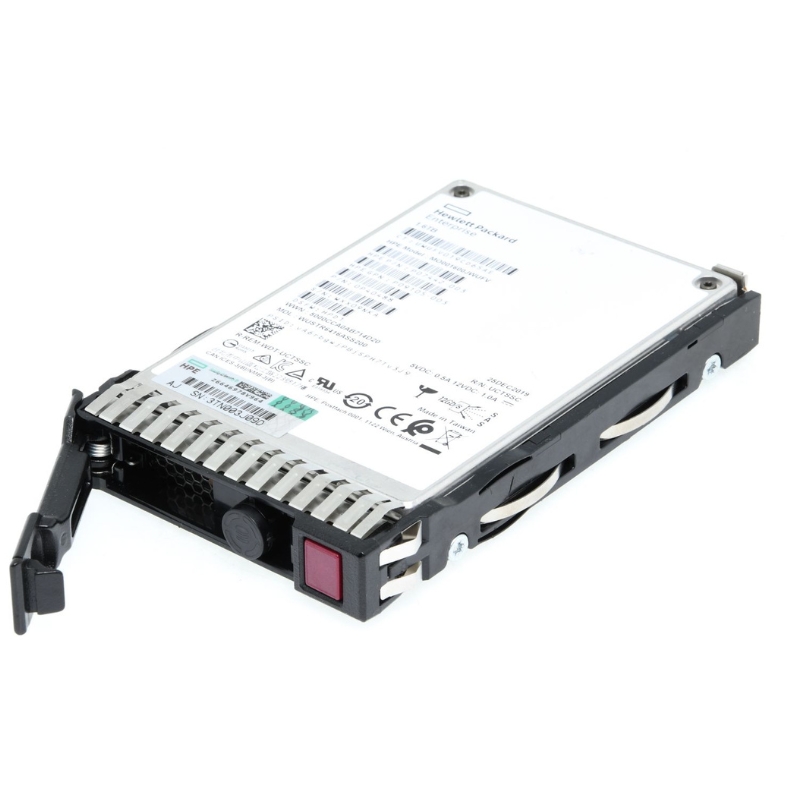
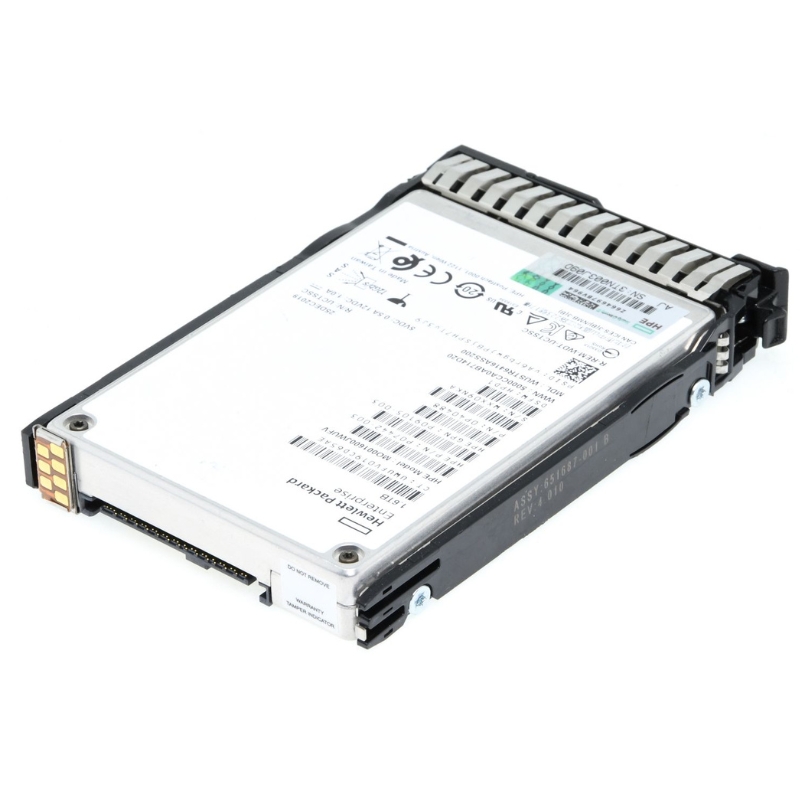
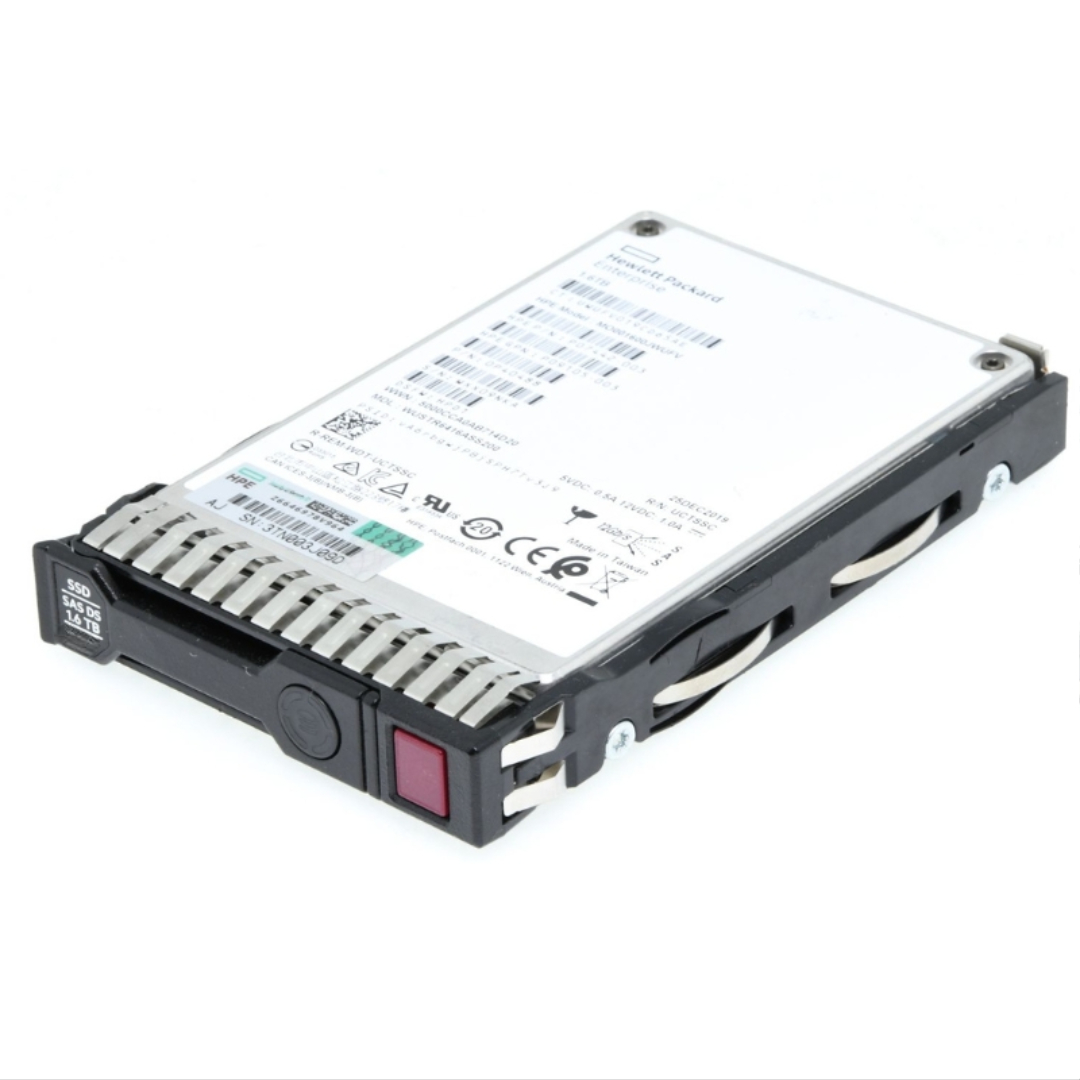
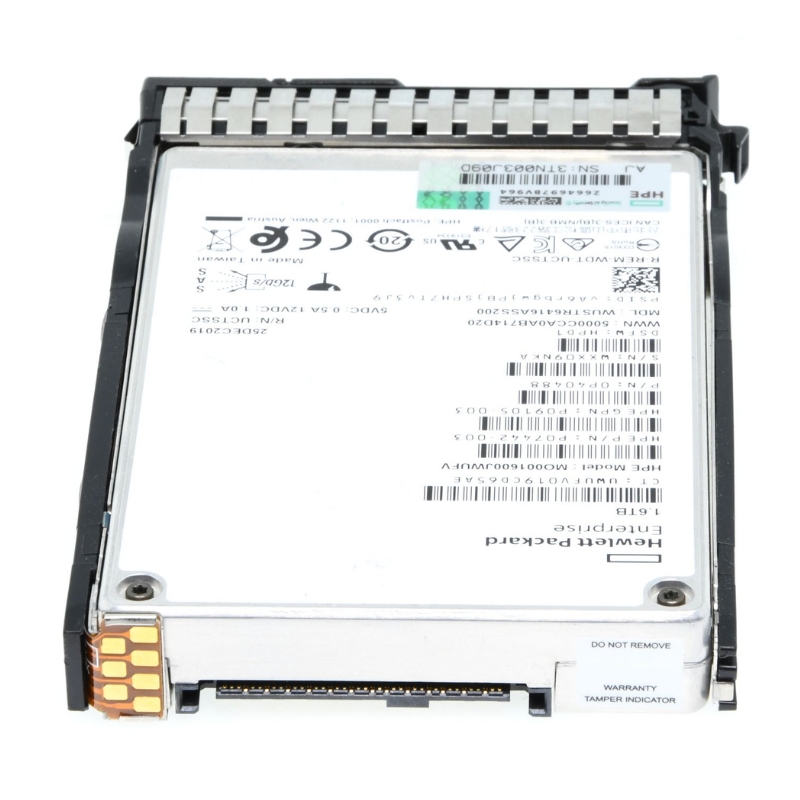
HPE N9X84A SV3000 400GB SAS 12GBPS MU SFF SSD. Excellent Refurbished with 1 year replacement warranty
The HPE N9X84A SV3000 400GB SAS 12Gb/s MU SFF SSD is engineered to deliver high-speed performance, reliability, and durability for enterprise-level storage requirements. Built for demanding workloads, this solid-state drive ensures smooth operations across data-intensive applications, virtualization, and cloud-based infrastructures.
The HPE N9X84A SSD incorporates 12Gb/s SAS connectivity, offering higher bandwidth and lower latency compared to traditional drives. Its standard 2.5-inch width ensures compatibility across a wide range of servers and storage arrays.
The HPE N9X84A is optimized for mixed-use workloads, ensuring consistent performance whether handling transactional databases, online applications, or virtualization tasks. Businesses benefit from reduced latency, faster boot times, and enhanced overall system responsiveness.
The drive uses a 12Gbps SAS interface, providing full-duplex, high-reliability connectivity for enterprise storage controllers and HBAs. The SFF 2.5" form factor supports high-density server and array deployments, allowing more drives per chassis and efficient rack utilization. The MU (multi-user) designation indicates suitability for concurrent multi-host access patterns and heavy queue-depth operation.
At 400GB raw capacity, the drive supports enterprise provisioning models including thin provisioning and hardware-assisted over-provisioning (when configured through array firmware). Logical capacity available to the operating system may vary depending on drive formatting and array-level RAID or provisioning overhead.
Enterprise SSDs like the SV3000 emphasize predictable endurance and data integrity mechanisms:
When planning drive density in servers and arrays, account for thermal dissipation and power draw. SSDs typically consume less power than comparable spinning media during active use but can still produce noticeable heat at high sustained IO—proper airflow and chassis cooling remain essential. Check HPE installation guides for drive bay thermal recommendations and maximum supported drive counts per enclosure.
The HPE N9X84A is well-suited to several enterprise scenarios where a balance of performance, reliability, and cost-efficiency is required.
Virtualized servers and desktop pools benefit from low-latency random I/O. The SV3000’s small-form-factor density and consistent response times make it a strong candidate for hypervisor hosts that host many small random I/O operations.
Transactional databases (OLTP) with frequent small-block reads and writes see performance uplift from flash’s low latency and high IOPS. Use the SV3000 for log devices, caching tiers, or primary database volumes for medium-scale enterprise databases.
Integrate the 400GB SV3000 SSDs as a fast tier in HPE array tiering strategies (e.g., as a hot tier or metadata cache). Their consistent performance profile is ideal for caching frequently accessed blocks, reducing latency for downstream HDD tiers.
SFF SSDs are commonly used for boot, OS, and critical system volumes across blade and rack servers where density and reliability are required. The 400GB capacity is often more than sufficient for system images combined with local caching.
Ensure compatibility by verifying firmware levels, HPE qualification matrices, and controller support. The N9X84A is designed for HPE environments but may also function in other SAS-capable arrays—however, for warranty and support reasons, prefer HPE-qualified configurations in production.
Check the target enclosure's supported drive list for the SV3000 SKU. In enclosures with mixed media (HDD+SSD), follow vendor recommendations for slot placement—some systems reserve certain bays for flash to optimize thermal and I/O behavior.
Use the following recommendations to ensure predictable performance and maintain drive longevity.
Integrate drive telemetry into existing monitoring systems—HPE Integrated Lights-Out (iLO), HPE OneView, and storage management suites generally expose drive health metrics and alerting. Establish thresholds for predictive replacement to avoid unplanned downtime and schedule firmware maintenance windows.
Even with enterprise-grade SSD reliability, maintain regular backups and a validated disaster recovery plan. SSD failure modes can differ from HDDs; ensure backup frequency and retention meet your RPO/RTO targets.
When benchmarking or tuning storage layers with HPE SV3000 drives, use representative workloads and test with appropriate queue depths. Synthetic tests (e.g., fio, vdbench) should emulate production block sizes, read/write ratios, and concurrency to produce actionable insights.
Focus on percentile latency metrics (e.g., 99th/99.9th percentiles) for enterprise workloads, since average latency can mask tail behaviors. Also monitor CPU and controller utilization during tests to identify bottlenecks outside the drive (e.g., HBA saturation or host-side resource constraints).
When evaluating the HPE N9X84A versus other flash options, consider the following dimensions: capacity and density, endurance rating, interface speed (12Gbps SAS vs. NVMe), price-per-GB, and vendor support.
Mixing 400GB enterprise SSDs with larger-capacity HDDs or higher-capacity SSDs enables tiered storage patterns. Use smaller, high-performance SSDs for hot-data tiers and larger media for capacity tiers, balancing cost and performance.
Enterprise drives often include features relevant to data security and regulatory compliance:
Maintain asset and firmware inventories for auditing purposes. For regulated environments, document secure wipe procedures and retain evidence of data sanitization when recycling or repurposing drives.
Maintain spare units in stock sized appropriately for critical systems. For larger deployments, plan for phased replacements as drives approach end-of-life or exceed recommended endurance thresholds.
Below are practical steps to diagnose and remediate common drive-related problems.
Avoid mixing drives with incompatible firmware in the same storage pool, and always adhere to recommended rebuild rates and concurrency limits. Excessive rebuild parallelism can stress back-end controllers and affect cluster-wide performance.
Search for HPE technical datasheets for the SV3000 series, HPE storage configuration guides, and HPE OneView/iLO documentation for management and monitoring procedures. For benchmarking, consult fio and vendor-provided test suites to reproduce expected workloads and measure real-world behavior in your environment.
HPE N9X84A SV3000 400GB SAS 12Gbps MU SFF SSD — enterprise-grade flash for low-latency, high-IOPS workloads; ideal for virtualization, database acceleration, and high-performance tiering.


 Contact Us
 Information
 Catalog
 Solid State Drives (SSD)
 Network Switches
 Hard Disk Drives
 HBA & Controllers
 PC & Servers
 PC & Server Memory
 CPU & Processors
 Network Routers
 Power Supplies
 Tape Drives & Libraries
 Network Devices
 Computer & Network Cables