(7% discount is applied at checkout)
Cart is empty
Your go-to destination for cutting-edge server products
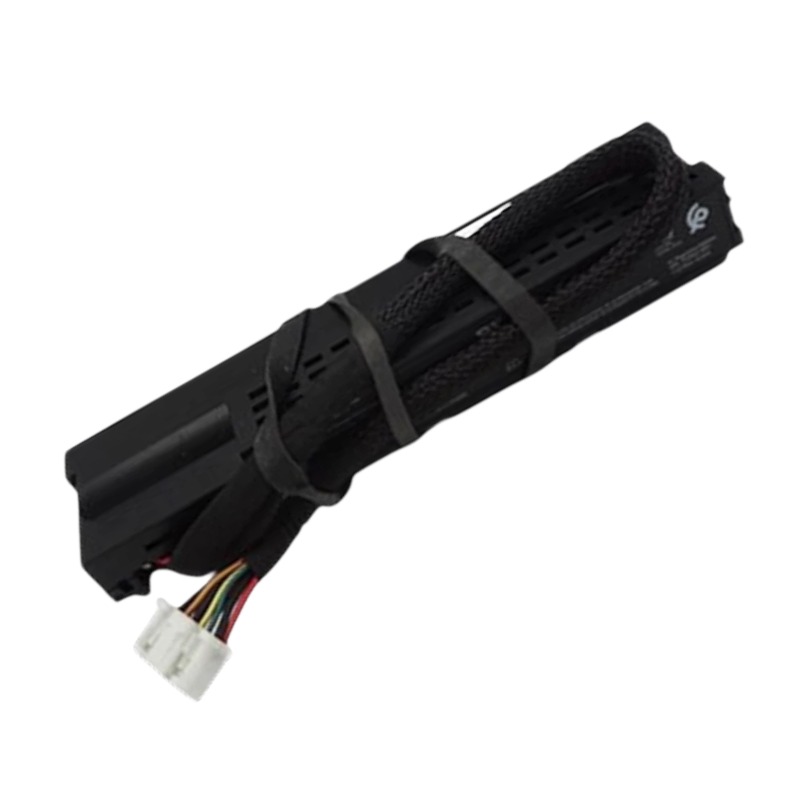


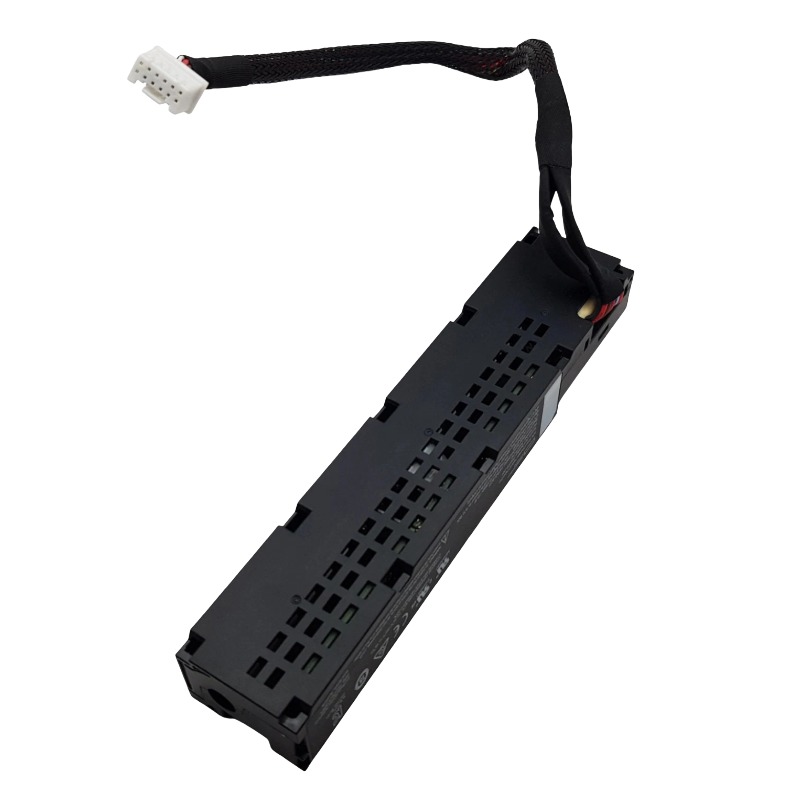
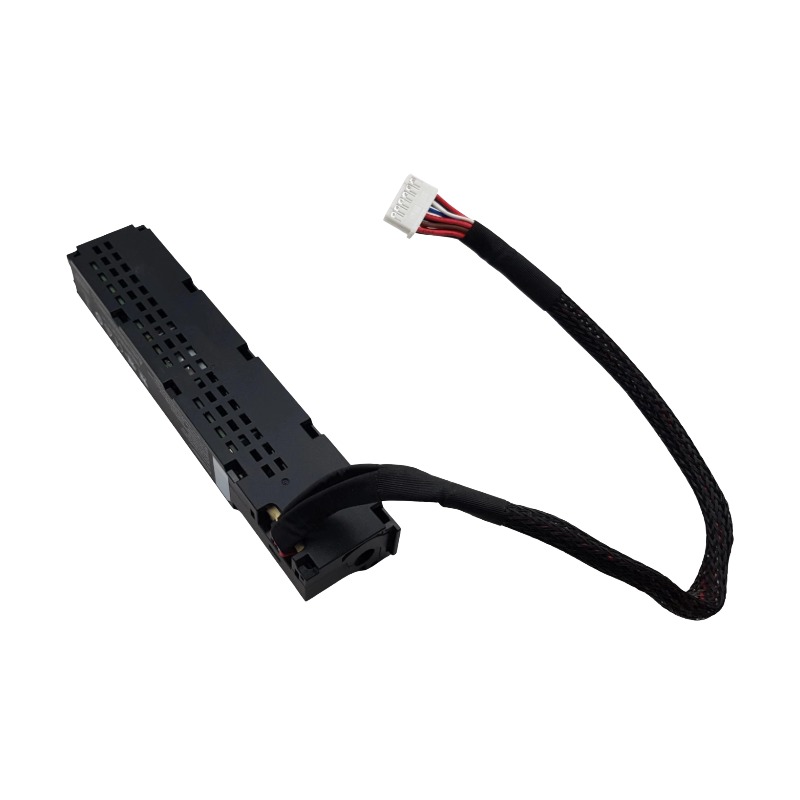
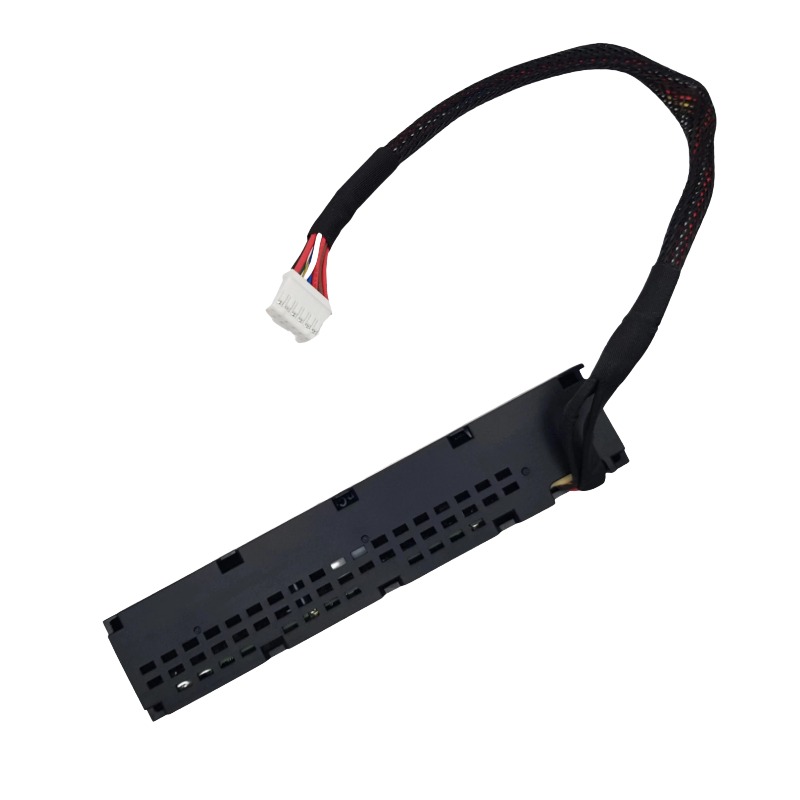
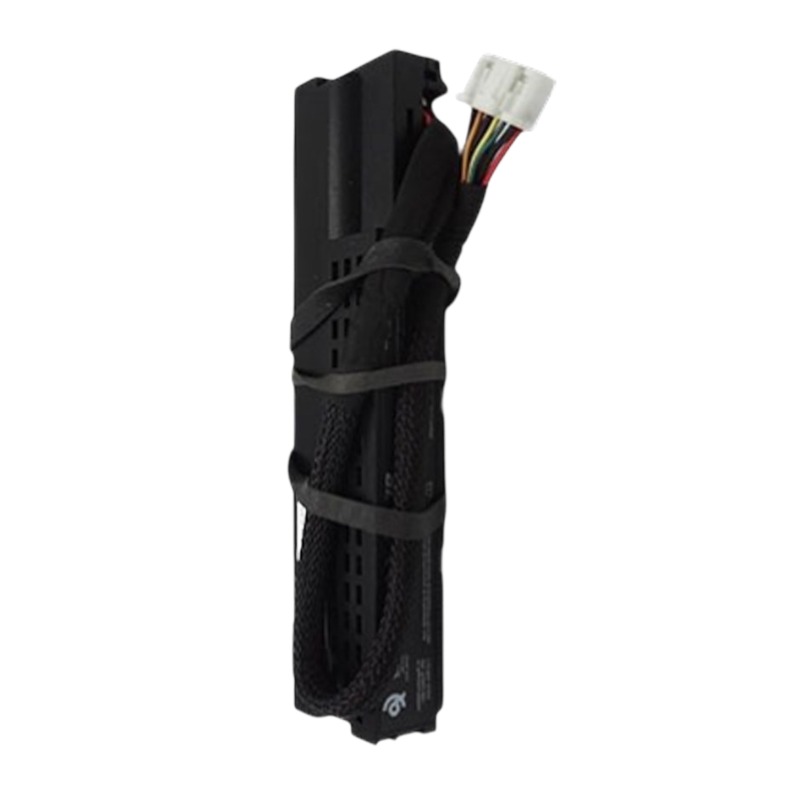
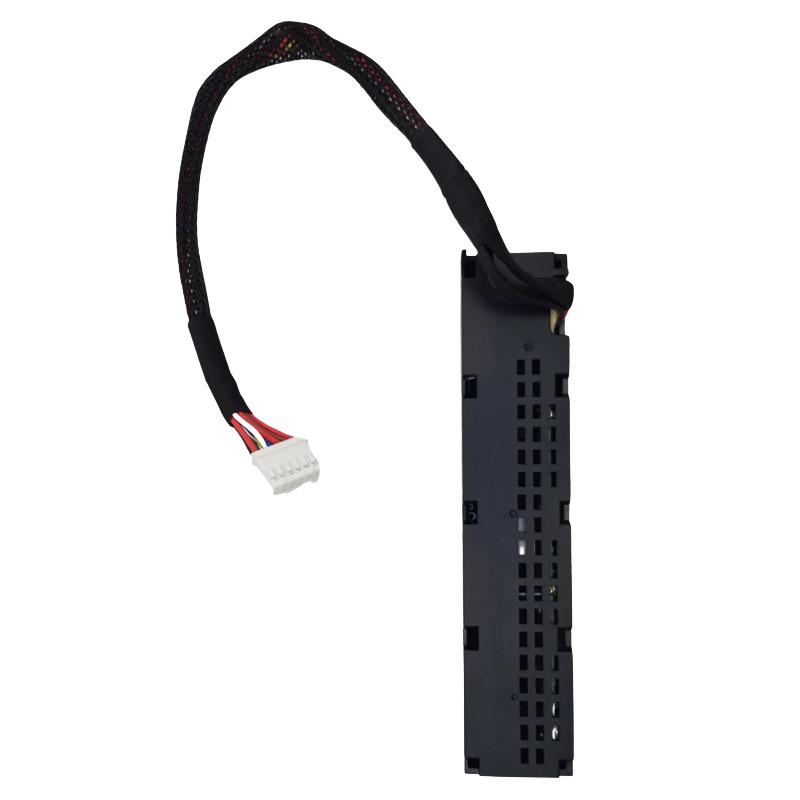
HPE P02379-210 Smart Storage Hybrid Capacitor with 260mm Cable. New System Pull with 1 Year Replacement Warranty
The HPE P02379-210 Smart Storage Hybrid Capacitor with 260mm Cable Kit is an advanced, battery-free energy storage module designed to enhance data protection and system reliability in enterprise-grade server environments. It uses modern supercapacitor technology to deliver consistent backup power without the degradation issues commonly found in lithium-ion batteries.
The HPE P02379-210 Smart Storage Hybrid Capacitor with 260mm Cable Kit represents a critical component within enterprise-grade server storage protection systems, specifically engineered to support high-performance RAID controller environments. This category of hybrid capacitor solutions is designed to enhance data integrity, ensure uninterrupted write operations, and provide advanced power-loss protection for modern data center infrastructures. In enterprise computing environments where uptime, reliability, and transactional consistency are essential, hybrid capacitor-based storage protection systems play a foundational role in safeguarding volatile memory contents during unexpected power interruptions.
Within the broader ecosystem of HPE Smart Storage technologies, hybrid capacitor kits are integrated into RAID controller architectures to bridge the gap between volatile cache memory and persistent storage media. The inclusion of a 260mm cable kit ensures proper physical connectivity between the capacitor module and the controller unit, enabling efficient energy transfer and timely cache de-stage operations. This category is widely adopted in mission-critical environments such as cloud data centers, virtualization clusters, database servers, and high-throughput transactional systems.
Smart storage systems in enterprise servers are designed to optimize performance while maintaining strict data protection standards. The HPE Smart Storage architecture integrates hardware-based caching mechanisms with intelligent firmware-level control, ensuring that read and write operations are executed with minimal latency. The hybrid capacitor subsystem plays a pivotal role in this architecture by acting as a temporary energy reservoir that activates during sudden power loss scenarios.
Hybrid capacitor technology combines characteristics of traditional electrolytic capacitors and modern energy storage cells, enabling rapid charge and discharge cycles. In server environments, this hybrid design ensures that cached data residing in volatile memory is safely transferred to non-volatile storage devices before system shutdown. This process is critical in preventing data corruption, incomplete write operations, and RAID array inconsistencies.
The energy buffering mechanism of hybrid capacitors allows instantaneous power delivery to RAID controller cache modules. This ensures that even in the absence of external power, the system retains sufficient energy to complete pending write operations. The efficiency of this mechanism is highly dependent on capacitor health, cable integrity, and controller firmware optimization.
Hybrid capacitors are engineered for long lifecycle performance, supporting thousands of charge and discharge cycles without significant degradation. This makes them suitable for continuous enterprise workloads where system uptime is expected to remain near 100 percent. The 260mm cable kit ensures stable electrical connectivity, minimizing resistance and power loss during these cycles.
The 260mm cable length is carefully designed to accommodate standard HPE server chassis layouts, allowing flexible routing between RAID controllers and capacitor modules. Proper cable length ensures minimal strain on connectors while maintaining optimal signal and power transmission efficiency. In dense server configurations, cable management plays a crucial role in airflow optimization and thermal regulation.
Maintaining signal integrity across the capacitor connection is essential for real-time power loss response. The cable design incorporates shielding and optimized conductor materials to reduce electromagnetic interference and maintain stable energy transfer. This ensures that cache backup operations are executed without delay or disruption.
Enterprise servers operate under continuous thermal load, and cable components must withstand elevated temperatures without performance degradation. The 260mm hybrid capacitor cable kit is designed with heat-resistant insulation materials that preserve mechanical stability even in high-density rack environments.
The HPE P02379-210 Smart Storage Hybrid Capacitor system is commonly integrated with HPE Smart Array RAID controllers, which are widely deployed in enterprise server infrastructures. These controllers rely on capacitor-backed cache modules to maintain write-back caching capabilities, significantly improving storage throughput and system responsiveness.
Write cache protection is a critical feature enabled by hybrid capacitor systems. When power is interrupted, the capacitor immediately supplies energy to flush cached data into persistent storage. This prevents data loss and ensures transactional consistency across RAID arrays, particularly in database-heavy workloads and virtualization environments.
Modern HPE RAID controllers are equipped with firmware-level intelligence that continuously monitors capacitor status. This synchronization ensures that the system can predict power loss events and initiate protective measures in advance. The integration of firmware and hardware components enhances overall system resilience.
Hybrid capacitor kits are compatible with a wide range of HPE ProLiant servers and storage configurations. These platforms are designed to support scalable workloads, making them suitable for enterprises that require high availability and performance consistency. The capacitor module is typically deployed in environments that demand persistent write caching and high IOPS performance.
One of the most critical functions of the HPE Smart Storage Hybrid Capacitor system is its ability to respond instantly to unexpected power failures. The capacitor detects voltage drops and immediately activates stored energy to preserve volatile cache contents. This process occurs within milliseconds, ensuring that no data is lost during the transition from active to safe state.
The cache de-stage process involves transferring data from controller cache memory to permanent storage drives. This operation is executed automatically during power loss conditions, guided by embedded firmware logic. The efficiency of this process determines the level of data protection provided by the system.
In environments such as financial systems, healthcare databases, and cloud infrastructure, even minor data inconsistencies can lead to significant operational risks. Hybrid capacitor technology minimizes these risks by ensuring that all in-flight data transactions are completed or safely stored before system shutdown.
Write-back caching significantly improves storage performance by temporarily storing data in high-speed memory before writing it to disk. The hybrid capacitor ensures that this performance optimization does not compromise data integrity. As a result, systems can operate at higher throughput levels without risking data loss during power interruptions.
In high-load enterprise environments, latency reduction is a key performance objective. The integration of hybrid capacitors allows RAID controllers to acknowledge write operations more quickly, reducing bottlenecks and improving overall system efficiency.
Input/output throughput is significantly enhanced through intelligent caching mechanisms supported by capacitor-backed energy systems. This enables servers to handle larger volumes of simultaneous transactions, making them suitable for virtualization, cloud computing, and big data analytics workloads.
Hybrid capacitor systems are engineered for long-term operational durability, supporting continuous workloads in enterprise environments. Their lifecycle is optimized to match the expected lifespan of RAID controllers and server systems, reducing the need for frequent replacements.
Advanced monitoring systems embedded in HPE Smart Storage solutions allow for predictive failure analysis of capacitor health. This enables proactive maintenance scheduling, ensuring that potential failures are addressed before they impact system performance.
Firmware diagnostics continuously assess capacitor performance metrics such as charge retention efficiency, discharge speed, and operational temperature. These diagnostics help maintain optimal system reliability across extended deployment periods.
In large-scale data center environments, hybrid capacitor kits are essential for maintaining consistent storage performance across thousands of virtual machines and database instances. Their role in ensuring data consistency during power interruptions makes them indispensable in high-availability architectures.
Cloud computing platforms rely heavily on distributed storage systems where data integrity and availability are critical. Hybrid capacitors help maintain service continuity by protecting cache data during unexpected disruptions, ensuring seamless user experiences.
Virtualized environments place significant demands on storage subsystems due to concurrent workload execution. The capacitor-backed caching mechanism ensures that performance remains stable even under peak utilization conditions.
Maintaining optimal operating temperature is essential for ensuring long-term reliability of hybrid capacitor systems. Proper airflow design within server racks helps dissipate heat generated by RAID controllers and associated components, preserving capacitor efficiency.
Regular firmware updates ensure that the Smart Storage system operates with the latest performance improvements and security enhancements. These updates often include optimizations for capacitor energy management and cache handling algorithms.
Distributing workloads evenly across storage arrays helps reduce stress on individual RAID controllers and capacitor systems. This contributes to improved system longevity and stable performance under heavy enterprise workloads.
Mission-critical environments require uninterrupted access to data and services. Hybrid capacitor systems are a key component in achieving high availability, ensuring that storage operations remain consistent even during unexpected disruptions.
Redundant system architectures often incorporate multiple layers of fault tolerance, including RAID configurations and capacitor-backed caching systems. This layered approach significantly reduces the risk of data loss or service interruption.
Continuous operation assurance is achieved through the seamless interaction of hardware and firmware components. Hybrid capacitors ensure that even in failure scenarios, data integrity is preserved and system recovery can proceed without corruption.


 Contact Us
 Information
 Catalog
 Solid State Drives (SSD)
 Network Switches
 Hard Disk Drives
 HBA & Controllers
 PC & Servers
 PC & Server Memory
 CPU & Processors
 Network Routers
 Power Supplies
 Tape Drives & Libraries
 Network Devices
 Computer & Network Cables