(7% discount is applied at checkout)
Cart is empty
Your go-to destination for cutting-edge server products
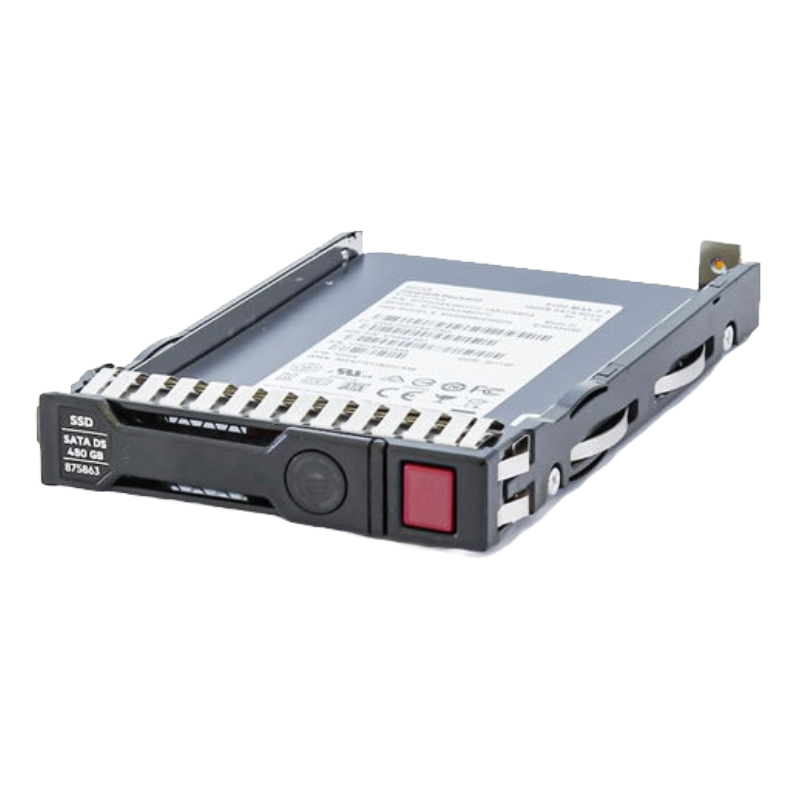


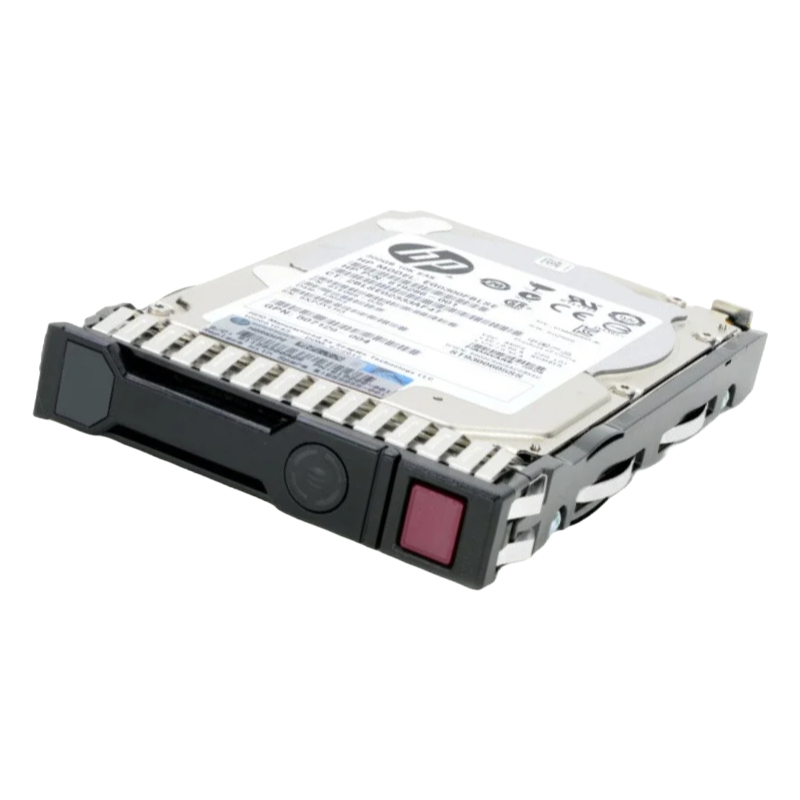
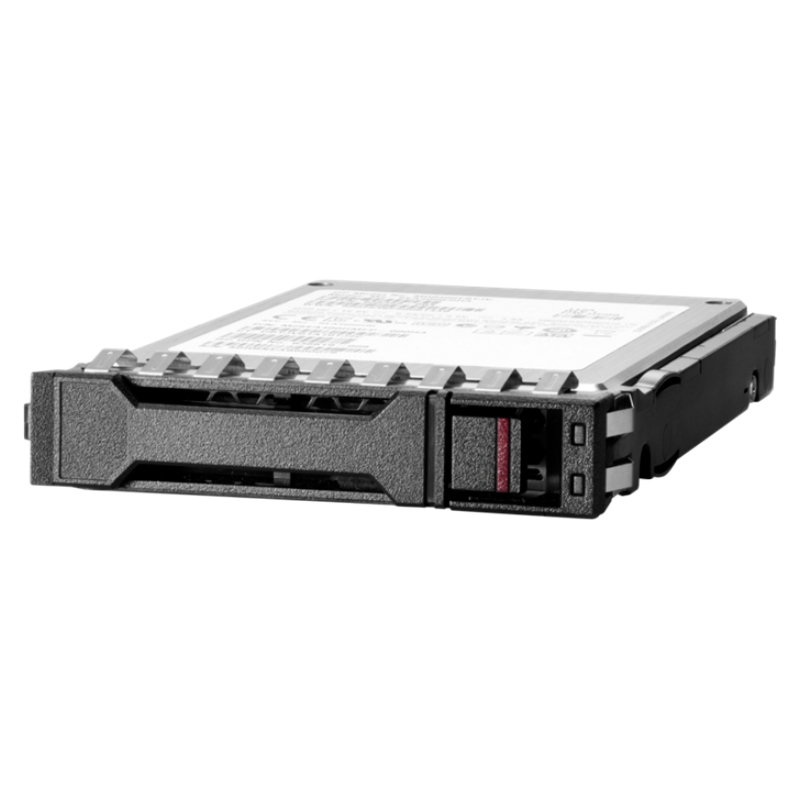
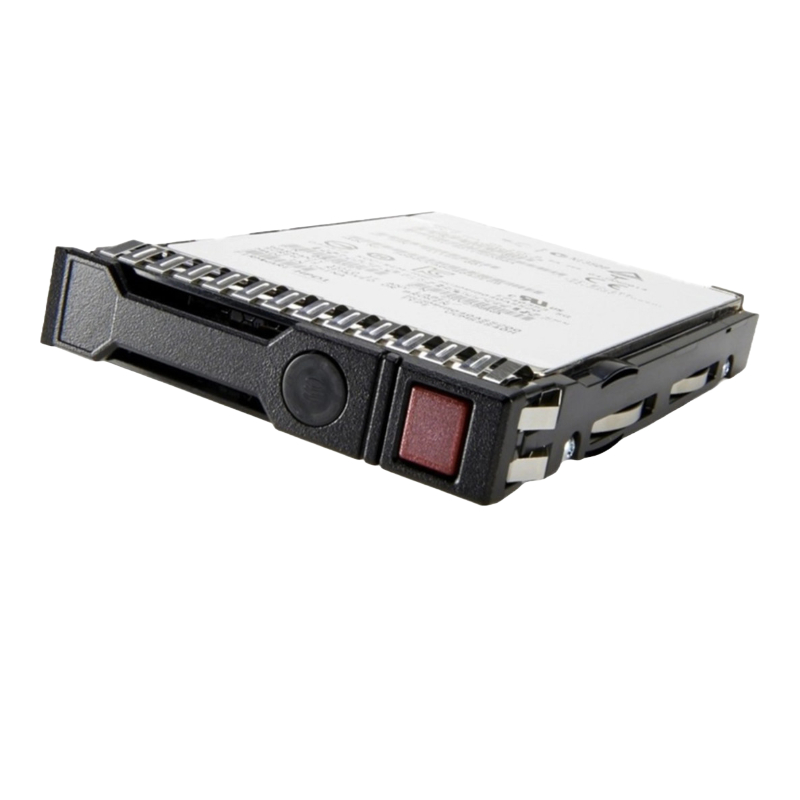
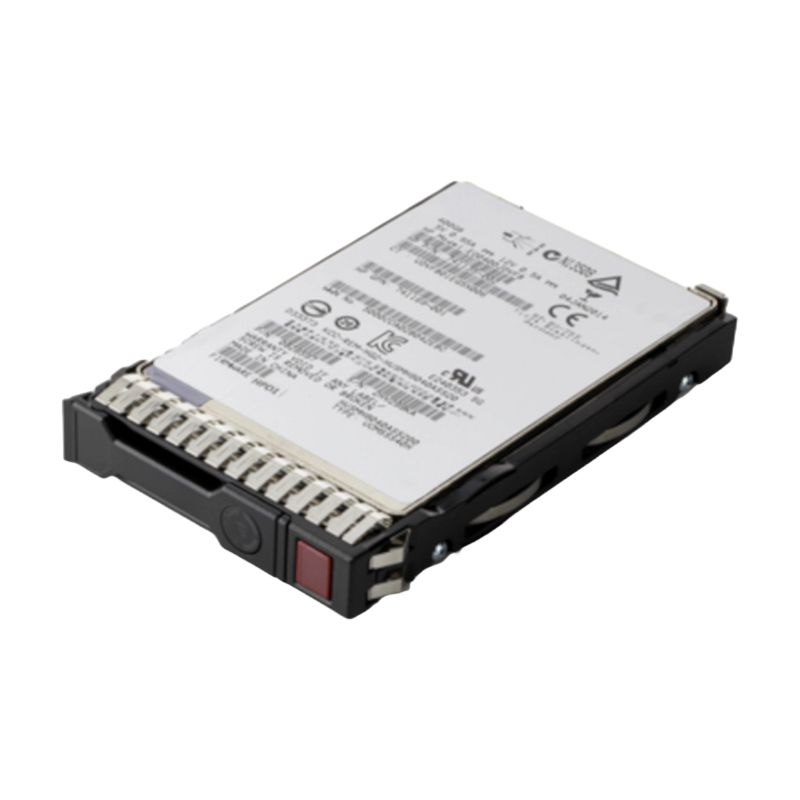
HPE P09014-001 7.68TB SATA 6GBPS Read Intensive SFF SC Hot Swap SSD with Digitally Signed Firmware. Excellent Refurbished with 1 year replacement warranty
The HPE P09014-001 Solid State Drive is a high-performance storage solution engineered for enterprise environments. With a massive 7.68TB capacity and digitally signed firmware, this read-intensive SSD is built for reliability, security, and blazing-fast data access.
This SSD is ideal for environments requiring high-speed reads and moderate write performance, such as:
If you're looking to enhance your enterprise storage system with a fast, reliable, and secure solution, the HPE P09014-001 7.68TB SATA SSD is a top-tier choice that delivers exceptional results in data-intensive environments.
Within the enterprise storage ecosystem, high‑capacity 2.5″ small form factor (SFF) SSDs designed for read‑intensive applications play a crucial role. The category to which the HPE P09014‑001 belongs caters to organizations that require massive storage capacity, high performance on read operations, and reliability with enterprise‑grade features such as hot‑swap capability, digitally signed firmware, and compatibility with server environments. These drives are optimized for use cases like large‑scale data analytics, boot/OS/virtual machine storage, caching layers, and read‑heavy database access. In particular, the P09014‑001 offers 7.68 TB of capacity in a 2.5″ SFF form factor with a SATA 6 Gb/s interface, triple‑level cell (TLC) NAND flash, and enterprise features.
When selecting a read‑intensive, high‑capacity SSD like the P09014‑001, the target environment typically includes large applications where read access dominates and writes are fewer in comparison. For example, content delivery platforms, virtualization hosts where VM images are read frequently but seldom rewritten, and file‑serve storage tiers where bulk data is accessed and seldom overwritten. In these environments the cost per TB becomes a meaningful metric, and the category emphasizes read throughput, IOPS, and reliability over raw write endurance. The “read‑intensive” classification signifies that the drive is engineered for scenarios where random read IOPS and sequential read bandwidth are prioritized. The P09014‑001’s specification for external transfer rate of 600 MB/s and high random read IOPS reflect that orientation. :contentReference[oaicite:1]{index=1}
The category is defined by substantial storage capacity—7.68 TB in the case of the P09014‑001. Within this class, the NAND flash memory type is typically triple‑level cell (TLC) which offers a favourable balance between cost, density, and endurance for read‑dominant workloads. The use of TLC enables manufacturers to offer multi‑terabyte capacity in a 2.5″ SFF chassis while still maintaining enterprise reliability features such as wear‑leveling, error correction, and firmware signing. The P09014‑001 is indeed rated at 7.68 TB and uses TLC NAND. :contentReference[oaicite:2]{index=2}
Within this category, the form factor is 2.5″ SFF (small form factor) with a hot‑swap capability and Smart Carrier (SC) support in most cases. This allows easy integration into server drive bays designed for enterprise RAID or HBA controllers. The interface is SATA III at 6 Gb/s (SATA 6Gb/s), which ensures wide compatibility and easy integration into existing server SATA backplanes. The P09014‑001 adheres to this standard: a 2.5″ SFF form factor, SATA 6 Gb/s interface, smart carrier support, and hot‑swap readiness. :contentReference[oaicite:3]{index=3}
A key differentiator within this category is the read and write performance. Although read‑intensive drives are optimized for reads, the specification still includes write performance to ensure the drive can handle occasional write bursts. For example, the P09014‑001 achieves an external transfer rate of up to 600 MB/s on SATA 6Gb/s. Some spec variants indicate internal read throughput around 505‑520 MB/s and write throughput around 495 MB/s. In terms of random 4 KB IOPS, several comparable models cite figures in the tens of thousands—e.g., 67,000 IOPS for random 4 KB reads and 11,500 IOPS for random 4 KB writes. :contentReference[oaicite:4]{index=4}
Security and operational reliability are crucial in this class of drives. Digitally signed firmware ensures authenticity of the drive firmware and guards against tampering or malicious firmware modifications, which is important in mission‑critical environments. The “DS” designation (Digitally Signed) appears in the P09014‑001 and similar models. Hot‑swap capability means that the drive can be removed or replaced while the system remains operational, minimizing downtime. These features elevate the category beyond consumer‑grade SSDs and make them suitable for 24×7 enterprise operation. :contentReference[oaicite:5]{index=5}
Although write endurance is less emphasized in read‑intensive models versus mixed‑use or high‑endurance models, the category still adheres to enterprise standards for endurance and power efficiency. For the 7.68 TB read‑intensive class, some specifications list DWPD (Drive Writes Per Day) at around 0.6 to 0.65, indicating that the drive is suitable for workloads where writes are minimal relative to reads. Power consumption in idle or read‑heavy scenarios is also optimized; for instance, one specification lists idle power at approximately 1.25 W and random read/write power around 2.0 W, which is low for such high‑capacity enterprise SSDs. :contentReference[oaicite:6]{index=6}
Within this category, compatibility with enterprise server platforms, particularly those from the same manufacturer of the drive (e.g., HPE ProLiant, Apollo, or BL/Synergy systems) is a critical consideration. The 2.5″ SFF hot‑swap form factor fits standard server drive bays, and the SATA 6Gb/s interface ensures integration into existing backplanes and controllers. For example, the P09014‑001 model is specified to be compatible with 2.5″ SFF bay systems and the SATA 6 Gb/s interface. This means deployment is straightforward in data‑center racks, blade chassis, and storage arrays that support enterprise hot‑swap carriers and backplanes. :contentReference[oaicite:7]{index=7}
In modern storage architectures, this category of SSDs often plays a role in tiered storage: for example as a high‑speed “read tier” above slower hard‑disk‑based storage. The 7.68 TB size makes it feasible to serve as a significant tier for large datasets that must be accessed quickly, such as logs, index stores, boot/VM images, and active archives. While mixed‑use or heavy‑write SSDs are reserved for write‑intensive applications, this read‑intensive class offers a cost‑effective entry into high‑capacity SSD deployment without the higher cost of maximum endurance drives. Its balance of capacity, performance, and enterprise features makes the category ideal for large data sets and high‑availability systems.
One of the defining trade‑offs in this category is that while capacity is high, endurance (in terms of writes) is intentionally lower compared to mixed‑use or high‑endurance models. For organisations where read operations dominate and writes are minimal, this trade‑off is acceptable and offers cost savings. The P09014‑001 situates itself in the read‑intensive tier with endurance metrics around 0.6 DWPD, which is sufficient for many read‑dominant server workloads. Selecting a drive from this category means choosing high capacity and read performance, while acknowledging that heavy sustained writes are not the primary use case. :contentReference[oaicite:8]{index=8}
Latency and IOPS performance are essential attributes in enterprise SSDs. In this class the emphasis is on providing consistent low latency under read workloads. For example, random read IOPS of 67,000 and write IOPS around 11,500 for a 7.68 TB model indicate strong performance under multithreaded access patterns. Deployers should evaluate their workload’s read/write mix, queue depths, and latency sensitivity to confirm fit. Even though the interface is SATA rather than NVMe, the class remains compelling when used appropriately—especially where the cost per TB and compatibility with legacy infrastructure matter. :contentReference[oaicite:9]{index=9}
Another differentiator is compatibility and lifecycle support. Because the category uses standard 2.5″ hot‑swap carriers, SATA 6Gb/s backplanes, and enterprise firmware, organisations benefit from easier integration into existing server fleets. Upgrading older hard‑disk arrays to large‑capacity SSDs within the same form factor simplifies physical and logical integration. Additionally, enterprise vendors provide firmware updates, monitoring utilities, and reliability data for these drives, which supports long‑term lifecycle management. When selecting a drive like the P09014‑001, it’s common to account for firmware versions, compatibility matrices with RAID/HBA controllers, and hot‑swap/tray mechanics. In this category, future‑proofing may involve evaluating next‑generation NVMe options, but the SATA‑based high‑capacity drive still remains a cost‑effective workhorse in many enterprises.
This category stands out in enterprise storage for offering a compelling mix of large‑capacity, read‑optimised performance, enterprise features, and form‑factor compatibility. High‑capacity drives reduce rack space, power, and cooling demands compared to large banks of smaller disks. The hot‑swap capability and digitally signed firmware enhance enterprise reliability and security. Because of their allocation to read‑heavy workloads, they deliver high throughput and low latency in such environments while controlling cost per gigabyte. The P09014‑001 exemplifies these strengths with its 7.68 TB capacity, SATA 6 Gb/s interface, and enterprise‑grade features. :contentReference[oaicite:10]{index=10}
On the flip side, organisations must ensure the workload is aligned with the drive’s design. Write‑intensive or mixed‑use workloads may require higher endurance drives. The SATA interface, while widely compatible, may present a performance ceiling compared to NVMe alternatives for extreme latency‑sensitive applications. Additionally, firmware and compatibility with host controllers must be verified. Finally, while cost‑effective per TB, high capacity means shared risk—if one drive fails, a larger volume of data is impacted—so appropriate redundancy, monitoring, and backup strategies are essential. When deploying a drive in this category, organisations should plan for monitoring of wear indicators, firmware updates, and ensure correct thermal and electrical conditions (hot‑swap trays, airflow, power rails).
When deciding whether this category is appropriate, ask: Is the workload predominantly reads? Are writes moderate? Is the server environment standard 2.5″ SFF with SATA backplane? Does the organisation require enterprise‑grade firmware and hot‑swap support? If the answer is yes, then a read‑intensive high‑capacity SSD such as the P09014‑001 is an excellent fit. If write‑loads dominate or ultra‑low latency is critical (e.g., NVMe required), then a different category (mixed‑use or high‑endurance SSDs) should be considered.


 Contact Us
 Information
 Catalog
 Solid State Drives (SSD)
 Network Switches
 Hard Disk Drives
 HBA & Controllers
 PC & Servers
 PC & Server Memory
 CPU & Processors
 Network Routers
 Power Supplies
 Tape Drives & Libraries
 Network Devices
 Computer & Network Cables