(7% discount is applied at checkout)
Cart is empty
Your go-to destination for cutting-edge server products
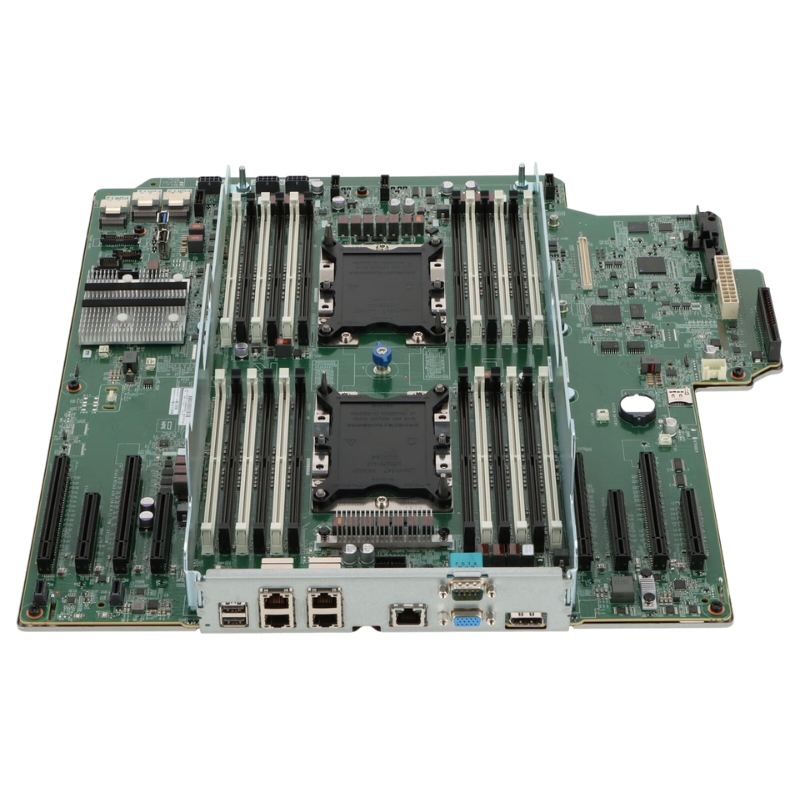


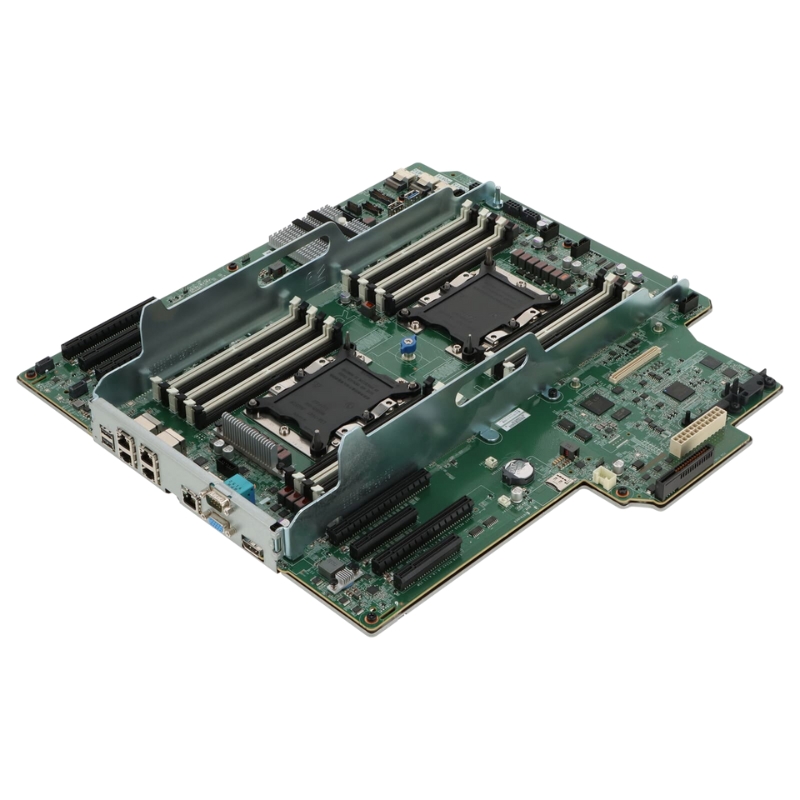
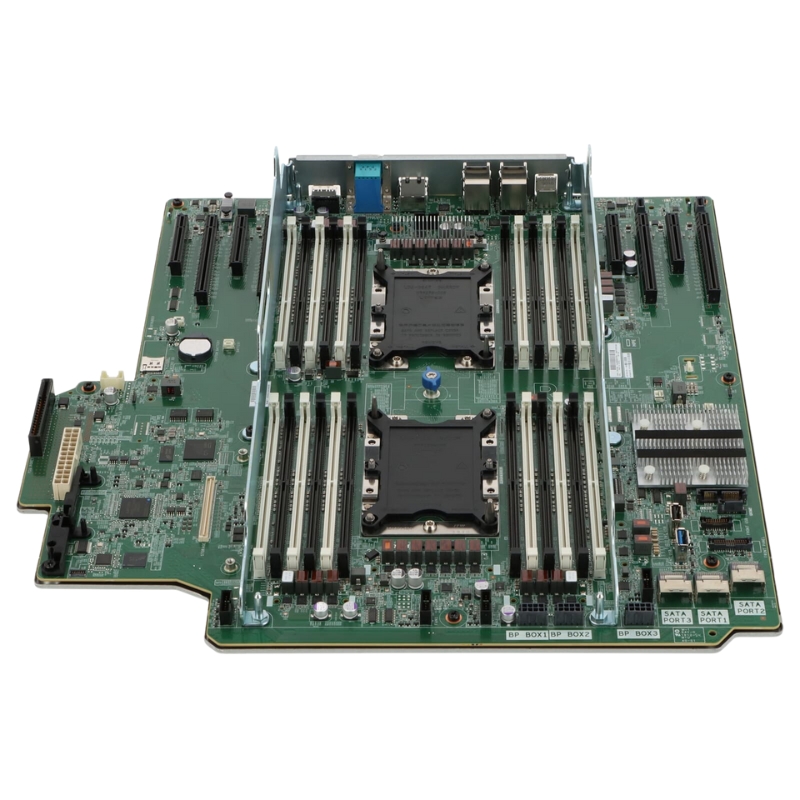
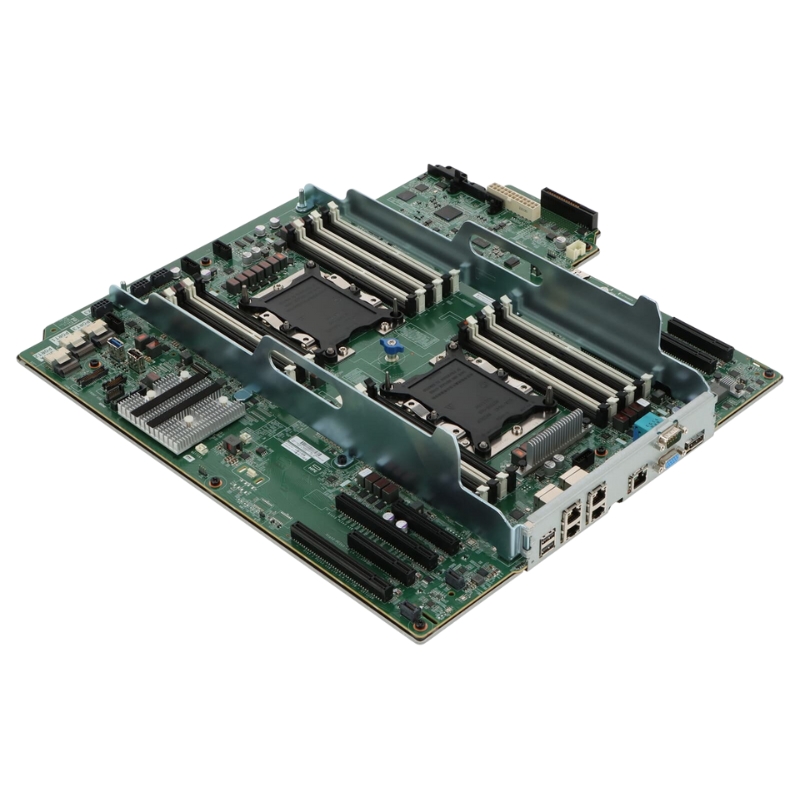
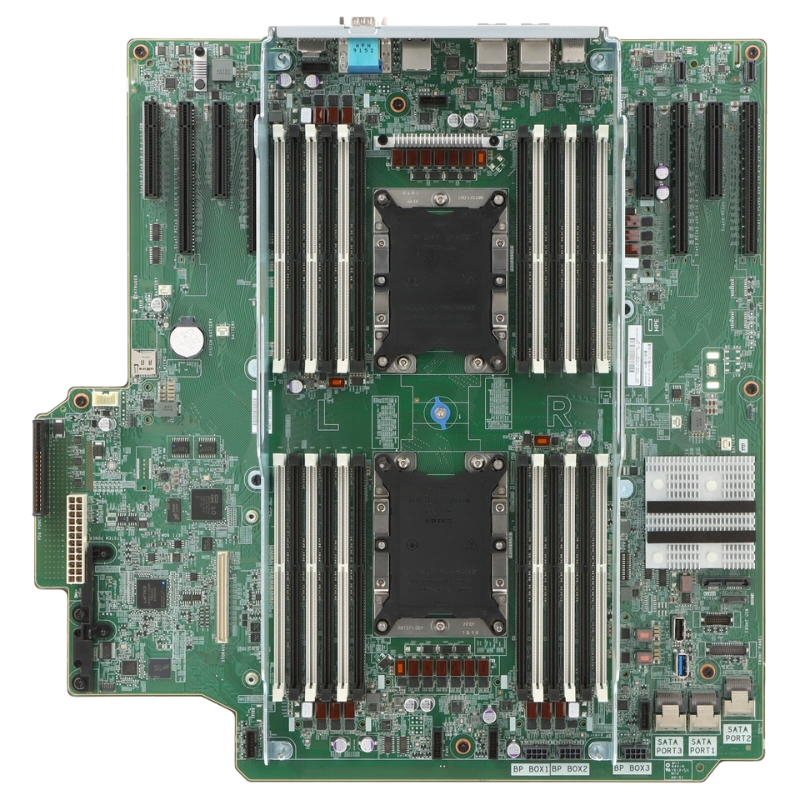
HPE P11390-001 ProLiant ML350 Xeon Processors Mainboard Gen10 Server. Excellent Refurbished with 1 year replacement warranty
The HPE P11390-001 ProLiant ML350 Xeon Processors Mainboard Gen10 Server is engineered for performance, reliability, and scalability. Designed by Hewlett Packard Enterprise (HPE), this powerful mainboard delivers enterprise-grade computing capabilities for businesses of all sizes. It supports advanced Xeon processors, offering robust system functionality to meet the needs of demanding workloads and high-performance applications.
The HPE P11390-001 is designed to meet enterprise IT requirements with modern server technologies. This Gen10 mainboard integrates advanced features for optimal server operations, such as:
This mainboard is engineered with a focus on server-grade performance. The integration of Xeon processor support ensures smooth execution of multitasking operations while offering unmatched reliability for mission-critical workloads.
One of the strongest aspects of the HPE P11390-001 ProLiant ML350 is its scalability. Users can expand memory, storage, and networking options, making it an ideal choice for growing businesses and data-intensive environments.
The HPE P11390-001 ProLiant ML350 Xeon Processors Mainboard Gen10 Server is an excellent choice for organizations looking for:
The HPE P11390-001 is the official system board (mainboard / motherboard) used in the HPE ProLiant ML350 Gen10 series — a versatile tower/server platform built for mixed workloads, virtualization and on-premises edge-to-core deployments. This board is the structural and electrical backbone of the ML350 Gen10 family: it provides CPU sockets, DIMM channels, PCIe expansion lanes, onboard management, storage connectivity and the signaling required by power and cooling systems. The P11390-001 spare part identifier (system board assembly) corresponds to HPE’s Gen10 ML350 design and is frequently referenced by service manuals and parts lists when replacing or refurbishing ML350 Gen10 servers.
The ML350 Gen10 system board was engineered with scalability, availability and security in mind. At the board level you will typically find support for dual-socket Intel Xeon Scalable processors, an enterprise-class chipset, a rich set of PCIe slots and numerous DIMM sockets for high memory capacity — making the platform suitable for database, virtualization, and I/O intensive workloads. Below are the most important capability areas that buyers, technicians and system integrators pay attention to when comparing or replacing this board.
The ML350 Gen10 system board is built to support Intel Xeon Scalable family CPUs (first and second generation where applicable depending on firmware and SKU). In practice this means dual-socket support for a broad range of Bronze/Silver/Gold/Platinum processors — enabling configurations from low-power entry units up to high-core-count, high-TDP servers for heavy compute tasks. The board routes appropriate UPI links, power delivery and CPU-to-chipset lanes to the C620-series enterprise chipset used on Gen10 systems.
One of the ML350 Gen10’s strengths is memory scale: the system board exposes multiple DIMM slots per socket (commonly up to 24 DIMMs in total for two sockets, depending on the exact ML350 sub-model and chassis). This design supports HPE DDR4 SmartMemory in RDIMM or LRDIMM types at server-grade speeds (various JEDEC speeds supported depending on processor, DIMM population and firmware). With the right processor family and high-capacity DIMMs, total system memory can scale to multiple terabytes in enterprise configurations. HPE documentation describes supported memory population rules and maximum capacities—critical reading for large-memory deployments.
The P11390-001 mainboard is designed to integrate with HPE’s configurable storage backplanes and integrated storage controllers. Typical ML350 Gen10 configurations permit a mixture of SATA/SAS HDDs, SATA SSDs and NVMe storage (with front bay NVMe support on NVMe-capable chassis and carrier assemblies). Internal M.2 or internal SATA options for boot devices are available depending on the server configuration. The board exposes multiple PCIe lanes allowing host RAID controllers, HBAs, NICs and accelerator cards (GPUs, FPGAs) to be added. Practical system builds often pair onboard controllers with HPE Smart Array or P-series RAID cards for redundancy and performance.
The system board provides the connection points and telemetry for the ML350’s power supplies and thermal sensors. Design considerations on the board include:
The ML350 Gen10 board exposes multiple full-height/full-length and low-profile expansion slots. The precise count and lane allocation vary by chassis and riser kit, but common layouts are designed to maximize PCIe Gen3 (or later) bandwidth for I/O-intensive cards. Typical expansion uses include:
HPE places an emphasis on manageability. The P11390-001 board integrates the iLO management controller (iLO 5 on Gen10 systems) and has onboard NIC ports (the quantity and speed depend on the exact ML350 configuration). iLO provides:
These integrated management features are essential for remote troubleshooting and automation in data center environments.
The system board supports TPM 2.0 modules and HPE-specific security functionality (including signed firmware and secure erase options). These capabilities dovetail with HPE’s broader security initiatives (firmware hardening, iLO security dashboards and Server Configuration Lock) to reduce attack surface and simplify compliance workflows.
Firmware compatibility is central to successful deployment: BIOS revisions, iLO firmware and firmware for storage and NIC controllers must be kept in sync with the system board’s generation. HPE publishes driver packages and firmware bundles for the ML350 Gen10 on its support site and these packages reference the correct system board assemblies and FRUs. Always match firmware versions to HPE’s published compatibility matrices to avoid unexpected behavior.
When ordering a replacement system board, verify the spare and assembly numbers printed on the original board or the server service tag. The P11390-001 identifier is commonly used by HPE and third-party parts vendors to describe the ML350 Gen10 system board; alternate assembly numbers like 874585-002 may also appear in service documentation or vendor listings. Confirm cross-reference numbers before purchase to ensure mechanical and electrical compatibility. :contentReference[oaicite:7]{index=7}
Replacing the system board is a hands-on activity requiring anti-static precautions, proper screwdrivers and a documented parts list. Recommended preparatory steps include:
Technicians commonly perform these actions around the system board:
Typical server configurations you will encounter include:
To extract deterministic performance, system administrators tweak BIOS settings such as power profiles, NUMA affinity, C-States and Turbo modes. HPE’s server BIOS menus expose settings optimized for either maximum throughput (workloads such as databases and HPC) or energy-efficient operation (branch offices, test labs). Always test changes in a non-production environment and document the result. :contentReference[oaicite:9]{index=9}
The ML350 Gen10 with the P11390-001 board is a solid candidate for small-to-medium virtualization clusters. When sizing hosts, consider:
If planning to add GPUs or accelerators, verify riser availability and power headroom. Some ML350 configurations and riser kits support full-height GPUs but may require additional power supply capacity or specific cable routing. Consult HPE configurator notes to ensure the board, riser and chassis combination will physically and electrically support the card.
P11390-001 system boards are available as new OEM spare parts and as professionally refurbished units from third-party suppliers. Refurbished boards can be cost-effective for out-of-warranty hardware refreshes, but validate:
Vendor listings and reseller pages often list whether the board is tested and include cross-references to assembly numbers like 874585-002. Confirm those assembly numbers to prevent misorders.
The system board typically has one or more stickers and silkscreen markings that include the spare part number, assembly number and barcodes. Look for:
Photograph the existing board before removal — this speeds accurate reinstallation and helps confirm cabling and orientation.


 Contact Us
 Information
 Catalog
 Solid State Drives (SSD)
 Network Switches
 Hard Disk Drives
 HBA & Controllers
 PC & Servers
 PC & Server Memory
 CPU & Processors
 Network Routers
 Power Supplies
 Tape Drives & Libraries
 Network Devices
 Computer & Network Cables