(7% discount is applied at checkout)
Cart is empty
Your go-to destination for cutting-edge server products
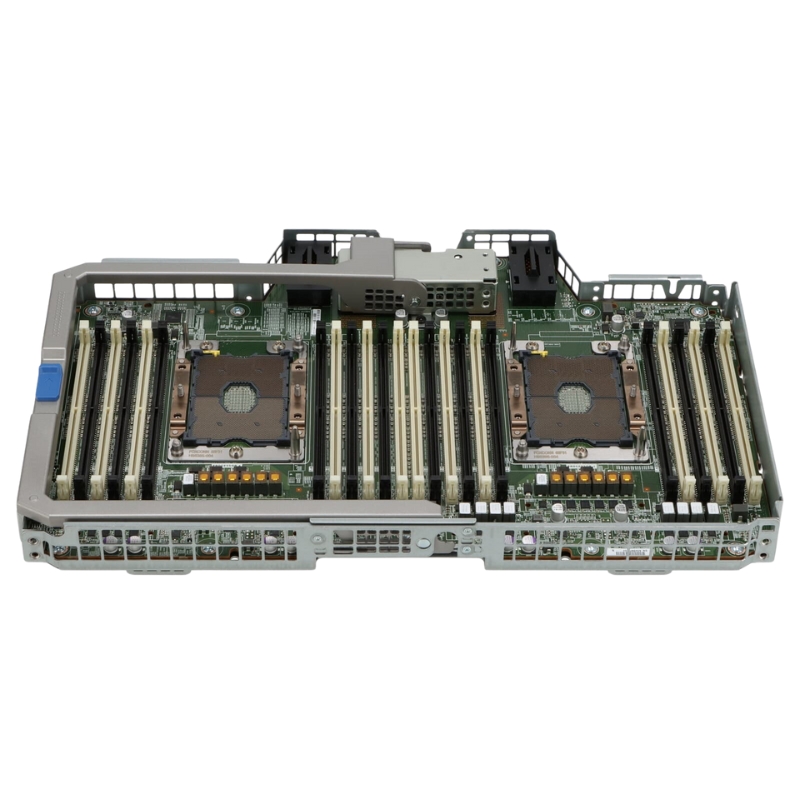


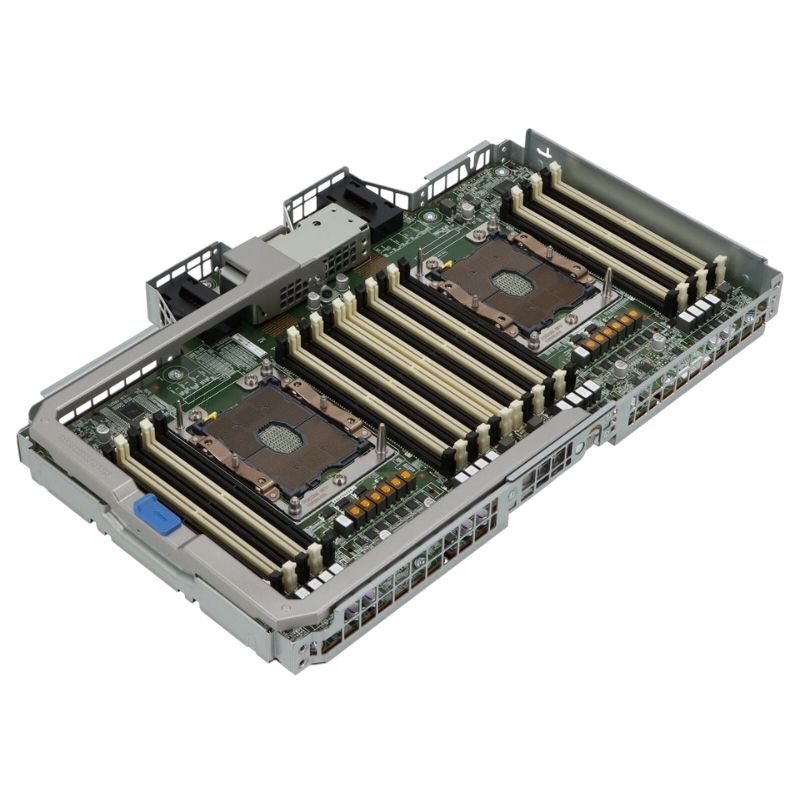
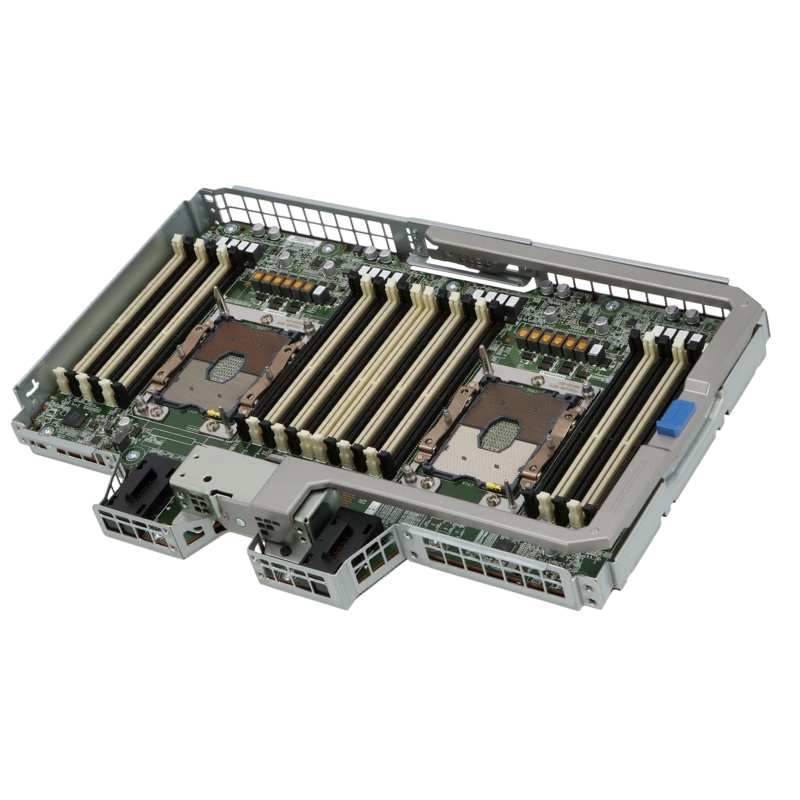
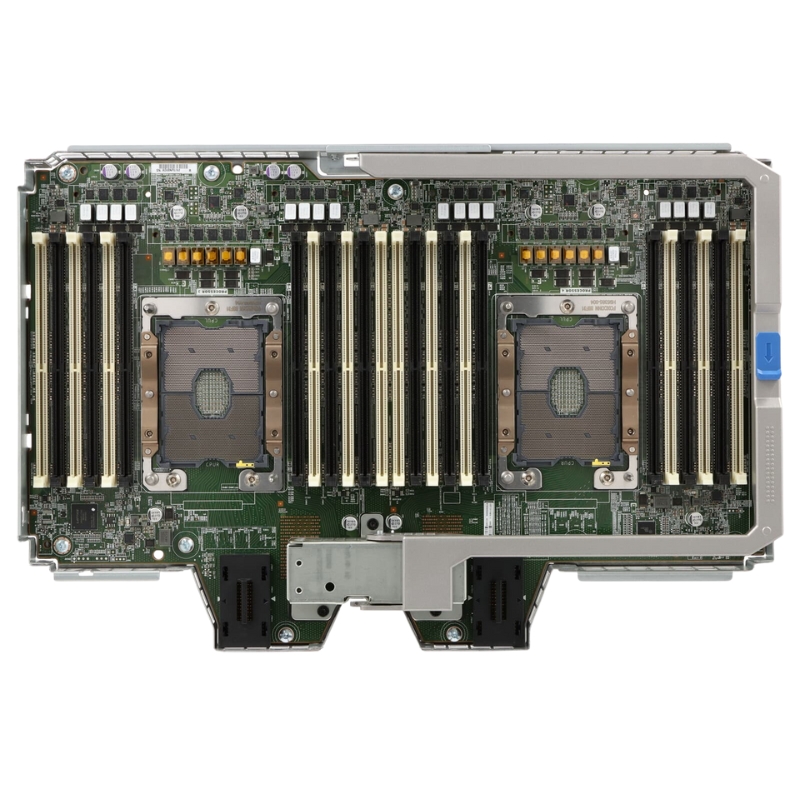
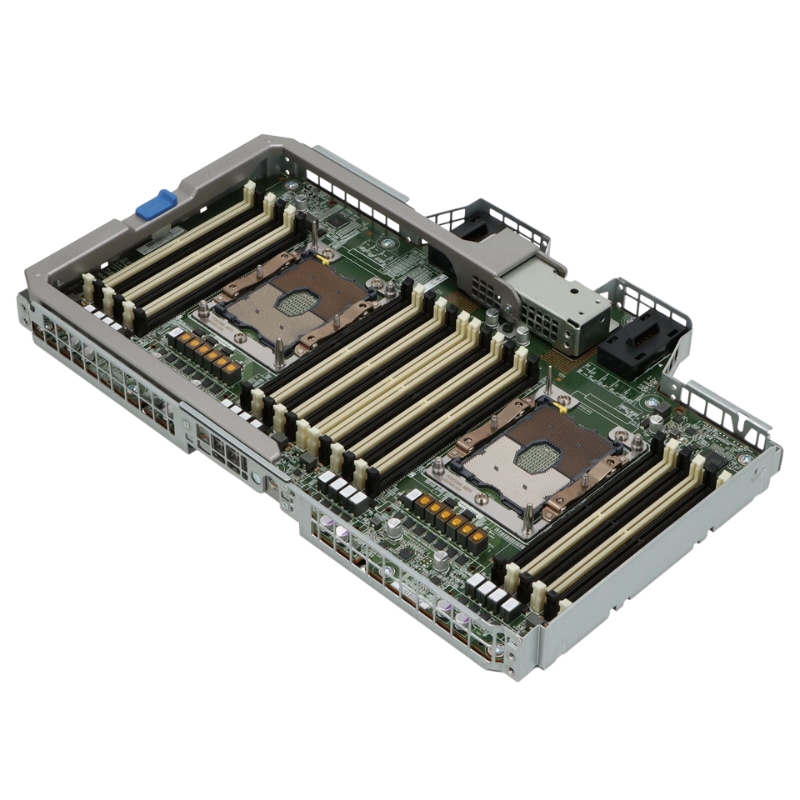
HPE P11742-001 DL5x0 Gen10 CPU Version 2 Mezzanine Server Board Kit. Excellent Refurbished with 1 Year Replacement Warranty
The HPE P11742-001 DL5x0 Gen10 CPU Version 2 Mezzanine Server Board Kit is a highly reliable and performance-driven hardware component designed to enhance server efficiency and scalability. Built by Hewlett Packard Enterprise (HPE), this server board kit provides seamless compatibility with HPE DL5x0 Gen10 systems, ensuring stable performance in enterprise-level IT environments.
This mezzanine server board kit offers multiple benefits that improve both server functionality and workload performance. By integrating this kit, enterprises can gain enhanced reliability and future-proof server capabilities.
This kit is manufactured by HPE and identified with the unique part number P11742-001. It ensures quick recognition for IT administrators and purchasing managers who require precision in sourcing original hardware.
Categorized as a Mezzanine Server Board Kit, it specifically belongs to the DL5x0 Gen10 CPU Version 2 hardware family, allowing enterprises to maximize computing efficiency with minimal downtime.
Original HPE components, such as the P11742-001 mezzanine server board kit, are engineered for long-lasting performance and validated to meet enterprise-grade reliability standards.
Using authentic HPE parts guarantees seamless integration, avoiding potential hardware conflicts that may arise from third-party or non-certified products.
Genuine HPE kits are backed by manufacturer warranties and global support, giving enterprises peace of mind when managing mission-critical infrastructure.
The HPE P11742-001 is built to optimize CPU performance, ensuring faster data handling and improved system responsiveness in large-scale operations.
Designed with scalability in mind, this mezzanine board kit supports server expansion and helps businesses adapt to growing IT demands without requiring frequent replacements.
This component contributes to energy savings by minimizing excess power consumption, helping organizations reduce operating costs while maintaining consistent performance.
The P11742-001 mezzanine card is designed to extend CPU-level capabilities on compatible DL5x0 Gen10 servers. It is commonly used in rack and hyperscale environments where administrators are optimizing compute density while maintaining serviceability. Typical use cases include virtualization hosts, database nodes, HPC compute nodes, and appliance-style servers where mezzanine expansion provides a compact way to add CPUs, compute bridges, or accelerators without redesigning the mainboard or full chassis.
The kit follows HPE's mezzanine mechanical specification for the DL5x0 Gen10 family. The board kit includes the carrier board, mounting hardware, and any spacers/retainer clips required for secure installation within the DL5x0 chassis. Pay attention to the physical orientation — the board is keyed to the server backplane and uses the OEM connector style. This ensures a snug, vibration-resistant fit that meets HPE serviceability expectations.
The P11742-001 implements the correct pinout and signaling for CPU-level mezzanine modules supported by the Gen10 platform. It adheres to HPE's power and clock distribution conventions and is validated to work with the chipset and firmware revisions that shipped in the Gen10 series. When comparing with aftermarket mezzanine boards, this OEM kit minimizes compatibility issues and reduces the risk of firmware or POST failures.
Typical kit contents include the mezzanine board itself, one or more retention brackets, screws, and a small quick-install guide. Some kits may include firmware or binary blobs on a USB drive or link to HPE support pages for firmware downloads; always confirm exact contents with the vendor or product listing before purchase.
Compatibility is a critical concern for mezzanine modules. The P11742-001 is explicitly compatible with HPE ProLiant DL5x0 Gen10 systems (where "x" denotes supported submodels in the 500 family). Confirm compatibility by verifying the server's exact model number (for example, DL560 Gen10 or DL580 Gen10), firmware/BIOS revision, and the chassis backplane configuration. Avoid assuming fit across Gen9 or Gen11 platforms without consulting cross-reference documentation.
The mezzanine board exposes the server's mezzanine connector lane(s) and follows HPE's implementation of the industry-standard interfaces used in the Gen10 generation. While specific interface allocations depend on the server's riser/backplane configuration, in practice the kit supports high-throughput lanes required for CPU offload cards, accelerators, or additional compute bridges.
Mezzanine modules can vary in power consumption depending on what is mounted or routed through them. The kit itself is a passive carrier in many implementations, but when used to carry CPU or integrated compute modules the thermal and power characteristics become essential. Customers should consult HPE power calculators and measure server inlet temperatures after installation in a lab or staging rack. Typical concerns include increased chassis airflow demand and potential need for higher-capacity power supplies during peak loads.
HPE often integrates mezzanine support into system ROMs and chipset firmware. Successful deployment may require a BIOS, iLO (Integrated Lights-Out), and chipset firmware update to support the specific mezzanine functions. Check HPE Support Center for the latest firmware bundles for your server model and cross-check any vendor-supplied firmware if the mezzanine board includes device-specific microcode.
When used for CPU-level expansion or bridging, the mezzanine kit can improve system throughput by adding lanes or enabling additional hardware acceleration. For virtualization clusters, this can translate into more virtual CPU resources per host or improved network/IO aggregation. For database servers and analytics nodes, mezzanine extensions can reduce latency and provide direct hardware pathways for acceleration.
Installing a P11742-001 mezzanine board kit requires careful preparation. Follow standard ESD procedures, ensure server firmware is up-to-date, and validate rack-level constraints. The subsections below provide a step-by-step overview and operational best practices.
Stage the server outside of a production rack where you can safely power off and remove panels. Collect the server's Service Tag and download the latest BIOS, iLO, and firmware bundles from HPE Support. If the mezzanine includes device firmware, stage that separately and confirm checksums.
Use ESD wrist straps and a grounded work surface. The P11742-001 uses retained screws and keying features to lock the board into the mezzanine bay—do not force the card; if resistance is notable, re-check alignment.
Validate system POST, check iLO inventory to ensure the board is recognized, and run a hardware diagnostics pass. For production deployments, consider running a burn-in or stress test for 24–72 hours to confirm thermal stability and power integrity.
The P11742-001 is intended to be field-serviceable. When replacing or RMA-ing the kit, label the replacement board with the server Service Tag and maintain the original kit's accessory bag (screws and brackets) to avoid mismatches. For long-term support, maintain records of firmware revisions and part numbers used per server in your CMDB (Configuration Management Database).
Purchasing OEM mezzanine kits requires attention to authenticity, warranty coverage, and seller reputation. Below are procurement best practices tailored to the P11742-001 kit to minimize risk and ensure long-term supportability.
The P11742-001 is an HPE part number; buying OEM ensures compatibility, warranty traceability, and access to firmware updates. Third-party or aftermarket boards may be cheaper but can introduce compatibility issues, lack firmware support, and void warranty agreements. If choosing third-party options, ask vendors for explicit compatibility testing reports and a robust return policy.
OEM kits purchased through authorized HPE channels typically come with standard HPE warranty terms and RMA support. For refurbished or used kits, verify any seller-provided warranty or return window. Record proof of purchase and link it to your server Service Tag for faster RMA processing should hardware issues arise.
For large-scale deployments, consider staging deliveries and maintaining spare kits in your spare parts inventory. Document the firmware version and mechanical variations across your fleet; when HPE releases firmware updates, have a tested rollout plan to reduce unexpected incompatibilities.
The P11742-001 mezzanine kit is often part of a larger hardware configuration. Below are common integration scenarios and associated components to consider when designing or upgrading a server solution.
When planning purchases, cross-reference HPE part numbers for risers, backplanes, and power supplies. Some server configurations require specific riser kits or carrier adapters to accept mezzanine boards. Maintain a cross-reference list for your standard server models to speed procurement and avoid mismatches.
Ensure firmware reporting and updates come from legitimate HPE sources or authorized vendors. Check cryptographic signatures and validate checksums for any firmware or microcode packages involved in the installation.
Log every installation: who performed it, when, the kit serial number, and the server Service Tag. For environments governed by compliance frameworks (PCI-DSS, HIPAA, SOC 2), this traceability is often required to demonstrate control over changes to production hardware.
Keep a small buffer of OEM parts (including mezzanine kits) as hot spares. This reduces mean time to repair (MTTR) and ensures consistent replacement parts with matching firmware behavior.


 Contact Us
 Information
 Catalog
 Solid State Drives (SSD)
 Network Switches
 Hard Disk Drives
 HBA & Controllers
 PC & Servers
 PC & Server Memory
 CPU & Processors
 Network Routers
 Power Supplies
 Tape Drives & Libraries
 Network Devices
 Computer & Network Cables