(7% discount is applied at checkout)
Cart is empty
Your go-to destination for cutting-edge server products
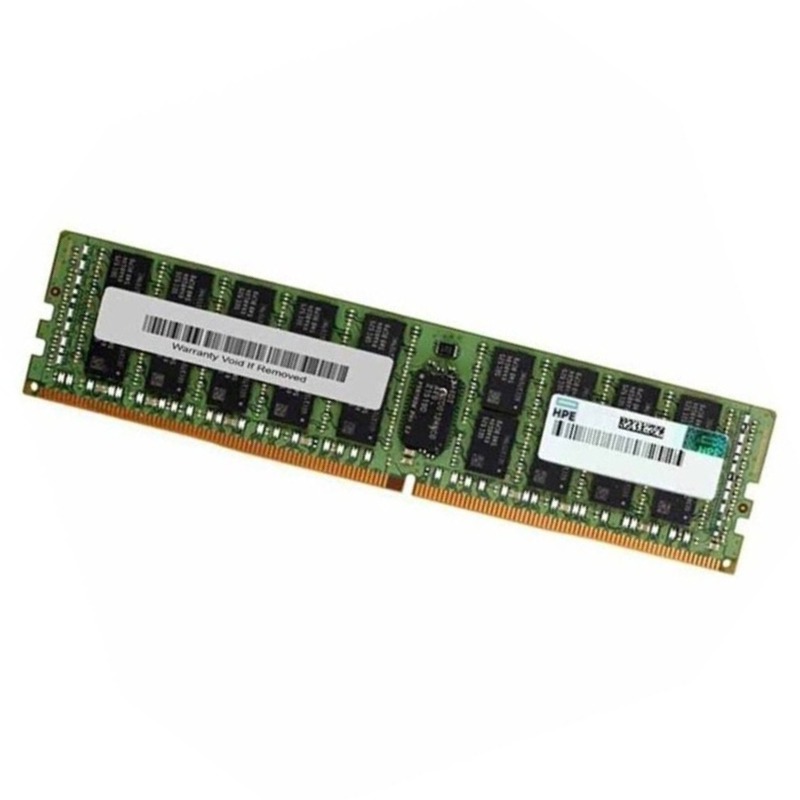


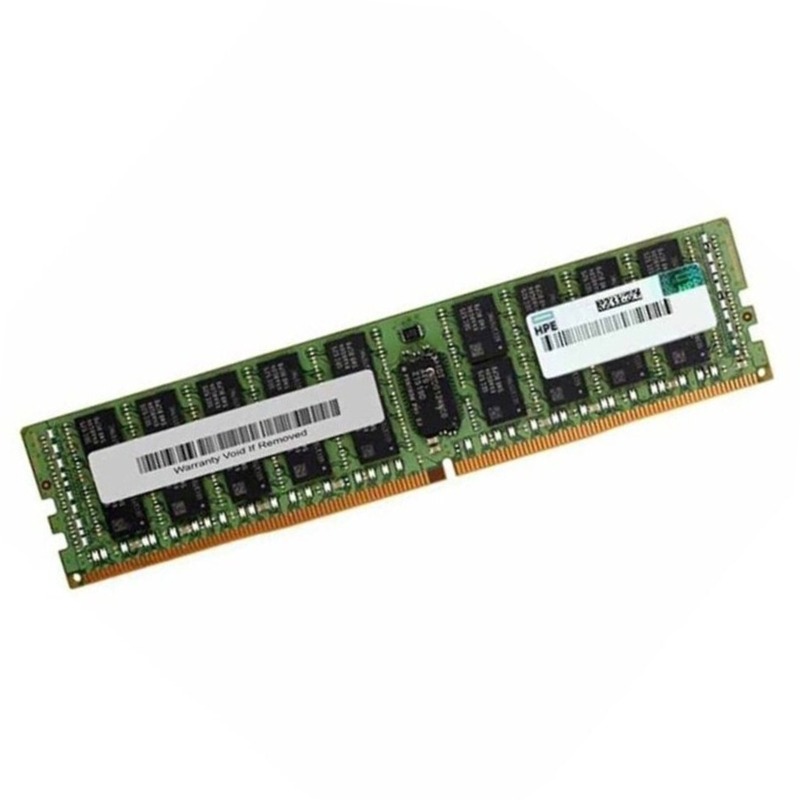
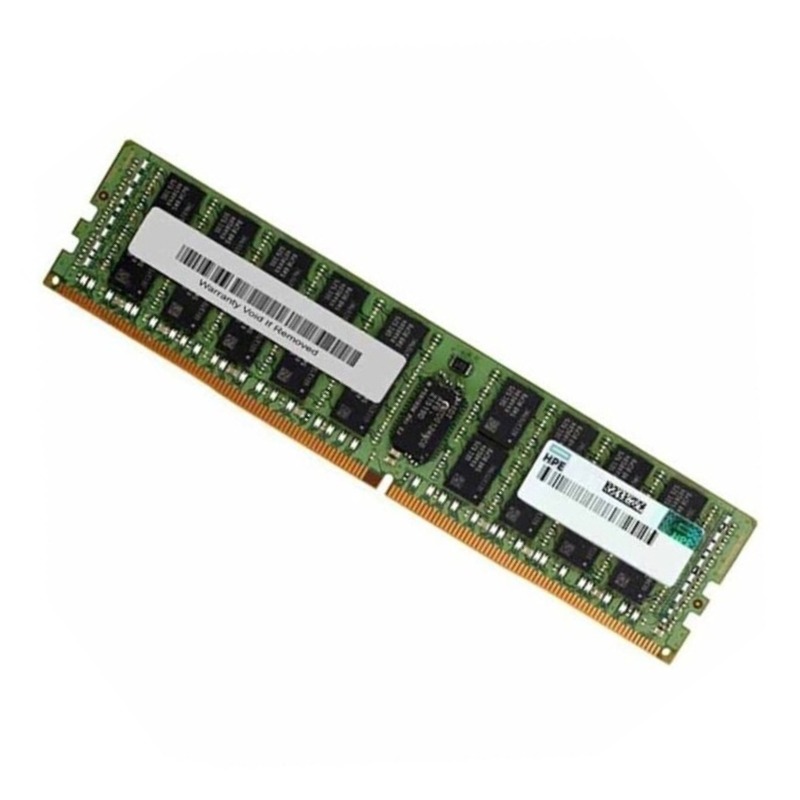
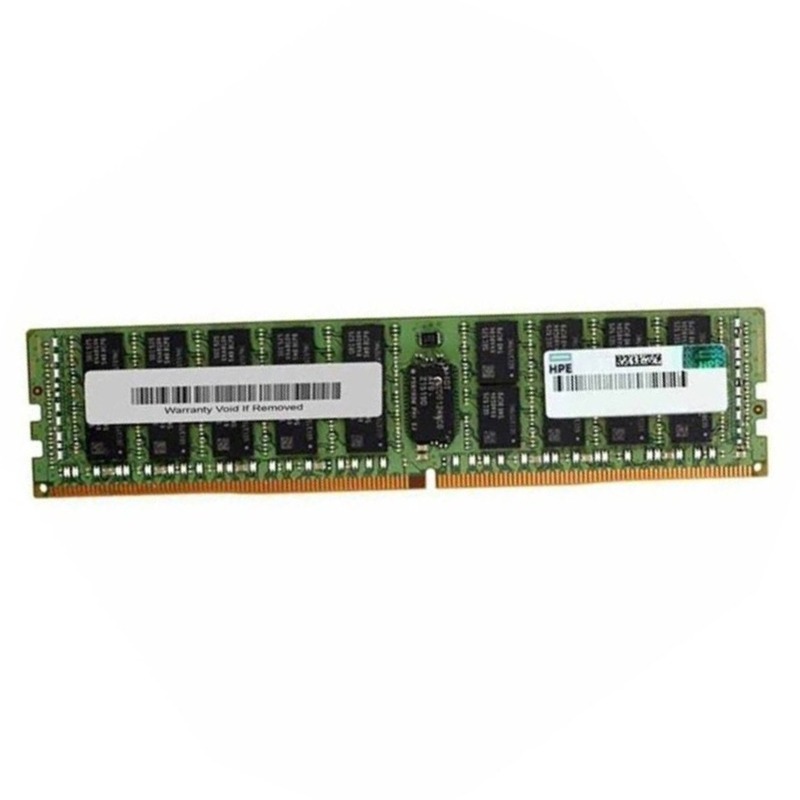
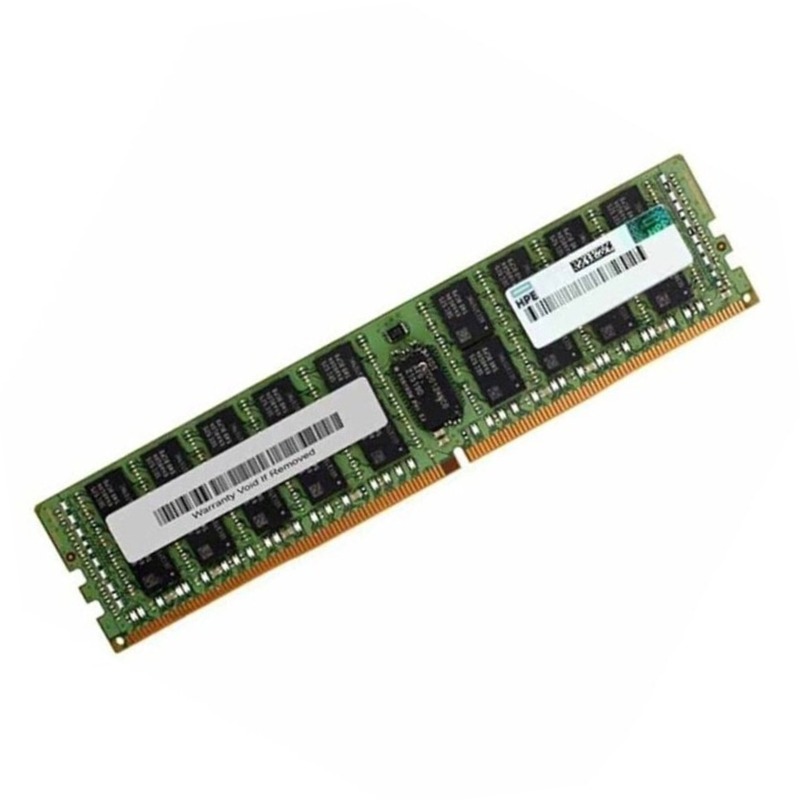
HPE 32GB 2933mhz Pc4-23400 DDR4 SDRAM Ecc Registered Ram P13210-001. New Sealed in Box (NIB) with 3 Years Warranty
The HPE P13210-001 is a high-performance 32GB DDR4 SDRAM memory upgrade designed for enterprise servers and workstations. With advanced error correction and reliable registered signaling, this module ensures stability and efficiency for demanding workloads.
This category focuses on high-reliability enterprise server memory modules designed to meet the demanding requirements of modern data centers, virtualization platforms, and mission-critical computing environments. The HPE P13210-001 32GB 2933MHz PC4-23400 DDR4 SDRAM ECC Registered Memory represents a class of memory solutions engineered specifically for Hewlett Packard Enterprise server architectures, where performance stability, error resilience, and long-term operational consistency are essential. Memory modules within this category are not generic desktop components; they are purpose-built for server workloads that involve continuous data processing, high transaction volumes, and multi-user access across complex infrastructure environments.
Server memory in this category is characterized by its use of DDR4 technology, error-correcting code functionality, registered buffering, and optimized frequency ratings that align with enterprise CPU memory controllers. These attributes combine to deliver predictable latency, enhanced signal integrity, and improved overall system uptime. The category addresses organizations that require scalable memory expansion without compromising reliability, especially in environments where downtime, data corruption, or performance degradation can result in significant operational or financial consequences.
DDR4 SDRAM technology forms the foundational architecture of this memory category, delivering improvements over earlier generations in bandwidth efficiency, power consumption, and density support. Operating at 2933MHz with a PC4-23400 bandwidth rating, memory modules in this class are capable of transferring large volumes of data between the processor and system memory with minimal latency. This increased data throughput is essential for workloads such as database management, enterprise resource planning systems, cloud orchestration, and real-time analytics.
DDR4 technology enables higher module densities, allowing 32GB capacities to be deployed per module without sacrificing signal stability. This density advantage allows server administrators to populate fewer memory slots while achieving higher total system memory, which is particularly beneficial in systems with limited DIMM availability or specific memory population rules. The reduced operating voltage of DDR4 compared to DDR3 contributes to lower power draw and improved thermal efficiency, supporting energy-conscious data center design.
The 2933MHz operating frequency defines this category’s ability to support modern processors that rely on high-speed memory channels to maximize instruction throughput. PC4-23400 bandwidth classification reflects a theoretical peak transfer rate that aligns well with enterprise CPU architectures used in HPE servers. This balance between frequency and stability ensures that memory performance scales efficiently under heavy load without introducing instability or timing issues.
Memory modules within this category are validated to operate at their rated speed under continuous load conditions. Unlike consumer-grade memory, which may prioritize peak performance benchmarks, enterprise DDR4 memory emphasizes sustained throughput, consistency, and predictable latency. This ensures that performance remains stable during long-running processes, virtual machine migrations, and high-concurrency operations.
ECC functionality is a defining characteristic of this server memory category. Error-correcting code memory detects and corrects single-bit memory errors and identifies multi-bit errors before they propagate through the system. In enterprise environments, where memory errors can lead to application crashes, corrupted datasets, or system reboots, ECC is a fundamental requirement rather than an optional feature.
The inclusion of ECC within the HPE P13210-001 class of memory modules significantly enhances data integrity. By actively monitoring memory transactions, ECC ensures that transient electrical interference, cosmic radiation effects, or signal degradation do not compromise critical workloads. This capability is especially valuable in servers running financial systems, healthcare applications, scientific simulations, and large-scale transactional databases.
Memory reliability directly impacts overall system availability. ECC registered memory reduces the likelihood of unplanned downtime by preventing memory-related faults from escalating into system-level failures. In high-availability clusters and redundant server configurations, this reliability ensures that failover events are minimized and service-level agreements can be consistently met.
This category supports organizations that require long-term stability across hardware refresh cycles. Memory modules are designed to maintain error correction accuracy throughout their operational lifespan, even under sustained thermal and electrical stress. This makes them suitable for servers operating continuously in data centers, edge computing locations, or industrial environments.
Registered, or buffered, memory is a key architectural feature of this category. Registered memory includes a register between the memory controller and the DRAM chips, which reduces the electrical load on the memory controller. This design enables servers to support larger memory configurations while maintaining signal integrity and timing accuracy.
The registered architecture is particularly important in multi-socket server platforms where numerous memory modules are installed across multiple channels. By buffering command and address signals, registered memory allows for more consistent communication between the processor and memory modules, reducing the risk of signal distortion and timing errors.
Memory modules in this category are specifically validated for compatibility with Hewlett Packard Enterprise server platforms. HPE certification ensures that each module meets strict electrical, thermal, and performance standards established by the manufacturer. This validation process includes extensive testing across supported server models, firmware versions, and operating environments.
Compatibility validation reduces the risk of deployment issues, such as boot failures, memory recognition errors, or performance inconsistencies. When used in supported HPE servers, memory modules from this category integrate seamlessly with system firmware, management tools, and diagnostic utilities.
HPE-certified memory works in conjunction with server firmware features that monitor memory health, performance metrics, and error rates. System administrators can leverage built-in management tools to track memory utilization, identify potential issues, and plan capacity upgrades proactively.
This level of integration enhances operational visibility and simplifies maintenance workflows. Memory-related alerts and diagnostics provide actionable insights, allowing IT teams to address issues before they impact production workloads.
Database servers rely heavily on memory performance to cache frequently accessed data and accelerate query execution. High-bandwidth DDR4 memory reduces data retrieval times and supports efficient transaction processing. For in-memory databases, where datasets reside entirely in RAM, memory reliability and capacity are paramount.
This category provides the foundation for stable in-memory computing by combining high capacity, error correction, and sustained throughput. Organizations can confidently deploy memory-intensive applications knowing that data integrity is preserved.
Enterprise server memory must operate reliably within tightly controlled thermal envelopes. DDR4 technology contributes to improved power efficiency by operating at lower voltages than previous generations. This reduces heat generation and supports more efficient cooling strategies within server chassis.
Memory modules in this category are designed to dissipate heat effectively, ensuring stable operation even in densely populated systems. Thermal stability is critical for maintaining consistent performance and preventing premature component degradation.
Power efficiency is a key consideration in large-scale data centers. By reducing per-module power consumption, DDR4 registered memory helps lower overall energy usage and operational costs. This efficiency aligns with sustainability initiatives and energy-conscious infrastructure planning.
Improved thermal characteristics also reduce the burden on cooling systems, contributing to lower total cost of ownership over the lifespan of the server hardware.


 Contact Us
 Information
 Catalog
 Solid State Drives (SSD)
 Network Switches
 Hard Disk Drives
 HBA & Controllers
 PC & Servers
 PC & Server Memory
 CPU & Processors
 Network Routers
 Power Supplies
 Tape Drives & Libraries
 Network Devices
 Computer & Network Cables