(7% discount is applied at checkout)
Cart is empty
Your go-to destination for cutting-edge server products


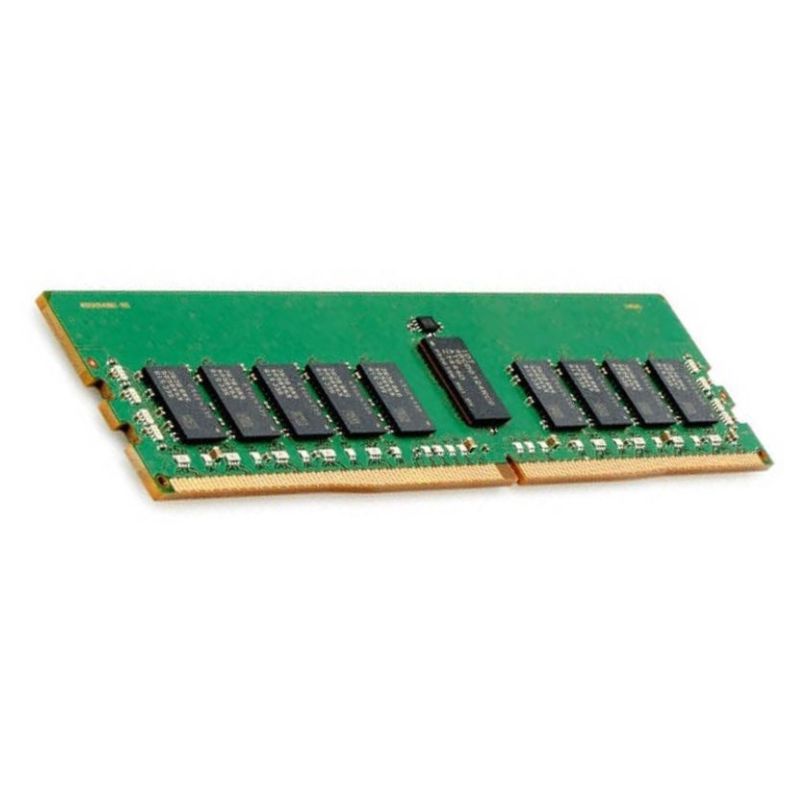
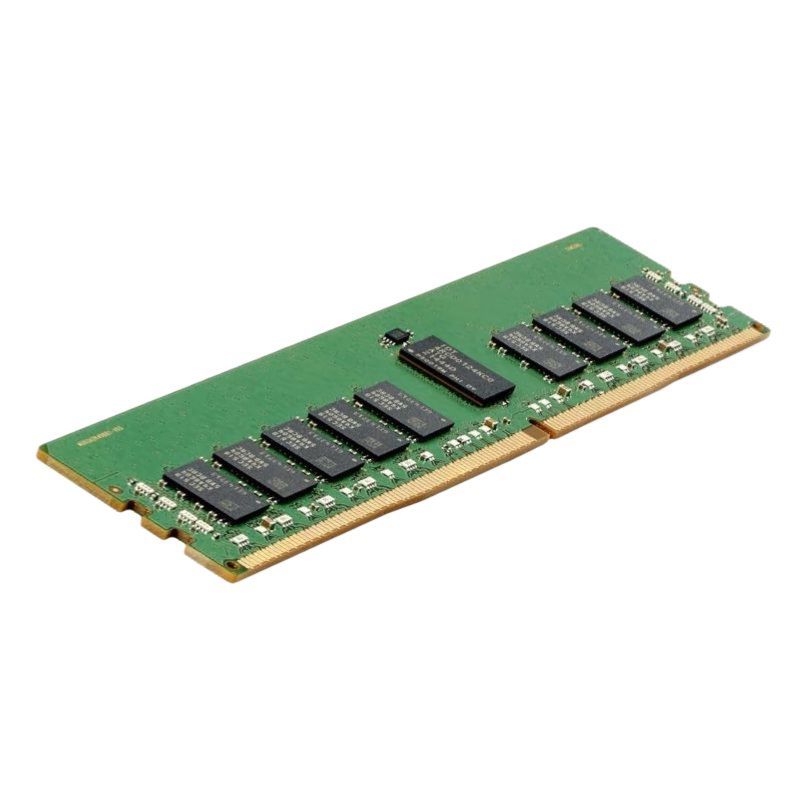
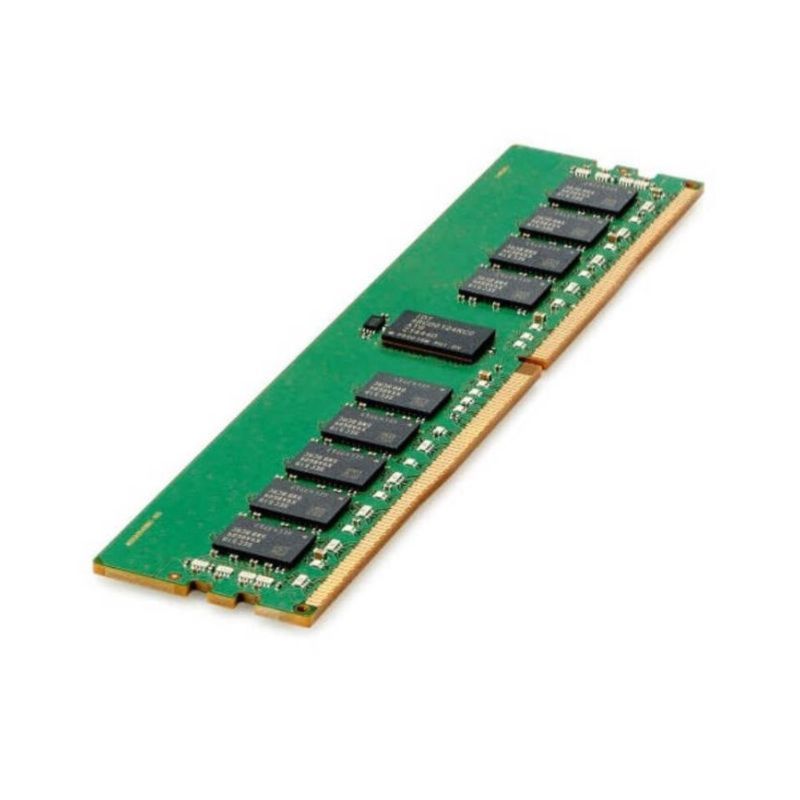
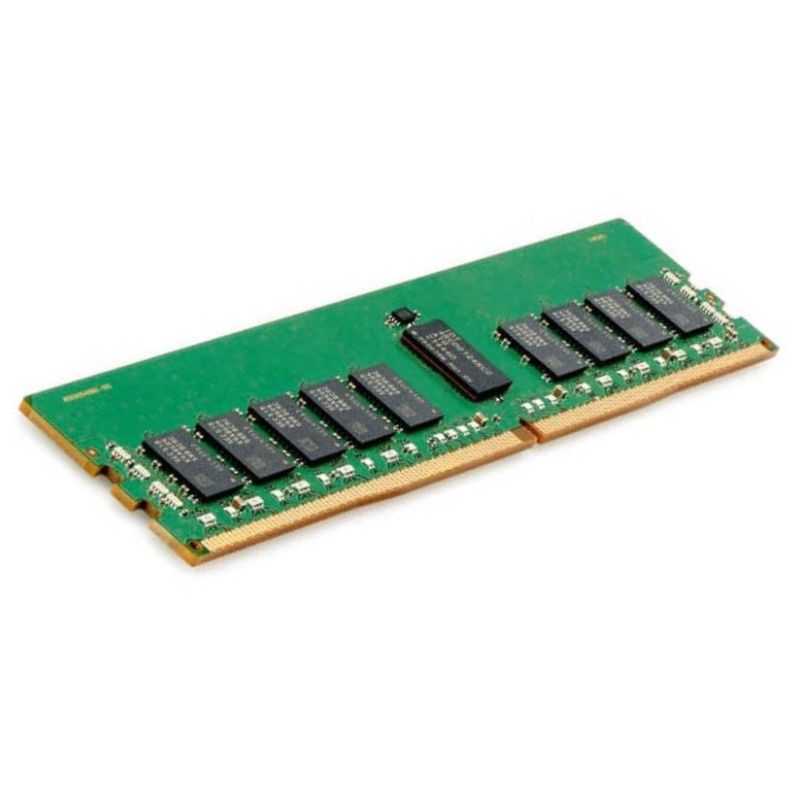
HPE P14492-H21 64GB DDR4-2933 RDIMM Pc4-23400 2rx4 Registered Cl21 Memory Kit. New Sealed in Box (NIB) with 3 Years Warranty
The HPE P14492-H21 Smart Memory Kit delivers exceptional performance and reliability for enterprise-grade systems. Designed to enhance server efficiency, this 64GB DDR4 SDRAM module ensures seamless multitasking and optimized data processing.
The HPE P14492-H21 64GB DDR4-2933 RDIMM PC4-23400 2Rx4 Registered CL21 Memory Kit represents a high-performance enterprise memory solution engineered to meet the rigorous demands of modern data centers, enterprise servers, and mission-critical applications. As organizations increasingly rely on virtualization, real-time analytics, large-scale databases, and high-availability computing environments, reliable server memory becomes one of the most critical components of infrastructure performance. This HPE memory module is designed to ensure consistent system stability, optimal bandwidth utilization, and enhanced processing efficiency for enterprise-grade workloads.
Built using advanced DDR4 technology and validated specifically for HPE ProLiant servers and compatible enterprise platforms, the P14492-H21 memory module delivers improved memory speed, higher density, and greater energy efficiency compared to previous generation memory technologies. With a capacity of 64GB per module, operating at 2933 MT/s and utilizing a registered DIMM architecture, it is particularly suitable for memory-intensive computing environments such as virtualization clusters, enterprise resource planning systems, artificial intelligence workloads, and high-performance computing nodes.
The DDR4 architecture used in the HPE P14492-H21 RDIMM module provides substantial improvements in bandwidth, reliability, and power consumption compared to DDR3 memory technologies. DDR4 memory operates at higher frequencies and offers improved signal integrity, allowing enterprise servers to process larger volumes of data with minimal latency. This makes the module particularly suitable for applications requiring continuous memory throughput such as database processing, virtualization environments, and real-time transaction systems.
At 2933 MHz data transfer rates, the PC4-23400 specification ensures that server processors can access and process memory data efficiently. In enterprise environments where multiple virtual machines and heavy application workloads are running simultaneously, memory speed and bandwidth play a crucial role in maintaining overall system responsiveness. The HPE P14492-H21 memory kit helps eliminate bottlenecks in data access, allowing CPUs and storage subsystems to operate at peak efficiency.
The PC4-23400 designation refers to the theoretical bandwidth provided by DDR4 memory running at 2933 MT/s. In server environments, memory bandwidth determines how quickly data can move between the memory subsystem and the processor. A higher bandwidth rating allows enterprise servers to support larger workloads, faster data analytics, and more efficient virtualization performance.
For organizations running large in-memory databases, virtualization clusters, or distributed computing workloads, PC4-23400 memory ensures the ability to handle high data throughput without performance degradation. This capability is particularly important in enterprise environments where system downtime or latency issues can significantly impact business operations.
A 64GB memory module allows servers to support significantly larger datasets and application workloads. In modern enterprise computing environments, memory capacity often becomes the primary limitation for virtualization hosts, database systems, and analytics platforms. By integrating high-capacity RDIMM modules such as the HPE P14492-H21, organizations can scale their server memory configurations without requiring additional physical hardware.
Large memory capacity enables improved system consolidation. Multiple workloads can run on a single server with minimal performance compromise, reducing infrastructure costs while increasing operational efficiency. The 64GB capacity also supports memory-intensive applications such as artificial intelligence model training, big data processing, and enterprise-scale virtualization environments.
Registered DIMM technology is designed specifically for enterprise servers that require higher reliability and scalability compared to standard desktop memory modules. RDIMM modules incorporate a register between the memory controller and the DRAM chips, which helps reduce electrical load on the memory controller and allows systems to support larger numbers of memory modules.
This architecture improves signal integrity and stability when multiple memory modules are installed in a server motherboard. In large-scale enterprise deployments where servers may contain dozens of memory modules, RDIMM technology ensures reliable operation even under high workload conditions.
The primary benefit of registered memory modules lies in their ability to support higher memory capacities without sacrificing system stability. By buffering command and address signals, RDIMMs reduce electrical strain on the memory controller. This allows enterprise servers to operate with more memory modules installed while maintaining consistent performance levels.
Another important advantage of RDIMM memory is improved reliability in mission-critical environments. Data centers rely on predictable and stable hardware performance, and registered memory modules play a vital role in ensuring that servers can operate continuously without unexpected errors or crashes. The HPE P14492-H21 RDIMM module is built with these enterprise reliability standards in mind.
The 2Rx4 rank configuration refers to a dual-rank memory module with a x4 data organization. This structure is commonly used in enterprise servers to provide optimal balance between capacity, performance, and reliability. Dual-rank memory modules effectively behave as two independent memory banks, allowing the memory controller to interleave data access and improve performance.
The x4 data organization enhances error detection and correction capabilities, making the module suitable for environments where data integrity is essential. This configuration is widely used in enterprise-grade server memory because it provides better reliability compared to x8 memory organizations in high-capacity modules.
The HPE P14492-H21 memory module is designed and validated specifically for HPE ProLiant server platforms. Compatibility testing ensures that the memory operates seamlessly with HPE system firmware, processors, and chipset architecture. This validation process guarantees optimal performance and eliminates potential compatibility issues that may arise when using generic memory modules.
HPE server systems are widely deployed in enterprise data centers, cloud service providers, and large corporate IT environments. These servers require memory modules that meet strict reliability and performance standards. By using certified HPE SmartMemory solutions such as the P14492-H21, organizations can ensure that their infrastructure performs consistently under heavy workloads.
HPE SmartMemory technology provides enhanced functionality beyond standard server memory modules. It includes advanced validation processes, optimized firmware integration, and intelligent memory management features that improve overall server efficiency. SmartMemory modules communicate with HPE system firmware to enable advanced monitoring capabilities and performance optimization.
This technology allows system administrators to monitor memory health, detect potential issues early, and maintain consistent performance across large server deployments. By utilizing SmartMemory modules, organizations can reduce downtime and simplify infrastructure management.
In large-scale computing environments, even minor memory errors can cause significant disruptions. ECC memory reduces the risk of such issues by providing continuous data integrity checks. This capability is particularly important for financial systems, scientific computing environments, healthcare applications, and government data processing platforms.
The use of ECC memory modules such as the HPE P14492-H21 ensures that enterprise systems maintain high reliability standards required for mission-critical operations.
Energy efficiency plays an important role in modern data center infrastructure. DDR4 memory technology offers improved power management compared to earlier generations, operating at lower voltage levels while delivering higher performance. The HPE P14492-H21 RDIMM module benefits from these improvements, helping organizations reduce overall power consumption in large server deployments.
Lower power consumption translates directly into reduced operational costs and improved environmental sustainability. Data centers with thousands of servers can achieve significant energy savings by using energy-efficient memory modules.
Enterprise servers often operate in high-density rack environments where thermal management becomes a critical factor in system performance. The HPE P14492-H21 memory module is designed with optimized thermal characteristics to ensure stable operation even under continuous heavy workloads.
Proper thermal design helps maintain consistent memory performance while preventing overheating issues that could affect system reliability. This is particularly important for servers running high-performance workloads such as virtualization clusters and large-scale analytics platforms.
Virtualization platforms rely heavily on system memory to host multiple virtual machines efficiently. Each virtual machine requires dedicated memory resources, and insufficient memory capacity can limit the number of workloads a server can support. By installing high-capacity RDIMM modules such as the HPE P14492-H21, organizations can maximize virtualization density while maintaining optimal performance.
This approach allows IT departments to consolidate workloads onto fewer physical servers, reducing infrastructure costs while improving resource utilization.


 Contact Us
 Information
 Catalog
 Solid State Drives (SSD)
 Network Switches
 Hard Disk Drives
 HBA & Controllers
 PC & Servers
 PC & Server Memory
 CPU & Processors
 Network Routers
 Power Supplies
 Tape Drives & Libraries
 Network Devices
 Computer & Network Cables