(7% discount is applied at checkout)
Cart is empty
Your go-to destination for cutting-edge server products
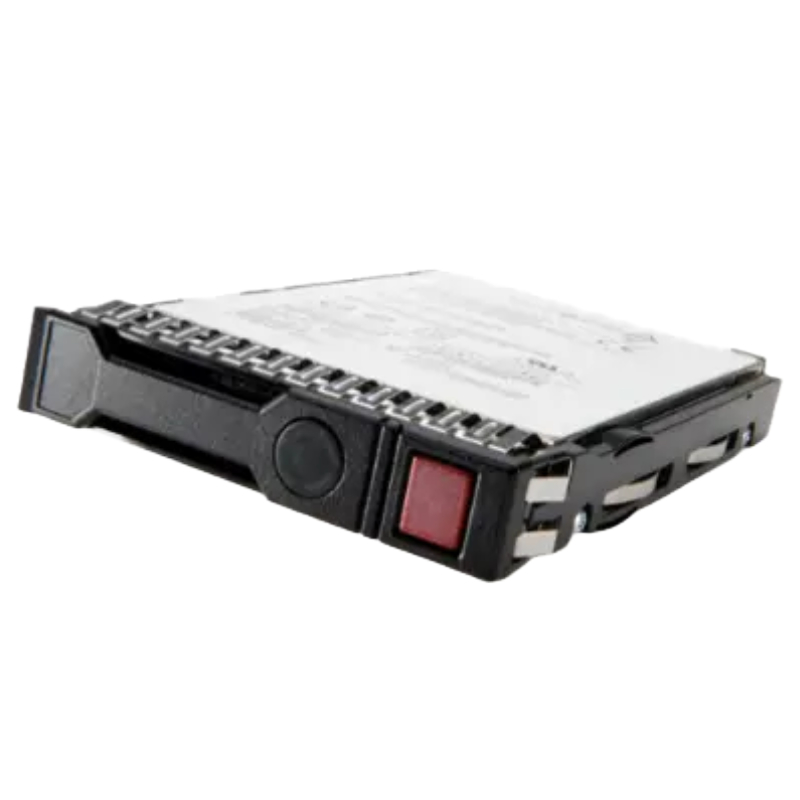


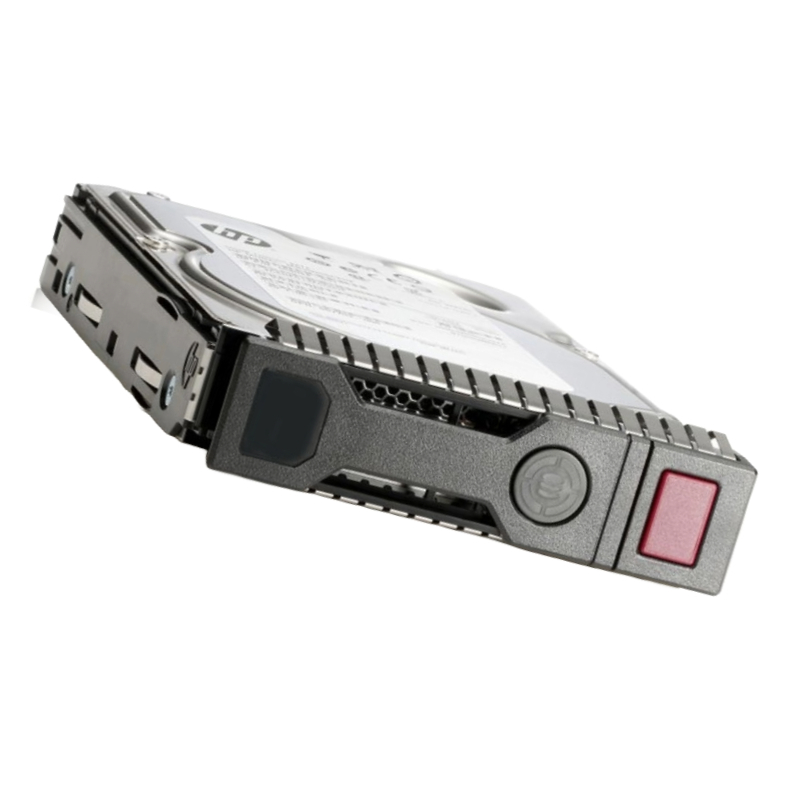
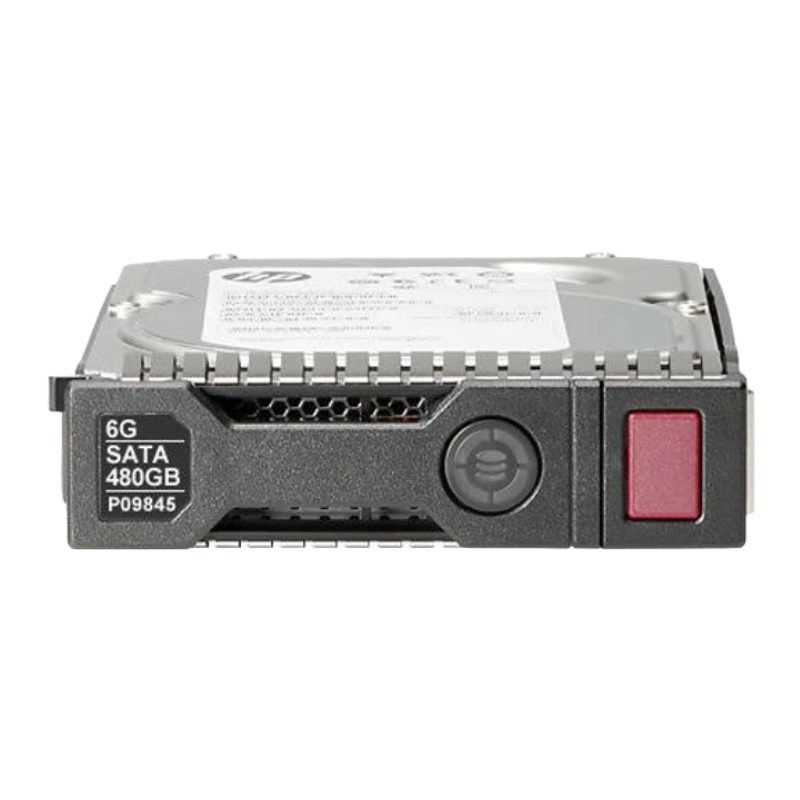
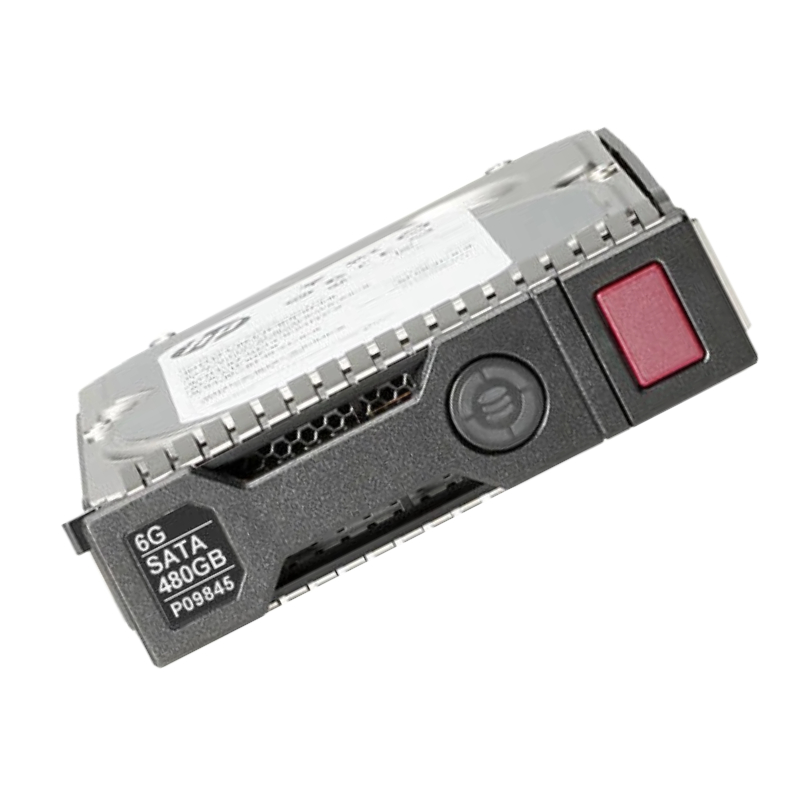
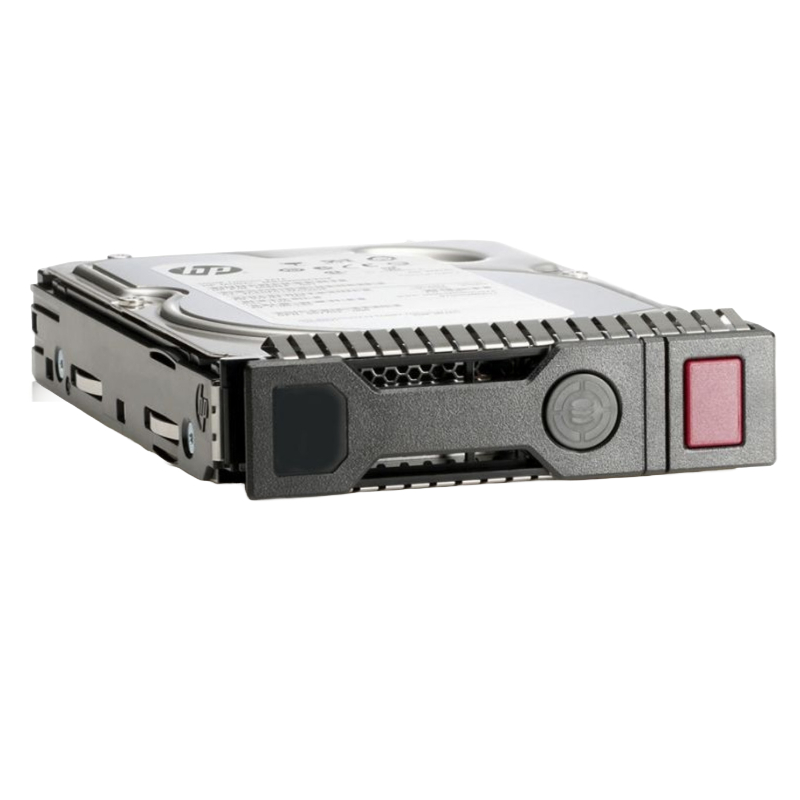
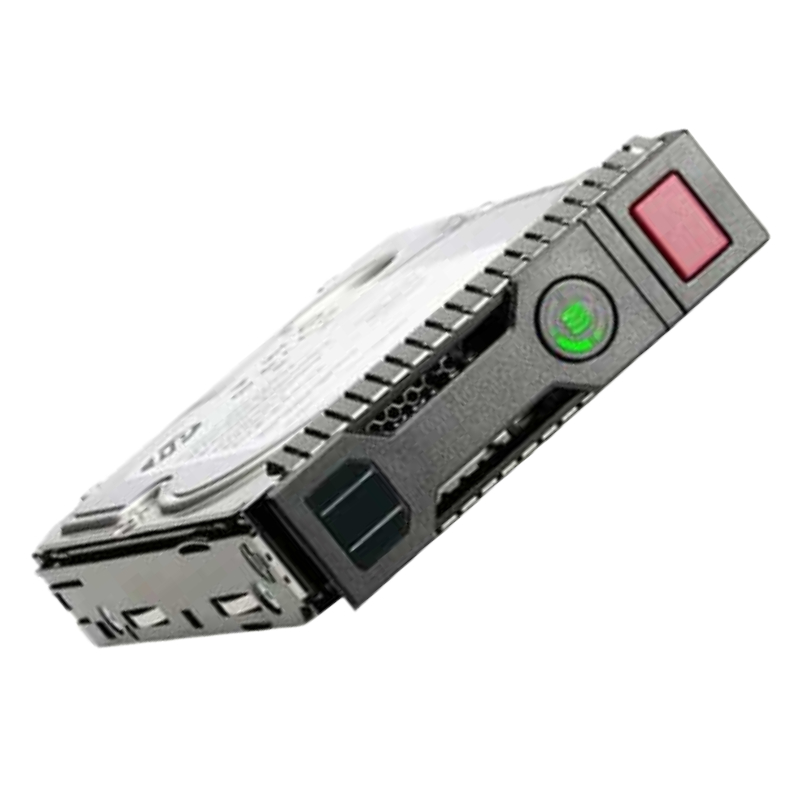
HPE P18482-001 480GB SATA-6GBPS Read-Intensive SFF SC Multi Vendor Solid State Drive for Proliant Servers. New Sealed in Box (NIB) with 3 Years Warranty
| SKU/MPN | Warranty | Price | Condition | You save |
|---|---|---|---|---|
| P18482-001 | 1 Year Warranty | $329.00 | New Sealed in Box (NIB) | You save: $115.15 (26%) |
| P18482-001 | 1 Year Warranty | $164.00 | Excellent Refurbished | You save: $57.40 (26%) |
The HPE P18482-001 480GB SATA-6GBPS Read-Intensive SFF SC Multi Vendor Solid State Drive for Proliant Servers is a purpose-built storage component engineered to meet demanding read-heavy workloads in enterprise-class ProLiant server environments. Tailored to organizations prioritizing fast access to frequently read data, this solid state drive (SSD) combines an industry-standard SATA-6Gb/s interface with a small form factor (SFF) and multi-vendor compatibility to deliver a dependable, energy-efficient storage tier that integrates with HPE storage management and service ecosystems. The 480GB capacity provides a balance of usable storage and performance, ideal for caching, boot volumes, read cache acceleration, and read-mostly virtual machine images. The specific model number, P18482-001, identifies the HPE-validated configuration and firmware integration that assures compatibility with ProLiant server trays, backplanes, and SmartArray controllers, while the read-intensive endurance characteristics optimize the drive’s firmware and wear-leveling algorithms for data centers where read IOPS and low latency matter most.
At the core of the P18482-001 design is the SATA 6.0 Gbps interface, a long-established standard offering broad support across server controllers and backplanes. The SATA-6GBPS link provides a reliable transport layer for sustained sequential transfers and hundreds to thousands of small-block read operations when combined with an SSD’s native low-latency NAND access. The small form factor (SFF) indicates a 2.5-inch drive profile, enabling higher drive density within ProLiant chassis and compatibility with caddies and sleds designed for 2.5-inch components. The single connector and standard power envelope allow the drive to be hot-pluggable in many HPE server bay designs, facilitating maintenance and upgrades without extended downtime. Internally, the drive’s architecture balances controller processing, DRAM or DRAM-less caching strategies, and multi-level cell (MLC) or triple-level cell (TLC) NAND depending on the multi-vendor sourcing approach used in the validated SKU. Firmware tuning emphasizes read optimization, translating to performance advantages for read-heavy datasets and applications.
Small form factor (SFF) drives such as the P18482-001 are selected for dense compute environments where maximizing usable storage per rackU is critical. When mounted in ProLiant caddies or sleds, this SSD aligns mechanically and electrically with HPE’s tray design, including carrier latches, hot-swap indicators, and guided airflow pathways. The SFF profile enables system architects to populate blade, rack, or tower servers with multiple 2.5-inch drives, achieving higher aggregate IOPS while preserving front-panel serviceability. Deployments that leverage SFF SSDs can allocate specific bays for boot volumes, caching, or application-specific datasets, ensuring predictable airflow, thermal profiles, and system monitoring via HPE Integrated Lights-Out (iLO) and Smart Array reporting tools. The drive’s physical compatibility with HPE drive carriers helps ensure firmware-level monitoring, compatibility checks, and proactive support integration within HPE’s service lifecycle management offerings.
Read-intensive SSDs are tuned to maximize read throughput and minimize read latency under sustained operations. The HPE P18482-001 480GB model targets scenarios where sequential and random read patterns dominate, such as web-serving, content delivery, metadata stores, database read replicas, and virtualization read caching. Compared to general-purpose or mixed-use SSDs, read-intensive variants favor firmware and overprovisioning strategies that reduce write amplification and reserve NAND cycles for reads, giving longer service life under read-heavy workloads. Typical benefits include high sustained sequential throughput across the SATA interface and low random read latency resulting from the absence of mechanical latency and optimized flash translation layer (FTL) behavior. In virtualization clusters, these read-performance characteristics reduce VM boot times and accelerate application startup, directly improving perceived responsiveness for users and automated orchestration processes.
A 480GB nominal capacity delivers an appealing compromise between storage density and cost-per-gigabyte for read-optimized tiers. When designing storage layouts, it is prudent to account for formatted capacity, file system overhead, partitioning, and any reserved overprovisioning reserved by the SSD’s controller for wear leveling and spare-block management. The effective usable space after formatting and standard parity or RAID overhead should be predicted based on the target RAID level and any hot-spare allocations. In many architectures, using 480GB drives as cache or for read-mostly datasets means leveraging a relatively modest number of drives to accelerate larger back-end arrays or cloud-backed object stores. This size also supports use as boot drives for hypervisor nodes, providing enough room for operating system images, local logs, and small data volumes with headroom for system updates and patches over time.
The term multi-vendor in the product name highlights an approach where HPE validates SSD configurations that may use NAND and controllers sourced from multiple trusted component vendors while maintaining consistent firmware signatures and functional behaviors under ProLiant ecosystems. This multi-vendor strategy provides supply chain flexibility and mitigates risks associated with single-source shortages, while rigorous qualification ensures the drives conform to HPE’s interoperability matrix. Compatibility extends beyond mechanical fit to include controller feature parity, power sequencing behavior, SMART attribute reporting consistency, and firmware update paths. Administrators should consult the HPE support matrices for validated firmware bundles and ensure that drives installed in a multi-drive array are compatible in terms of performance tier and endurance to avoid unexpected behavior during rebuilds or firmware rollouts.
Operating within a server chassis imposes thermal and power constraints that differ significantly from client computing. The P18482-001 SFF SSDs are designed to function within HPE’s thermal envelopes, with firmware and hardware components rated for continuous operation at elevated temperatures commonly found in densely populated racks. Power draw for SATA SSDs is typically modest compared to spindle-based drives, contributing to lower rack-level power budgets and reduced cooling requirements. Nevertheless, in multi-drive configurations, cumulative power and heat generation should be considered when planning chassis populate rates and airflow management. Proper installation into caddies and adherence to HPE guidelines for bay population ensures sufficient airflow and prolongs drive life by maintaining stable internal temperatures.
The P18482-001 480GB read-intensive SSD is particularly well suited for roles where read latency and throughput are primary performance drivers. Popular deployment patterns include use as a read cache in hybrid storage arrays, hosting OS and hypervisor images for rapid VM provisioning, serving as metadata and index volumes for search and analytics workloads, and accelerating content delivery for edge and web-serving applications. In database architectures where read replicas or reporting nodes dominate I/O patterns, these SSDs can dramatically reduce query response times and improve concurrency for read-only analytics. For virtualization farms, placing frequently accessed templates and golden images on read-optimized SSDs shortens VM boot storms and reduces load on slower back-end storage. Where write durability is less of a concern, administrators can adopt read-intensive SSDs to achieve a favorable price-to-performance ratio while meeting service-level objectives for access latency.
Maintaining reliability for enterprise storage requires ongoing telemetry, proactive replacement policies, and adherence to validated firmware and hardware combinations. The P18482-001 is designed to integrate with HPE monitoring stacks, emitting industry-standard SMART metrics, vendor-specific health attributes, and event logs. Regular monitoring for reallocated sector counts, endurance metrics, and temperature readings helps detect early signs of wear or failing components. Scheduled firmware maintenance, when performed in alignment with HPE recommendations, preserves compatibility and addresses bug fixes. Additionally, configuring RAID protection and ensuring proper backup and snapshot policies remain central to data integrity strategies, even when using SSDs with high MTBF ratings. Administrators should document maintenance windows and keep a rotation of spare validated drives available to expedite in-service replacements and rebuild operations.
Compared to mixed-use or write-optimized SSDs, the P18482-001’s read-intensive focus yields better cost-to-performance ratios for read-dominant workloads. Against HDDs, it provides drastically lower latency, higher random IOPS, and reduced operational overhead. When contrasted with NVMe-based flash, SATA SSDs represent a more economical choice with broad compatibility, though NVMe can deliver superior bandwidth and lower latency for ultra-high performance applications. The choice between SATA read-intensive SSDs and NVMe or other storage classes hinges on workload profile, budget, and the existing server environment. For many ProLiant installations that have SATA backplanes and controllers, selecting validated SATA-6GBPS SSDs simplifies integration while delivering meaningful performance uplift for read-heavy applications.
SATA read-intensive SSDs are ideal when read latency improvements and improved random read throughput are required but the infrastructure does not support NVMe or when budget constraints preclude NVMe adoption. They are also preferred when the operational model relies on hot-swappable drive bays managed by existing RAID controllers and when the system administrators seek the reliability and familiarity of SATA ecosystems. HDDs remain attractive for large-capacity, cold-storage tiers where capacity-per-dollar is dominant, whereas NVMe is chosen for the highest-performance, lowest-latency tiers. The P18482-001 fills the gap between performance needs and pragmatic system compatibility, particularly in mixed-storage environments that blend SSD caching with HDD-backed bulk storage.


 Contact Us
 Information
 Catalog
 Solid State Drives (SSD)
 Network Switches
 Hard Disk Drives
 HBA & Controllers
 PC & Servers
 PC & Server Memory
 CPU & Processors
 Network Routers
 Power Supplies
 Tape Drives & Libraries
 Network Devices
 Computer & Network Cables