(7% discount is applied at checkout)
Cart is empty
Your go-to destination for cutting-edge server products


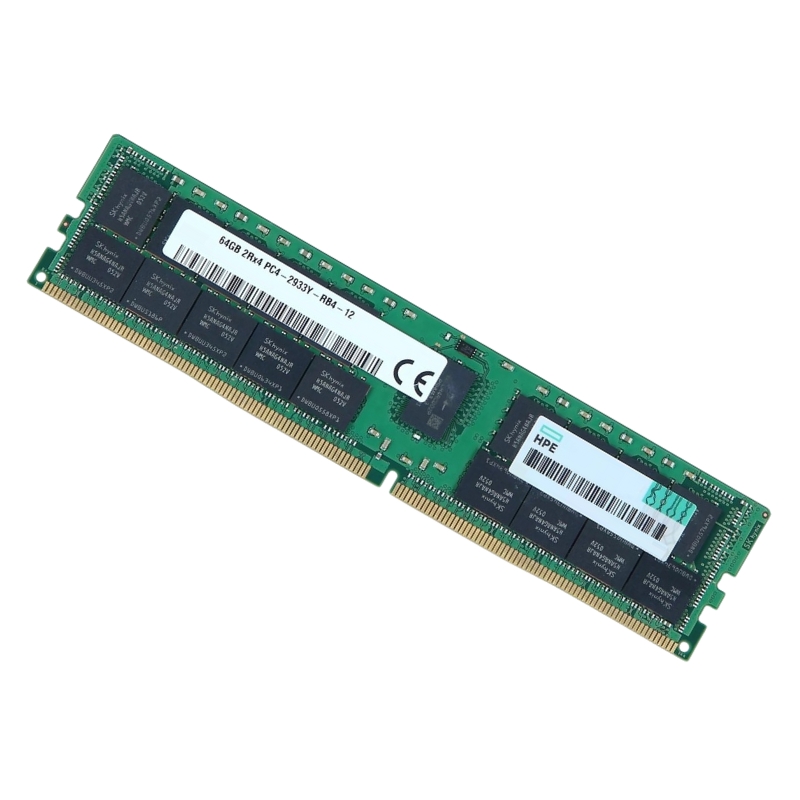
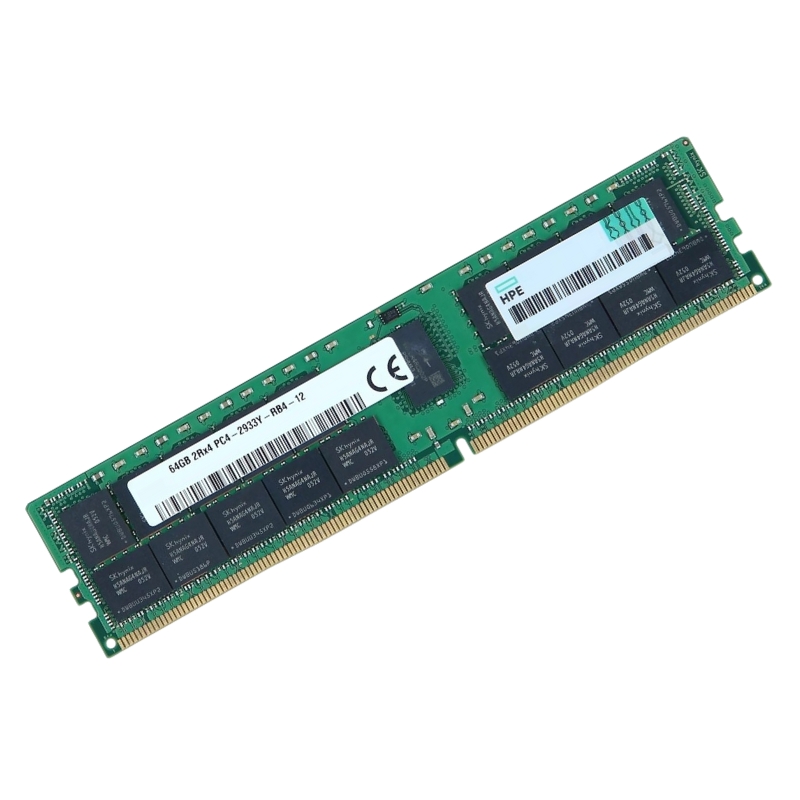
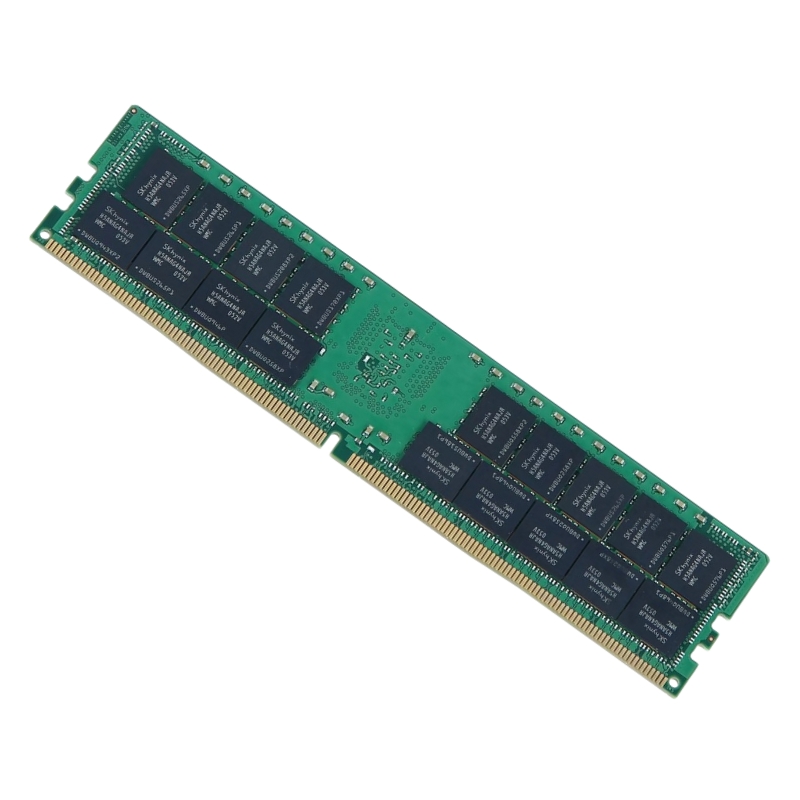
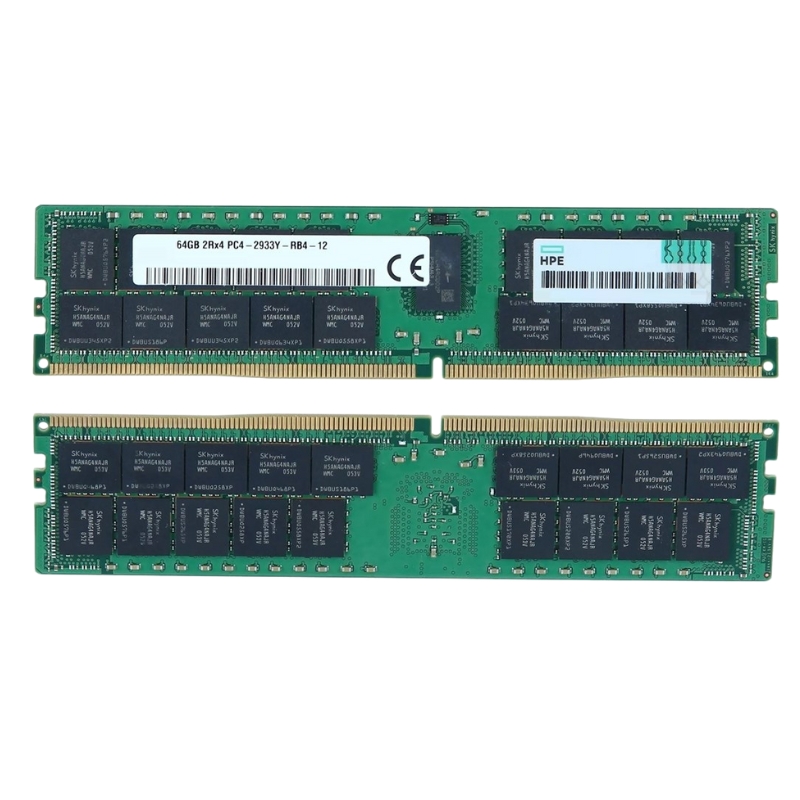
HPE 64GB 2933Mhz Pc4-23466 CL21 DDR4 Load Reduced Ram P19251-001. New (System) Pull with 1 year replacement warranty
The HPE P19251-001 is a high-capacity 64GB DDR4 Load Reduced Smart Memory Kit engineered for enterprise-grade performance. With advanced features such as quad rank architecture and optimized latency, this module ensures reliability and efficiency for demanding workloads.
The HPE P19251-001 64GB 2933MHz PC4-23466 CL21 DDR4 Load Reduced RAM represents an advanced server memory solution designed to meet the rigorous demands of modern enterprise computing environments. Organizations operating large-scale data centers, virtualization infrastructures, and cloud-based platforms require memory modules capable of handling intensive workloads while maintaining reliability and performance consistency. This particular memory module is engineered to support high-performance computing systems and enterprise servers that require large memory capacities combined with optimized data throughput.
Designed specifically for HPE enterprise server platforms, the HPE P19251-001 memory module delivers 64GB of capacity within a single module while operating at 2933MHz, ensuring efficient data transfer rates across demanding applications. The PC4-23466 specification ensures compatibility with modern DDR4 memory architectures, providing significant improvements in bandwidth, latency management, and energy efficiency compared to earlier memory generations. This makes it ideal for organizations that rely on real-time data processing, virtualization clusters, and high-performance database management systems.
Load Reduced DIMM (LRDIMM) technology plays a central role in the performance characteristics of the HPE P19251-001 RAM module. Unlike traditional registered DIMMs, load-reduced memory modules utilize an advanced memory buffer that reduces electrical load on the memory controller, allowing systems to support larger memory capacities while maintaining high stability and performance. In enterprise environments where servers often host hundreds of virtual machines or handle massive transactional workloads, this technology helps maintain consistent data flow without compromising system integrity.
DDR4 Load Reduced DIMM technology is specifically designed to enhance memory scalability in enterprise servers. As data centers evolve and workloads become increasingly demanding, the need for higher memory density has grown significantly. Load Reduced DIMMs address this challenge by minimizing the electrical load that traditional memory modules place on the server’s memory controller. By incorporating a specialized memory buffer chip, LRDIMMs isolate the DRAM chips from the controller, allowing the system to support higher memory capacities and improved signal integrity.
In the context of the HPE P19251-001 64GB 2933MHz RAM module, LRDIMM technology enables servers to operate with larger total memory configurations without sacrificing performance. High-density virtualization environments, artificial intelligence processing tasks, and enterprise resource planning platforms often require significant memory resources. With load-reduced technology, administrators can scale memory capacity more effectively, ensuring that servers remain capable of handling modern workloads without bottlenecks.
Another significant advantage of DDR4 LRDIMM memory lies in its improved reliability and system stability. The buffer chip integrated within the memory module helps regulate data flow and signal transmission, minimizing errors and maintaining data integrity. In mission-critical enterprise systems where downtime can lead to financial losses and operational disruptions, this reliability becomes a vital factor in server hardware selection.
The PC4-23466 memory designation indicates a data transfer rate of approximately 2933 megatransfers per second, making it a high-performance memory specification suitable for modern enterprise servers. This transfer rate provides significantly improved bandwidth compared to earlier DDR3 or lower-speed DDR4 memory modules. As enterprise applications continue to demand faster data processing capabilities, higher memory bandwidth ensures smoother operation and reduced latency in server environments.
The HPE P19251-001 memory module leverages this specification to support high-throughput workloads such as database indexing, virtualization clusters, analytics processing, and cloud computing applications. By delivering higher bandwidth, servers can move data between memory and processors more efficiently, resulting in improved application responsiveness and better overall system performance.
The 64GB capacity offered by the HPE P19251-001 DDR4 memory module provides a substantial upgrade path for enterprise servers that require increased memory resources. Modern applications often rely heavily on memory-intensive processes, including real-time analytics, large database management systems, virtualization environments, and artificial intelligence workloads. With a single 64GB module, organizations can expand their server memory capacity while minimizing the number of physical DIMM slots required.
Large memory modules also help improve server efficiency by enabling higher memory consolidation ratios. This is particularly beneficial in virtualization environments where a single server may host dozens or even hundreds of virtual machines simultaneously. By utilizing high-capacity modules such as the HPE P19251-001, administrators can allocate adequate memory resources to each virtual environment without compromising performance or stability.
Memory speed plays a crucial role in determining how quickly a server can process and transfer data between the processor and system memory. The 2933MHz operating frequency of the HPE P19251-001 RAM module ensures fast data transfer rates, which is essential for high-performance server environments. This speed allows servers to efficiently handle demanding workloads such as real-time financial transactions, large-scale data analytics, and complex computational tasks.
The higher frequency also helps reduce latency in memory operations. Lower latency contributes to faster application response times and improved overall system efficiency. For enterprise environments where milliseconds can impact operational outcomes, high-speed memory modules are an essential component of optimized server infrastructure.
CAS latency, commonly referred to as CL, measures the delay between a memory controller requesting data and the memory module delivering that data. The CL21 latency rating associated with the HPE P19251-001 module indicates a well-balanced configuration that prioritizes stability and performance in enterprise workloads. While extremely low latency is often desirable in consumer systems, enterprise servers require a balanced approach that maintains reliability across large memory configurations.
The CL21 configuration ensures stable performance even in multi-DIMM server setups where multiple high-capacity memory modules operate simultaneously. This balance between speed and stability is essential in mission-critical systems where consistent performance is more important than short bursts of peak speed.
The HPE P19251-001 64GB DDR4 LRDIMM memory module is designed for seamless integration with a wide range of HPE ProLiant server models. These servers are widely used in enterprise data centers due to their scalability, reliability, and performance capabilities. By using certified HPE memory modules, organizations can ensure full compatibility with server firmware, system architecture, and memory controller configurations.
Certified server memory ensures that the hardware operates according to manufacturer specifications, reducing the risk of system errors or performance inconsistencies. HPE memory modules undergo rigorous validation processes to ensure they meet strict enterprise reliability standards. This validation ensures that each module performs optimally within supported server configurations.
Many enterprise servers utilize multi-socket processor architectures to deliver higher computing power and scalability. In such systems, memory modules must work efficiently across multiple memory channels to ensure balanced performance. The HPE P19251-001 DDR4 LRDIMM module is engineered to operate seamlessly within multi-socket server architectures, ensuring optimal memory bandwidth distribution across processors.
By maintaining consistent performance across multiple memory channels, the module helps servers achieve balanced processing workloads. This is particularly beneficial in environments running large virtualization clusters or distributed computing frameworks.
Modern data centers rely heavily on high-capacity memory modules to support an increasingly complex range of applications and services. Cloud computing platforms, artificial intelligence workloads, machine learning algorithms, and big data analytics systems require enormous memory resources to operate efficiently. The HPE P19251-001 64GB DDR4 memory module provides a scalable solution for organizations seeking to enhance their data center infrastructure.
High-capacity memory modules reduce the need for disk-based caching by allowing more data to reside directly in system memory. This significantly improves application response times and reduces latency in data processing tasks. In environments such as financial trading platforms, healthcare systems, and large-scale e-commerce operations, faster memory access directly translates into improved operational efficiency and customer satisfaction.
Database applications often rely heavily on memory caching to improve query performance and reduce disk access latency. By installing high-capacity memory modules like the HPE P19251-001 DDR4 LRDIMM, organizations can significantly expand in-memory caching capabilities. This allows databases to store larger datasets directly in RAM, reducing the need for slower storage operations.
Faster database access improves transaction processing speeds and enhances the responsiveness of applications that depend on real-time data retrieval. Industries such as banking, logistics, telecommunications, and healthcare rely heavily on high-performance database systems, making enterprise-grade memory modules an essential component of their infrastructure.
Enterprise memory modules incorporate advanced error detection and correction technologies to maintain data integrity in critical computing environments. ECC memory, commonly used in server modules like the HPE P19251-001, detects and corrects data corruption that may occur during memory operations. This feature is essential for maintaining system stability and preventing data loss in mission-critical applications.
ECC technology continuously monitors memory operations, automatically correcting single-bit errors and detecting more complex multi-bit errors. By ensuring that memory data remains accurate and consistent, ECC memory helps maintain the reliability of enterprise systems.
HPE server memory modules undergo extensive quality assurance testing before being released for enterprise deployment. This testing includes thermal stress analysis, signal integrity verification, and compatibility validation across supported server platforms. The goal of these rigorous testing procedures is to ensure that each module performs reliably under continuous high-load conditions typical of data center environments.
Organizations that deploy HPE-certified memory modules benefit from improved system stability and reduced hardware failure risks. This reliability is essential for maintaining uptime in environments where server availability directly impacts business operations.
High-density server racks generate significant heat due to continuous high-performance operations. Memory modules must be designed to maintain stable performance under these thermal conditions. The HPE P19251-001 memory module incorporates advanced thermal management features that help dissipate heat effectively, ensuring consistent operation even in demanding data center environments.
Thermal stability is particularly important in systems running heavy workloads around the clock. Efficient heat dissipation ensures that memory modules maintain optimal operating temperatures, reducing the risk of performance degradation or hardware failure.


 Contact Us
 Information
 Catalog
 Solid State Drives (SSD)
 Network Switches
 Hard Disk Drives
 HBA & Controllers
 PC & Servers
 PC & Server Memory
 CPU & Processors
 Network Routers
 Power Supplies
 Tape Drives & Libraries
 Network Devices
 Computer & Network Cables