(7% discount is applied at checkout)
Cart is empty
Your go-to destination for cutting-edge server products
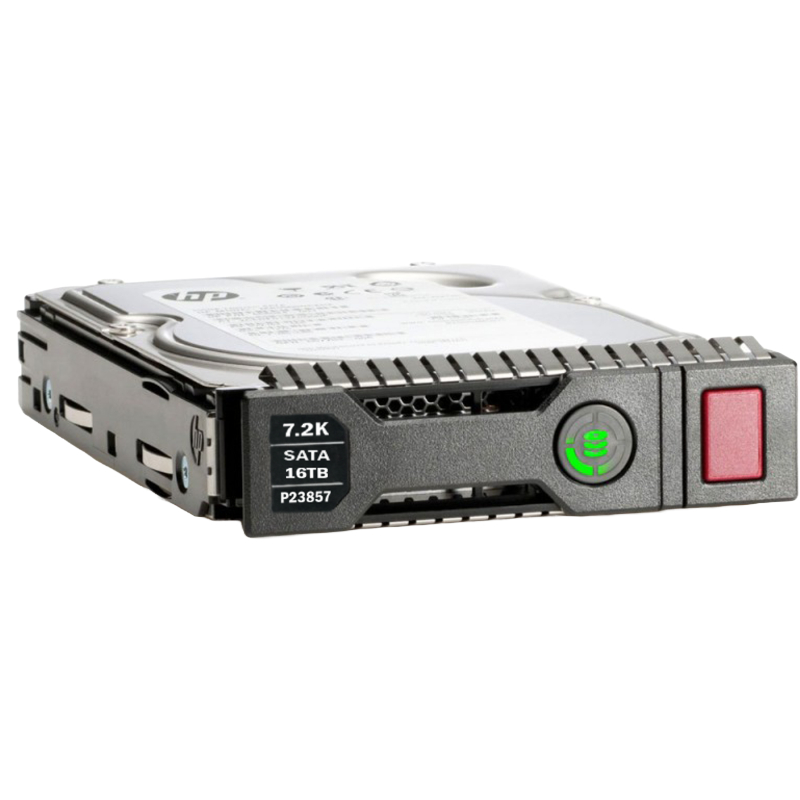


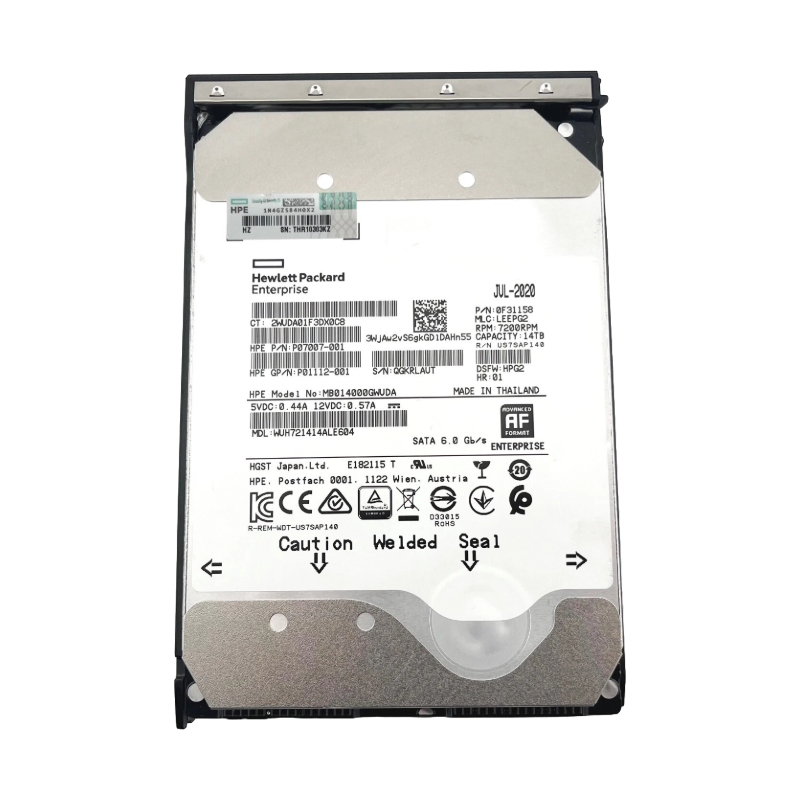
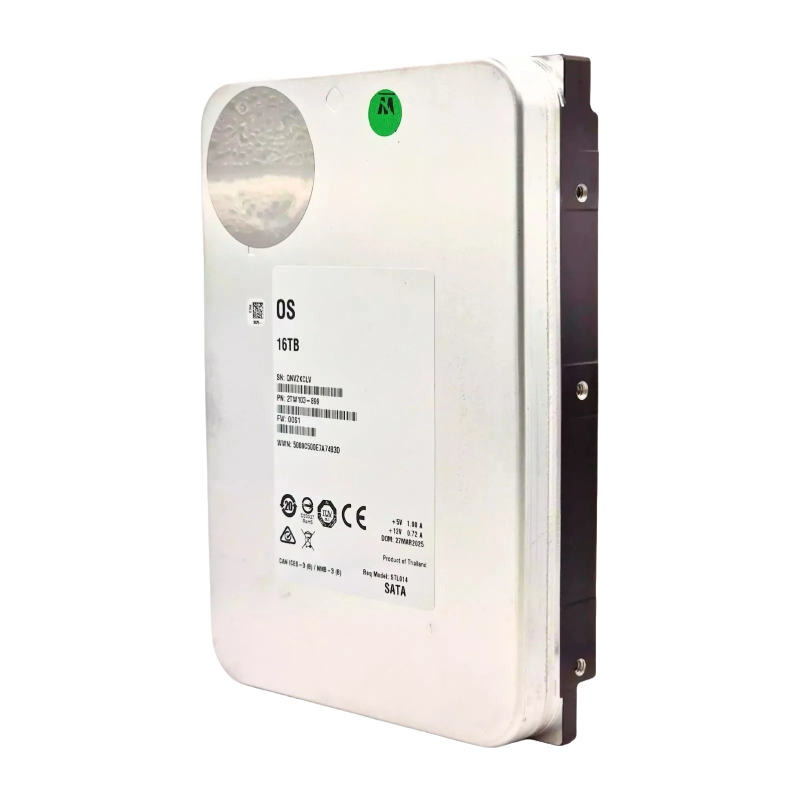
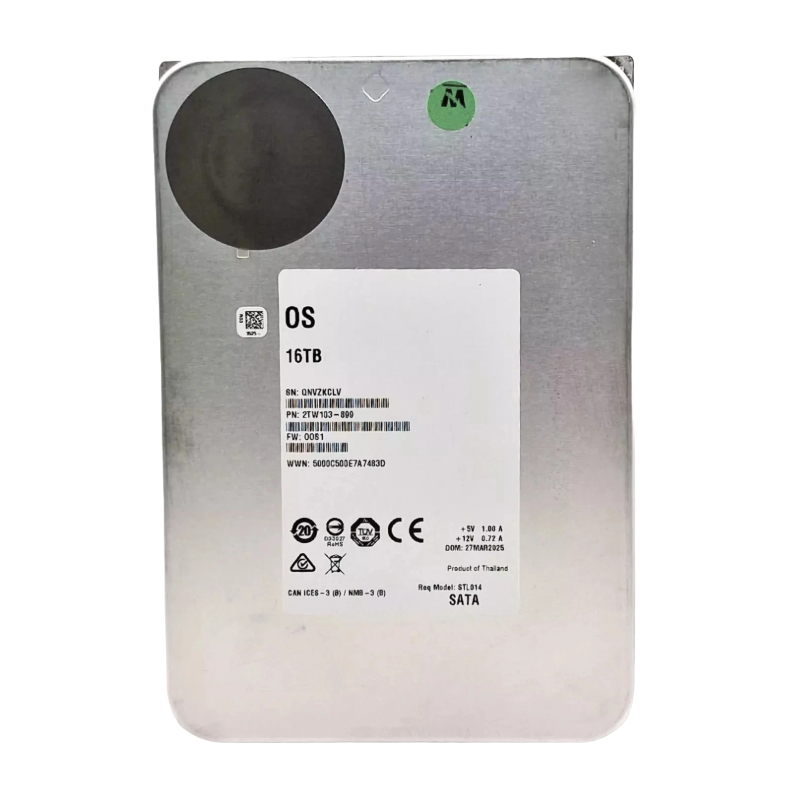
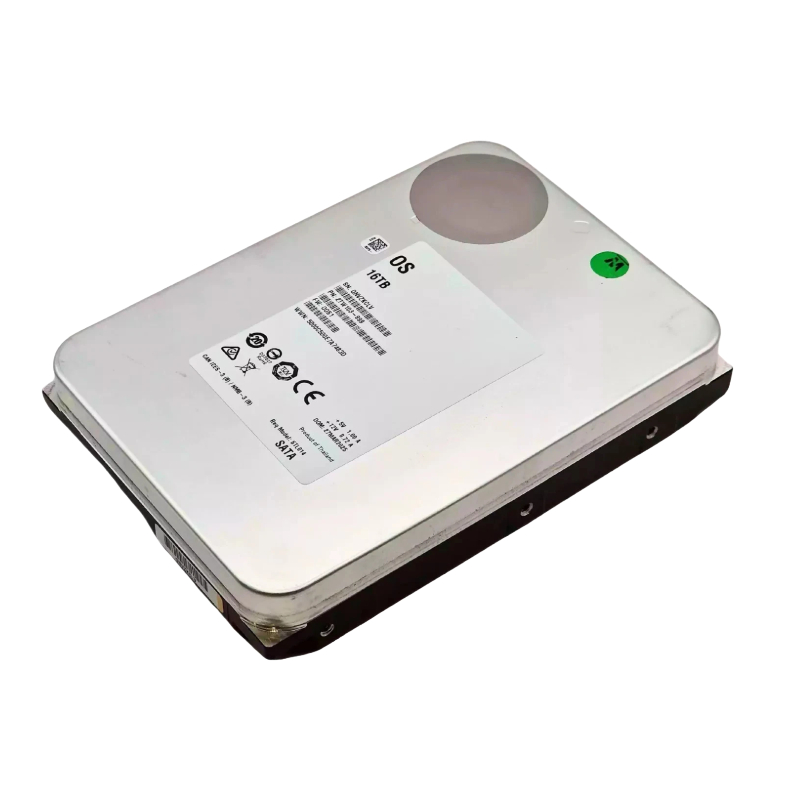
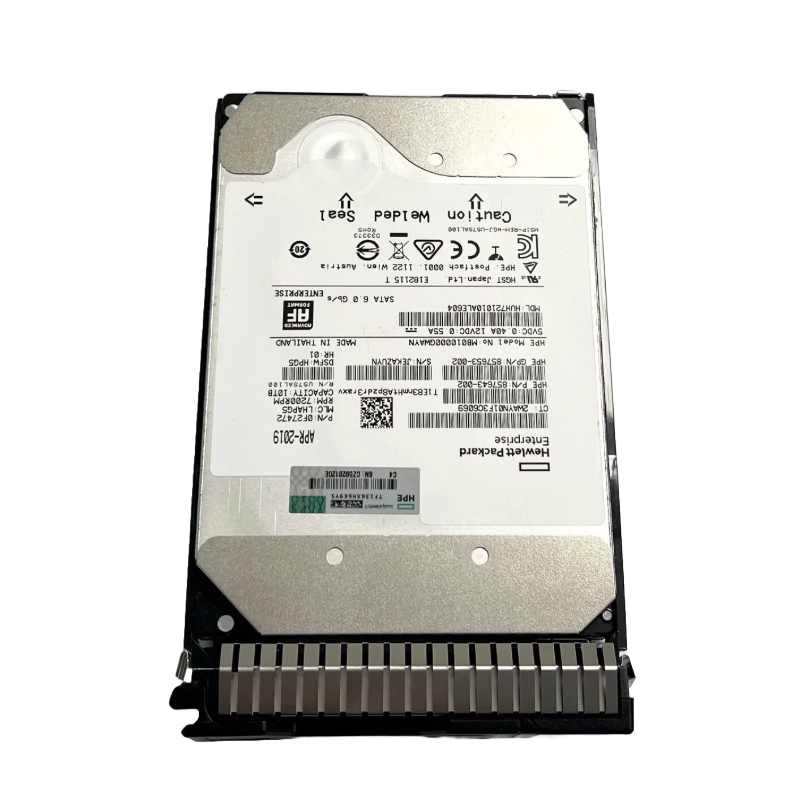
HPE P23857-B21 16TB SATA 6GBPS 7.2K RPM Helium 512e Ise 3.5inch LFF Hard Drive. Factory-Sealed New in Original Box (FSB) with 3 Years Warranty
The HPE P23857-B21 16TB SATA Hard Drive is a high-capacity, enterprise-grade storage solution designed for business-critical environments that demand reliability, scalability, and consistent performance. Built with helium-sealed technology and optimized for large-scale data workloads, this 3.5-inch LFF hard disk drive delivers efficient storage density and enhanced power efficiency for modern data center infrastructures.
The enterprise storage ecosystem continues to evolve with high-capacity, energy-efficient, and reliability-focused hard drives designed for modern data center workloads. The HPE P23857-B21 16TB SATA 6Gbps 7.2K RPM Helium 512e ISE 3.5-inch LFF Hard Drive represents a critical class of large form factor enterprise storage solutions optimized for scalability, durability, and cost-efficient bulk data storage. This category encompasses helium-filled nearline hard drives engineered to deliver maximum capacity per drive while maintaining controlled power consumption and stable long-term performance in demanding server and storage environments.
Helium technology is a key innovation in modern high-capacity hard drives, significantly reducing internal air resistance and enabling the use of more platters within the same 3.5-inch chassis. The reduced density of helium compared to air allows for smoother platter rotation, lower turbulence, and decreased mechanical friction. This directly contributes to reduced power consumption and improved thermal performance, which is essential in large-scale storage deployments.
Inside traditional air-filled drives, spinning platters encounter resistance that generates heat and limits density scaling. Helium-filled drives, such as this category, eliminate much of that internal resistance, allowing for higher platter counts and thinner mechanical tolerances. This results in improved storage density without sacrificing reliability or rotational stability.
The use of helium technology contributes significantly to lowering operational costs in enterprise data centers. Reduced power consumption and cooling requirements allow infrastructure teams to deploy more drives per rack unit while maintaining predictable thermal conditions and energy efficiency targets.
The 16TB capacity class is designed for large-scale storage environments where high data density is essential. This capacity range is commonly deployed in backup systems, archival storage, cloud infrastructure, and distributed storage clusters. The increased storage per drive reduces the physical footprint required to store massive datasets, streamlining infrastructure design.
Organizations adopting 16TB helium-based SATA drives benefit from reduced drive counts for equivalent storage requirements. This simplifies storage architecture, reduces cabling complexity, and improves management efficiency across storage arrays and server enclosures.
Higher-capacity drives allow enterprises to consolidate legacy storage systems into fewer devices. This not only reduces hardware overhead but also decreases maintenance requirements and improves overall system reliability by minimizing component redundancy.
The SATA 6Gbps interface remains widely adopted in enterprise nearline storage due to its balance of performance, compatibility, and cost efficiency. This interface provides sufficient bandwidth for sequential workloads typical in archival and backup environments while maintaining broad compatibility across server platforms.
While SATA does not compete with high-speed NVMe or SAS in latency-sensitive workloads, it excels in sequential read and write operations. The 6Gbps bandwidth ensures consistent throughput for large file transfers, data replication, and backup restoration tasks.
SATA-based enterprise drives integrate seamlessly into existing storage architectures, making them ideal for hybrid storage systems where cost-effective capacity expansion is required without redesigning the entire storage stack.
The 7,200 RPM spindle speed represents a balance between performance and power efficiency. This rotational speed is widely used in nearline enterprise drives where consistent throughput is more important than ultra-low latency.
At 7.2K RPM, the drive achieves stable read and write speeds suitable for sequential workloads, including large-scale backups, log storage, and cold data archiving. This speed category minimizes mechanical wear while maintaining dependable throughput.
Lower rotational speeds contribute to reduced mechanical stress, which enhances long-term reliability and extends operational lifespan, making this category suitable for 24/7 enterprise environments.
The 512e format (512-byte emulation) enables compatibility between legacy systems and modern storage architectures that utilize larger physical sector sizes. This hybrid format ensures seamless integration with operating systems and applications designed for traditional sector alignment.
By using larger physical sectors internally while emulating 512-byte logical sectors, the drive improves error correction efficiency and enhances storage density without disrupting software compatibility.
512e technology allows modern storage systems to benefit from improved formatting efficiency while maintaining backward compatibility, which is essential in mixed infrastructure environments.
The ISE functionality provides rapid and secure data erasure capabilities, enabling organizations to safely repurpose or decommission drives without exposing sensitive data. This is particularly important in industries with strict compliance requirements.
ISE technology ensures that data can be securely erased at the hardware level, significantly reducing the time required compared to traditional overwrite-based sanitization methods.
Organizations operating under regulatory frameworks benefit from ISE-enabled drives, as they provide a reliable method of ensuring data cannot be recovered after disposal or redeployment.
The 3.5-inch LFF design is standard for high-capacity enterprise hard drives, offering sufficient internal space for multiple platters and helium sealing technology. This form factor is widely supported in enterprise server chassis and storage arrays.
LFF drives allow for optimized rack density while maintaining adequate cooling airflow. Their physical structure supports scalable deployment in storage-heavy environments such as data centers and cloud infrastructure facilities.
The larger form factor provides improved vibration resistance compared to smaller drives, enhancing reliability in dense multi-drive configurations.
This category of hard drives is commonly deployed in backup infrastructure where large sequential writes and infrequent read operations dominate. The high capacity and cost efficiency per terabyte make it ideal for long-term data retention strategies.
Cold storage environments benefit significantly from helium-based 16TB drives due to their ability to store large datasets at minimal operational cost while maintaining data integrity over extended periods.
In disaster recovery architectures, these drives provide reliable replication storage targets, ensuring that critical enterprise data can be restored efficiently when required.
Cloud service providers utilize high-capacity SATA helium drives to build scalable storage pools that support object storage, virtual machine snapshots, and large-scale data repositories.
These drives are often integrated into distributed storage systems where redundancy and scalability are key architectural requirements.
Their high capacity and cost efficiency make them suitable for multi-tenant cloud platforms where storage resources must be allocated dynamically across users.
Helium-filled drives inherently consume less power due to reduced mechanical resistance. This makes them highly efficient in large-scale deployments where hundreds or thousands of drives operate simultaneously.
Lower internal friction results in reduced heat output, simplifying cooling requirements and improving overall system stability.
Lower power and cooling demands translate into significant operational savings over the lifecycle of enterprise storage systems.
These drives are commonly used in hybrid storage environments where SSDs handle high-speed transactional workloads while high-capacity HDDs manage bulk storage.
Automated storage tiering systems often leverage these drives for cold or infrequently accessed data, optimizing overall storage efficiency.
The 16TB capacity class allows organizations to scale storage infrastructure incrementally without significant architectural changes.


 Contact Us
 Information
 Catalog
 Solid State Drives (SSD)
 Network Switches
 Hard Disk Drives
 HBA & Controllers
 PC & Servers
 PC & Server Memory
 CPU & Processors
 Network Routers
 Power Supplies
 Tape Drives & Libraries
 Network Devices
 Computer & Network Cables