(7% discount is applied at checkout)
Cart is empty
Your go-to destination for cutting-edge server products
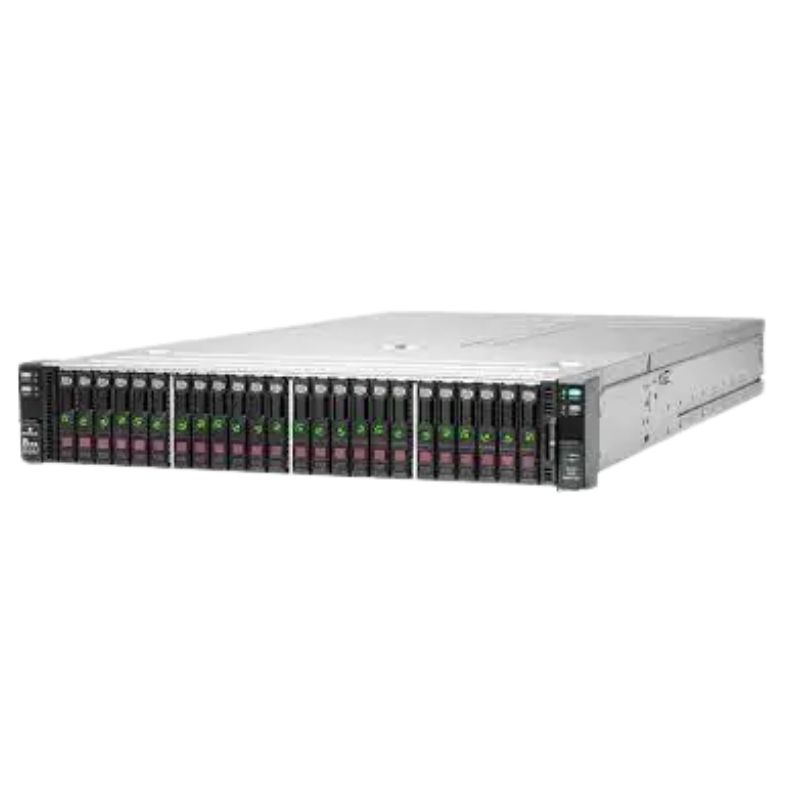


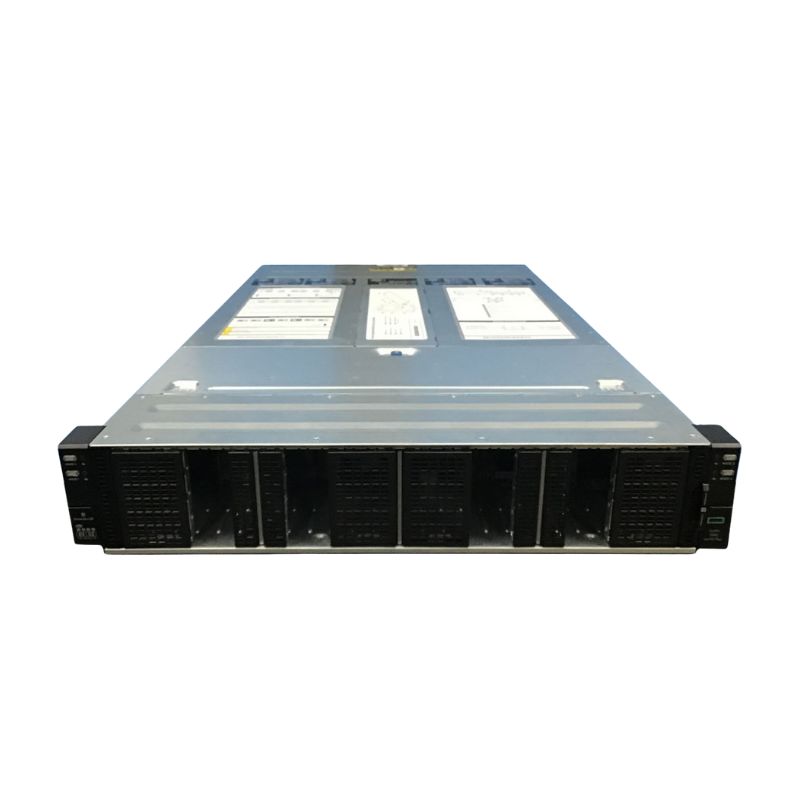
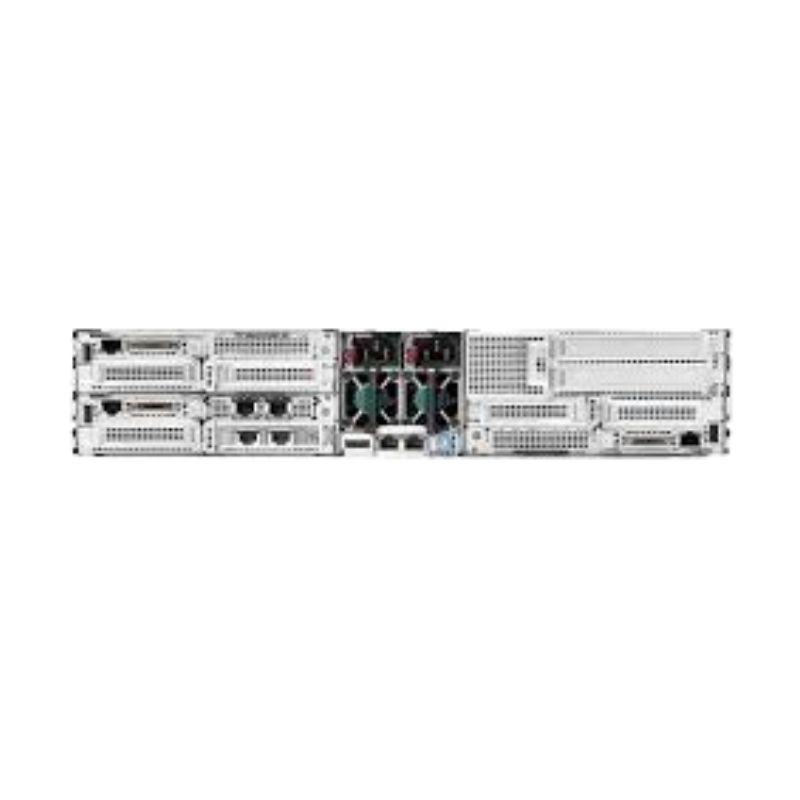
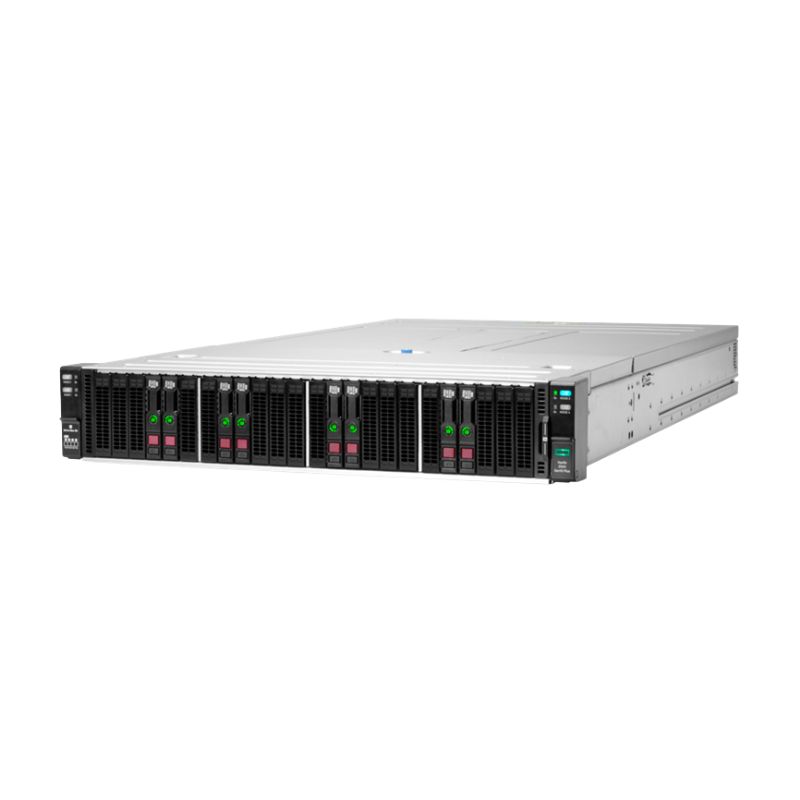
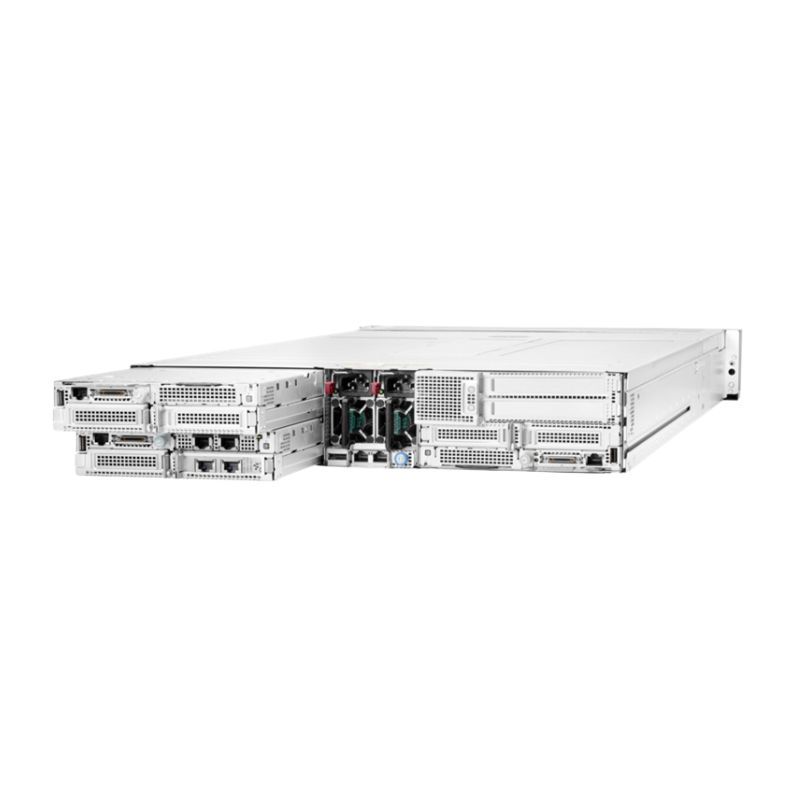
HPE P25431-003 Apollo N2600 Gen10 Plus SFF CTO Chassis. Excellent Refurbished with 1 year Replacement Warranty
The HPE P25431-003 is a precision-engineered power component designed for the Apollo N2600 Gen10 Plus SFF CTO Chassis. It plays a crucial role in ensuring uninterrupted energy flow, allowing servers to operate reliably in high-demand data center environments. Manufactured by Hewlett Packard Enterprise (HPE), this part offers superior quality and performance for enterprise infrastructure.
The P25431-003 module ensures stable power management across all server nodes, preventing voltage drops or interruptions that could lead to downtime. This makes it an ideal solution for workloads such as:
This PDB is critical for ensuring that servers in mission-critical applications receive a constant power supply. Common deployment scenarios include:
The HPE P25431-003 Apollo N2600 Gen10 Plus SFF CTO Chassis is engineered as a high-density, highly configurable server platform tailored for modern data center workloads. Designed for storage-intensive and compute-heavy deployments, this Apollo N2600 chassis emphasizes modularity, serviceability, and thermal efficiency while enabling IT teams to assemble tailored configurations (CTO — Configure To Order) that match specific capacity, performance, and budget requirements. The chassis is an ideal fit for enterprises, cloud providers, HPC clusters, edge infrastructure, and scale-out storage systems that require Small Form Factor (SFF) drive density combined with HPE's Gen10 Plus reliability and management features.
With SFF drive formats, organizations can realize significant raw capacity while leveraging drive redundancy and tiering strategies. A single chassis can support dozens of 2.5” drives, enabling petabyte-scale capacity when used in multi-chassis racks or clustered storage architectures.
Selecting appropriate drive mixes (SSD vs HDD), enabling advanced power-saving features, and consolidating workloads onto fewer, more efficient nodes are key strategies to optimize Power Usage Effectiveness (PUE) in deployments based on the Apollo N2600 chassis.
Maintaining up-to-date firmware is essential for performance and security—HPE provides tools for streamlined, validated firmware rollouts across fleets to minimize disruption and ensure compliance with security baselines.
The chassis supports automation via APIs and integration with configuration management tools (Ansible, Puppet, Chef) and orchestration frameworks—allowing DevOps teams to treat physical infrastructure as code and automate repetitive tasks
The Apollo N2600 is frequently chosen as a building block for SDS architectures. Its high SFF drive count allows administrators to design balanced nodes optimized for capacity, redundancy, and performance tiers. Typical SDS roles include:
For edge installations that require compact, durable systems, the Apollo chassis can be CTO’d for the exact mix of compute, storage, and connectivity required by remote sites or telco locations.
The P25431-003 is designed to integrate with other HPE infrastructure components:
For workloads that rely on in-memory processing, ensure sufficient DIMM population and fast memory speeds. Task scheduling, NUMA-awareness, and affinity settings can also improve predictable performance.
HPE provides lifecycle bundles and firmware baselines tailored to the product family—applying these ensures
If your primary need is GPU-dense AI inference/training, or extremely high single-node compute density without local storage, alternative HPE platforms (e.g., GPU-optimized DL servers) may offer better ROI. Similarly, if you need fewer, larger 3.5" drives per node, choose a chassis designed for LFF drives instead.
The Apollo N2600 is optimized for scale-out models: add chassis/nodes to expand capacity and parallel performance rather than relying on expensive single-node vertical scaling. This fits modern cloud-native and distributed storage architectures, which favor horizontal elasticity. Yes — many configurations allow mixed drive populations (NVMe/SSD/HDD), but compatibility depends on the chosen backplane and controller options. Validate the specific CTO options to ensure full support.
NVMe is configuration-dependent. Some variants of the Apollo family offer NVMe-capable backplanes or direct-attach NVMe paths; check the CTO matrix to confirm NVMe compatibility for the P25431-003 chassis build you intend to order.
HPE iLO and HPE One View are recommended for lifecycle management, remote support, and orchestration. Integration with monitoring stacks (Prometheus, Grafana, or vendor-provided telemetry solutions) helps with capacity planning and predictive maintenance.
Build headroom into power and network designs, and choose modular chassis and rack layouts that permit additional nodes. Follow a documented capacity growth plan that includes drive replacements, node additions, and fabric upgrades.
In an object-storage cluster (e.g., Ceph), each Apollo N2600 node can be configured with a mix of NVMe for journals/cache and high-capacity SFF SSDs/HDDs for data. Best practices include evenly distributing OSDs across nodes, isolating management traffic, and using replication/erasure coding tuned to your durability requirements.
Use Apollo chassis to provide fast staging areas for datasets used in training models. Pair NVMe cache with high-memory CPU nodes to accelerate data preprocessing and batch ingestion.
Configure some chassis in the rack as dense archival nodes with a focus on cost-per-GB using high-capacity 2.5” HDDs and slower RAID levels designed for sequential throughput rather than random IOPS.
Always consult HPE product guides, Quick Specs, and validated configuration matrices for the Apollo N2600 family to ensure full interoperability and support eligibility. When possible, request reference architectures from HPE or certified partners for your target workload.
Investing time in upfront configuration validation, power and cooling planning, and automation scripts for lifecycle tasks will pay dividends in reliability and predictable performance for deployments built on the HPE P25431-003 Apollo N2600 Gen10 Plus SFF CTO Chassis.


 Contact Us
 Information
 Catalog
 Solid State Drives (SSD)
 Network Switches
 Hard Disk Drives
 HBA & Controllers
 PC & Servers
 PC & Server Memory
 CPU & Processors
 Network Routers
 Power Supplies
 Tape Drives & Libraries
 Network Devices
 Computer & Network Cables