(7% discount is applied at checkout)
Cart is empty
Your go-to destination for cutting-edge server products
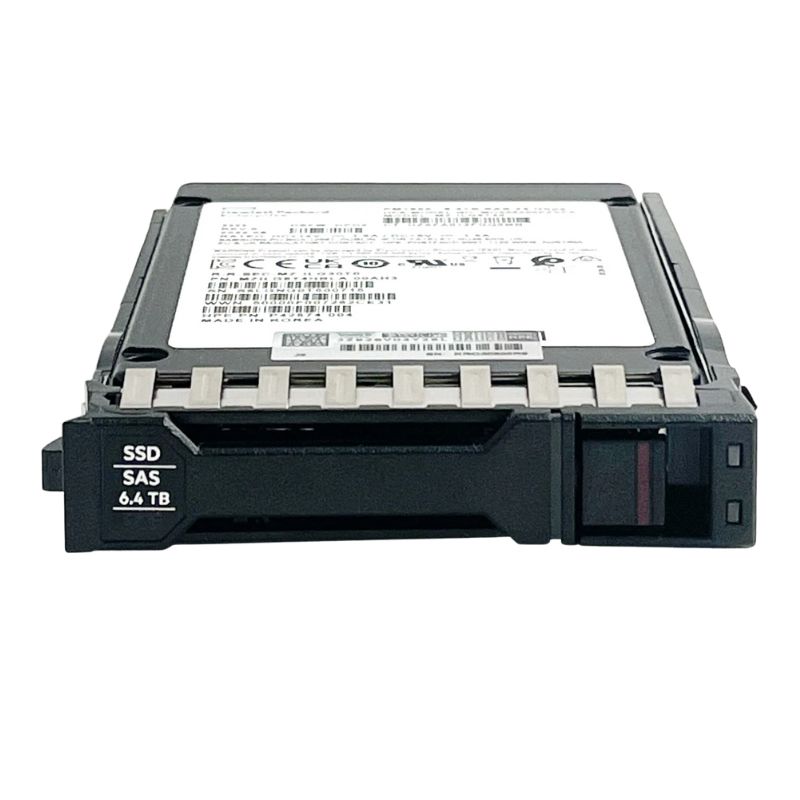


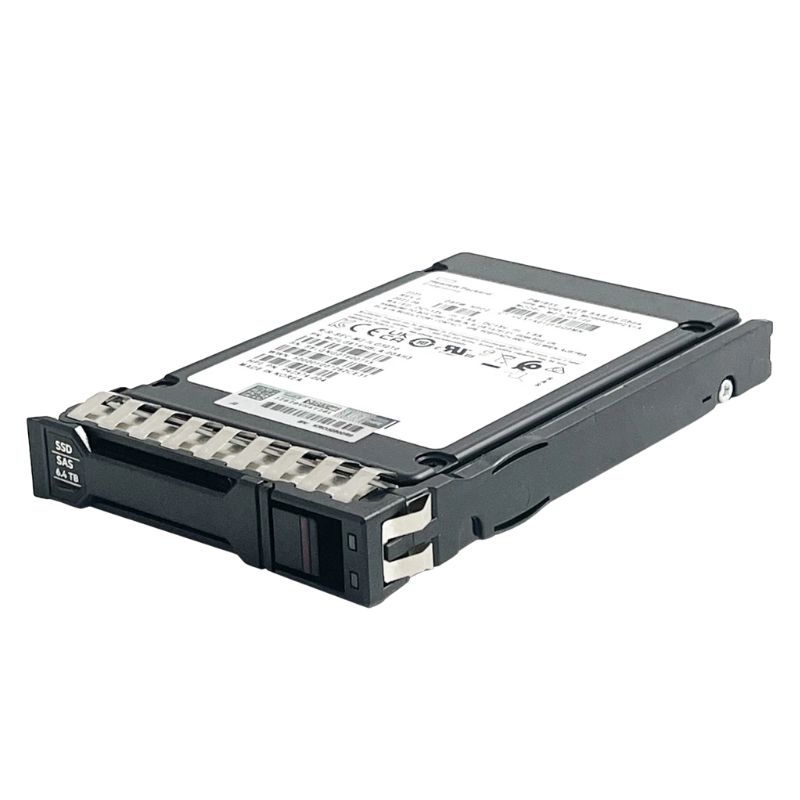
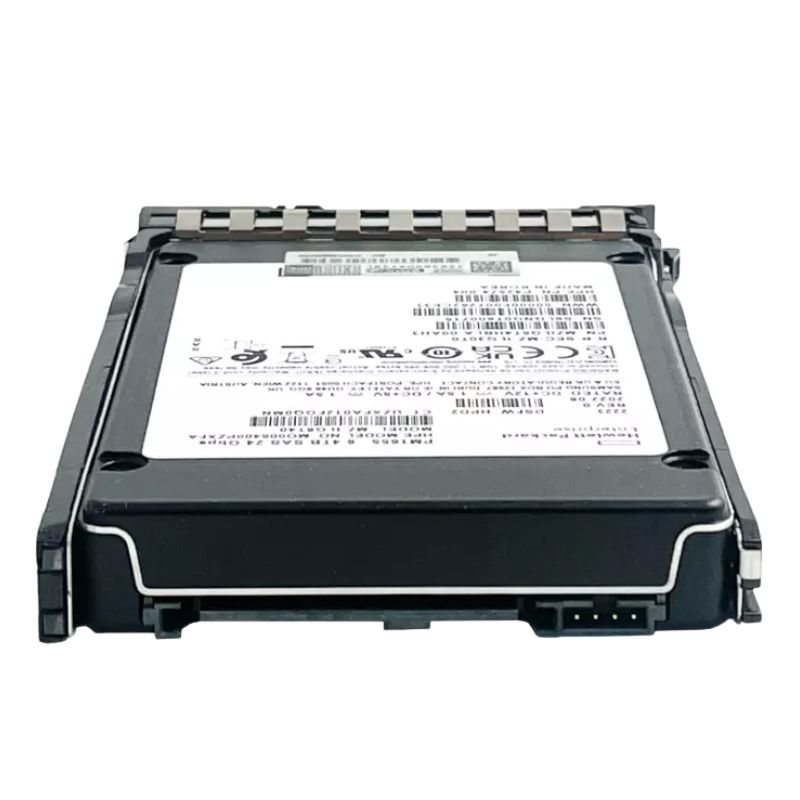
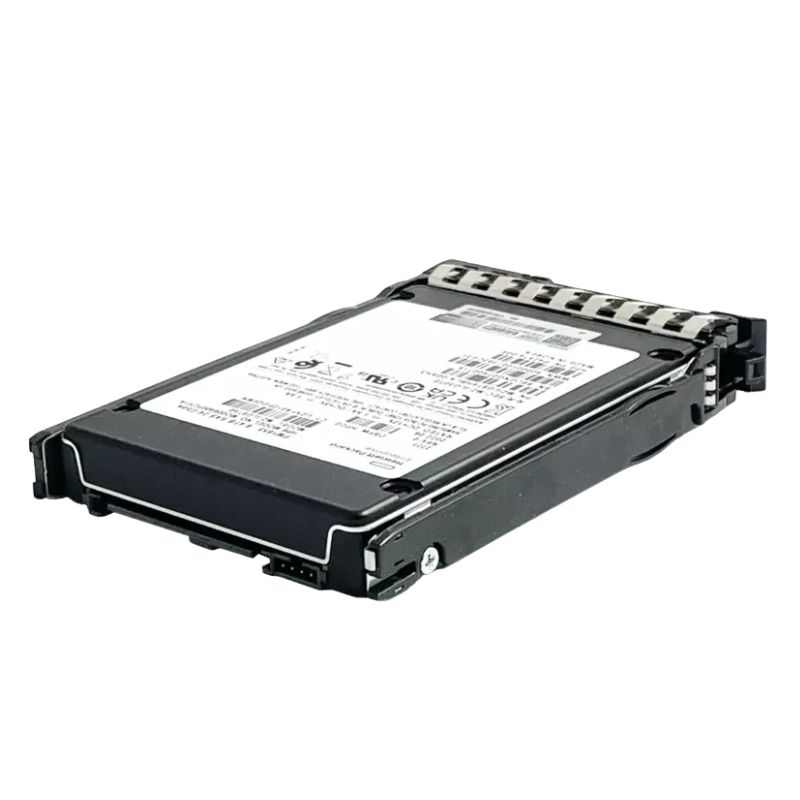
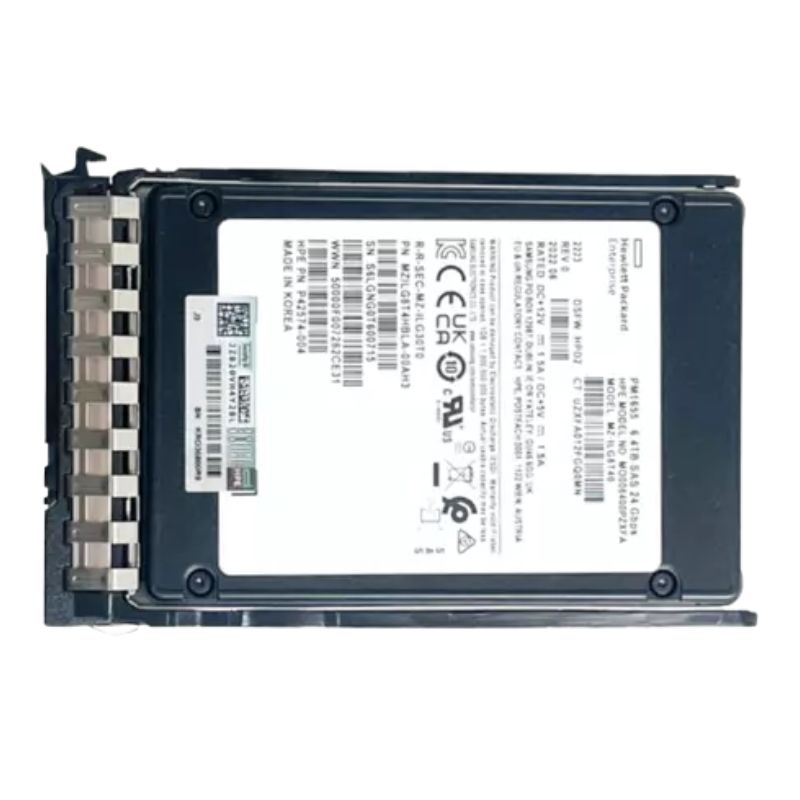
HPE P26362-B21 6.4TB SAS 24GBPS Mixed Use 2.5Inch SFF SC Solid State Drive for Gen10,10 Plus Servers. Factory-Sealed New in Original Box (FSB) with 3 Years Warranty
This enterprise-grade solid-state drive is engineered to support demanding workloads in HPE Gen10 and Gen10 Plus Servers, offering consistent performance, improved durability, and exceptional data throughput. Designed for mixed-use environments, it combines efficiency, reliability, and high-speed connectivity for data-intensive operations.
The HPE P26362-B21 is a high-capacity enterprise solid-state drive engineered for mixed-use workloads in modern HPE ProLiant environments. With 6.4 terabytes of usable flash capacity packaged in a 2.5-inch small form factor and paired with a 24Gb/s SAS interface, this drive is designed to deliver a balance of sustained throughput, consistent low latency, and rated endurance for database, virtualization, and mixed transactional workloads commonly run on Gen10 and Gen10 Plus servers. Enterprise purchasers, systems integrators, and data center managers choose the P26362-B21 where high capacity must coexist with strong write endurance, certified firmware, and hot-plug reliability.
Mixed-use enterprise SSDs like the P26362-B21 are tuned to support balanced read/write ratios typical of virtual machine images, mail servers, multi-tenant databases, and general purpose boot volumes. Unlike read-intensive devices that prioritize sequential read throughput or write-intensive drives optimized only for sustained heavy writes, the mixed-use designation signals a product that aims for predictable performance across the full I/O spectrum. In practical deployment, this means consistent random IOPS, strong sustained write capability, and firmware features that manage wear leveling and latency under mixed load—traits that reduce application jitter and improve host utilization.
At enterprise scale, predictable I/O performance translates directly to user experience and consolidation ratios. The P26362-B21 offers high random read and write IOPS suitable for database lookups and transaction logging, while also providing strong sequential bandwidth for large file operations and backups. The drive’s read and write IOPS characteristics reduce queuing latency at common queue depths and maintain responsiveness during peak operational windows—helpful for multi-tenant clouds, virtual desktop infrastructure (VDI), and latency-sensitive application stacks.
The drive utilizes a 24Gb/s SAS interface implemented in a 2.5-inch SFF form factor and is supplied in an HPE Smart Carrier (SC) hot-plug tray for easy installation and removal from HPE ProLiant chassis. The 24G SAS link provides a clear upgrade path where servers and controllers support the newer SAS-4 specification, while retaining backward compatibility with 12Gb/s SAS ecosystems—meaning the same drive can operate in many existing server fleets without requiring immediate wholesale controller upgrades. For data centers planning phased infrastructure upgrades, this backwards compatibility reduces risk and allows incremental performance gains.
Each unit is shipped or installed in HPE’s Smart Carrier, making it simple to replace drives during maintenance windows. The hot-pluggable design allows system administrators to remove or install drives without shutting down servers (assuming the server and RAID/array configuration support it), which minimizes downtime and streamlines field serviceability. For service technicians and remote hands operations in co-location facilities, this is a material operational advantage.
With 6.4TB of raw flash capacity, the P26362-B21 is positioned for dense storage configurations where fewer high-capacity SSDs reduce drive count, cable complexity, and bay occupancy. Equally important, this drive is specified for mixed-use endurance with a Drive Writes Per Day (DWPD) rating of 3, which indicates the drive is rated to write its full capacity three times per day over its warranty period under the manufacturer's specified workload type. Endurance metrics like DWPD and total lifetime writes (TBW) allow architects to model expected drive replacement schedules and to right-size the RAID/erasure coding strategy for long-term cost of ownership.
The P26362-B21 delivers strong random IOPS and impressive peak figures for enterprise mixed workloads. Typical published values include high random read IOPS values at common queue depths and substantial random write performance that supports heavy transactional activity. Maximum random read and write IOPS metrics at specified queue depths illustrate the drive’s capability to handle concurrent thread activity from hypervisors and multi-core database engines without undue queuing. These performance metrics are important when comparing drives for application consolidation, database indexing, or high-concurrency storage tiers.
Beyond IOPS, the P26362-B21 is specified with high external transfer rates—useful when moving large datasets or servicing backup/restore operations. Internal sustained read/write numbers highlight the drive's capability to maintain throughput under continuous load, and the difference between external interface throughput and internal transfer capabilities provides engineers with a realistic expectation of where bottlenecks may appear in a system design. For many workloads, particularly database replication and snapshot creation, these sustained rates matter as much as peak IOPS.
HPE’s enterprise SSDs ship with digitally signed firmware—firmware images that are cryptographically verified to ensure authenticity and to reduce the chances of unapproved or corrupted firmware being installed on the storage medium. Digitally signed firmware boosts trust in large deployments where fleet management and security compliance are required. Additionally, these drives are validated for use in HPE ProLiant Gen10 and Gen10 Plus servers, meaning customers benefit from compatibility testing, firmware matching, and integration support through HPE’s service channels. This reduces the operational risk associated with third-party or non-certified devices.
Although flash drives consume far less power than mechanical disks at similar throughput, the P26362-B21 is engineered with enterprise thermal profiles and power consumption figures that inform rack density and cooling calculations. The drive’s typical power draw is specified for both active and idle states and can impact power budgeting for dense server configurations where multiple 2.5-inch SFF drives are populated across chassis. HPE’s thermal and mechanical design for Smart Carrier trays also ensures adequate airflow and avoids hot spots inside the drive bay assembly.
The P26362-B21 conforms to a 15mm height for 2.5-inch SFF carriers, so designers placing these in blade or high-density rack servers should confirm mechanical clearance and front bezel compatibility. The 15mm height gives designers a balance of internal component space for additional NAND and controller components that enable higher capacity points while remaining compatible with today's SFF bay layouts found in many HPE platforms.
This drive is particularly well-suited for virtualization hosts running dozens of virtual machines per server, general purpose and mixed-workload databases, remote and branch office applications where a compact physical footprint is required, and combined cache/data tiers in hybrid storage architectures. In hyperconverged infrastructures, the P26362-B21 is a strong candidate for node-local persistent storage where capacity, endurance, and predictable latency determine cluster health and rebalancing behavior.
In clustered storage systems, the higher capacity of a 6.4TB SSD reduces the number of drives required to achieve a target usable capacity, which directly reduces metadata overhead, lowers the number of potential failure points, and simplifies cabling and tray inventory. Because the drive supports mixed-use endurance, architects can confidently use it as both a primary data drive and as part of tiered storage where hot data lives on SSD and colder datasets are migrated to object or lower-cost magnetic tiers.
The drive’s 24Gb/s SAS interface offers the best performance when paired with SAS-4 capable controllers and updated firmware; however, it is backward compatible with 12Gb/s SAS controllers found in many fielded HPE systems. Data center planners should evaluate the server’s HBA/RAID card and firmware to ensure the installation can exploit the drive’s full potential. For customers relying on older controllers, the drive will still operate but at legacy interface speeds; therefore, an upgrade path for controllers may be considered when planning to fully leverage the 24G bandwidth.
Because firmware interdependencies can affect performance and compatibility, administrators should align SSD firmware revisions with server BIOS and controller driver versions before mass deployment. HPE maintains release notes and compatibility matrices—consulting those documents reduces the chance of unexpected behavior and ensures that support channels can provide the fastest resolution in the event of an issue.
Enterprise SSDs like the P26362-B21 implement data integrity features including end-to-end data protection, power-loss protection mechanisms, and firmware safeguards that reduce the risk of data corruption during transient power events. These capabilities are critical in clustered and transactional systems where partial writes or metadata inconsistencies can lead to extended recovery operations. While the drive itself offers these hardware-assisted protections, system-level safeguards—such as UPS, proper RAID configurations, and journaling file systems—complement the drive’s built-in protections for a resilient stack.
For environments with strict compliance needs, consider pairing the drive with HPE system-level encryption or controller-based encryption options to satisfy regulatory requirements for at-rest data protection. Confirm whether the specific part number includes self-encrypting drive (SED) capabilities or if encryption will be provided via a separate controller feature set. Where encryption is required, validate key management and recovery workflows well before production rollouts to avoid access disruptions.


 Contact Us
 Information
 Catalog
 Solid State Drives (SSD)
 Network Switches
 Hard Disk Drives
 HBA & Controllers
 PC & Servers
 PC & Server Memory
 CPU & Processors
 Network Routers
 Power Supplies
 Tape Drives & Libraries
 Network Devices
 Computer & Network Cables