(7% discount is applied at checkout)
Cart is empty
Your go-to destination for cutting-edge server products
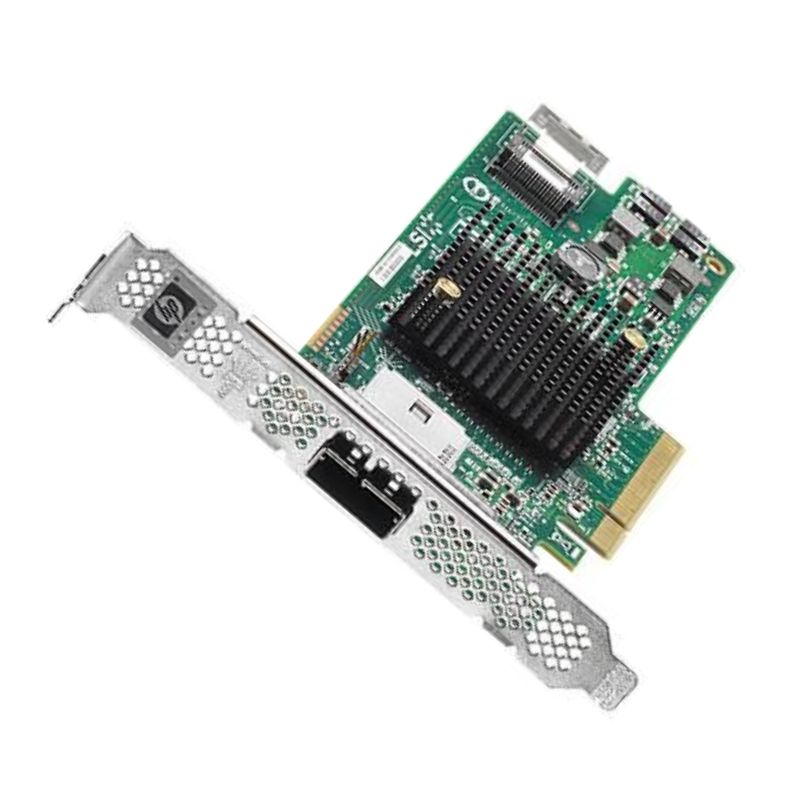


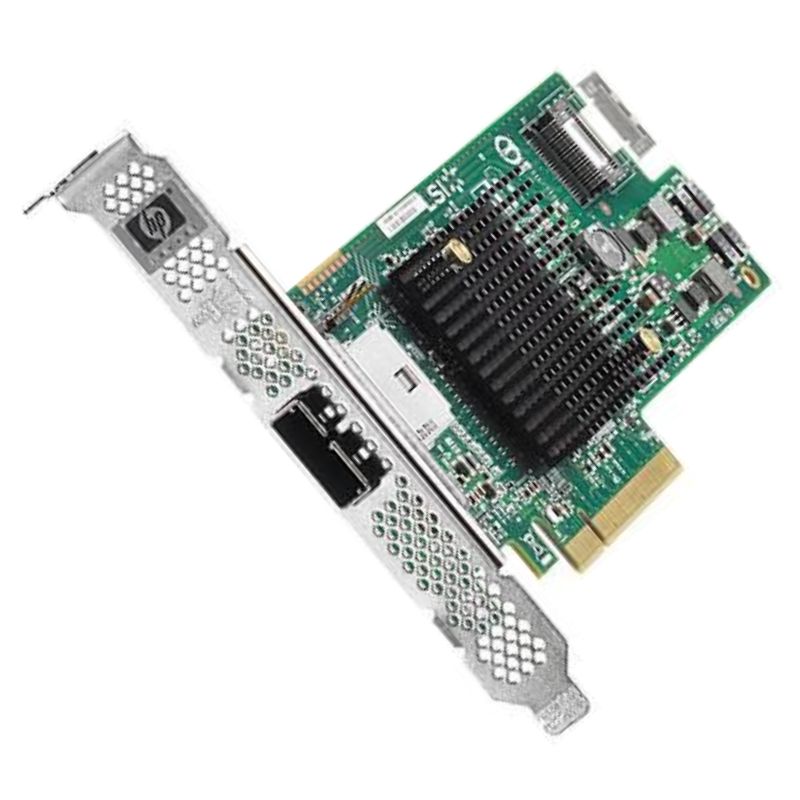
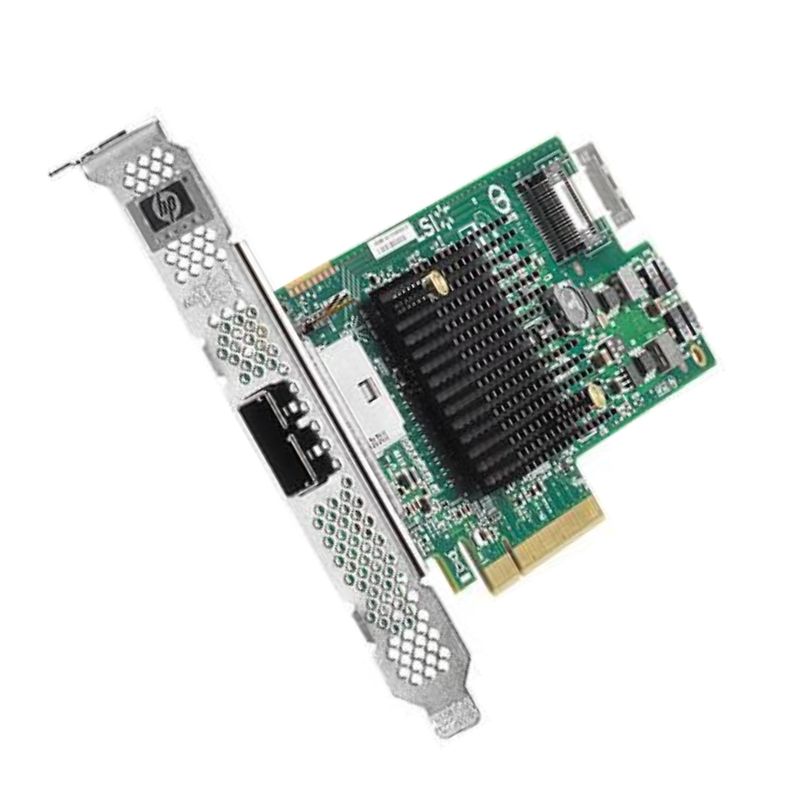
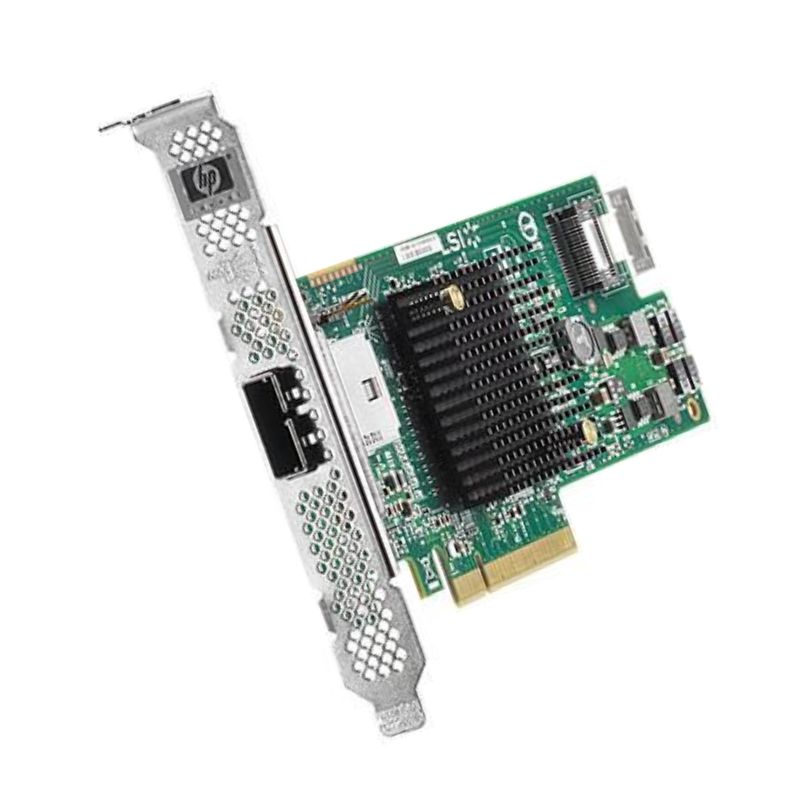
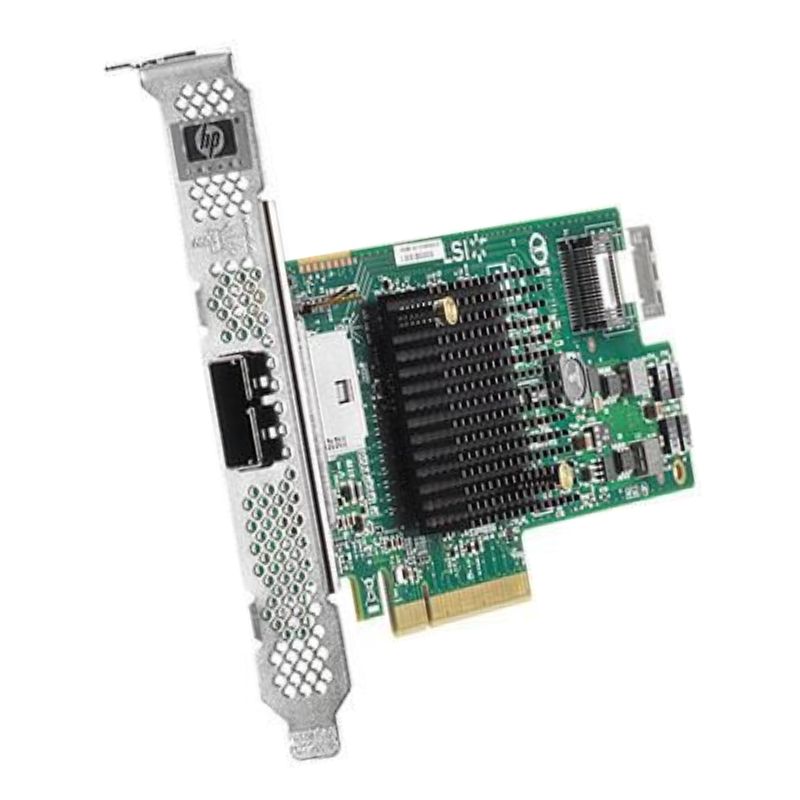
HPE P31348-H21 HDR-Ethernet 200GB 2-Port QSFP56 PCIe4 x16 OCP3 MCX653436A-HDAI Adapter. New Sealed in Box (NIB) with 3 years Warranty
The HPE P31348-H21 HDR-Ethernet 200GB 2-Port QSFP56 PCIe4 x16 OCP3 MCX653436A-HDAI Adapter focuses on ultra-high-bandwidth, low-latency networking solutions designed for modern data centers, hyperscale environments, and high-performance computing infrastructures. These adapters sit at the intersection of advanced Ethernet standards, cutting-edge PCI Express architectures, and modular Open Compute Project (OCP) form factors, enabling organizations to scale compute and storage resources without compromising network efficiency or reliability.
Within this category, adapters are engineered to support workloads that demand extreme throughput, deterministic latency, and advanced offloading capabilities. Typical deployments include AI and machine learning clusters, cloud service provider backbones, large-scale virtualization platforms, distributed storage fabrics, and real-time analytics environments. The defining characteristic of this category is its ability to handle massive east-west traffic patterns while maintaining predictable performance under sustained load.
HDR (High Data Rate) Ethernet at 200GbE represents a major milestone in network evolution, doubling the bandwidth of previous 100GbE solutions while maintaining power efficiency and signal integrity. Adapters in this category leverage HDR Ethernet to deliver aggregate throughput of up to 200 gigabits per second per port, enabling servers to communicate at speeds that match the capabilities of modern CPUs, GPUs, and accelerators.
The 200GbE capability is particularly critical for environments where data movement becomes a bottleneck. AI training clusters, for example, rely on rapid synchronization of model parameters across nodes, while distributed databases require consistent low-latency communication to maintain data integrity. HDR Ethernet adapters address these challenges by combining high line rates with advanced congestion management and packet processing features.
A defining attribute of this category is its focus on ultra-low latency. HDR Ethernet adapters are designed with optimized data paths that minimize serialization delays, buffer contention, and interrupt overhead. Hardware-based packet steering and queue management allow traffic to be delivered directly to the appropriate CPU cores or accelerators, reducing jitter and ensuring deterministic performance.
This low-latency behavior is essential for time-sensitive applications such as real-time analytics, financial modeling, and distributed simulation. By offloading key networking tasks to dedicated hardware, these adapters free host processors to focus on application workloads rather than packet handling.
In high-density networks, congestion can severely impact performance. Adapters in this category incorporate advanced congestion control mechanisms, including support for modern Ethernet flow control standards and adaptive routing techniques. These features help prevent packet loss, reduce retransmissions, and maintain consistent throughput even during traffic spikes.
Traffic management capabilities extend to quality of service (QoS) and priority handling, allowing administrators to allocate bandwidth and latency guarantees to critical applications. This level of control is particularly valuable in multi-tenant cloud environments and shared HPC clusters.
The use of a PCIe Gen4 x16 interface is a key differentiator for this category. PCIe Gen4 doubles the per-lane bandwidth of Gen3, providing up to 32 GT/s per lane and ample headroom for 200GbE networking. This ensures that the adapter can operate at full line rate without being constrained by the host interface.
By utilizing all sixteen lanes, these adapters achieve optimal throughput and minimize latency between the network and the host system. This is especially important in GPU-accelerated servers, where data must flow rapidly between network interfaces and high-bandwidth memory subsystems.
Modern servers often feature dozens of CPU cores and multiple accelerators. The PCIe Gen4 x16 architecture allows HDR Ethernet adapters to scale with these systems, supporting multiple queues and parallel data streams. This parallelism enables efficient utilization of system resources and avoids bottlenecks that could otherwise limit application performance.
The category is therefore well-suited for dense compute nodes that require simultaneous high-speed communication across multiple workloads. Whether supporting containerized microservices or tightly coupled MPI applications, these adapters provide the necessary bandwidth and flexibility.
Another benefit of PCIe Gen4 is its future-ready nature. As network speeds continue to increase and workloads become more data-intensive, having sufficient host interface bandwidth becomes critical. Adapters in this category are designed to accommodate future software enhancements and protocol advancements without requiring immediate hardware upgrades.
The inclusion of two QSFP56 ports is a defining feature of this category. QSFP56 is a compact, high-density connector standard capable of supporting 200GbE per port. Dual-port designs provide flexibility in network topology, redundancy, and load balancing.
With two independent high-speed ports, servers can connect to multiple switches or fabrics, enhancing availability and resilience. This is particularly important in mission-critical environments where network downtime is unacceptable.
QSFP56 connectivity enables high-density cabling solutions that reduce physical footprint and simplify cable management. In large data centers, minimizing cabling complexity can lead to improved airflow, easier maintenance, and lower operational costs.
Adapters in this category are compatible with a range of QSFP56 optical and copper transceivers, allowing organizations to choose the most appropriate medium based on distance, cost, and performance requirements.
Dual-port configurations support a variety of network architectures, including leaf-spine fabrics, mesh topologies, and dedicated storage networks. Administrators can configure ports for active-active, active-standby, or segmented traffic patterns depending on workload needs.
The Open Compute Project (OCP) 3.0 form factor represents a shift toward modular, serviceable server components. Adapters in this category are designed to integrate seamlessly into OCP-compliant systems, providing standardized mounting, power delivery, and airflow characteristics.
This modular approach simplifies deployment and maintenance, particularly in large-scale environments where rapid hardware replacement and standardized configurations are essential. By adhering to OCP 3.0 specifications, these adapters ensure compatibility with a wide range of modern server platforms.
OCP 3.0 designs emphasize ease of serviceability. Network adapters in this category can often be replaced or upgraded without removing the entire server from a rack, reducing downtime and operational disruption.
This design philosophy aligns with the needs of hyperscale operators and enterprise data centers that prioritize efficient lifecycle management and minimal service windows.
High-performance networking generates significant heat. The OCP 3.0 form factor incorporates optimized airflow paths and thermal considerations to ensure reliable operation under sustained load. Adapters in this category are engineered to maintain performance without thermal throttling, even in dense server configurations.
A core characteristic of this category is the extensive use of hardware offloads to accelerate networking tasks. These offloads reduce CPU utilization, lower latency, and improve overall system efficiency. Common offloaded functions include checksum calculation, segmentation and reassembly, and packet classification.
Advanced adapters also support technologies such as RDMA over Converged Ethernet (RoCE), enabling direct memory access between systems with minimal CPU intervention. This capability is critical for HPC and AI workloads that require fast, low-overhead data transfers.
RDMA support allows applications to bypass the traditional networking stack, significantly reducing latency and CPU overhead. In GPU-accelerated environments, GPU-direct technologies enable data to flow directly between network interfaces and GPU memory, further improving performance.
These features make the category particularly attractive for deep learning training, scientific simulations, and other data-intensive workloads.
Adapters in this category are designed to integrate seamlessly with virtualization and container platforms. Features such as SR-IOV, virtual queues, and advanced packet filtering allow multiple virtual machines or containers to share a single physical adapter while maintaining isolation and performance.
This capability is essential for cloud service providers and enterprises running mixed workloads on shared infrastructure.
Network security and reliability are critical considerations for modern infrastructures. Adapters in this category incorporate hardware-based security features that protect data in transit and prevent unauthorized access. These may include secure boot mechanisms, firmware validation, and encrypted management interfaces.
Reliability features such as error detection and correction, redundant paths, and robust link monitoring ensure consistent operation even in challenging conditions.
Enterprise-class network adapters are supported by mature firmware and management tools that simplify configuration, monitoring, and troubleshooting. Administrators can integrate these adapters into existing management frameworks to gain visibility into network performance and health.
Regular firmware updates provide access to new features, performance enhancements, and security fixes, extending the useful life of the hardware.
Dual-port designs, combined with advanced link aggregation and failover capabilities, contribute to high availability. In the event of a link or switch failure, traffic can be rerouted automatically, minimizing service disruption.
The category encompassing the HPE P31348-H21 HDR-Ethernet adapter serves a wide range of industries and applications. In scientific research, these adapters support large-scale simulations and data analysis. In finance, they enable low-latency trading and risk modeling. In healthcare, they facilitate rapid processing of imaging and genomic data.
Cloud providers rely on this category to deliver high-performance networking for tenants, while enterprises use it to modernize internal data centers and support digital transformation initiatives.
In HPC environments, network performance directly impacts application scalability. HDR Ethernet adapters enable efficient scaling to thousands of nodes, supporting complex simulations and analyses that would be impractical with slower interconnects.
A key strength of this category is its broad compatibility with operating systems, hypervisors, and orchestration platforms. Drivers and software stacks are typically available for major Linux distributions, Windows Server, and popular virtualization environments.
This compatibility ensures that organizations can deploy these adapters within existing infrastructures without extensive reconfiguration or custom development.
Standards compliance is essential for interoperability in multi-vendor environments. Adapters in this category adhere to relevant Ethernet, PCIe, and OCP standards, ensuring seamless integration with switches, cables, and server platforms from different manufacturers.
This adherence reduces vendor lock-in and provides flexibility in network design and expansion.
By combining high bandwidth, advanced features, and modular design, this category represents a long-term investment in network infrastructure. Organizations can deploy these adapters today and continue to leverage their capabilities as workloads evolve and network demands increase.
The focus on scalability, efficiency, and future-ready technologies makes this category a cornerstone of next-generation data center networking.


 Contact Us
 Information
 Catalog
 Solid State Drives (SSD)
 Network Switches
 Hard Disk Drives
 HBA & Controllers
 PC & Servers
 PC & Server Memory
 CPU & Processors
 Network Routers
 Power Supplies
 Tape Drives & Libraries
 Network Devices
 Computer & Network Cables