(7% discount is applied at checkout)
Cart is empty
Your go-to destination for cutting-edge server products
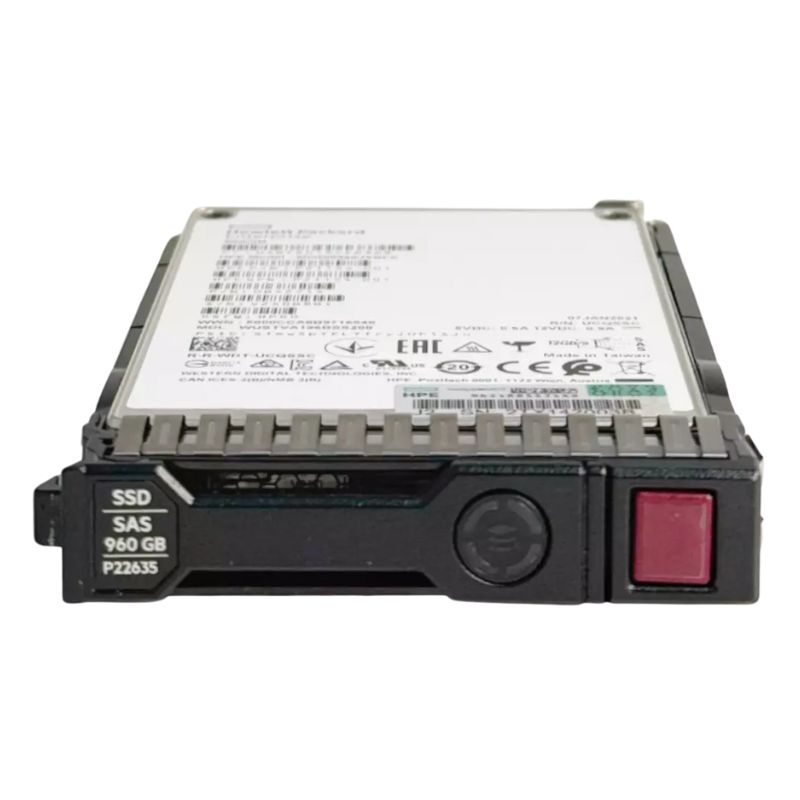


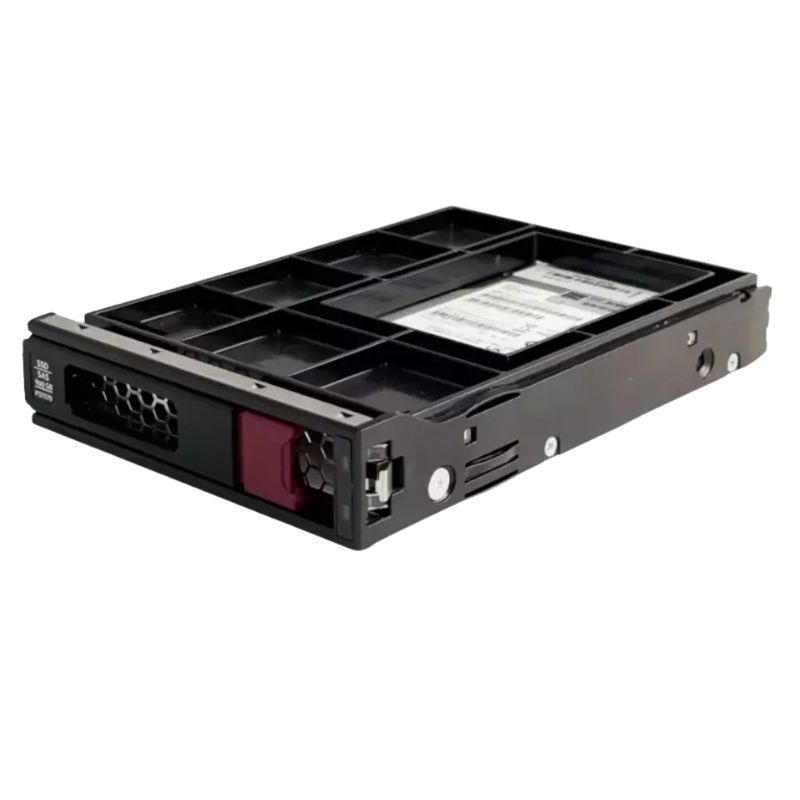
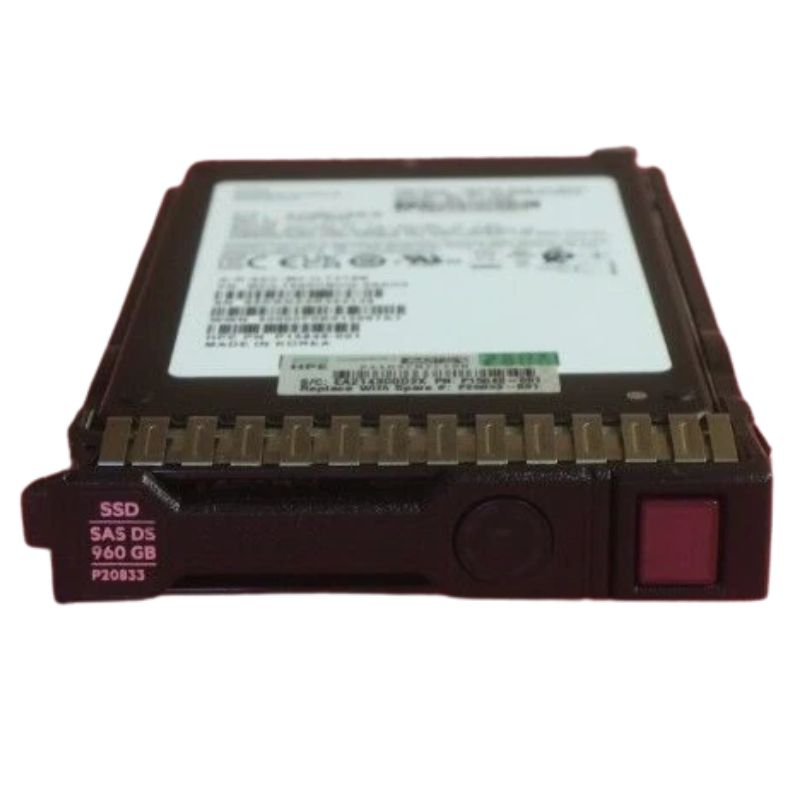
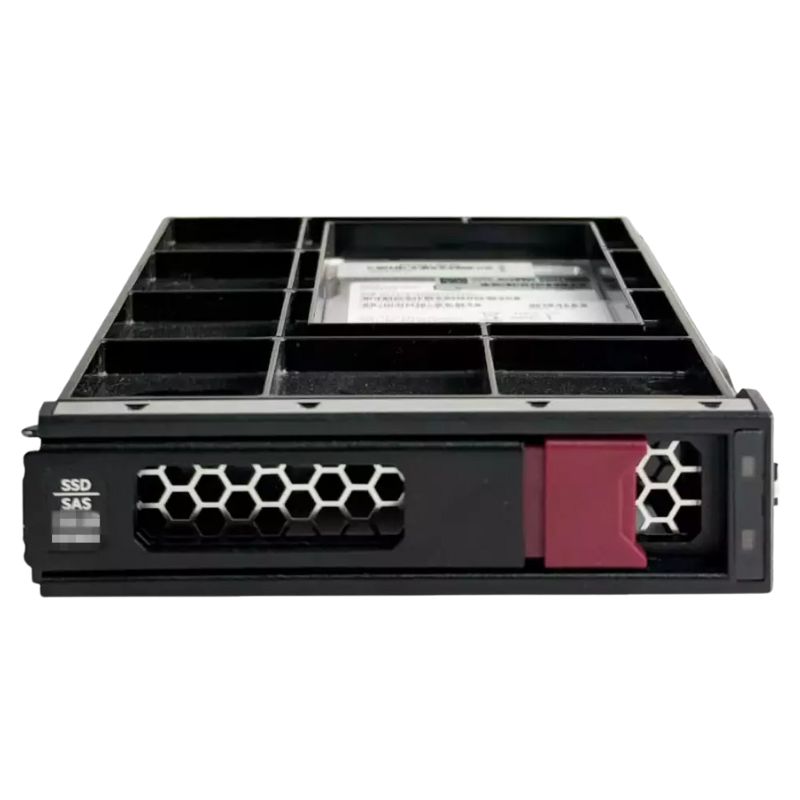
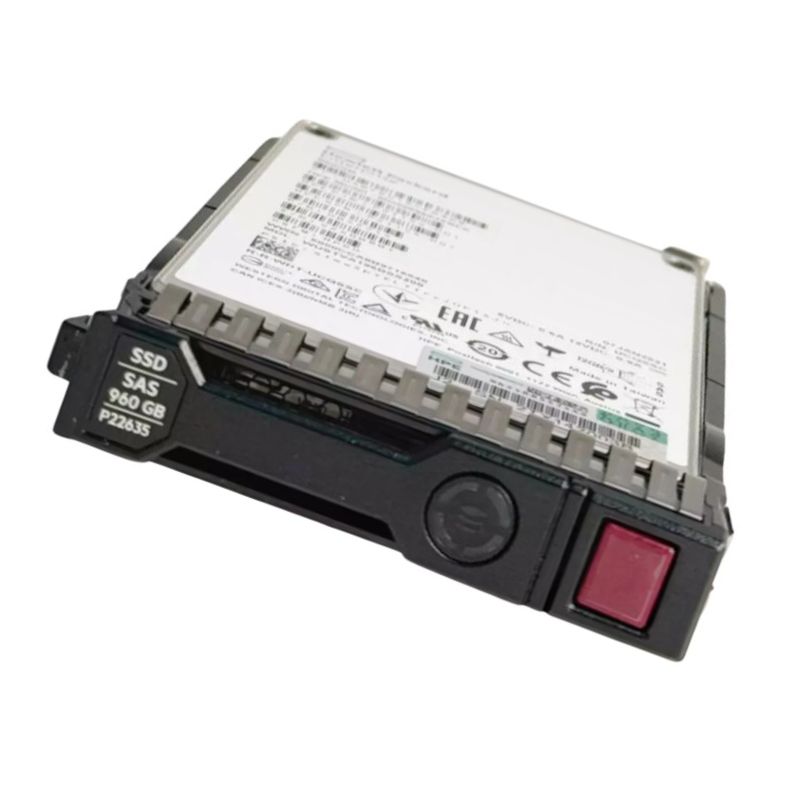
HPE P37021-007 960GB SAS 12GBPS 2.5inch SFF Mixed Use SC Value Digitally Signed Firmware Hot Swap Solid State Drive with Tray. Excellent Refurbished with 1-Year Replacement Warranty
| SKU/MPN | Warranty | Price | Condition | You save |
|---|---|---|---|---|
| P37021-007 | 1 Year Warranty | Contact us for a price | Excellent Refurbished | |
| P37021-007 | 1 Year Warranty | $1,330.00 | New Sealed in Box (NIB) | You save: $465.50 (26%) |
The P37021-007 HPE 960GB SAS 12Gbps 2.5-inch Small Form Factor (SFF) Mixed Use Solid State Drive represents a balance of enterprise-grade reliability, consistent performance, and serviceability for data center applications that require fast access to frequently used data. Engineered for mixed workload environments, this drive is part of a family that emphasizes sustained throughput, low latency, and robust endurance characteristics while conforming to HPE compatibility and hot-swap capabilities. The description below expands on the technical backbone, performance profiles, deployment scenarios, firmware and management features, and purchase considerations for IT professionals selecting drives for servers, storage arrays, and converged infrastructure.
The 2.5-inch SFF design emphasizes dense packing in modern chassis, enabling higher drive counts per U and improved cooling efficiency within rack-mounted servers and storage enclosures. Its compact profile is ideal for blade systems, rackmount servers, and storage shelves that prioritize capacity-per-rack-unit without compromising service access. The chassis-friendly size also improves airflow and thermal management which directly benefits SSD longevity and consistent performance under sustained workloads.
Leveraging the SAS 12Gbps interface, this drive provides a high-bandwidth, enterprise-class connection that supports dual-port architectures and advanced error correction features inherent to SAS protocol implementations. The native SAS interface ensures interoperability with SAN controllers and HBA/RAID controllers designed for enterprise deployments and facilitates predictable performance across multi-drive arrays. Dual-port SAS connectivity also enables redundancy and multipath access patterns essential for high-availability systems.
The mixed use classification means the drive is optimized to handle a combination of random and sequential I/O patterns with a focus on delivering balanced read/write performance. Typical enterprise mixed workloads include virtual desktop infrastructure (VDI), email servers, database caching tiers, and application servers where both read and write operations must be supported at low latency. Performance tuning for these drives involves selecting appropriate RAID levels, queue depth configurations, and controller cache settings to extract consistent IOPS and throughput.
Solid state architecture inherently reduces seek-related delays and delivers substantially lower latency than spinning media. Under concurrent access from multiple virtual machines or multi-threaded applications, the P37021-007 maintains latency profiles that reduce transaction wait times and accelerate application responsiveness. This is especially impactful in mixed use scenarios where bursts of random writes and synchronous reads occur frequently.
Sustained throughput describes the ability to maintain performance levels during extended heavy I/O. Drives in this category include internal mechanisms—such as over-provisioning and wear-leveling algorithms—to prevent sudden performance degradation. When planning capacity and service levels, administrators should consider providing headroom in utilization to preserve QoS targets, and pairing these drives with controllers capable of handling high queue depths to prevent bottlenecks.
Hot swap functionality is essential in enterprise operations where uptime is critical. The P37021-007 supports hot insertion and removal, simplifying drive replacement without powering down systems. Hot swap compatibility, combined with LEDs and tray mechanisms on HPE chassis, streamlines maintenance procedures and minimizes mean time to repair (MTTR) during planned or emergency replacements.
Enterprise drives from major vendors include firmware features that enhance reliability, data integrity, and compatibility. Firmware typically implements error correction, power loss protection strategies, device-level wear-leveling, and telemetry exports. For HPE-branded drives, firmware is often tuned and validated for specific server and storage platforms, ensuring compatibility with HPE Smart Array controllers and iLO management systems. Administrators should maintain firmware currency using vendor-supplied update tools to benefit from performance fixes and security patches.
Enterprise environments require documented sanitization procedures when drives leave a secure domain. Secure erase commands and cryptographic erase features, when supported by firmware, enable rapid data sanitization that meets organizational and regulatory policies. Understanding the available erase methods and validating their effectiveness is an essential part of lifecycle and asset disposition planning.
As an acceleration tier, these SSDs are frequently deployed to serve hot data that benefits from low latency access. Typical deployments include boot volumes for hypervisors, database log volumes, caching layers in hybrid arrays, and mid-tier virtual machine storage. They are well suited for workloads that require consistent IOPS and moderate write endurance without the higher price point of write-intensive drives.
When used in conjunction with higher-capacity HDDs in hybrid arrays, mixed use SSDs can act as cache or fast disk pools to significantly improve random I/O performance. Cache policies should be tuned to align with application access patterns, and administrators should measure hit ratios and mission-critical response-time improvements to justify SSD allocation.
Choosing a RAID topology affects both performance and resilience. RAID configurations such as RAID 10 combine striping and mirroring to offer excellent performance with redundancy, while RAID 6 provides space-efficient redundancy at the cost of write amplification during rebuild operations. Because SSDs change rebuild dynamics due to faster rebuilds but different failure modes, selecting RAID level should incorporate rebuild impact, controller capabilities, and the organization’s tolerance for temporary performance degradation during drive failures.
Drives designed for enterprise use often include power-loss protection capacitors or firmware measures to flush volatile buffers to non-volatile media on unexpected power interruptions. End-to-end data integrity, supported by strong error correction and CRC checks between host and media, reduces the risk of silent data corruption. Confirm these features in the technical datasheet when handling mission-critical information.


 Contact Us
 Information
 Catalog
 Solid State Drives (SSD)
 Network Switches
 Hard Disk Drives
 HBA & Controllers
 PC & Servers
 PC & Server Memory
 CPU & Processors
 Network Routers
 Power Supplies
 Tape Drives & Libraries
 Network Devices
 Computer & Network Cables