(7% discount is applied at checkout)
Cart is empty
Your go-to destination for cutting-edge server products
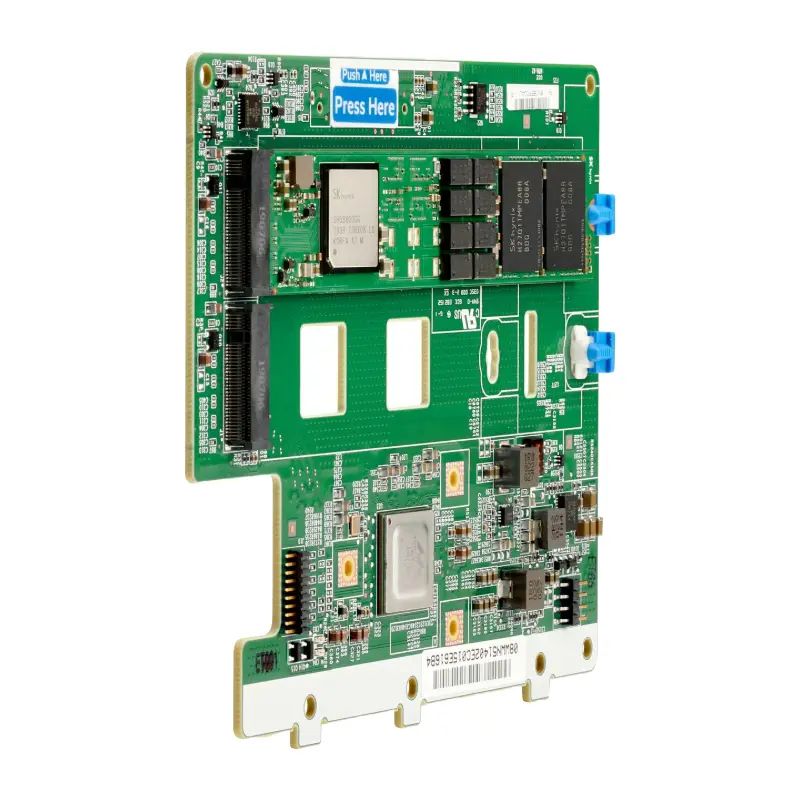


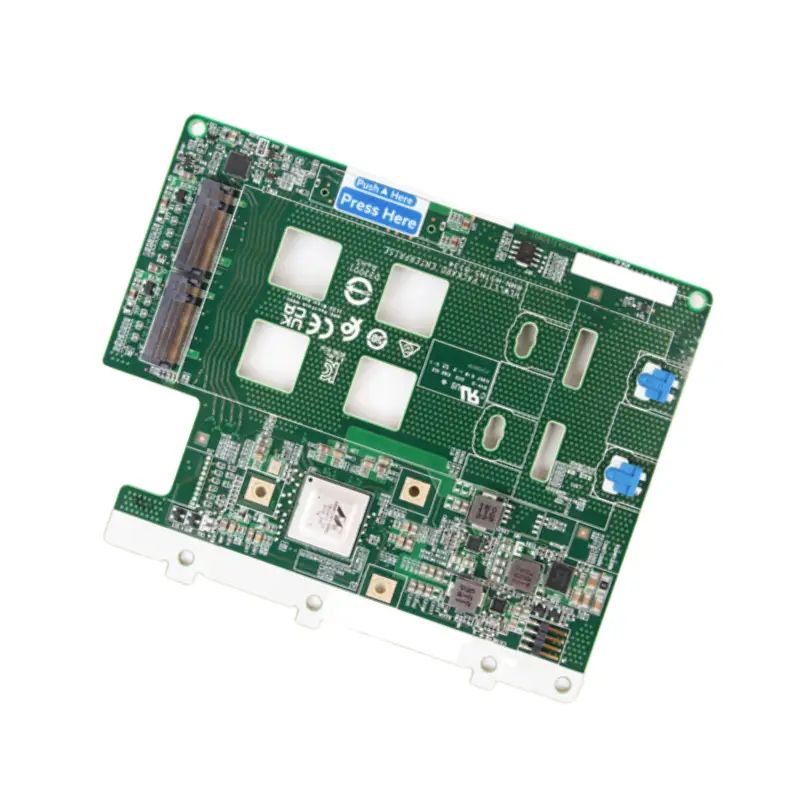
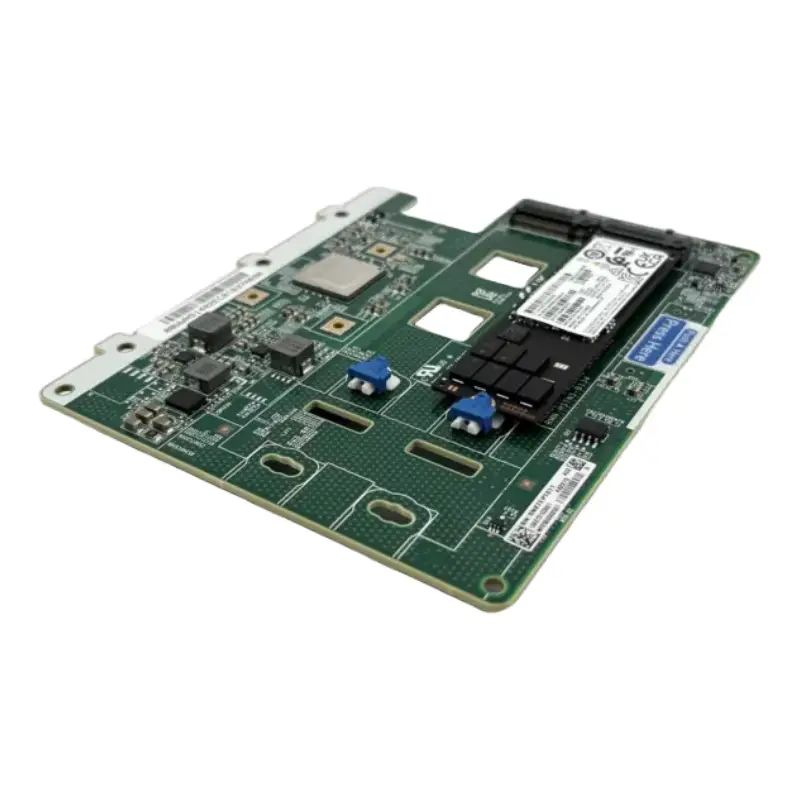
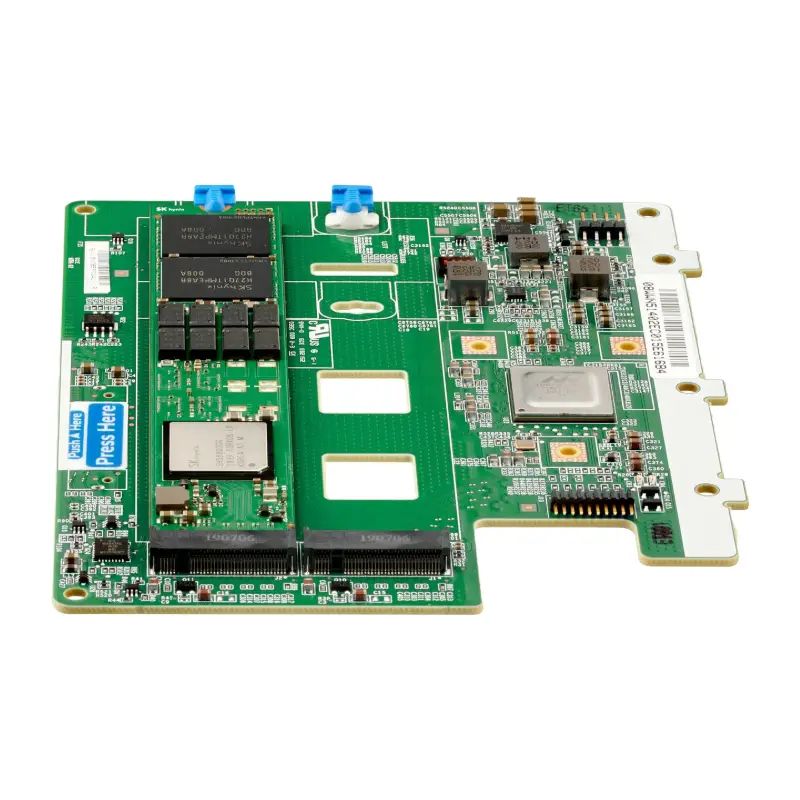
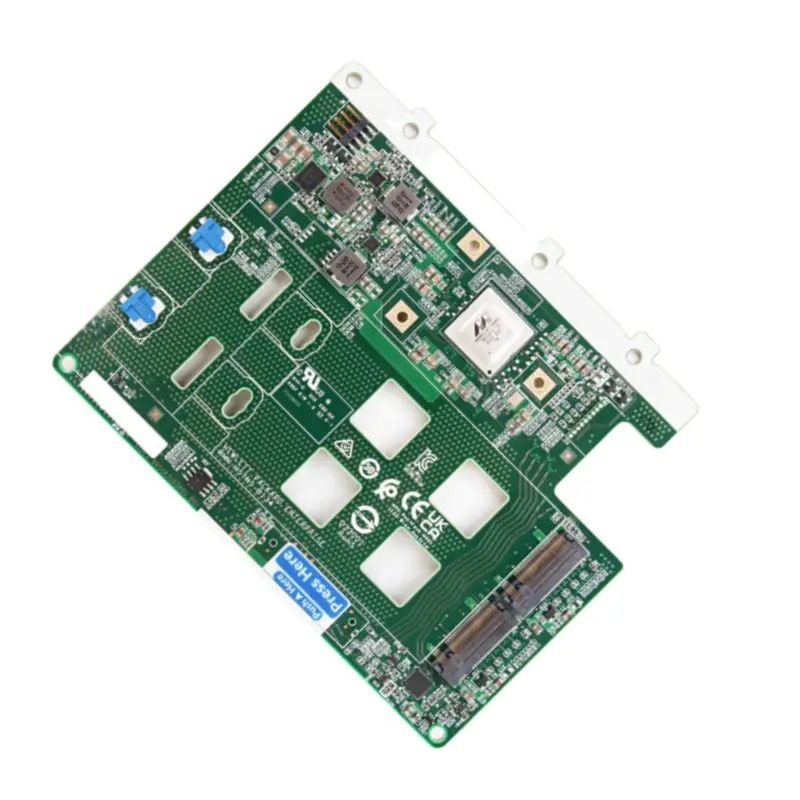
HPE P39568-B21 Synergy NS204I-D Gen11 NVMe Boot Storage Device. New (System) Pull with 1-Year Replacement Warranty
The HPE P39568-B21 Synergy Ns204i-d Gen11 NVMe Boot Storage Device is engineered for enterprise-grade performance, offering reliable boot storage solutions for modern compute environments.
The HPE P39568-B21 Synergy Ns204I-D Gen11 NVMe Boot Storage Device belongs to an advanced category of composable boot storage solutions purpose-built for enterprise-class, software-defined, and cloud-centric infrastructures. This category focuses on delivering high-speed, resilient, and centrally managed boot devices optimized for modular computing platforms such as HPE Synergy. Unlike traditional internal boot drives, NVMe boot storage devices in this class are designed to decouple the operating system from application data, enabling consistent provisioning, rapid redeployment, and simplified lifecycle management across large server pools.
NVMe boot storage represents a critical evolution in server design, addressing the growing demand for faster system initialization, predictable latency, and reduced dependency on local spinning media or slower SATA-based solid-state drives. In composable infrastructures, where compute, storage, and fabric resources are dynamically allocated, this category ensures that operating system images can be deployed, updated, and replaced with minimal disruption. The HPE Synergy Ns204I-D Gen11 device exemplifies this approach by integrating seamlessly into Synergy frames and compute modules while maintaining enterprise-grade reliability.
Dedicated boot storage devices are foundational to modern composable architectures. This category isolates boot workloads from primary data storage, allowing compute nodes to remain stateless and easily reconfigurable. By housing the operating system on a dedicated NVMe module, system administrators gain the ability to repurpose hardware rapidly without manual reinstallation or complex migration processes. This design supports infrastructure as code principles and aligns with DevOps and hybrid cloud deployment models.
The use of NVMe as the underlying protocol significantly enhances boot performance and system responsiveness. Faster boot times translate into reduced maintenance windows and quicker recovery during failover scenarios. In environments where uptime and agility are paramount, NVMe boot devices provide a measurable operational advantage.
NVMe technology is optimized for non-volatile memory, offering parallel command execution, low-latency access, and high queue depths. Within this category, NVMe boot devices leverage these characteristics to deliver rapid access to operating system files and boot loaders. Compared to legacy protocols, NVMe minimizes overhead and maximizes throughput, ensuring that system initialization and OS-level operations occur efficiently.
For Gen11 platforms, NVMe boot storage aligns with modern processor and chipset designs that emphasize PCI Express connectivity and direct memory access. This synergy enhances overall system balance and ensures that boot storage does not become a bottleneck during startup or patching operations.
The Synergy Ns204I-D Gen11 NVMe Boot Storage Device category is specifically engineered for tight integration with HPE Synergy composable infrastructure. This integration ensures consistent physical compatibility, firmware alignment, and management interoperability. Devices in this category are designed to be installed within Synergy frames, providing a shared yet logically isolated boot resource for compute modules.
By leveraging Synergy’s composable fabric, NVMe boot storage devices can be centrally managed and allocated as needed. This approach reduces hardware sprawl and simplifies inventory management while maintaining high availability. The category supports enterprise workflows where rapid provisioning and standardized configurations are essential.
NVMe boot storage devices in this category are validated to operate with specific firmware versions and system ROMs for Gen11 platforms. This validation ensures predictable behavior and minimizes compatibility issues during upgrades. Lifecycle consistency is critical in enterprise environments, where coordinated updates across hardware and software components reduce downtime and operational risk.
HPE’s structured lifecycle management approach ensures that boot storage devices remain supported throughout the lifespan of the platform, enabling long-term planning and stable operations.
The NVMe boot storage category emphasizes both performance and reliability, recognizing that boot devices are continuously accessed throughout system operation. Beyond initial startup, operating systems frequently interact with boot storage for logging, patching, and configuration updates. High-speed NVMe media ensures that these operations occur without introducing latency or contention.
Reliability engineering within this category focuses on endurance, error handling, and predictable performance under sustained workloads. Enterprise-grade NVMe components are selected to withstand frequent read and write cycles associated with operating system maintenance tasks.
Low latency is a defining attribute of NVMe boot devices. By reducing access times, systems experience faster service initialization, quicker reboot cycles, and more responsive administrative operations. This responsiveness is particularly important in clustered and virtualized environments, where multiple nodes may undergo coordinated restarts or updates.
In Gen11 infrastructures, where processing capabilities are significantly enhanced, matching boot storage performance ensures balanced system behavior and avoids underutilization of compute resources.
Data integrity is paramount for boot storage, as corruption at this level can render systems inoperable. This category incorporates advanced error correction, wear leveling, and health monitoring features to protect critical operating system data. NVMe boot devices are designed to deliver consistent performance throughout their service life, even under frequent update cycles.
Health telemetry and predictive failure indicators enable proactive maintenance, allowing administrators to replace devices before issues impact system availability. This proactive approach aligns with enterprise reliability objectives and minimizes unplanned downtime.
Secure boot mechanisms verify the integrity of firmware and operating system components before execution. NVMe boot storage devices in this category support these mechanisms by ensuring compatibility with platform-level security features. This alignment helps prevent unauthorized modifications and protects against low-level attacks.
Firmware trust chains extend security from hardware through the operating system, establishing a root of trust that underpins higher-level security controls. This holistic approach is increasingly important as threats target infrastructure components.
Isolation of boot storage reduces the attack surface by limiting access to critical system files. In composable infrastructures, access to boot devices can be tightly controlled through management policies, ensuring that only authorized administrators can modify configurations. This controlled access enhances overall security posture and reduces the risk of misconfiguration.


 Contact Us
 Information
 Catalog
 Solid State Drives (SSD)
 Network Switches
 Hard Disk Drives
 HBA & Controllers
 PC & Servers
 PC & Server Memory
 CPU & Processors
 Network Routers
 Power Supplies
 Tape Drives & Libraries
 Network Devices
 Computer & Network Cables