(7% discount is applied at checkout)
Cart is empty
Your go-to destination for cutting-edge server products
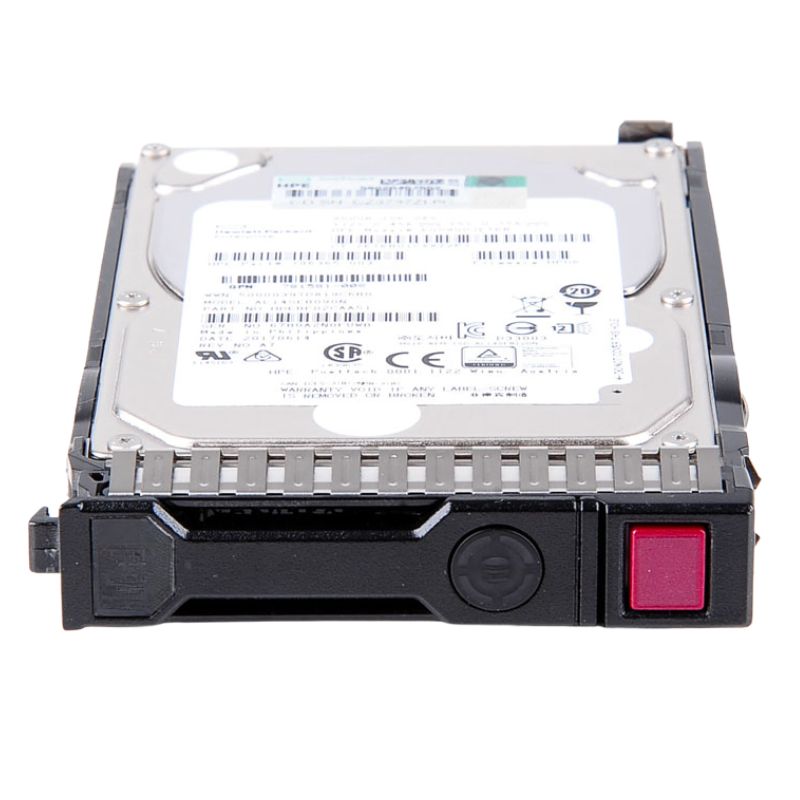


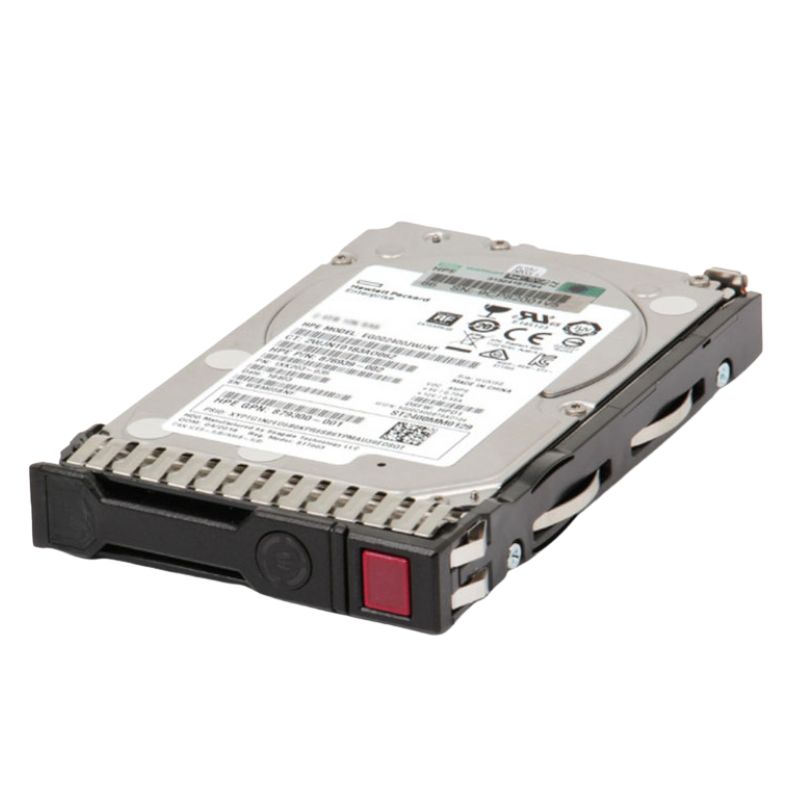
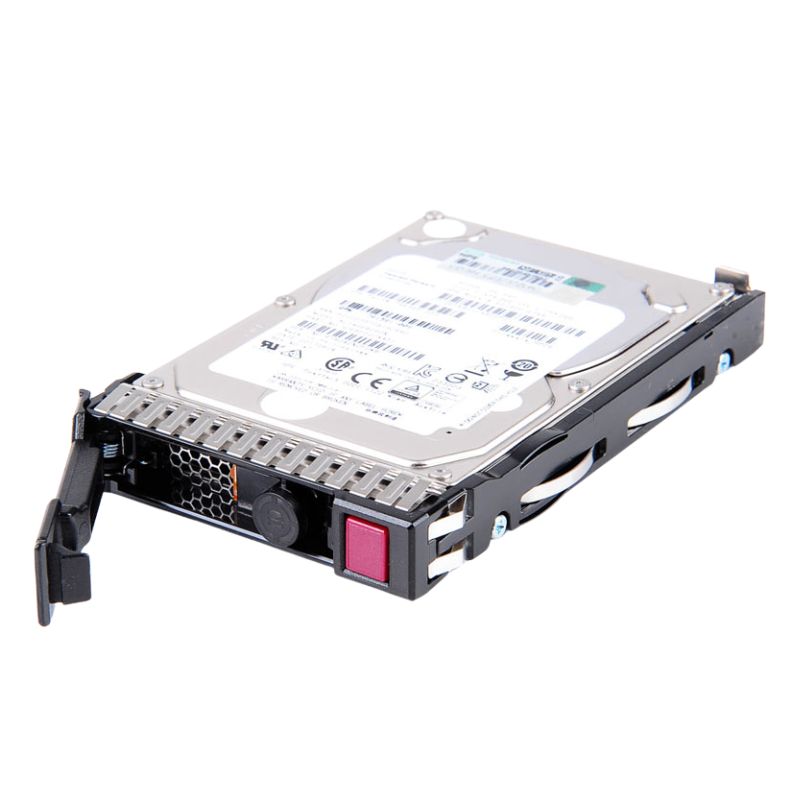
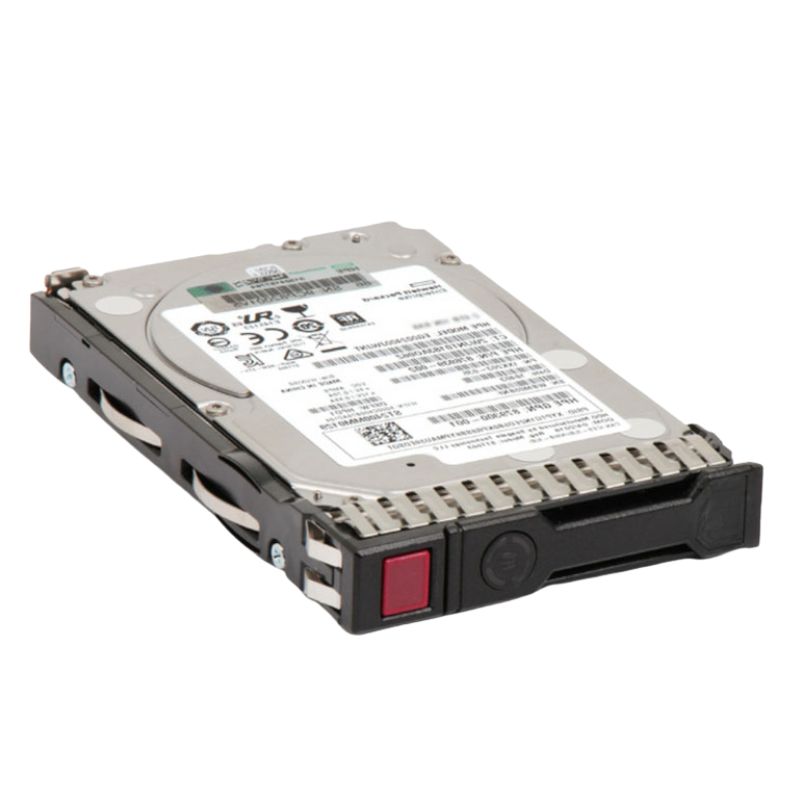
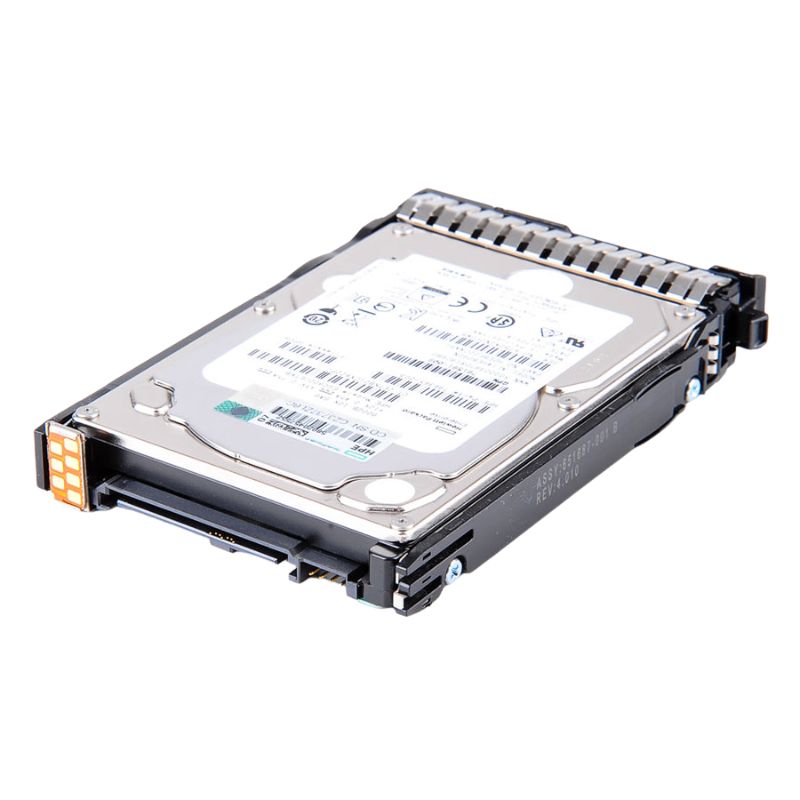
HPE P40553-B21 750GB NVMe Gen3 High Performance Low Latency Write Intensive 2.5Inch SFF Bc U.2 P4800x Solid State Drive. Excellent Refurbished with 1 Year Replacement Warranty
The HPE P40553-B21 750GB NVMe Gen3 SSD is engineered to deliver exceptional responsiveness, consistent throughput, and superior endurance for write-heavy environments. Leveraging advanced 3D XPoint technology, this 2.5-inch SFF U.2 drive ensures minimal latency and stable operation under demanding workloads.
This enterprise-grade SSD is purpose-built to sustain rapid data processing, consistent low latency, and predictable I/O performance in mission-critical systems.
The P40553-B21 is tailored for platforms that require unwavering write consistency, rapid access to frequently updated datasets, and minimal delay across all operational states.
This SSD integrates effortlessly with selected HPE platforms for optimized performance and long-term stability.
The HPE P40553-B21 750GB NVMe Gen3 drive, commonly identified as the P4800x-class 2.5-inch U.2 solid state drive, occupies a distinct position in enterprise storage tiers where sustained write performance, deterministic low latency, and exceptional endurance are mission-critical. This category description focuses on the write-intensive NVMe Gen3 2.5-inch SFF U.2 family and explains why organizations choose the P40553-B21 for workloads that demand consistent transactional throughput and predictable I/O response. The narrative below weaves device attributes, real-world deployment patterns, and operational considerations into a single continuous description that makes the product category discoverable and practical for technical buyers, procurement teams, and systems architects.
The HPE P40553-B21 leverages the NVMe Gen3 protocol to deliver a high-bandwidth, low-latency interface between host CPU and flash media. NVMe's streamlined command set and parallel I/O queues reduce software overhead and free CPU cycles, turning raw NAND performance into usable application-level throughput. The U.2 2.5-inch SFF (small form factor) packaging integrates enterprise thermal and power management features, enabling dense server and storage array installations. Under the hood, the P40553-B21 uses a purpose-built controller firmware optimized for write-intensive workloads; algorithms for background garbage collection, wear-leveling, and power-loss protection are tuned to maintain consistent write performance at scale. The combination of NVMe Gen3 signaling, mature controller silicon, and enterprise-grade NAND creates a drive that fits squarely in the high-performance low-latency tier while delivering the write endurance expected from the write-intensive designation.
NVMe Gen3 brings significant advantages over legacy storage interfaces for latency-sensitive applications. By minimizing I/O stack latency and supporting multiple submission/completion queues, Gen3 NVMe reduces response times for small, synchronous transactions common in databases and high-frequency write operations. For the P40553-B21, this translates into deterministic tail latency and faster acknowledgments for write-heavy flows, producing noticeable application-level benefits in transactional throughput and user experience. Systems designers choosing this category are often solving for sub-millisecond latency consistency rather than raw sequential throughput alone.
The performance profile of the HPE P40553-B21 emphasizes sustained write bandwidth and quality of service (QoS). Unlike consumer SSDs that prioritize peak performance and burst behavior, write-intensive enterprise drives are engineered to sustain heavy write workloads across long periods. That engineering includes larger over-provisioning, optimized firmware routines for write coalescing, and conservative endurance targets that keep performance steady even as the drive approaches capacity. Tail latency — the worst-case response time observed at the high percentiles — is a focal metric for this category. The P40553-B21 is validated for low and predictable tail latencies under mixed traffic, which matters for online transaction processing, message queues, and real-time analytics where latency spikes disrupt service-level agreements.
In operational environments the effective throughput a P40553-B21 delivers depends on queue depth, I/O size distribution, and block-level randomness. The drive is designed to excel when subjected to 4K and 8K random write-heavy patterns typical of transactional databases and log-intensive systems. System integrators consistently report stable per-drive sustained write rates under steady-state conditions when the P40553-B21 is deployed in arrays with appropriate cooling and host drivers. Because NVMe Gen3 uses PCIe lanes efficiently, servers with adequate CPU and I/O resources can expose the drive’s capabilities without becoming CPU-bound, making the P40553-B21 a practical choice for directly attached storage (DAS) or NVMe-over-Fabrics front-end tiers.
To achieve the best results with this write-intensive NVMe drive, administrators should ensure the host OS and drivers are NVMe-aware and configured for maximum queue concurrency. Modern kernels support multiple NVMe namespaces and advanced driver options; enabling features such as write caching policies that match the application’s consistency model will optimize end-to-end behavior. Pairing the HPE P40553-B21 with appropriate RAID or erasure coding schemes requires deliberate trade-offs: while RAID provides redundancy, it can amplify write amplification and impact latency. In latency-sensitive use cases, software or hardware solutions that minimize extra write passes and preserve the drive’s native performance are preferable.
Endurance metrics for the write-intensive class are central to the procurement conversation. The HPE P40553-B21 is rated for significantly higher drive writes per day (DWPD) than mainstream or read-optimized models, reflecting its intended use in logging, database journaling, caching, and other sustained-write scenarios. Enterprise features such as power-loss protection capacitors, robust error correction code (ECC), and overprovisioning combine to reduce the probability of uncorrectable read/write events and to extend usable lifespan. Additionally, firmware supports telemetry reporting for SMART attributes and vendor-specific metrics that help administrators plan replacements before endurance thresholds are hit. From a reliability perspective, the P40553-B21 provides predictable degradation patterns and clear reporting hooks for integration into storage management frameworks.
Wear-leveling algorithms and background housekeeping tasks are calibrated on write-intensive drives to avoid large performance cliffs. The HPE P40553-B21’s firmware schedules internal garbage collection and block reclamation in ways that smooth performance and minimize visible latency spikes. This predictability allows IT teams to plan rolling maintenance without unexpected service interruptions. When deployed in clustered environments, administrators often configure device-aware monitoring to alert on endurance-related SMART thresholds rather than waiting for user-visible errors. Predictable maintenance and planned replacement policies are best practices for this class to maintain service continuity in enterprise deployments.
The most compelling use cases for the HPE P40553-B21 are those that combine heavy sustained writes with a requirement for low and consistent latency. Examples include database transaction logs, commit logs for distributed systems, virtual machine swap and snapshot journaling, caching layers for web-scale applications, and message broker persistent queues. Because of the U.2 form factor and enterprise thermal profile, these drives are commonly installed in server fronts for front-line storage or in hyperconverged nodes where dense compute and storage coexist. In many enterprises, the P40553-B21 is also used as a metadata or journaling tier in hybrid storage architectures where colder object or block storage handles bulk data while the NVMe drive absorbs performance-critical writes.
When used as part of a tiered architecture, the HPE P40553-B21 frequently functions as a write buffer or metadata tier that absorbs bursts and smooths write patterns before downstream layers commit to long-term storage. This role reduces write amplification on lower tiers and accelerates foreground transactions. Architects designing tiered topologies should emphasize resilient queuing and efficient offload mechanisms to move cold data away from the NVMe tier, allowing the P40553-B21 to remain focused on peak write performance without being burdened by long-term retention duties.
In virtualized environments and container platforms, write-heavy workloads can cause unpredictable I/O tail latencies when hosted on general-purpose storage. By assigning HPE P40553-B21 drives to critical VM families or to container storage for stateful services, system administrators reduce variance in I/O response, improving application-level predictability. Integration with orchestration and storage class drivers ensures that persistent volumes backed by the P40553-B21 receive the correct quality-of-service treatment and placement inside the infrastructure. The drive’s endurance and low-latency properties make it a preferred option for databases running inside containers where persistent journaling performance is essential.


 Contact Us
 Information
 Catalog
 Solid State Drives (SSD)
 Network Switches
 Hard Disk Drives
 HBA & Controllers
 PC & Servers
 PC & Server Memory
 CPU & Processors
 Network Routers
 Power Supplies
 Tape Drives & Libraries
 Network Devices
 Computer & Network Cables