(7% discount is applied at checkout)
Cart is empty
Your go-to destination for cutting-edge server products
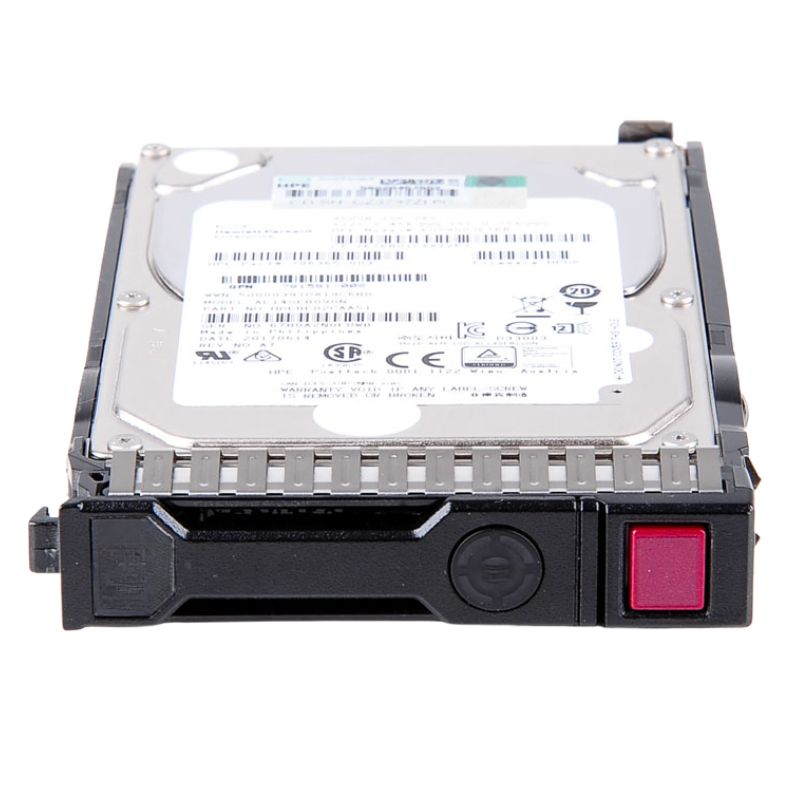


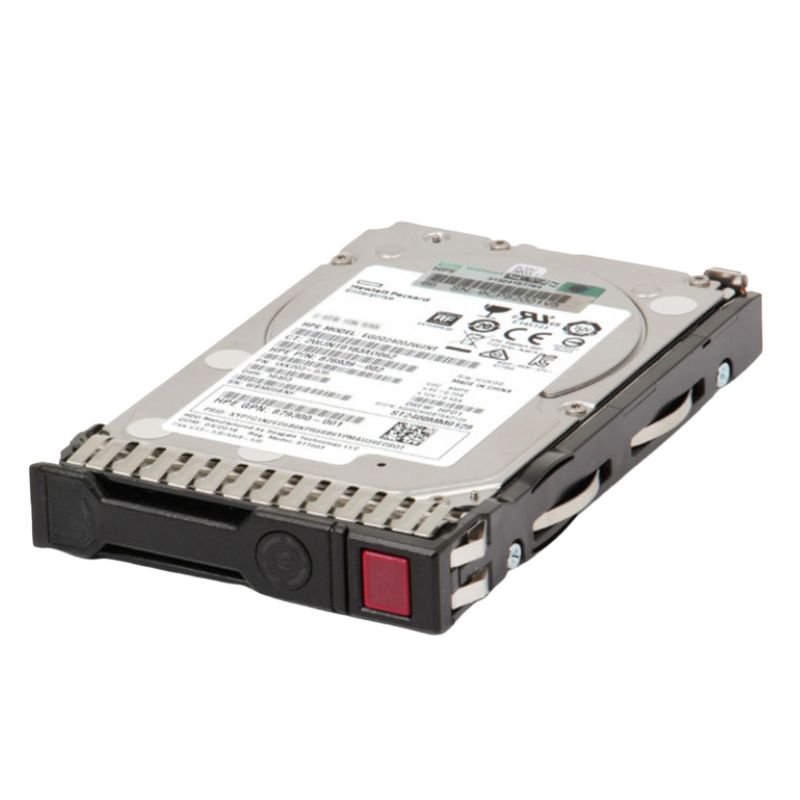
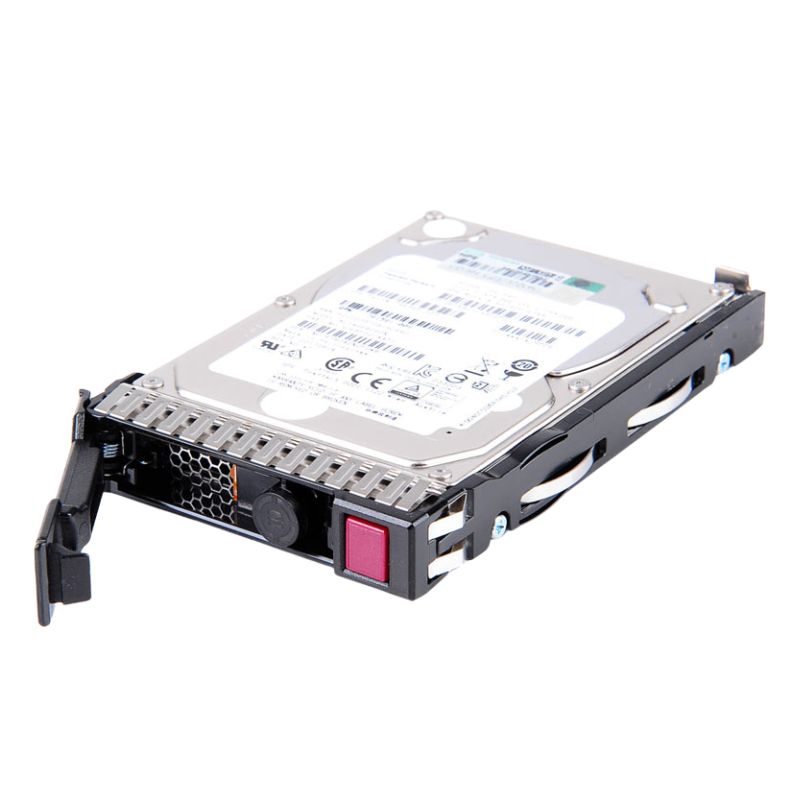
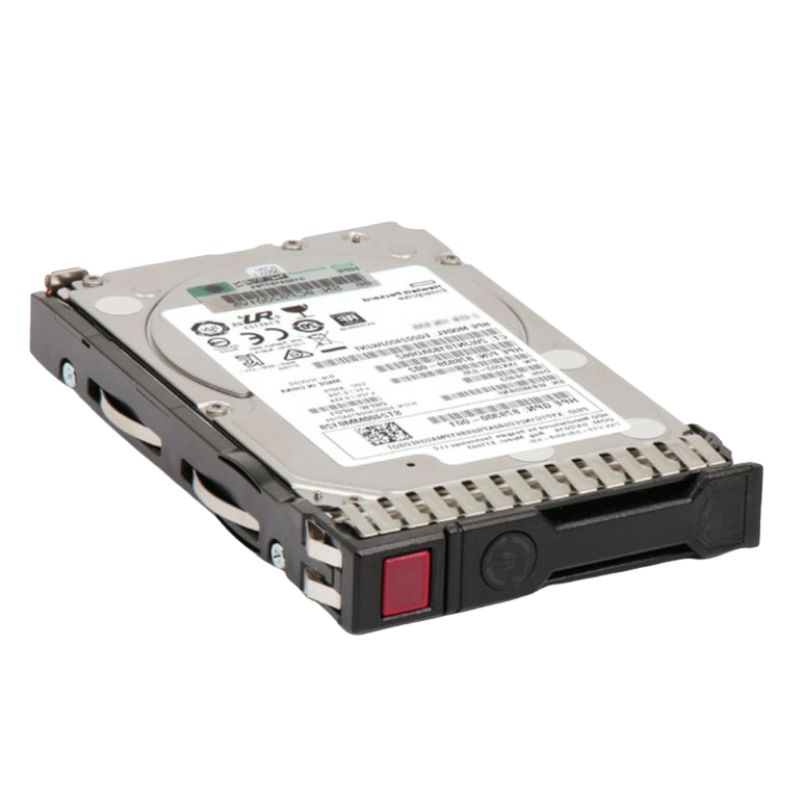
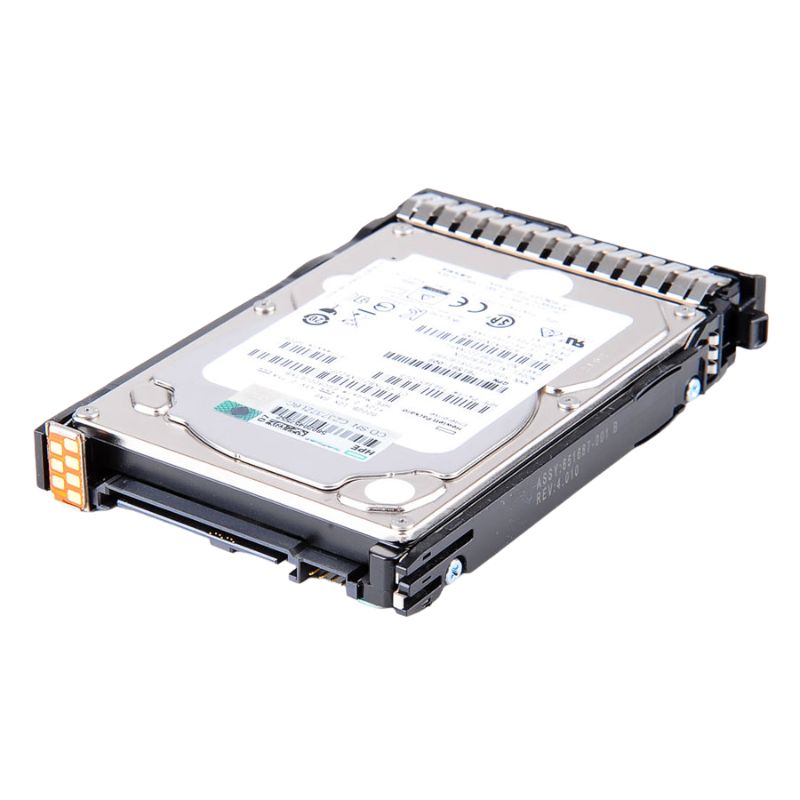
HPE P40981-001 Pm1645a 6.4TB SAS 12GBPS Mixed Use SFF Bc TLC Hot Swap Digitally Signed Firmware Solid State Drive. New Sealed in Box (NIB) with 3 years Warranty
This digitally signed HPE solid-state drive is engineered for servers demanding consistent throughput, secure firmware, and long-term operational resilience. Its 6.4TB capacity, paired with a high-bandwidth SAS interface, delivers the reliability required for business-critical workloads.
Built for mixed-use environments, this SSD supports steady write cycles and consistent performance for virtualization, database management, and transactional workloads.
This HPE P40981-001 PM1645a SSD benefits from digitally signed firmware, ensuring secure operation and preventing unauthorized modifications, ideal for enterprises prioritizing system integrity.
The HPE P40981-001 PM1645a 6.4TB SAS 12GBPS Mixed Use 2.5Inch SFF BC TLC Hot Swap Digitally Signed Firmware Solid State Drive represents a class of enterprise-grade SAS SSDs optimized for mixed-use workloads in modern data centers. This category targets IT teams and procurement managers who require high-capacity flash storage with a balanced mix of performance, endurance, and data integrity features. Keyword-rich descriptions such as "6.4TB SAS SSD," "12Gbps SAS performance," "mixed-use TLC enterprise drive," and "digitally signed firmware" should appear naturally across the page to improve search relevance for buyers researching dependable server storage options for virtualization, databases, and consolidation projects.
Mixed-use SSDs like the HPE P40981-001 PM1645a family are engineered to bridge the gap between read-intensive and write-intensive drives. They deliver sustained throughput for mixed workloads containing both sequential and random read/write patterns—common in virtualization hosts, database servers, and mail or collaboration platforms. A 6.4TB capacity supports larger virtual machine densities and dataset consolidation while the 2.5-inch small form factor (SFF) preserves rack density and compatibility with high-density storage enclosures. Emphasize phrases such as "mixed-use performance," "high-capacity 2.5-inch SAS SSD," and "enterprise-grade TLC flash" to help site visitors and search engines connect the product to real-world deployment scenarios.
This category highlights the balance of random I/O performance, sequential throughput, and consistent low-latency behavior. The 12GBPS SAS interface, marketed here as 12Gbps SAS, provides a wide data lane between the host and drive enabling higher sustained throughput under heavy parallel I/O. For database administrators and virtualization architects, the result is improved transaction rates and faster VM boot storms, reduced application queuing, and more predictable latencies under mixed read/write pressure. Use the product keywords in context—such as "12Gbps SAS mixed-use SSD"—to reinforce relevance to performance-focused buyers.
Enterprise buyers care about consistent latency under load as much as raw IOPS figures. Mixed-use SSDs are tuned to maintain stable response times when reads and writes occur concurrently, which is essential for multi-tenant virtualized environments and OLTP databases. Buyers should evaluate drives in representative workloads, but category-level copy explains that the HPE P40981-001 PM1645a series emphasizes predictable response and sustained throughput across mixed I/O profiles. Include on-page guidance: test with representative VM densities or database mixes to validate the drive’s performance against your SLAs.
The PM1645a uses TLC (triple-level cell) NAND to maximize usable capacity and lower cost per terabyte relative to higher-end flash types. For mixed-use SSDs, modern TLC implementations paired with advanced controllers, over-provisioning, and enterprise-grade firmware deliver acceptable endurance for many data center workloads while providing attractive storage economics. This category should explain endurance concepts without technical overload: TLC offers higher capacity per die, and when coupled with wear-leveling and error correction, it meets endurance targets for mixed-use scenarios. Use phrases like "TLC enterprise SSD," "endurance and TBW planning," and "cost-efficient flash storage" to match common search intents.
When specifying 6.4TB drives, planners must consider both usable capacity after provisioning and lifecycle endurance measured in drive writes per day (DWPD) or terabytes written (TBW). This category content should guide procurement toward factoring RAID overhead, hot spare capacity, snapshot frequency, and logging behaviors into endurance calculations. Discussing realistic expectations—such as how mixed-use drives are often sufficient for virtualized hosts, secondary database instances, and content delivery services—helps buyers align capacity with budget and support requirements.
Digitally signed firmware simplifies compliance and security posture by enabling controlled firmware updates, traceability of updates, and compatibility with secure boot processes on modern servers. IT operations teams benefit from easier governance around firmware change control and from vendor-supplied validation that reduces the chance of in-field instability caused by unauthorized modifications. This category copy should explain that digitally signed firmware doesn't slow performance; rather, it increases assurance that drive behavior remains consistent and predictable.
Recommend that organizations adopt a staged firmware update approach: test in non-production environments, validate performance and compatibility with RAID controllers and storage arrays, and then roll out during maintenance windows. Make clear that HPE’s digitally signed firmware process helps reduce risk during updates and that administrators should still follow best practices such as full backups and maintenance scheduling. Keywords like "firmware update best practices" and "signed firmware change control" will help this section rank for operational guidance searches.
This category should clearly address compatibility concerns: the HPE P40981-001 PM1645a family is designed for HPE servers and storage solutions but also frequently used in certified third-party arrays and JBOD enclosures that support SAS 12Gbps interface and SFF 2.5-inch drives. Explain the importance of cross-referencing server and array support matrices, firmware compatibility, and certified drive lists. Use language such as "HPE-certified SSD," "server compatibility matrix," and "SAS 12Gbps SFF drive compatibility" so technical buyers can quickly find validation guidance.
Compatibility with RAID controllers and host bus adapters is an essential procurement step. Mixed-use SAS SSDs operate behind controllers that may feature caching, write-back strategies, and battery-backed write cache which can impact observed write performance and endurance. This category content should advise buyers to consult HPE and controller vendors’ compatibility lists and to validate controller firmware versions when integrating large-capacity mixed-use drives into existing arrays. Including practical guidance—such as testing with real workloads and checking firmware interop notes—improves buyer confidence and search relevance for technical queries.


 Contact Us
 Information
 Catalog
 Solid State Drives (SSD)
 Network Switches
 Hard Disk Drives
 HBA & Controllers
 PC & Servers
 PC & Server Memory
 CPU & Processors
 Network Routers
 Power Supplies
 Tape Drives & Libraries
 Network Devices
 Computer & Network Cables