(7% discount is applied at checkout)
Cart is empty
Your go-to destination for cutting-edge server products
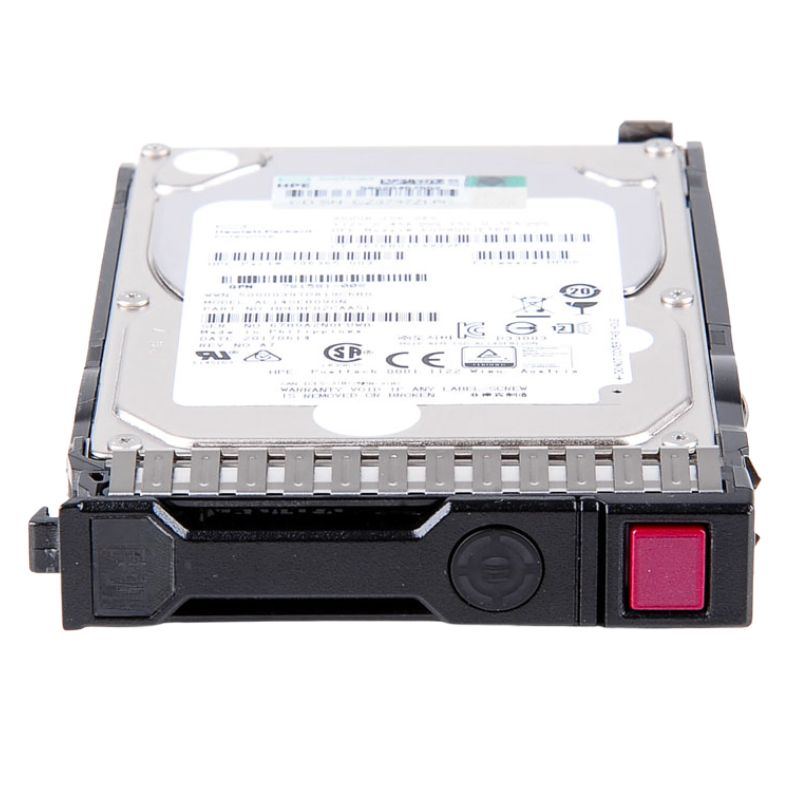


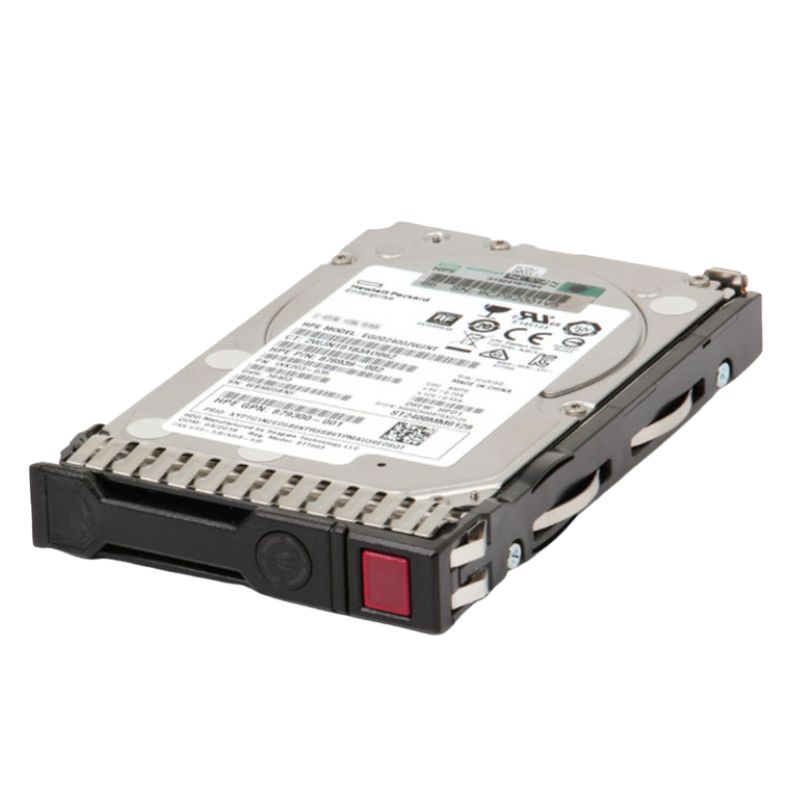
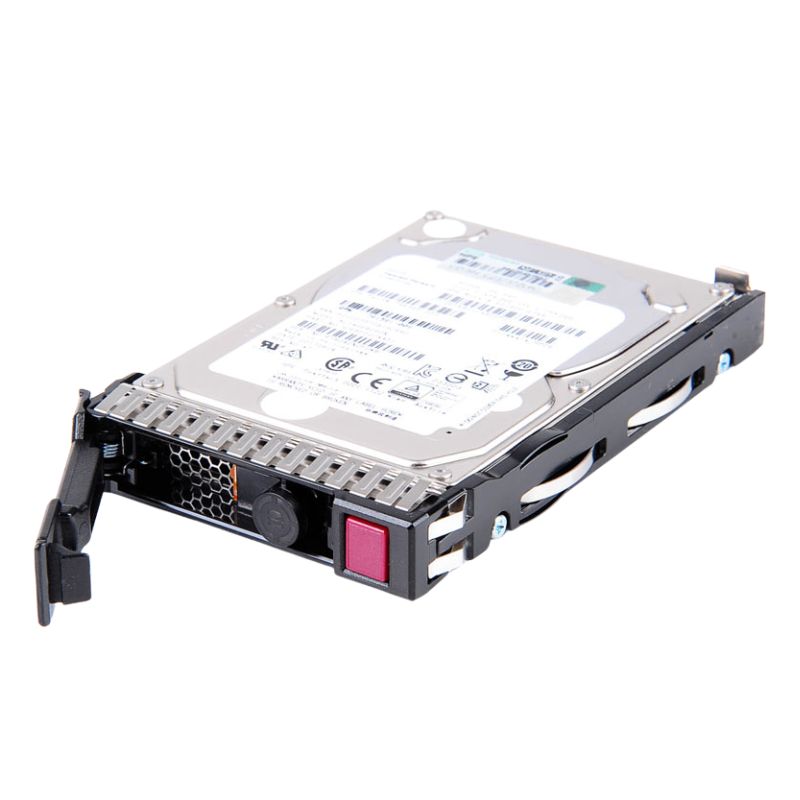
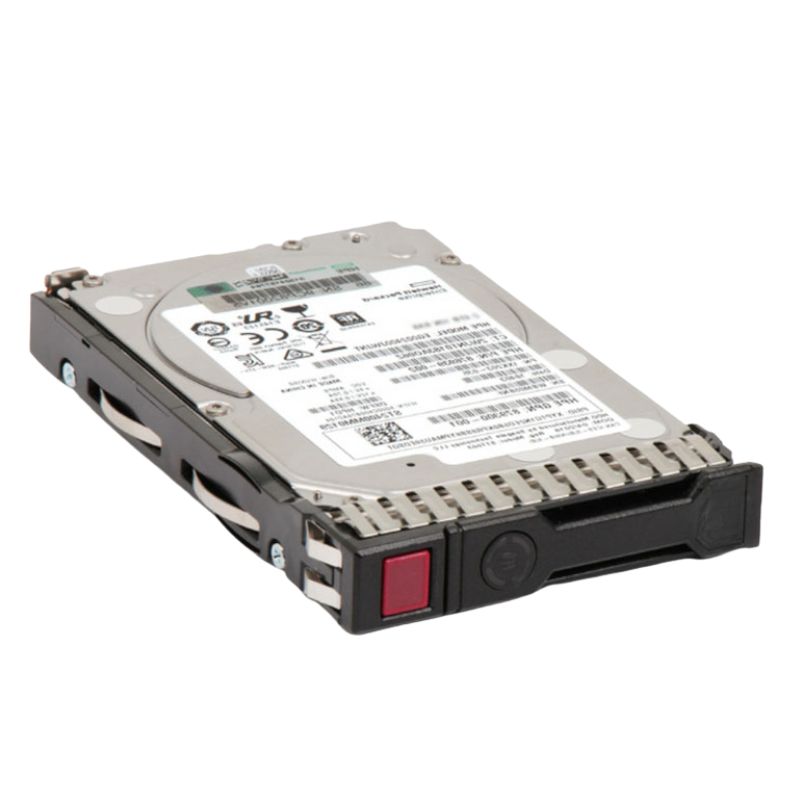
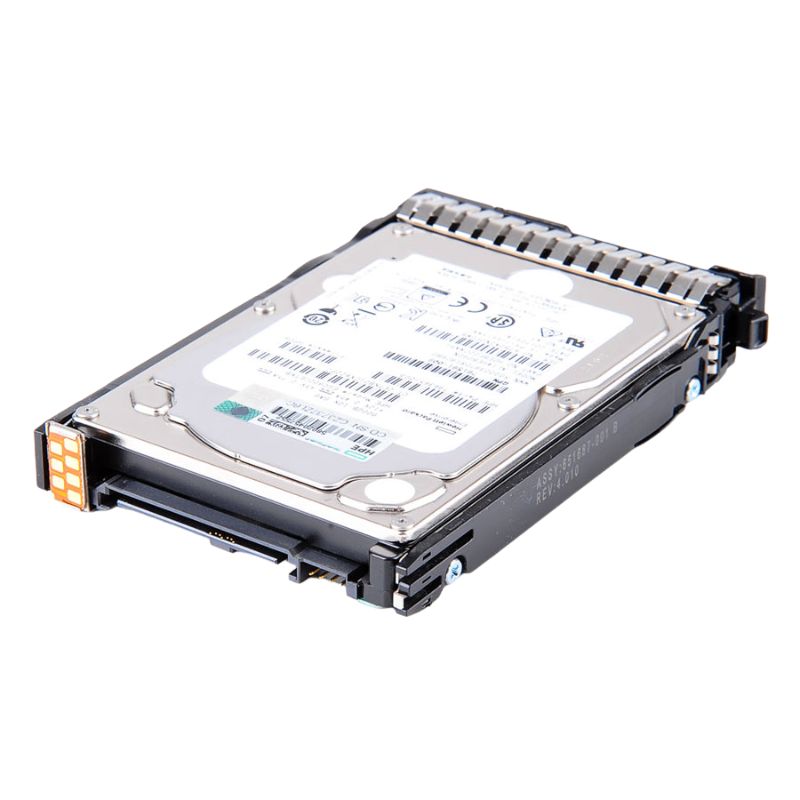
HPE P41101-001 960GB SAS 12GBPS 2.5Inch SFF Read Intensive Bc Value SAS Multi Vendor Hot Plug Solid State Drive. Factory-Sealed New in Original Box (FSB) with 3 Years Warranty
The HPE P41101-001 is a high-reliability 960GB SAS 12Gbps solid-state drive engineered for read-intensive workloads. Built for ProLiant Gen10 Plus platforms, this SFF hot-plug SSD with a multi-vendor carrier delivers exceptional data integrity, consistent throughput, and dependable endurance for enterprise applications.
This enterprise-grade SSD is optimized for a broad range of HPE ProLiant Gen10 Plus systems, ensuring stable performance, secure firmware, and smooth integration into modern data center infrastructures.
The HPE P41101-001 960GB SAS 12Gbps 2.5-inch SFF Read Intensive BC Value SAS Multi Vendor Hot Plug Solid State Drive with tray is designed specifically for enterprise and datacenter environments that demand high read performance, consistent latency, and dependable multi-vendor interoperability. This category covers a class of drives optimized for read-dominated workloads commonly found in large-scale virtualization, database read-replicas, web-serving layers, analytics query caches, and content delivery use cases. The product's 12Gbps SAS interface and compact 2.5-inch SFF form factor make it a natural fit for HPE ProLiant Gen10 Plus servers and similar platforms, while the read-intensive endurance level balances cost and reliability for deployments where read operations vastly outnumber writes.
Drives in this category emphasize sustained sequential and random read throughput, low and predictable latency, and robust hot-plug capabilities. They typically incorporate enterprise-grade NAND and controller logic tuned for read workloads, firmware that supports multi-vendor compatibility and drive encryption options, and mechanical trays engineered to work seamlessly with HPE ProLiant Gen10 Plus sleds. The combination of 12Gbps SAS connectivity, power-efficient operation, and high availability features such as hot-swapping and SMART telemetry positions these drives as an optimal value proposition for organizations seeking a balance between performance and cost-efficiency.
The HPE P41101-001 category delivers higher IOPS on read-intensive patterns compared to traditional spinning media and many mainstream consumer SSDs. Enterprises will find that random read latency is markedly lower and more consistent, which translates to faster query response times and improved user experience for read-heavy applications. The 12Gbps SAS interface removes a frequently encountered bottleneck in older 6Gbps infrastructures, enabling higher sustained throughput and better utilization of server CPU cycles. When these drives are deployed in RAID arrays, read caching, or tiered storage architectures, they accelerate common data retrieval operations while maintaining predictable performance under load.
Common scenarios where this category shines include virtualization host datastores with many read-dominant VMs, content delivery nodes where a large catalog is served repeatedly, analytics systems that frequently scan data or execute repetitive queries, and database replicas used for reporting or backup. In each case, the read-intensive drive reduces wait time for read requests and decreases the total I/O service time that would otherwise be spent waiting on spinning disks. Organizations that run mixed workloads may still use these drives in read-tier layers while leveraging higher-endurance NVMe devices for write-heavy or latency-critical functions.
One of the defining benefits of this category is its explicit design for compatibility with HPE ProLiant Gen10 Plus servers. The drives and included trays conform to HPE's mechanical and electrical specifications, ensuring that hot-plug behavior, indicator LEDs, and tray latch mechanisms function predictably. Firmware compatibility and HPE server management integration mean that drive health metrics, secure erase, and firmware updates can be handled through HPE iLO or Array Controller management utilities. This integration minimizes administrative overhead and reduces the risk of compatibility issues that can arise when non-certified components are used in mission-critical environments.
The included tray is more than packaging; it is an engineered accessory enabling quick replacement and tool-less servicing in densely populated server racks. Administrators benefit from a consistent insertion feel, correct alignment for SAS backplanes, and the convenience of front-accessible hot-swap operations. The trays are keyed and labeled to match HPE drive bays, which reduces human error during maintenance windows and allows for rapid drive replacement without the need to power down servers. For large-scale operations where mean time to repair (MTTR) matters, this design detail makes a measurable difference.
Firmware in the HPE P41101-001 category is tuned to support enterprise features such as persistent event logging, SMART reporting, and secure erase. When deployed in HPE ecosystems, these drives often receive firmware validation that ensures they work reliably with server firmware and storage controllers. Administrators should plan firmware update workflows using HPE management tools to maintain compatibility and security. Regularly updating drive firmware can also deliver incremental performance improvements and bug fixes, which is a worthwhile operational practice in large deployments.
The technical foundation of the category rests on the SAS 12Gbps interface, which provides enterprise-class reliability, dual-port configurations in certain SAS drives, and backward compatibility with 6Gbps SAS/SATA infrastructures in many arrays. The 2.5-inch SFF form factor enables high drive density in server chassis and storage enclosures, allowing organizations to pack more capacity into the same rack footprint. Read-intensive endurance ratings reflect the drive's optimized write tolerance, where the manufacturer provisions the NAND and wear-leveling algorithms to accept lower write amplification in exchange for cost-efficient capacity targeted at read-heavy workloads.
At 960GB nominal capacity, these drives balance usable capacity with endurance. The actual usable space after formatting and firmware overhead may vary slightly but remains aligned with enterprise capacity expectations. Data reduction technologies such as controller-level compression and deduplication are not inherently part of every drive; rather these functions are normally provided by higher-level storage arrays or server software. Consequently, when planning capacity for read-intensive caches or replicas, IT teams should account for filesystem overhead, block allocation, and any application-level storage patterns that might affect usable space.
Read-intensive drives are typically rated with endurance metrics expressed in drive writes per day or total terabytes written over the warranty period. Since the primary workload is read-dominant, the expected write activity remains low, allowing these devices to achieve a lower cost per gigabyte relative to high-endurance SSDs designed for constant write activity. Nonetheless, administrators should monitor write patterns using SMART counters and telemetry, especially in environments where unexpected write surges can occur. Proactive monitoring combined with well-defined replacement policies can maximize uptime and avoid capacity surprises.


 Contact Us
 Information
 Catalog
 Solid State Drives (SSD)
 Network Switches
 Hard Disk Drives
 HBA & Controllers
 PC & Servers
 PC & Server Memory
 CPU & Processors
 Network Routers
 Power Supplies
 Tape Drives & Libraries
 Network Devices
 Computer & Network Cables