(7% discount is applied at checkout)
Cart is empty
Your go-to destination for cutting-edge server products
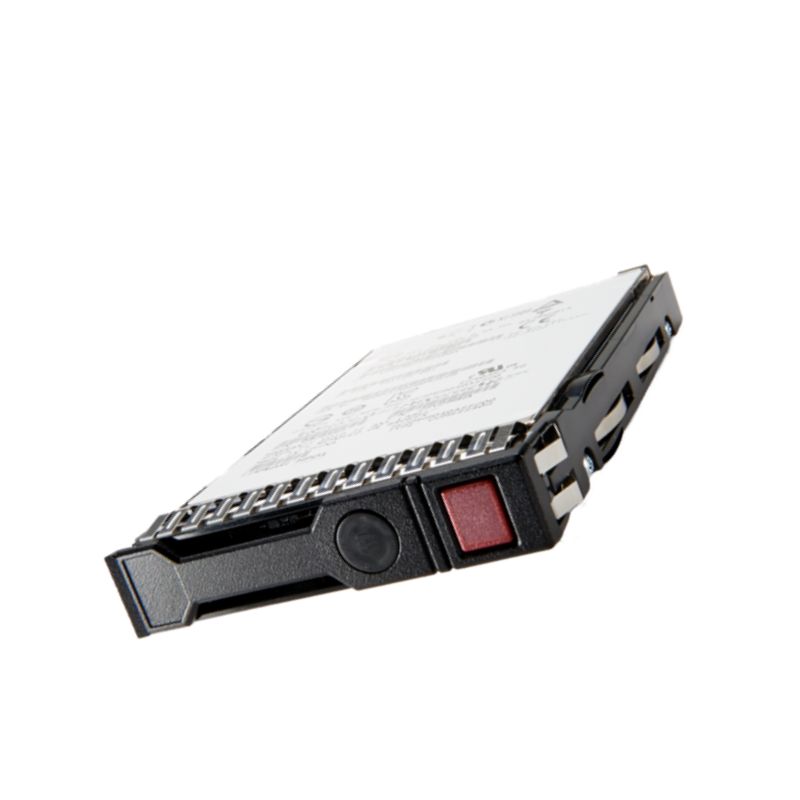


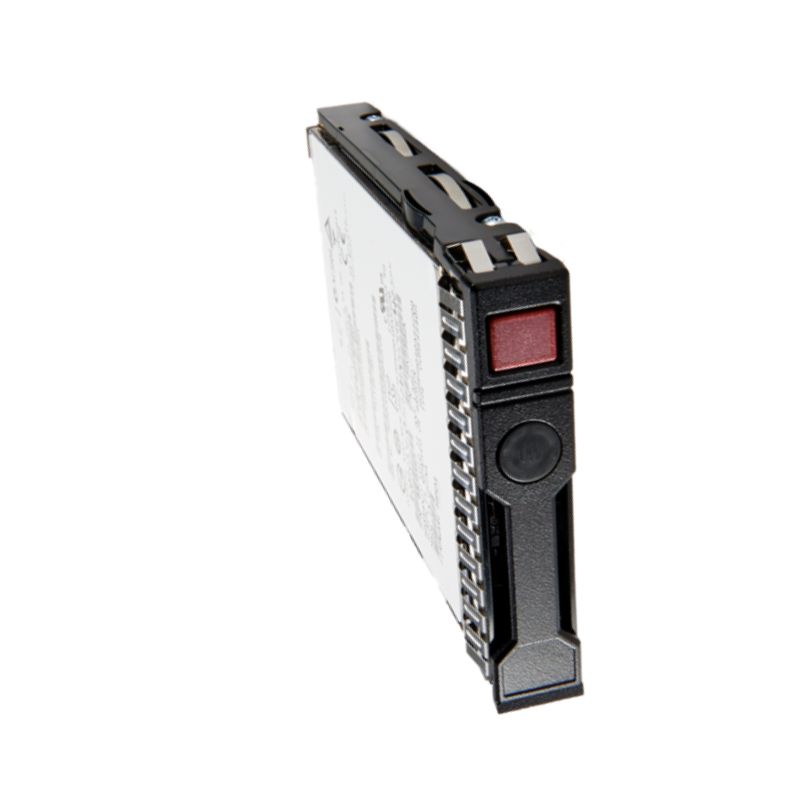
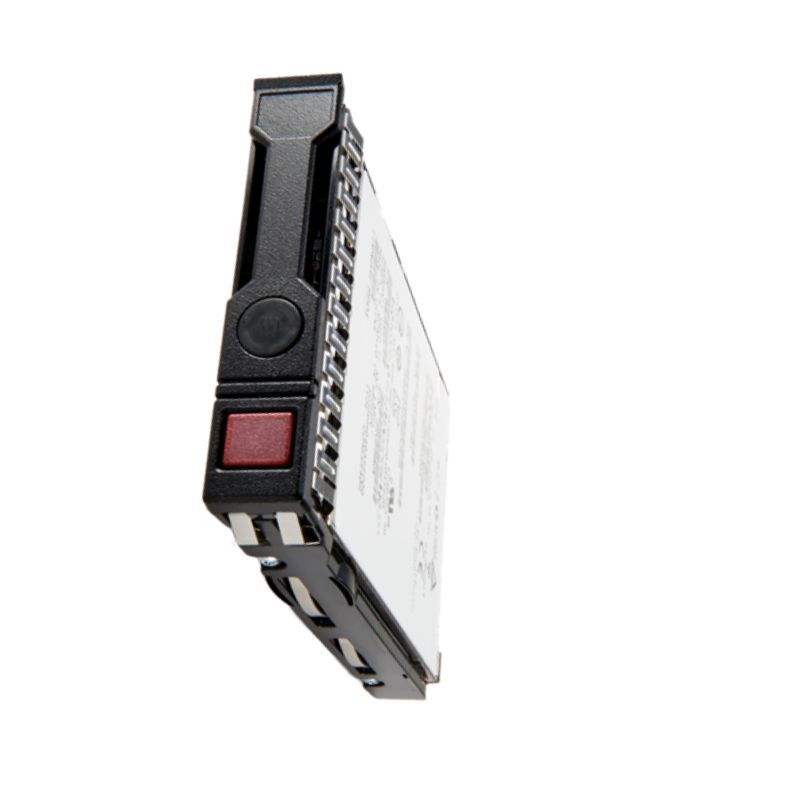
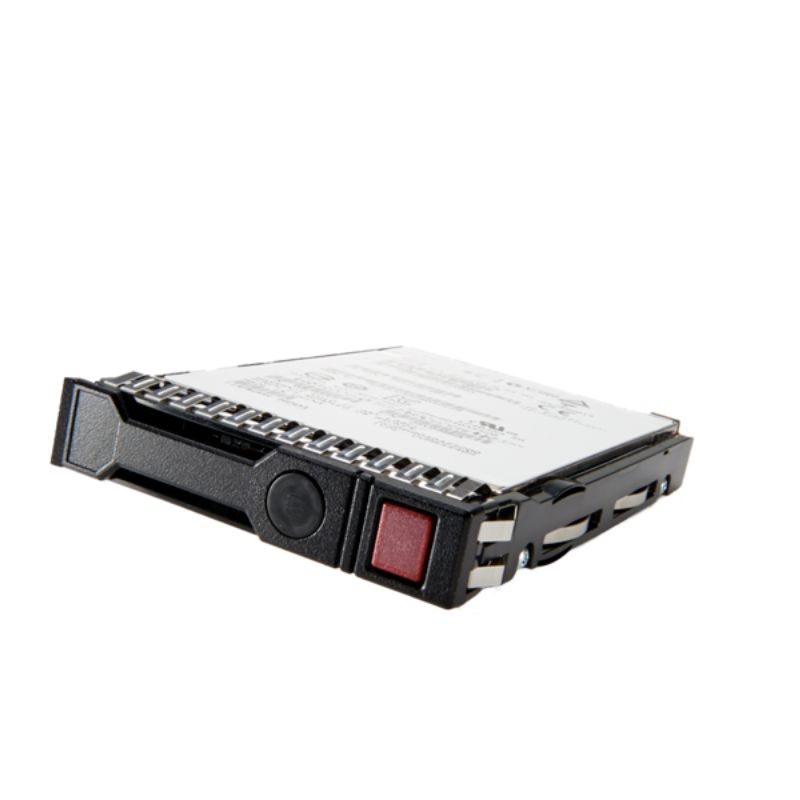
HPE P41491-001 7.68TB BC U.3 NVMe RI SFF Solid State Drive. Excellent Refurbished with 1-Year Replacement Warranty
The HPE P41491-001 7.68TB Business Critical U.3 NVMe Read Intensive Small Form Factor Solid State Drive is engineered to deliver enterprise-class storage efficiency, dependable endurance, and accelerated data processing for modern server infrastructures. Designed with advanced TLC flash memory technology and a high-speed NVMe interface, this hot-plug SSD provides outstanding responsiveness for data-centric environments, virtualization platforms, cloud workloads, analytics operations, and read-intensive business applications. Its compact 15mm SFF design allows seamless deployment in dense data center configurations while maximizing storage capacity and minimizing latency.
The HPE P41491-001 7.68TB BC U.3 NVMe RI SFF Solid State Drive is engineered for enterprise data center workloads that demand dependable performance, efficient storage density, and advanced NVMe responsiveness. Designed for modern server infrastructures, this solid state drive supports read intensive applications while delivering low latency, scalable capacity, and consistent throughput for business critical environments. Organizations deploying virtualization platforms, analytics databases, cloud infrastructure, content delivery systems, and enterprise applications can benefit from the optimized architecture and advanced storage technologies integrated into this SSD category.
Built with U.3 NVMe interface compatibility, the HPE P41491-001 SSD category provides enhanced communication efficiency between storage and server processors. Compared to legacy SATA and SAS drives, NVMe technology significantly reduces bottlenecks and improves transaction handling for demanding enterprise workloads. Businesses operating data intensive systems require faster storage response times to maintain productivity, accelerate data access, and support continuous operational growth. This enterprise SSD category addresses those requirements with reliable storage performance and optimized endurance characteristics.
The 7.68TB storage capacity allows organizations to consolidate workloads while minimizing physical storage footprint inside rack servers and blade systems. Enterprise data centers increasingly require compact high capacity storage devices to support expanding digital infrastructures. The small form factor design enables improved server density, efficient airflow management, and streamlined hardware deployment. By integrating this SSD category into enterprise environments, IT teams can improve storage scalability without compromising rack efficiency.
Enterprise storage environments require dependable architecture capable of supporting high transaction volumes, concurrent user access, and continuous operational workloads. The HPE P41491-001 7.68TB BC U.3 NVMe RI SFF Solid State Drive category is developed for enterprise applications that rely on accelerated data access and reduced latency. NVMe architecture enables direct communication with the PCI Express bus, minimizing protocol overhead and maximizing throughput efficiency.
Traditional storage protocols were originally designed for mechanical hard drives, limiting overall flash storage performance potential. NVMe technology transforms enterprise storage operations by utilizing parallel command queues and optimized processing pathways. This architecture enhances responsiveness for virtualized environments, cloud platforms, and transactional database systems. Businesses deploying enterprise applications often experience substantial operational improvements when migrating from conventional storage technologies to NVMe SSD platforms.
The U.3 interface specification provides compatibility flexibility across evolving enterprise storage ecosystems. Organizations adopting modern server infrastructures benefit from scalable deployment options and improved integration capabilities. U.3 architecture supports efficient communication pathways and enhanced storage management features that contribute to operational reliability. Enterprise IT administrators can standardize storage deployments while maintaining flexibility for future infrastructure upgrades.
High throughput capabilities support applications involving large data transfers, analytics processing, content streaming, and enterprise backup operations. Data centers managing intensive workloads require storage systems capable of maintaining consistent performance under sustained utilization conditions. This SSD category is optimized to deliver stable performance characteristics across demanding enterprise scenarios.
NVMe storage technology introduces substantial operational benefits for enterprise environments focused on speed, efficiency, and scalability. One major advantage involves reduced latency during data retrieval operations. Faster access times improve overall application responsiveness, benefiting workloads such as virtualization, transactional databases, and cloud computing environments.
Parallel command processing capabilities enable enterprise systems to handle multiple storage requests simultaneously. This functionality is essential for high density server deployments supporting numerous virtual machines or application containers. Improved multitasking efficiency enhances resource allocation while reducing operational slowdowns during peak usage periods.
Enterprise organizations also benefit from lower storage bottlenecks during data intensive processes. High speed NVMe communication improves productivity for analytics operations, artificial intelligence workloads, and enterprise resource planning applications. As business infrastructures continue expanding, scalable NVMe storage solutions become increasingly critical for maintaining operational efficiency.
Enhanced bandwidth utilization contributes to improved workload distribution and optimized server performance. Modern enterprise applications generate substantial data traffic requiring responsive storage infrastructure. The HPE P41491-001 SSD category supports these requirements through advanced NVMe integration and enterprise focused engineering.
The HPE P41491-001 7.68TB BC U.3 NVMe RI SFF Solid State Drive belongs to the read intensive SSD category, making it particularly suitable for applications that prioritize data retrieval operations over frequent write cycles. Enterprise environments commonly utilize read intensive storage for workloads such as media streaming, data warehousing, web hosting, content distribution, and large scale reporting systems.
Read intensive SSD categories are engineered to deliver exceptional read performance while maintaining efficient endurance characteristics for applications with predictable write activity. Businesses operating large information repositories frequently require rapid access to stored data rather than constant data modification. This storage design approach enables cost effective deployment for enterprise workloads focused on high speed information retrieval.
Data analytics platforms rely heavily on read intensive operations to process large datasets efficiently. Faster data retrieval supports real time reporting, business intelligence applications, and customer behavior analysis systems. Enterprise organizations leveraging analytics technologies benefit from reduced query times and enhanced application responsiveness.
Virtual desktop infrastructure environments also benefit from read intensive storage optimization. User login operations, application launches, and desktop provisioning tasks generate substantial read activity within enterprise systems. High performance SSD categories improve end user experiences by minimizing delays and maintaining consistent access speeds.
Enterprise application environments depend on reliable storage responsiveness to maintain operational continuity. The HPE P41491-001 SSD category supports enterprise applications through optimized data delivery mechanisms and low latency performance characteristics. Database query acceleration improves transaction processing efficiency, enabling organizations to manage larger operational workloads without sacrificing responsiveness.
Cloud infrastructure platforms also benefit from read intensive SSD deployment. Multi tenant environments require rapid storage access to support simultaneous user requests and virtualized workloads. Efficient NVMe communication enhances cloud platform scalability while supporting predictable performance under sustained utilization conditions.
Media distribution networks frequently deploy read intensive SSD storage to optimize content delivery operations. High throughput performance supports streaming applications, digital asset management systems, and enterprise content platforms requiring rapid data access for distributed user environments.
Search indexing systems, online transaction processing environments, and customer relationship management applications all benefit from low latency storage infrastructure. Faster storage response times contribute directly to improved user experiences and enhanced operational productivity.
The small form factor design of the HPE P41491-001 7.68TB BC U.3 NVMe RI SFF Solid State Drive provides important advantages for enterprise server deployments focused on maximizing rack density and airflow efficiency. Modern data centers require compact storage devices capable of delivering high capacity without increasing physical infrastructure complexity.
Small form factor SSD categories enable organizations to install larger numbers of storage devices within limited rack space. This capability supports scalable infrastructure expansion while maintaining manageable power and cooling requirements. Data center operators benefit from improved hardware consolidation and optimized equipment layouts.
Efficient airflow management is essential for maintaining stable operating temperatures inside enterprise servers. Compact SSD designs contribute to improved thermal performance by minimizing airflow obstruction within densely populated chassis environments. Reduced thermal stress enhances hardware reliability and contributes to longer operational lifespan.
Enterprise server manufacturers increasingly optimize hardware platforms around small form factor storage architectures. Compact SSD deployment supports modern blade systems, rack servers, and hyper converged infrastructure solutions requiring balanced performance and efficient physical design.
Enterprise scalability depends on infrastructure components capable of supporting evolving business demands. High capacity small form factor SSD categories allow organizations to expand storage capabilities without extensive hardware redesign. IT departments can increase available storage density while preserving valuable rack space for networking equipment, compute resources, and backup infrastructure.
Scalable storage architecture simplifies long term infrastructure planning for growing organizations. Businesses anticipating increased data generation require efficient deployment strategies capable of accommodating future expansion requirements. Compact enterprise SSD categories support these objectives through space efficient design and advanced storage density.
Power efficiency also contributes to data center scalability. Flash storage technologies generally consume less power compared to traditional mechanical storage systems. Lower energy consumption reduces operational costs while supporting environmentally responsible infrastructure management initiatives.
Organizations operating distributed edge computing environments also benefit from compact enterprise SSD deployment. Smaller infrastructure footprints enable efficient installation in branch offices, remote facilities, and localized processing environments where space optimization remains essential.
Enterprise storage infrastructure requires dependable reliability characteristics to support continuous business operations and protect valuable organizational data. The HPE P41491-001 7.68TB BC U.3 NVMe RI SFF Solid State Drive category incorporates enterprise grade engineering principles focused on operational consistency, endurance stability, and data integrity protection.
Solid state technology eliminates mechanical moving components commonly associated with traditional hard disk drives. This design approach reduces susceptibility to physical wear, vibration related failures, and mechanical performance degradation. Enterprise organizations benefit from improved operational stability and reduced maintenance requirements.
Advanced error correction mechanisms contribute to storage reliability by identifying and correcting data inconsistencies during operational processes. Enterprise workloads frequently involve continuous data transactions requiring dependable storage validation procedures. Enhanced data integrity features help maintain accurate information processing across critical business environments.
Power loss protection technologies integrated into enterprise SSD categories further improve operational reliability. Unexpected power interruptions can create risks for incomplete transactions and temporary data corruption. Enterprise SSD engineering minimizes these risks through advanced protection mechanisms designed for mission critical environments.
Enterprise organizations require predictable storage behavior under varying workload conditions. Consistent performance delivery is essential for maintaining application responsiveness, customer service availability, and business continuity operations. The HPE P41491-001 SSD category supports stable operational characteristics during sustained enterprise utilization.
Virtualized server infrastructures particularly benefit from predictable storage performance. Multiple applications and virtual machines frequently share underlying hardware resources, making consistent storage responsiveness essential for balanced workload distribution. Enterprise NVMe SSD categories support these operational requirements through optimized architecture and advanced resource management.
Database environments also require stable storage performance for transaction processing consistency. Variations in storage responsiveness can negatively impact query execution, reporting systems, and user experiences. Enterprise SSD engineering helps maintain dependable data access characteristics across demanding database operations.
Long term infrastructure reliability contributes to reduced downtime risks and improved operational planning. Enterprise organizations prioritize dependable hardware components capable of supporting continuous workloads over extended deployment cycles.
The HPE P41491-001 7.68TB BC U.3 NVMe RI SFF Solid State Drive category is designed to integrate efficiently with enterprise server environments supporting modern NVMe storage architecture. Compatibility considerations are essential for organizations implementing scalable storage deployments across complex infrastructure ecosystems.
U.3 interface support enhances deployment flexibility by enabling compatibility with evolving storage backplane technologies. Enterprise environments frequently involve mixed infrastructure generations requiring adaptable storage solutions capable of supporting multiple deployment scenarios. U.3 technology simplifies integration while supporting future upgrade pathways.
Enterprise server platforms operating virtualization clusters, database systems, and cloud applications require high speed storage interoperability. Efficient integration capabilities reduce deployment complexity and support streamlined infrastructure management processes. IT administrators benefit from simplified hardware standardization strategies across enterprise environments.
Modern enterprise operating systems and hypervisors increasingly optimize performance around NVMe storage technologies. The HPE P41491-001 SSD category supports these evolving software ecosystems by delivering responsive storage communication and advanced throughput capabilities.
Virtualization environments generate demanding storage workloads involving concurrent data requests from numerous virtual machines. High performance NVMe SSD categories improve virtualization responsiveness by reducing latency and supporting efficient resource allocation. Enterprise organizations deploying private cloud or hybrid cloud platforms benefit from optimized storage infrastructure.
Cloud computing environments require scalable storage capable of supporting fluctuating workloads and dynamic resource provisioning. Fast storage response times improve virtual machine deployment speed, application migration efficiency, and service delivery consistency.
Containerized application infrastructures also benefit from advanced NVMe storage deployment. Modern software development environments frequently utilize containers and orchestration platforms requiring rapid storage interaction and scalable performance characteristics.
Disaster recovery systems and backup infrastructures rely on dependable enterprise storage for data replication and restoration processes. High capacity SSD deployment supports accelerated recovery operations while improving backup efficiency across distributed environments.
Business critical applications require responsive storage infrastructure capable of maintaining operational continuity and supporting demanding transaction volumes. The HPE P41491-001 7.68TB BC U.3 NVMe RI SFF Solid State Drive category is engineered for enterprise environments where storage performance directly influences productivity, service delivery, and operational efficiency.
Financial applications, customer management platforms, analytics systems, and enterprise resource planning environments generate intensive data access requirements. NVMe SSD technology reduces storage latency and accelerates transaction processing, contributing to improved business responsiveness.
High performance storage infrastructure also enhances productivity within collaborative enterprise environments. Employees accessing shared databases, digital resources, and centralized applications benefit from faster system responsiveness and reduced operational delays.
Large scale ecommerce platforms and digital service environments require dependable storage performance to support customer interactions and transactional workflows. Fast data retrieval contributes to improved user experiences and optimized service reliability.
Enterprise technology environments continue evolving toward higher performance computing, increased data generation, and expanded virtualization adoption. Organizations investing in advanced NVMe SSD categories position their infrastructure for future scalability and workload expansion.
The HPE P41491-001 7.68TB BC U.3 NVMe RI SFF Solid State Drive category supports modernization initiatives focused on improving operational efficiency, accelerating digital transformation, and enhancing infrastructure responsiveness. Enterprise NVMe technology provides the foundation required for next generation computing environments.
Artificial intelligence processing, machine learning analytics, and high speed transactional applications increasingly depend on low latency storage architectures. Advanced SSD deployment enables organizations to support emerging technologies while maintaining efficient operational performance.
As enterprise workloads continue expanding in complexity and scale, high capacity NVMe SSD categories remain essential for supporting modern infrastructure requirements. Organizations seeking reliable, scalable, and efficient storage solutions benefit from enterprise SSD technologies engineered for demanding operational environments.


 Contact Us
 Information
 Catalog
 Solid State Drives (SSD)
 Network Switches
 Hard Disk Drives
 HBA & Controllers
 PC & Servers
 PC & Server Memory
 CPU & Processors
 Network Routers
 Power Supplies
 Tape Drives & Libraries
 Network Devices
 Computer & Network Cables