(7% discount is applied at checkout)
Cart is empty
Your go-to destination for cutting-edge server products
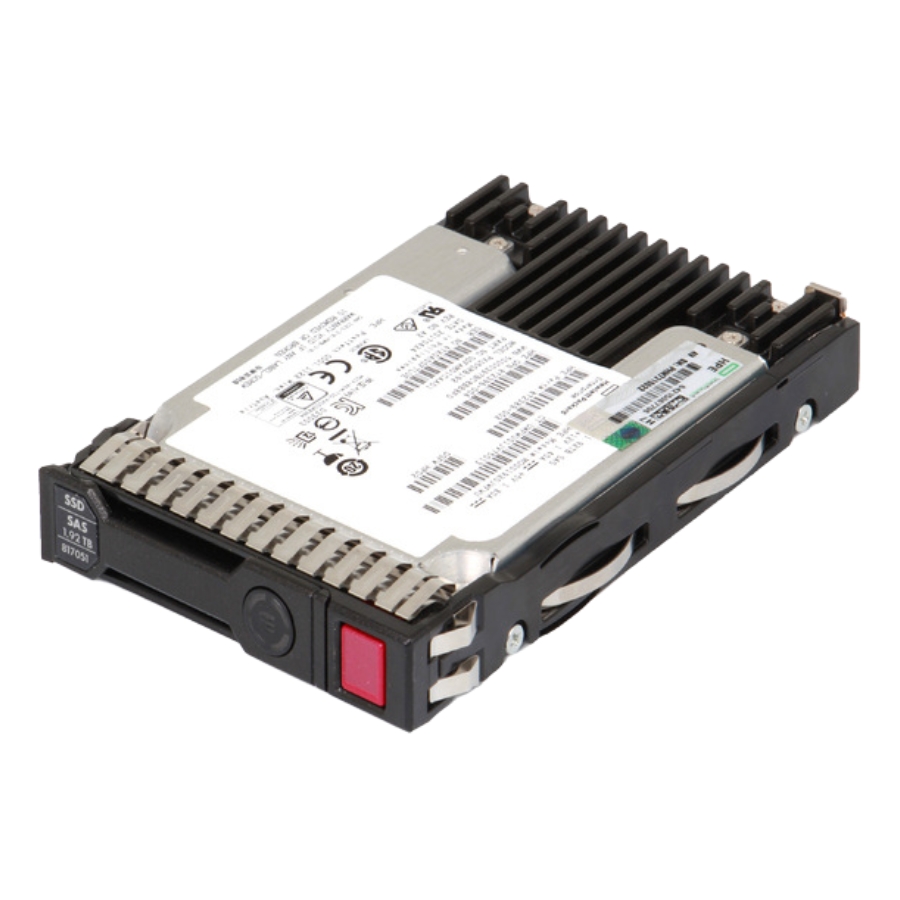


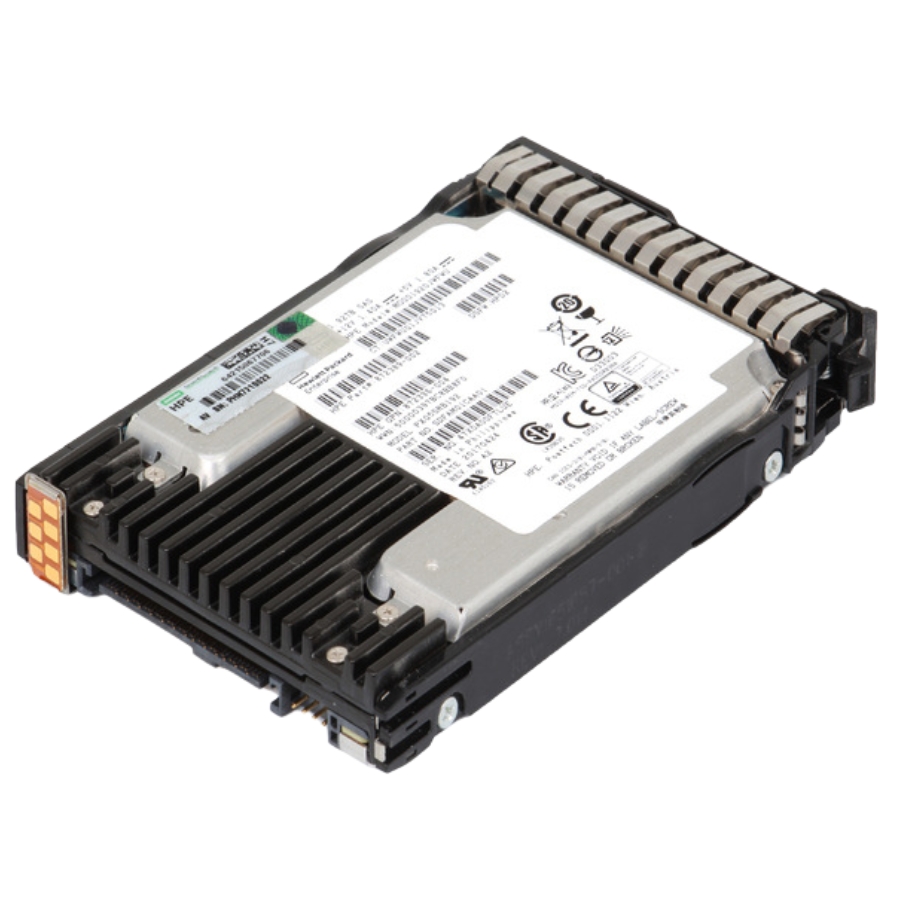
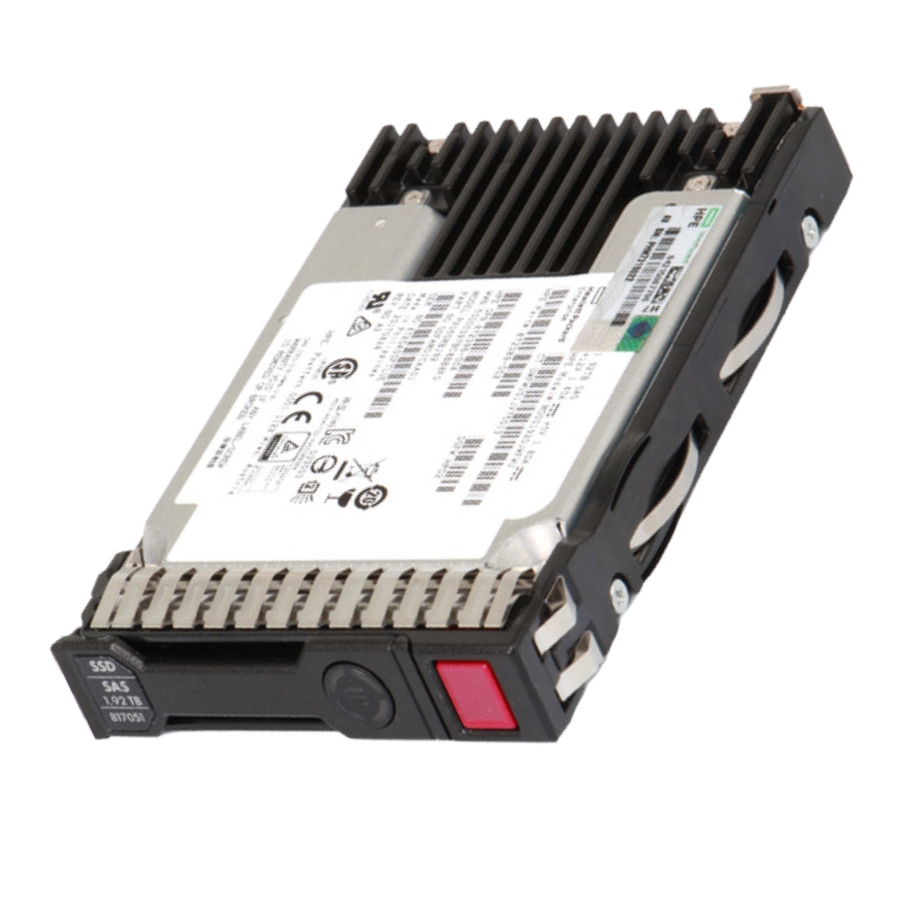
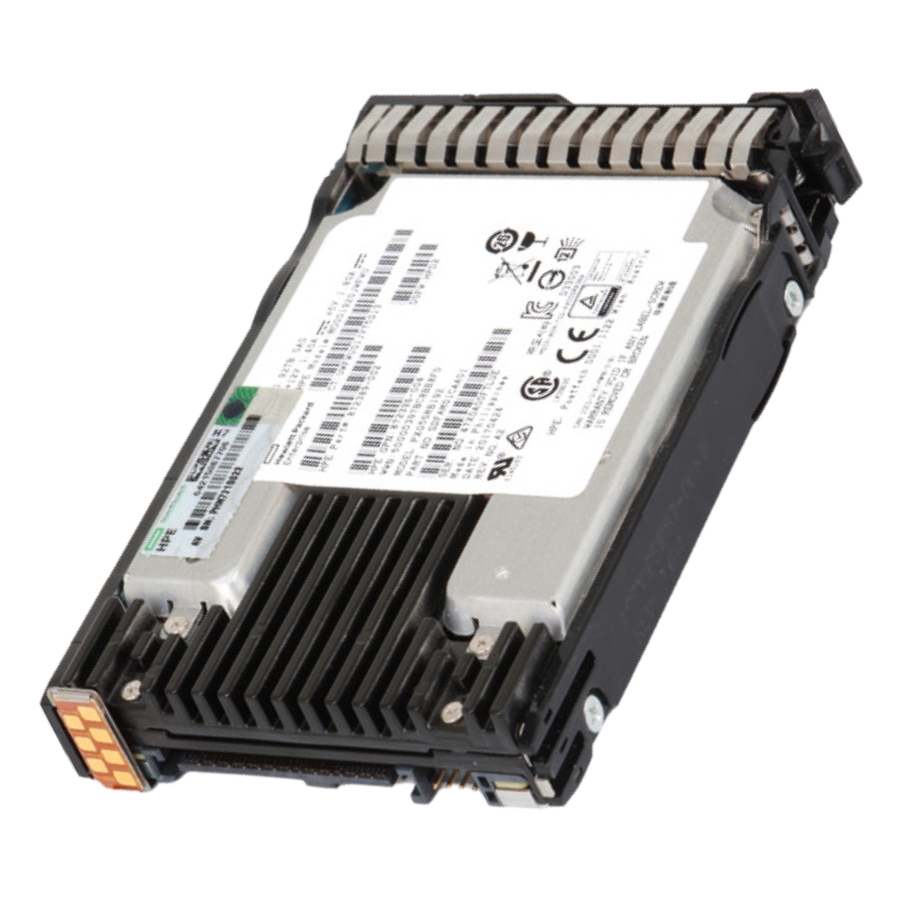
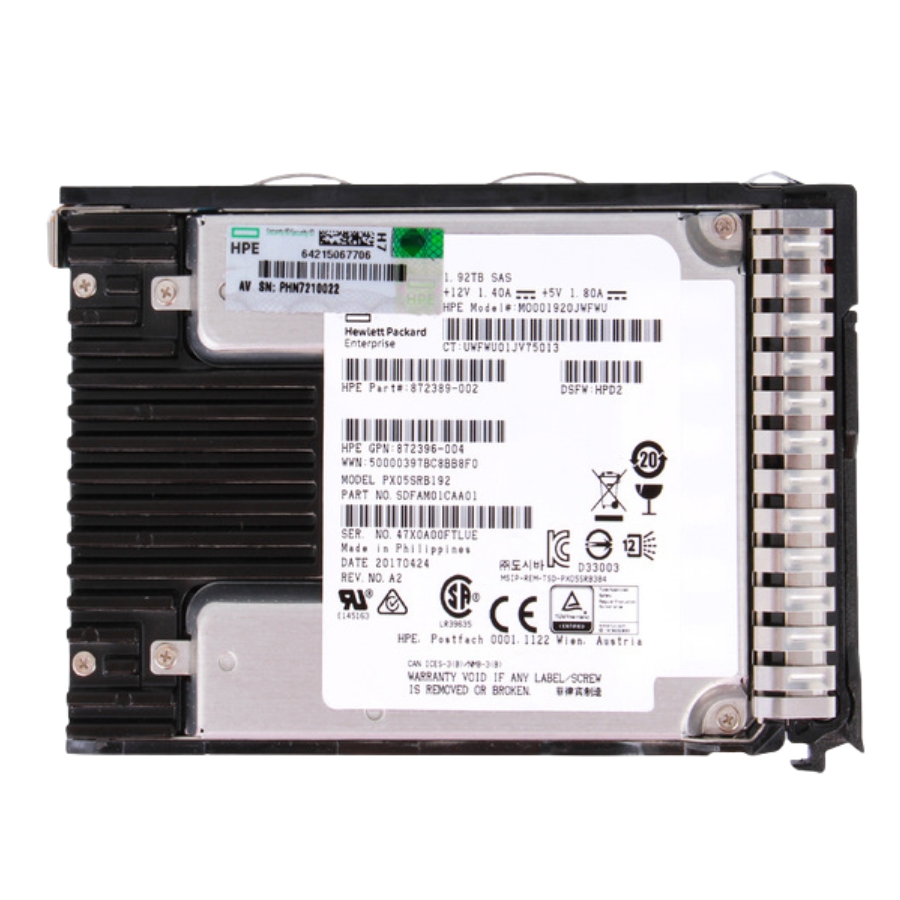
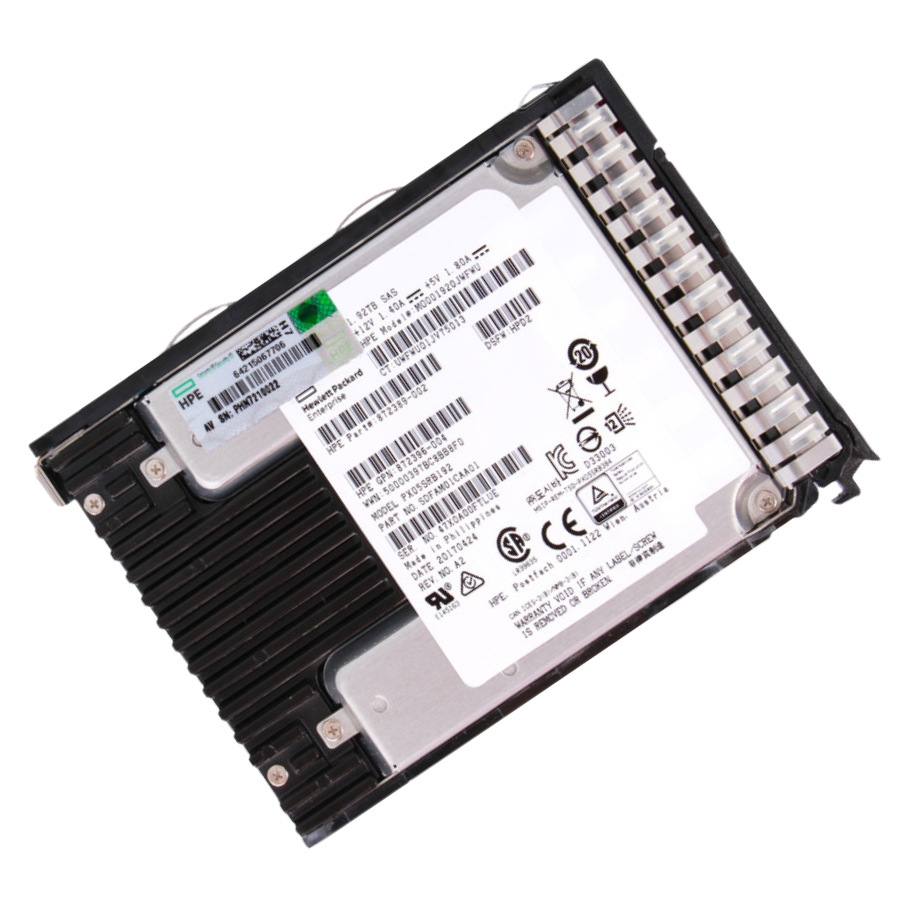
HPE P41532-001 1.92TB SAS 12GBPS for Gen10 Plus SSD. Excellent Refurbished with 1 year replacement warranty
| SKU/MPN | Warranty | Price | Condition | You save |
|---|---|---|---|---|
| P41532-001 | 1 Year Warranty | $1,092.00 | Factory-Sealed New in Original Box (FSB) | You save: $382.20 (26%) |
| P41532-001 | 1 Year Warranty | $970.00 | Excellent Refurbished | You save: $339.50 (26%) |
The HPE P41532-001 1.92TB SAS SSD redefines enterprise storage standards by combining superior performance, compact form factor, and optimized reliability for demanding data center environments. Engineered for high-speed applications, this drive provides advanced read and write capabilities that enhance data throughput, reduce latency, and ensure consistent, reliable performance in continuous workloads.
The HPE P41532-001 1.92TB SAS 12Gbps Read Intensive SFF SSD sits within the enterprise-class flash storage category designed specifically for read-heavy workloads in rack-mounted servers, blade systems, and storage arrays. This category page focuses on the small form factor (SFF) 2.5" SAS SSDs engineered for data centers, cloud infrastructure, virtualization platforms, and read-optimized databases. Readers researching storage upgrades, performance tuning, or hardware refresh options will find detailed technical insights, compatibility notes, deployment scenarios, and purchasing guidance tailored to IT procurement and systems engineering audiences.
Performance is central to selecting an SSD for production environments. The HPE P41532-001 family emphasizes read performance and predictable latency:
Read-intensive SSDs deliver strong random read IOPS and high sequential read throughput. Typical performance attributes you should evaluate:
Random Read IOPS: One of the most important metrics for database and VDI scenarios. Look for high sustained 4K random read IOPS under queue depths representative of your application.
Sequential Read Bandwidth: Measured in MB/s, important for backup, restore, and large-file streaming tasks.
Latency: Low read latency is critical for user-facing applications. Expect sub-millisecond average latency for many operations, with performance curves provided by HPE for different queue depths.
Lower and more consistent read latencies reduce tail latency for multi-threaded services, improving response times for search, metadata lookups, and cache-hits. For applications with tight SLAs, drive selection should emphasize predictable latency across sustained load, not just peak throughput numbers.
Before purchasing, confirm:
Drive and firmware compatibility with your HPE server model (ProLiant GenX, DL/ML/BL series) and storage controllers.HBA or RAID controller compatibility — confirm driver and BIOS/UEFI support for 12Gbps SAS devices.
Physical bay and caddy compatibility — many HPE systems require vendor-specific carrier trays for proper hot-swap operation.
Enclosure and backplane support — ensure SAS expander or backplane negotiates 12Gbps speeds reliably in multi-drive configurations.
The HPE P41532-001 1.92TB Read Intensive SFF SSD excels in scenarios dominated by read operations. Below are primary and secondary use cases where the drive yields measurable benefits:
Database read replicas and index nodes: Fast random reads accelerate query response times and index scanning.
Virtual Desktop Infrastructure (VDI) boot storms: Read performance reduces boot/login times for large numbers of virtual desktops.
Content delivery/cache layers: CDN edge caches and internal content caches that serve predominantly read traffic.
Analytics and reporting: Query-heavy reporting where large volumes of reads are typical, and write rates are comparatively low.
OS and application boot volumes: Improves server provisioning time and application startup latency.
Read-tier in hybrid storage pools: Acts as a high-performance read tier in a tiered storage architecture paired with HDD or mixed-use SSDs.
Media streaming servers: Where streaming read throughput is prioritized over write endurance.
Investing in enterprise-grade read-optimized SSDs brings several operational and financial advantages:
Performance-per-watt: Lower power consumption per IOPS compared to spinning media, reducing operational expense (OPEX).
Density & scalability: 2.5" SFF form factor allows a high drive count per chassis, enabling dense storage pools and high aggregate read throughput.
Predictable performance: Firmware tuned for read stability ensures consistent latency under continuous read loads.
Lower cooling costs: SSDs generate less heat than HDDs at similar performance levels, simplifying data center cooling design.
Enterprise support: HPE-backed warranty, firmware updates, and compatibility validation with HPE servers and storage systems.
When comparing a 1.92TB SAS 12Gbps read-intensive SSD to other options, consider the following axes: interface, endurance class, form factor, and pricing:
SAS 12Gbps: Enterprise-proven, easier integration into existing server backplanes and HBAs; strong multi-tenant multipath compatibility.
NVMe: Offers lower latency and higher parallelism through PCIe; ideal for ultra-low-latency workloads but may require NVMe-capable servers/backplanes and different management tooling.
Choose the endurance class that matches your write profile:
Read-Intensive: Best for read-dominant workloads; usually lower cost per GB than write-intensive SSDs.
Mixed-Use: Balanced for environments with moderate read/write activity.
Write-Intensive: Higher DWPD and TBW ratings for heavy write environments at higher cost per GB.
The SFF 2.5" form factor enables high bay counts in modern servers and storage enclosures. Compare TCO across SSD capacity tiers (e.g., 960GB, 1.92TB, 3.84TB) to align cost with capacity and endurance needs.


 Contact Us
 Information
 Catalog
 Solid State Drives (SSD)
 Network Switches
 Hard Disk Drives
 HBA & Controllers
 PC & Servers
 PC & Server Memory
 CPU & Processors
 Network Routers
 Power Supplies
 Tape Drives & Libraries
 Network Devices
 Computer & Network Cables