(7% discount is applied at checkout)
Cart is empty
Your go-to destination for cutting-edge server products
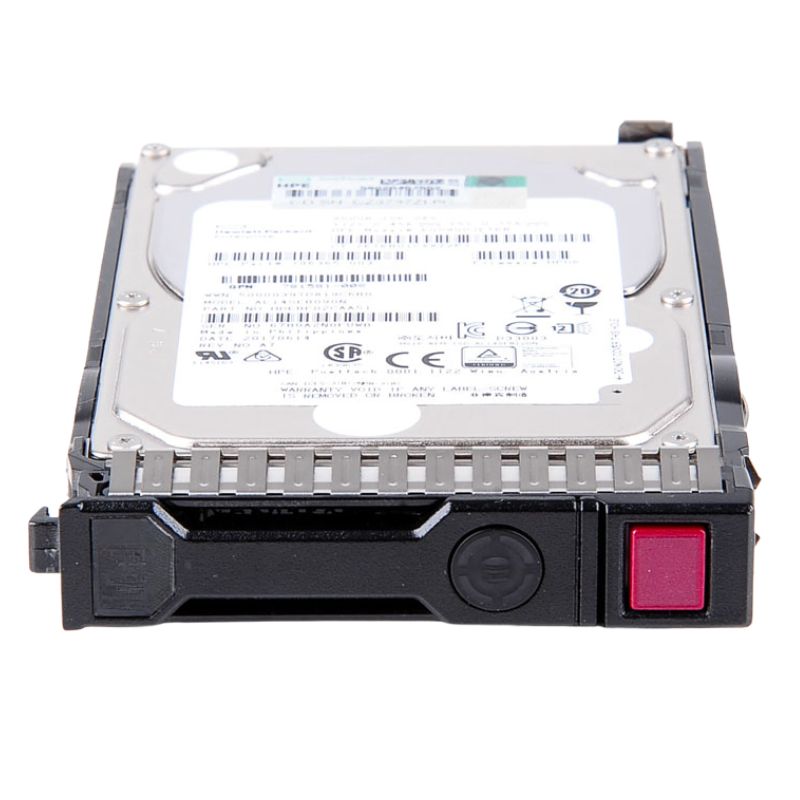


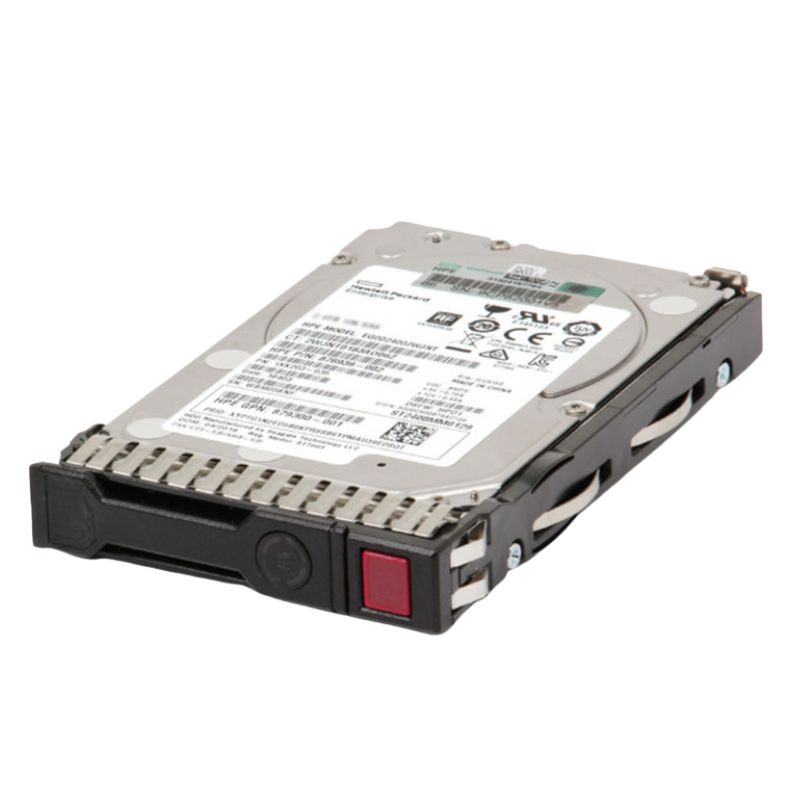
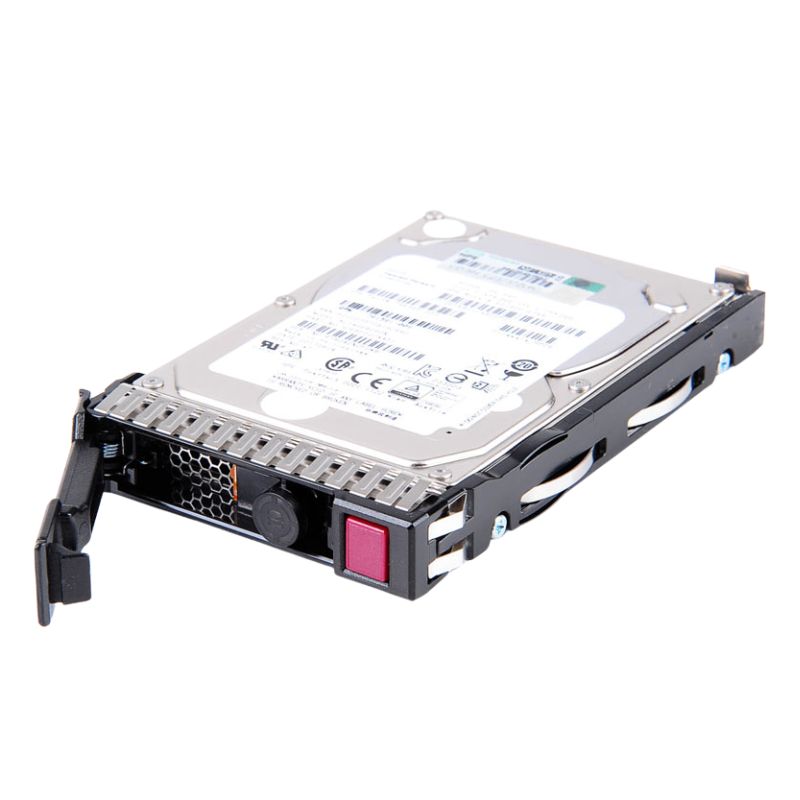
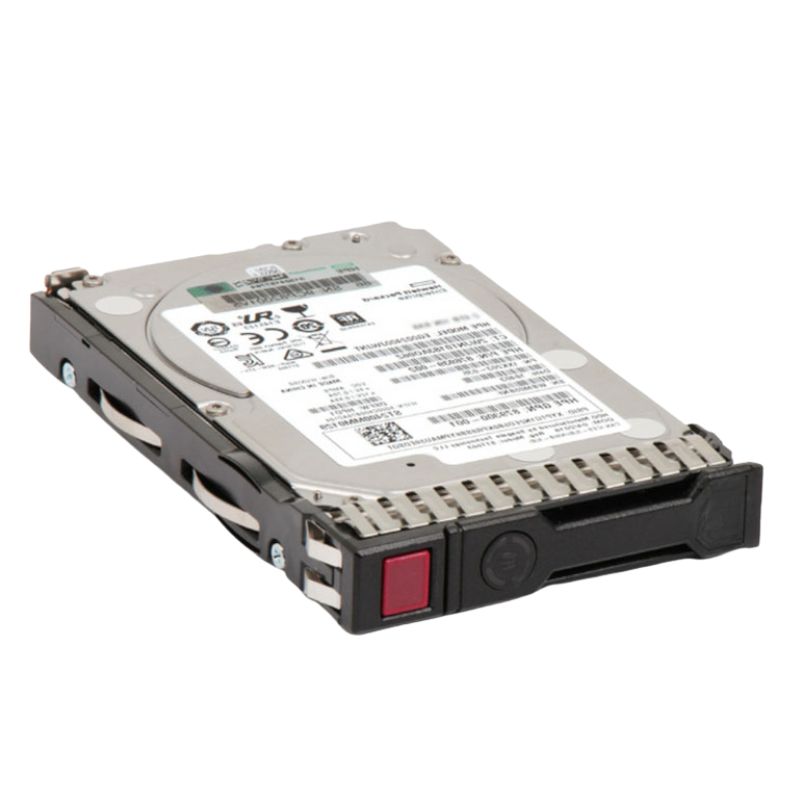
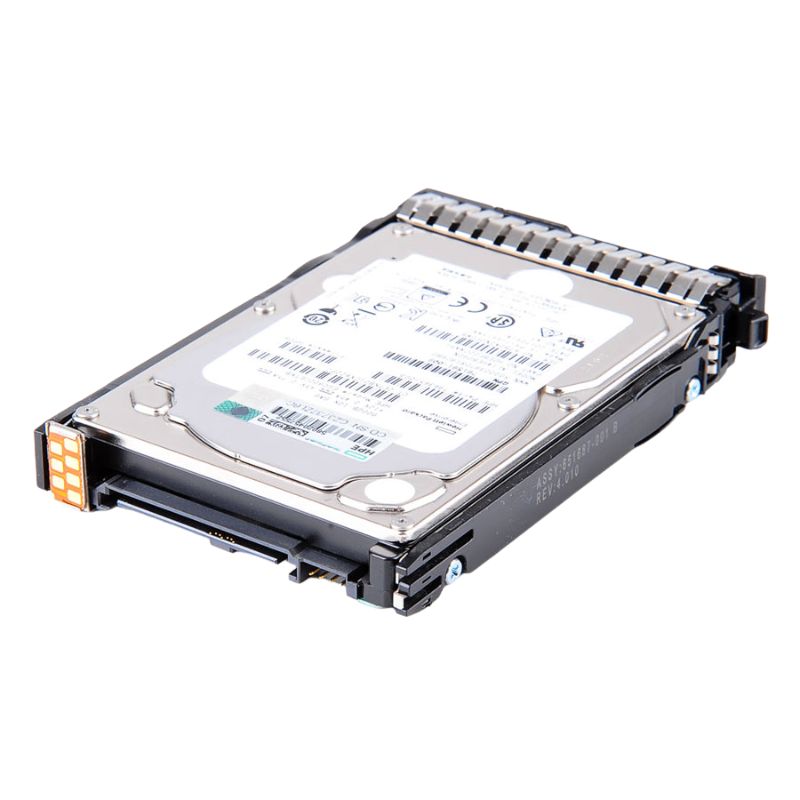
HPE P41551-001 750GB NVMe Gen3 High Performance Low Latency Write Intensive 2.5Inch SFF Bc U.2 P4800x Solid State Drive. Excellent Refurbished with 1 Year Replacement Warranty
The HPE P41551-001 is a high-performance, write-intensive NVMe solid-state drive designed for enterprise-grade servers. Engineered for speed and reliability, it ensures minimal latency and exceptional throughput for demanding workloads.
Optimized for write-intensive applications, the HPE P41551-001 delivers outstanding performance metrics:
This SSD is fully compatible with the following systems and optimized for enterprise workloads:
The HPE P41551-001 750GB NVMe Gen3 solid state drive represents a focused, enterprise-grade storage class engineered for write-intensive workloads where consistent low latency, sustained throughput, and exceptional endurance are required. Built on the NVMe PCIe Gen3 architecture and presented in a 2.5-inch SFF U.2 form factor (Backplane-compatible), this P4800x-series drive is optimized for applications that cannot tolerate performance variability: high-frequency trading platforms, real-time analytics, database logging and transaction engines, virtualized infrastructure write caches, and other critical enterprise services. The drive’s 750GB capacity sits within the sweet spot for organizations who need significant capacity while retaining the specialized endurance and performance characteristics that define write-intensive enterprise SSDs.
Leveraging the NVMe protocol over a PCIe Gen3 physical layer, the P41551-001 minimizes I/O stack overhead and unlocks the parallelism of modern multi-core servers. The U.2 (SFF-8639) 2.5-inch connector and backplane compatibility make the drive straightforward to integrate into standard enterprise chassis and HPE server platforms that support U.2 devices, enabling hot-swap maintenance, effective bay management, and enterprise drive monitoring through OEM firmware interfaces. NVMe Gen3 ensures broad compatibility with today’s server architectures while delivering the low latencies that older SAS or SATA SSDs cannot match.
This P4800x variant is engineered for write-intensive duty cycles, which means its NAND configuration, overprovisioning, and firmware wear-leveling strategies are tuned to support high sustained write workloads. Endurance metrics for write-intensive drives are typically expressed in drive writes per day (DWPD) over a defined warranty period, and while specific figures can vary by revision, the P41551-001 is designed to deliver multi-year reliability under continuous write pressure. Enterprise features such as power loss protection, robust error correction, and controlled thermal behavior reduce the risk of data loss and ensure deterministic performance under heavy load.
Low latency is a critical metric for many enterprise workloads because it directly affects application responsiveness and transaction throughput. The P41551-001 focuses on minimizing both average and tail latencies so that even under high concurrency, percentiles such as p95 and p99 remain tight. For latency-sensitive operations, this yields faster transaction commit times, more predictable database query response, and improved real-time processing. In environments where microseconds matter, replacing older disk technologies or consumer SSDs with a purpose-built NVMe write-intensive drive can produce meaningful performance gains.
The P4800x series is tuned for sustained performance, delivering high sequential throughput for large block transfers and very high random IOPS for small block transactional activity. This balance is essential for mixed workloads where both throughput and IOPS matter: backup/restore windows, streaming writes from telemetry systems, database replication, and log-heavy microservices. Sustained write performance is supported by a combination of premium NAND media, intelligent controller logic, and a firmware stack that prioritizes consistent delivery of bandwidth under continuous operation.
Maintaining predictable QoS is a differentiator for enterprise SSDs. The P41551-001 is built to avoid large performance cliffs when the drive is occupied with background tasks like garbage collection or wear leveling. By controlling and scheduling internal housekeeping to prevent interference with user I/O, the drive helps guarantee that mission-critical services remain responsive even while maintenance tasks are running. Predictable QoS simplifies capacity planning and enables more aggressive consolidation of workloads on virtualized hosts.
Enterprise deployments demand robust management and visibility. HPE’s firmware and drive telemetry provide SMART attributes, endurance estimates, temperature monitoring, and media health metrics that integrate with server management frameworks. Administrators can use HPE tools to monitor drive health, schedule updates, and proactively replace drives before they impact operations. The P41551-001 supports standards for telemetry that enable integration with monitoring stacks, which is essential for maintaining SLAs and preemptive maintenance strategies.
Because the P41551-001 is an HPE-branded part, it benefits from validation with HPE ProLiant and other HPE server families where U.2 NVMe drives are supported. This validation reduces integration risk and often means that hot-swap trays, backplane power delivery, and RAID controller interactions have been tested. For organizations standardizing on HPE platforms, using OEM-qualified drives simplifies procurement, support, and firmware lifecycle management.
In the financial industry, sub-millisecond latency improvements can translate into significant competitive advantage. The low latency characteristics of the P41551-001 make it suitable for order matching engines, market data ingestion, and time-sensitive transaction logs. The assurance of consistent tail latency helps ensure that trading algorithms perform within their expected timing budgets.
Databases that rely heavily on write-ahead logs and synchronous commits benefit from storage that offers both high IOPS and tight latency distributions. The P41551-001 provides the sustained write performance and write endurance necessary for such workloads, reducing the contention on storage subsystems and improving transactional throughput and consistency. Because the drive minimizes variability, database tuning can focus on application layer optimizations rather than compensating for storage unpredictability.
In virtualized environments and hyperconverged systems, high write intensity arises from consolidation, deduplication, and snapshot traffic. A write-intensive NVMe drive like this one can serve as a cache tier or as the primary storage layer for write-hot virtual machine disks, improving VM performance and decreasing boot storm impacts. Coupled with software that supports tiering or intelligent caching, the P41551-001 helps maximize the density of virtual machines per host while preserving end-user performance.
At the edge, data often must be ingested and processed with minimal delay. IoT aggregation points, real-time analytics appliances, and real-time AI inferencing nodes can rely on low-latency NVMe storage to minimize buffer flush delays and provide high availability for temporary or persistent datasets. The compact 2.5-inch U.2 form factor allows edge appliances to pack more storage into constrained chassis while maintaining enterprise manageability.


 Contact Us
 Information
 Catalog
 Solid State Drives (SSD)
 Network Switches
 Hard Disk Drives
 HBA & Controllers
 PC & Servers
 PC & Server Memory
 CPU & Processors
 Network Routers
 Power Supplies
 Tape Drives & Libraries
 Network Devices
 Computer & Network Cables