(7% discount is applied at checkout)
Cart is empty
Your go-to destination for cutting-edge server products


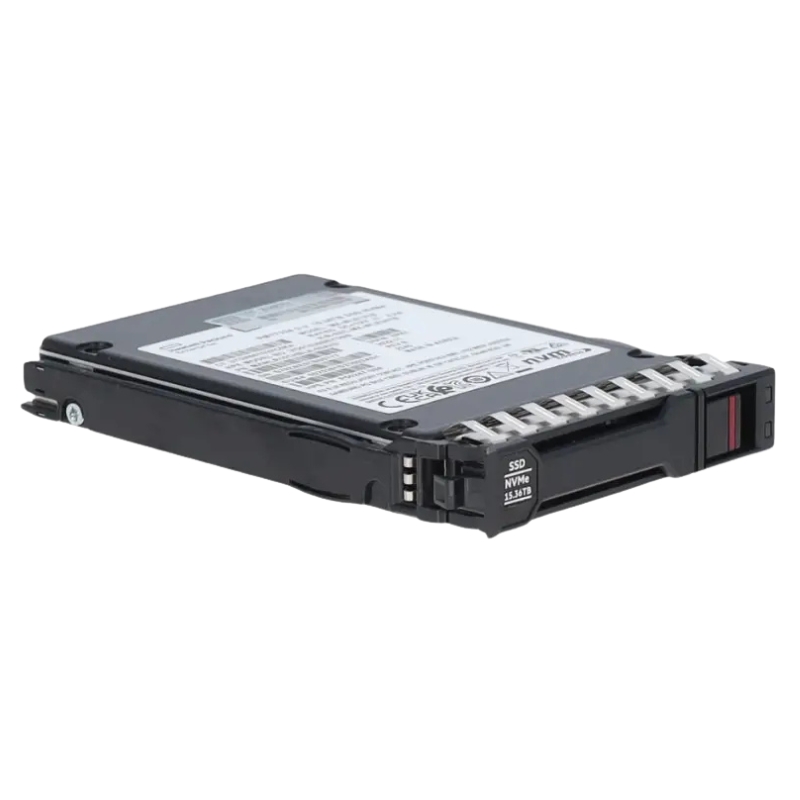
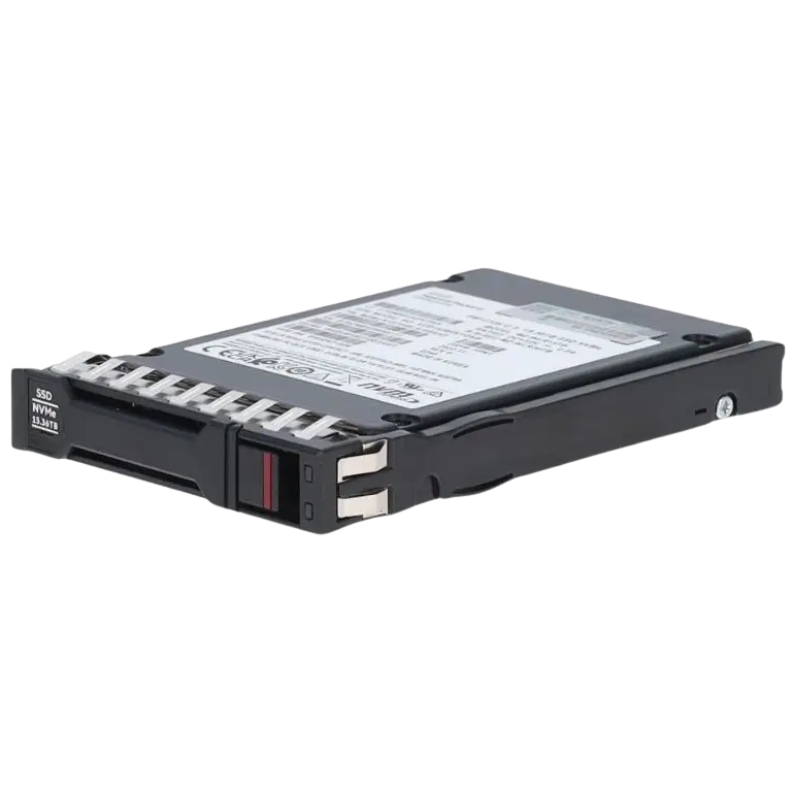
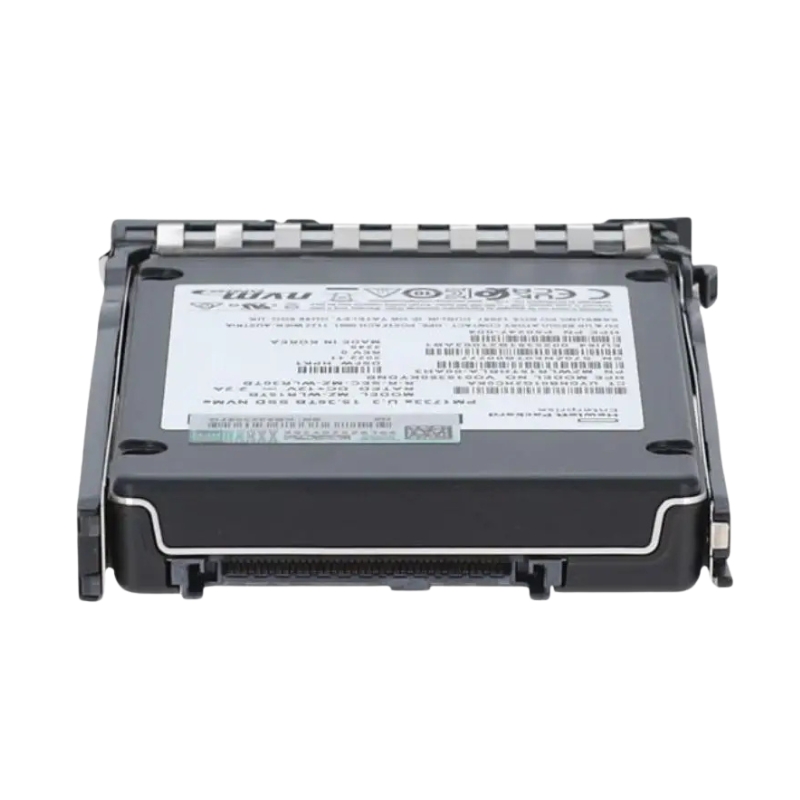
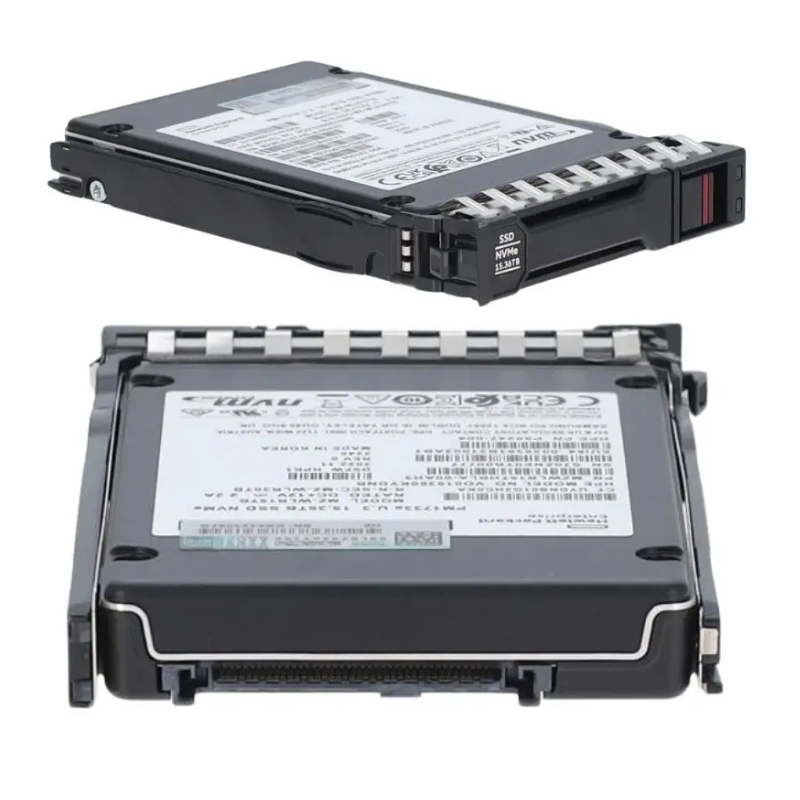
HPE P41566-001 Pm1733 15.36TB NVMe Gen4 High Performance Read Intensive 2.5Inch BC U.3 SSD. Excellent Refurbished with 1 Year Replacement Warranty
The HPE P41566-001 PM1733 15.36TB NVMe Gen4 High-Performance Read-Intensive SSD is engineered to deliver exceptional speed, ultra-low latency, and enterprise-grade reliability for modern data centers. Designed in a compact 2.5-inch U.3 form factor, this solid-state drive is ideal for workloads demanding accelerated read throughput and consistent application responsiveness.
HPE ProLiant Gen10 Plus Compatible Servers
The data storage landscape continues to transform rapidly, and organizations need hardware that can keep pace with modern workloads, large-scale data operations, and infrastructure cost-efficiency requirements. The HPE P41566-001 Pm1733 15.36TB NVMe Gen4 High Performance Read Intensive 2.5-Inch BC U.3 SSD represents a new tier of enterprise storage innovation. Its exceptional NVMe Gen4 architecture, substantial 15.36TB storage capacity, and advanced read-intensive optimization make it a powerful solution for data centers seeking reliability, speed, and scalability. Designed for mission-critical read-heavy applications, this drive delivers groundbreaking throughput, reduced latency, and the durability expected from HPE enterprise hardware.As enterprises continue to adopt digital transformation strategies, they rely on storage components that support demanding workloads such as virtualization, real-time analytics, distributed computing, cloud-native infrastructure, and business intelligence systems. The HPE P41566-001 SSD stands out as a cornerstone product in the high-performance NVMe ecosystem, enabling faster results, higher uptime, and cost-effective lifecycle management. Its U.3 interface, combined with NVMe Gen4 technology, ensures seamless compatibility within advanced server environments, especially HPE ProLiant and Apollo systems.
NVMe storage technology is engineered to remove the bottlenecks associated with traditional storage interfaces, providing direct communication between SSDs and system CPUs via PCIe lanes. With the introduction of NVMe Gen4, performance gains have reached unprecedented levels, doubling the bandwidth compared to the previous generation. The HPE P41566-001 Pm1733 SSD utilizes this new-generation interface to deliver transformative results in throughput, queue depth handling, and latency reduction.
High bandwidth is essential for applications requiring immediate and continuous data access. The NVMe Gen4 interface empowers the HPE Pm1733 SSD to reach performance levels far beyond SATA or SAS alternatives. In read-intensive workloads, the drive sustains high IOPS and optimized read response times, supporting applications such as large-scale databases, server-side caching layers, online transactional processing, and high-frequency data retrieval infrastructures. These capabilities provide enterprises with the speed needed to support critical operations such as AI-driven decision-making, high-volume data ingestion, and multi-user virtualization hosting.
Latency is a decisive factor in ensuring smooth application performance, particularly when large sets of data must be accessed quickly. The HPE Pm1733 series SSD incorporates advanced controllers optimized for NVMe Gen4 protocols. The drive’s architecture significantly reduces queue-based response delays, enhances request prioritization, and ensures predictable write patterns for stable and consistent performance. For organizations that depend on real-time analytics, streaming data services, or low-latency compute operations, this SSD becomes an essential element in the overall infrastructure.
The PCIe 4.0 standard offers increased lane efficiency, allowing data to travel with fewer interruptions and maximizing throughput volume. The HPE P41566-001 leverages this standard to the fullest, ensuring balanced distribution of data requests, improved concurrency for simultaneous operations, and enhanced queue handling. These improvements allow enterprises to deploy applications that process large volumes of data continuously, without the risk of bottlenecks that degrade performance.
Storage capacity is a core component of modern IT planning, especially for organizations experiencing rapid data growth. The HPE P41566-001 Pm1733 SSD provides an immense 15.36TB of storage in a compact 2.5-inch U.3 form factor, offering a significant advantage in density and scalable performance. This level of capacity helps enterprises consolidate storage footprints, reduce rack space usage, and optimize cost per gigabyte without sacrificing speed or reliability.
Big data environments rely on high-capacity drives to store, retrieve, and process information across distributed systems. The HPE Pm1733 SSD, with its large capacity and optimized read-intensive architecture, supports workloads such as predictive analytics, machine learning data sets, reporting engines, and warehousing applications. Its NVMe Gen4 interface ensures that even large volumes of data can be accessed rapidly, enabling seamless integration with modern analytics frameworks and enterprise-grade AI platforms.
High-density server environments demand storage solutions that deliver maximum capacity in limited physical space. The compact 2.5-inch U.3 design of the HPE P41566-001 SSD allows for greater storage per rack unit, reducing the need for additional storage expansion and minimizing overall infrastructure costs. With fewer physical drives required to achieve high total capacity, data centers benefit from improved cooling efficiency, reduced power consumption, and simplified management workflows.
The HPE P41566-001 Pm1733 SSD is classified as Read Intensive (RI), meaning it is specially engineered for workloads dominated by read operations rather than heavy write cycles. Read Intensive drives are ideal for systems where data retrieval far outweighs data modification. This makes the Pm1733 a strategic choice for environments centered on analytics, content delivery, database querying, and operational intelligence systems.
Environments that rely heavily on queries need drives capable of handling thousands of requests per second without performance degradation. The HPE Pm1733 SSD is optimized for high read IOPS, allowing it to support multiple simultaneous queries, large-scale dashboards, and data exploration tools. This ensures that employees, customers, and automated systems can access the information they need without delay.
Read Intensive SSDs deliver predictable performance, especially when access patterns remain consistent. The HPE P41566-001 offers stability across sustained workloads, ensuring that databases, ERP systems, CRM applications, and content repositories operate smoothly. This consistency is particularly valuable for enterprise systems that require continuous availability and predictable response times to maintain business continuity.
The U.3 interface represents an evolution of the U.2 standard, designed to simplify compatibility between different drive protocols. The HPE P41566-001 SSD supports U.3 connectivity, enabling it to be used in systems that support NVMe, SAS, and SATA through backplane switching. This makes the drive particularly versatile and simplifies future infrastructure upgrades.
Unified backplane support allows organizations to deploy different drive types within the same server or chassis. As data centers evolve from SATA and SAS to NVMe-based infrastructures, U.3 connectivity ensures that the HPE Pm1733 SSD integrates smoothly without requiring extensive hardware replacements. This flexibility protects existing investments while enabling the performance benefits of NVMe Gen4.
HPE ProLiant servers are widely known for their compact, efficient, and highly flexible architecture. The P41566-001 SSD is engineered specifically for compatibility with these systems, ensuring simplified installation, firmware optimization, and enhanced manageability. This integration minimizes configuration time, enhances security settings, and ensures sustained drive performance throughout the server lifecycle.
U.3 drives offer improved thermal management by optimizing airflow around the drive chassis. The HPE Pm1733 design further reduces power draw without compromising performance. This results in lower cooling requirements, reduced energy costs, and extended operational life for both the SSD and the server hardware it complements.
Enterprise SSDs must deliver not only speed but also advanced durability and data protection. The HPE P41566-001 Pm1733 SSD includes multiple layers of reliability-enhancing technologies, ensuring data remains secure, accurate, and accessible even in the event of component failures or power disruptions.
Sudden power loss can lead to data corruption or incomplete drive operations. The Pm1733 SSD includes built-in power loss protection mechanisms that secure in-flight data during unexpected shutdowns. This feature is crucial for enterprise systems that cannot risk corruption, such as financial databases, transaction logs, or cloud orchestration platforms.
Although classified as a read-intensive SSD, the HPE P41566-001 is built with enterprise-grade NAND technology that ensures longevity under constant daily use. Its durability, combined with consistent read speeds, ensures that the drive remains a reliable component within large-scale infrastructures for many years, reducing refresh cycle costs and simplifying lifecycle management.


 Contact Us
 Information
 Catalog
 Solid State Drives (SSD)
 Network Switches
 Hard Disk Drives
 HBA & Controllers
 PC & Servers
 PC & Server Memory
 CPU & Processors
 Network Routers
 Power Supplies
 Tape Drives & Libraries
 Network Devices
 Computer & Network Cables