(7% discount is applied at checkout)
Cart is empty
Your go-to destination for cutting-edge server products


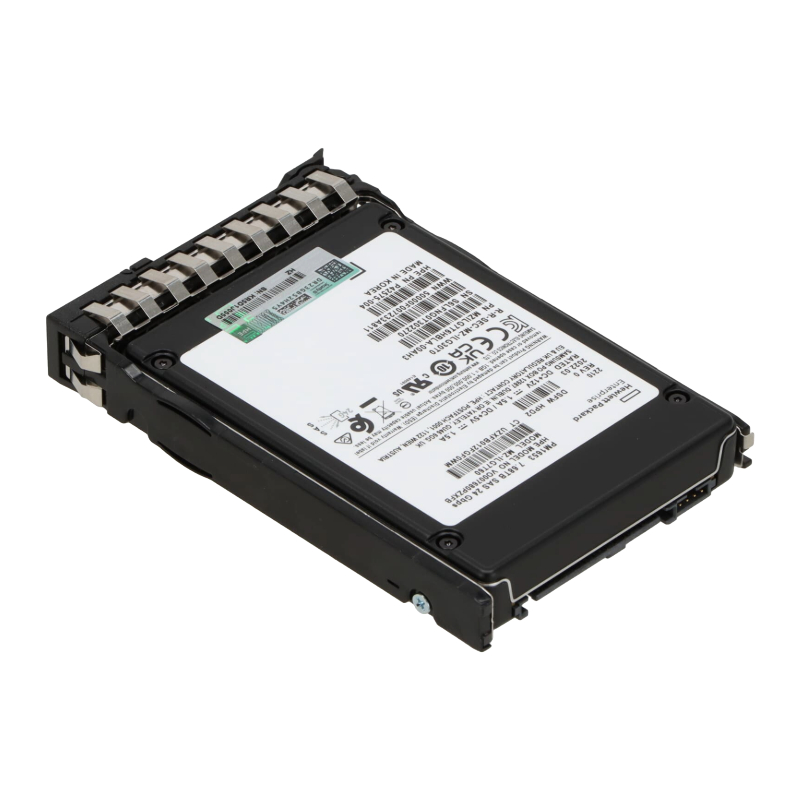
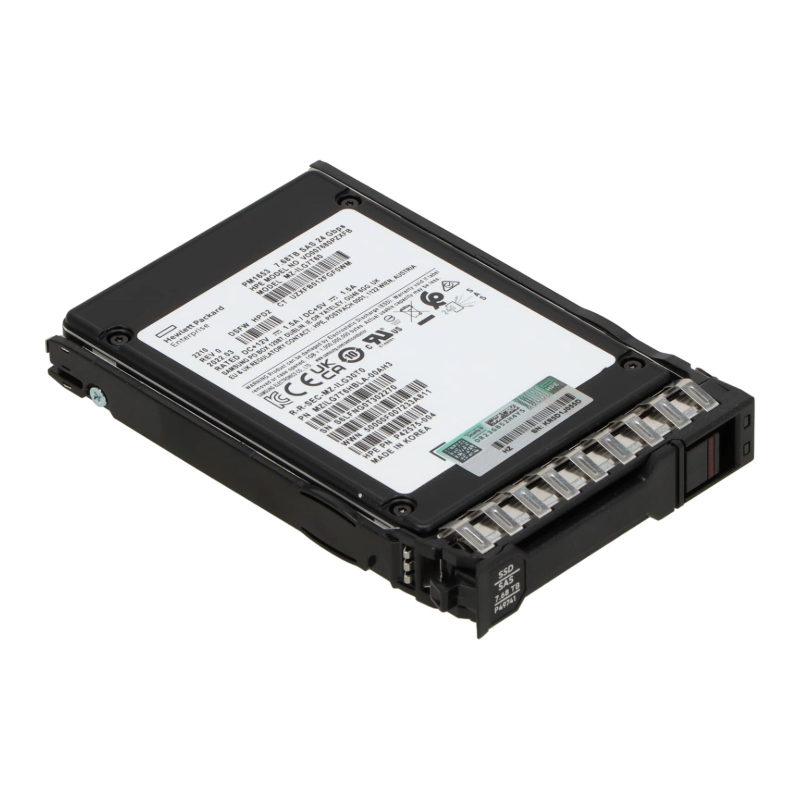
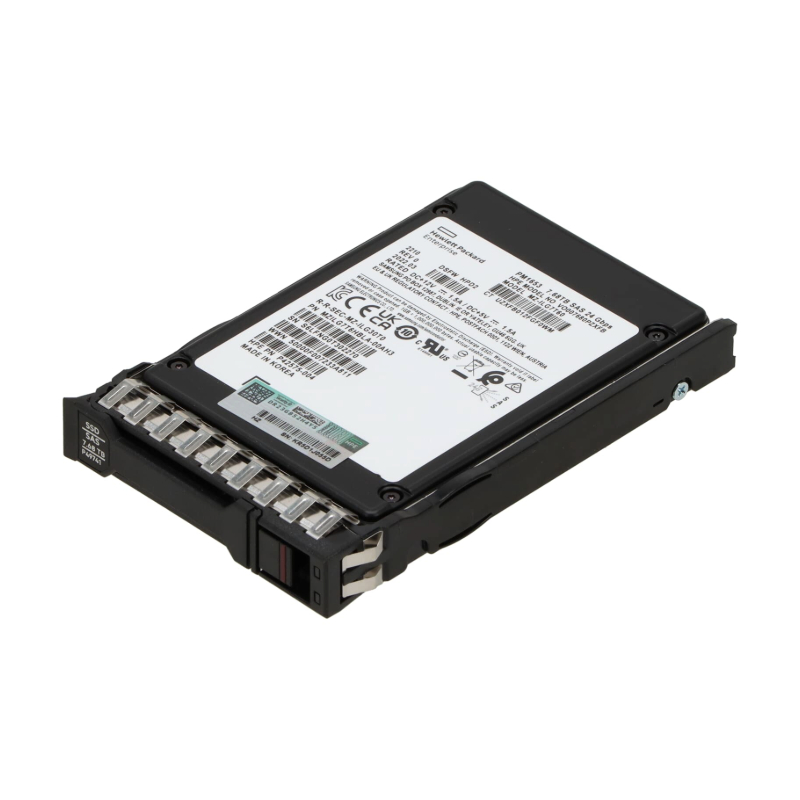
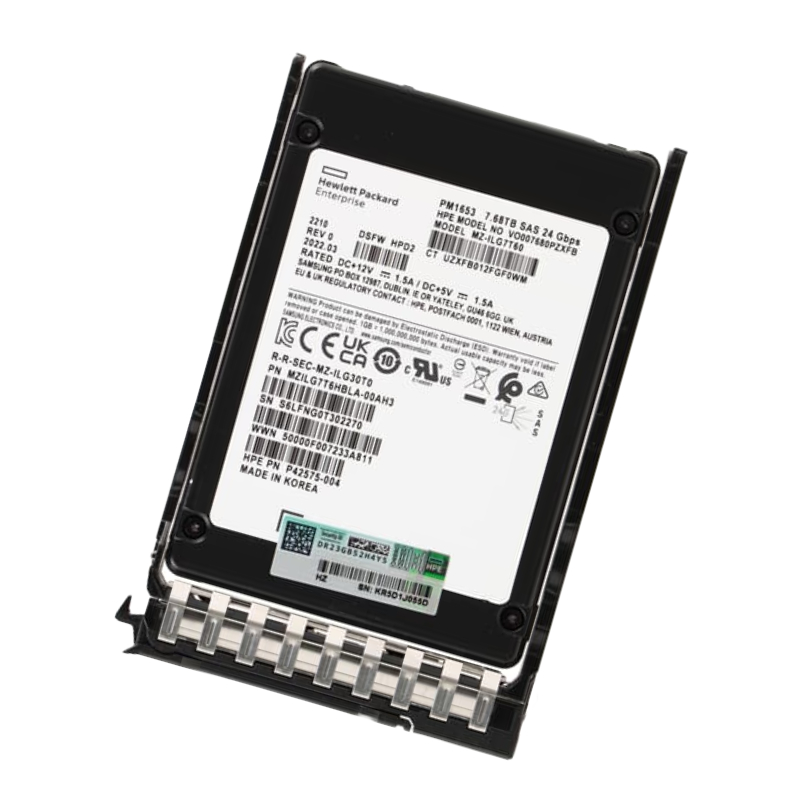
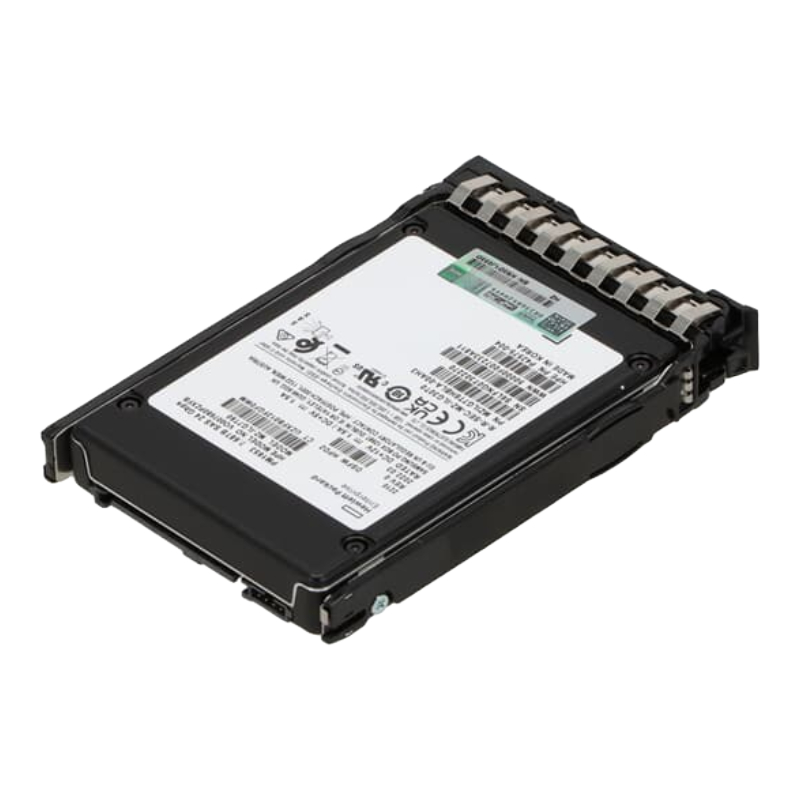
HPE P42575-004 Pm1653 7.68TB SAS 12Gbps 2.5" SFF Read Intensive SC Multi Vendor Hot Swap Digitally Signed SSD With Tray. Factory-Sealed New in Original Box (FSB) with 3 Years Warranty
| SKU/MPN | Warranty | Price | Condition | You save |
|---|---|---|---|---|
| P42575-004 | 1 Year Warranty | $2,375.00 | Excellent Refurbished | You save: $831.25 (26%) |
| P42575-004 | 1 Year Warranty | Contact us for a price | Factory-Sealed New in Original Box (FSB) |
Discover the HPE P42575-004, a high-capacity, enterprise-grade solid-state drive (SSD) engineered for read-intensive workloads. This 7.68TB, 2.5-inch SFF SAS 12Gbps drive delivers rapid random I/O, hot-pluggable convenience and a Smart Carrier tray for seamless integration into HPE servers.
Designed to deliver predictable performance under demanding read workloads:
This drive is validated for a broad range of HPE Gen10 servers and compute modules. It’s a direct fit for numerous ProLiant and Synergy platforms optimized for performance and data-protection solutions.
In the realm of enterprise data storage, the choice of Solid State Drive (SSD) is a critical determinant of overall system performance, reliability, and total cost of ownership. Hewlett Packard Enterprise (HPE) SAS SSDs represent a pinnacle of storage engineering, designed specifically to meet the rigorous demands of modern data centers. The HPE P42575-004 Pm1653 7.68TB SAS 12Gbps 2.5" SFF Read Intensive SSD stands as a prime example within this category, embodying the key characteristics that define HPE's storage philosophy: robust performance, unwavering data integrity, and seamless integration within multi-vendor environments.
The Serial Attached SCSI (SAS) interface has long been the backbone of enterprise storage, and the 12 gigabits per second (12Gbps) generation offers significant advantages for mission-critical applications.
Unlike consumer-grade SATA drives, SAS SSDs like the P42575-004 feature a dual-port architecture. This allows the drive to be connected to two separate host controllers simultaneously. In a redundant storage area network (SAN) or server configuration, if one path fails, the second path remains active, ensuring continuous data availability with zero downtime. This is a non-negotiable feature for applications requiring high availability, such as financial transaction processing, healthcare databases, and real-time customer analytics platforms.
The SAS protocol supports full-duplex communication, meaning data can be read from and written to the drive at the same time, at the full 12Gbps speed on each path. This dramatically improves I/O throughput for mixed workloads. Furthermore, SAS incorporates a more robust command set and error recovery mechanism compared to SATA, allowing the system to manage and correct communication errors more effectively, thereby protecting data integrity across the entire storage fabric.
This specific model is packed with features that cater to the needs of read-centric enterprise workloads. Let's break down its core specifications and their practical implications.
The 2.5-inch Small Form Factor (SFF) is the industry standard for high-density server and storage array configurations. It allows organizations to maximize storage capacity per rack unit, leading to improved space and power efficiency. The 7.68TB capacity point is strategically significant. It offers a substantial amount of fast, accessible storage for large datasets, sitting in a sweet spot for workloads like data warehousing, large virtual machine boot volumes, and content delivery networks. This capacity is achieved using 3D TLC NAND flash memory, which provides an optimal balance of cost, endurance, and performance for its intended read-intensive use case.
Beyond raw performance, enterprise SSDs must incorporate features that guarantee data protection and secure, reliable operation.
The HPE P42575-004 features digitally signed firmware. This is a critical security measure that ensures only authentic, HPE-tested and approved firmware can be installed on the drive. The drive's controller will reject any unauthorized or tampered firmware, protecting the storage infrastructure from malicious code that could lead to data corruption, performance degradation, or complete drive failure. This feature is essential for maintaining system integrity and compliance in secure computing environments.
The inclusion of a "Multi Vendor" hot-swap tray is a significant convenience and compatibility feature. It means this drive is shipped with a universal carrier designed to fit seamlessly into a wide range of HPE ProLiant, HPE Apollo, and HPE Synergy servers, as well as HPE MSA and HPE Nimble Storage arrays. The "Hot Swap" capability allows for the drive to be safely removed and replaced while the server or storage system remains powered on and operational. This facilitates proactive maintenance, rapid capacity expansion, and immediate replacement of a failed unit, all without incurring system downtime.
Enterprise SSDs must handle unexpected power loss gracefully. The P42575-004 is engineered with power loss protection circuits, typically involving onboard capacitors. In the event of a sudden power failure, these capacitors provide enough reserved energy to complete any in-progress writes from the volatile DRAM cache to the non-volatile NAND flash. This prevents data corruption and ensures that the drive's metadata remains consistent. Coupled with advanced Error Correcting Code (ECC) algorithms, the drive can detect and correct a much larger number of bit errors than consumer drives, safeguarding data integrity over the drive's entire lifespan.
An HPE-branded SSD is more than just a commodity component; it is an integral part of the HPE solution stack.
When used in HPE servers and storage systems that are connected to HPE InfoSight, drives like the P42575-004 contribute to a cloud-based AI-driven operations platform. InfoSight collects and analyzes telemetry data from the drive, allowing it to predict potential failures before they occur. This enables IT staff to perform maintenance during scheduled windows, avoiding unexpected outages. It can also provide insights into performance bottlenecks and optimize workload placement automatically.
Using an authentic HPE drive guarantees compatibility with HPE Gen10, Gen10 Plus, and Gen11 server platforms. HPE tests and validates specific drive and firmware combinations with its server BIOS, HPE Smart Array controllers, and HPE System Management tools. This eliminates the guesswork and potential instability associated with using third-party drives. Firmware updates for HPE drives are delivered through standard HPE support channels and can be easily applied via HPE OneView or the HPE iLO (Integrated Lights-Out) management engine.
To fully appreciate the role of the P42575-004, it's important to understand HPE's broader SSD portfolio strategy, which is segmented by workload endurance.
As described, these drives offer the lowest cost per gigabyte within the SAS SSD family and are rated for a lower Drive Writes Per Day (DWPD) value, typically in the range of 1-3 DWPD over the warranty period. They are the ideal choice for the use cases mentioned earlier.
Mixed-Use SSDs are built to handle a more balanced 50/50 read/write workload. They feature higher endurance, often in the 3-10 DWPD range, achieved through higher over-provisioning and more robust controllers. These are suited for general-purpose server workloads, transactional databases (OLTP), and email servers.
At the top of the endurance spectrum, Write-Intensive SSDs are designed for the most demanding write-heavy applications, such as high-frequency trading, write-log caches, and large-scale data logging. They offer the highest DWPD ratings (10+), often utilizing more durable SLC or eMLC NAND, and command a premium price.


 Contact Us
 Information
 Catalog
 Solid State Drives (SSD)
 Network Switches
 Hard Disk Drives
 HBA & Controllers
 PC & Servers
 PC & Server Memory
 CPU & Processors
 Network Routers
 Power Supplies
 Tape Drives & Libraries
 Network Devices
 Computer & Network Cables