(7% discount is applied at checkout)
Cart is empty
Your go-to destination for cutting-edge server products
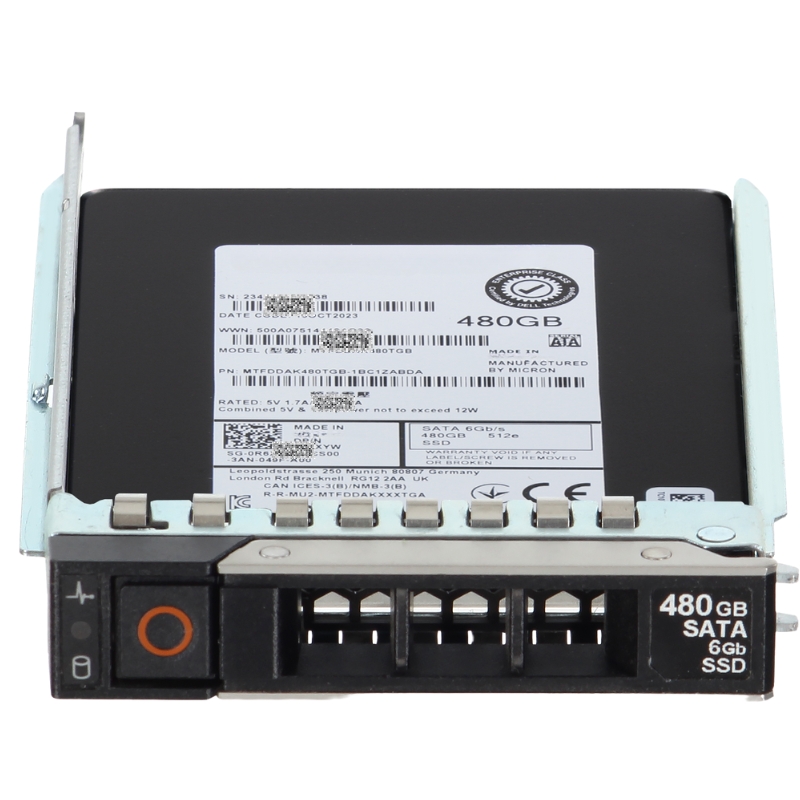


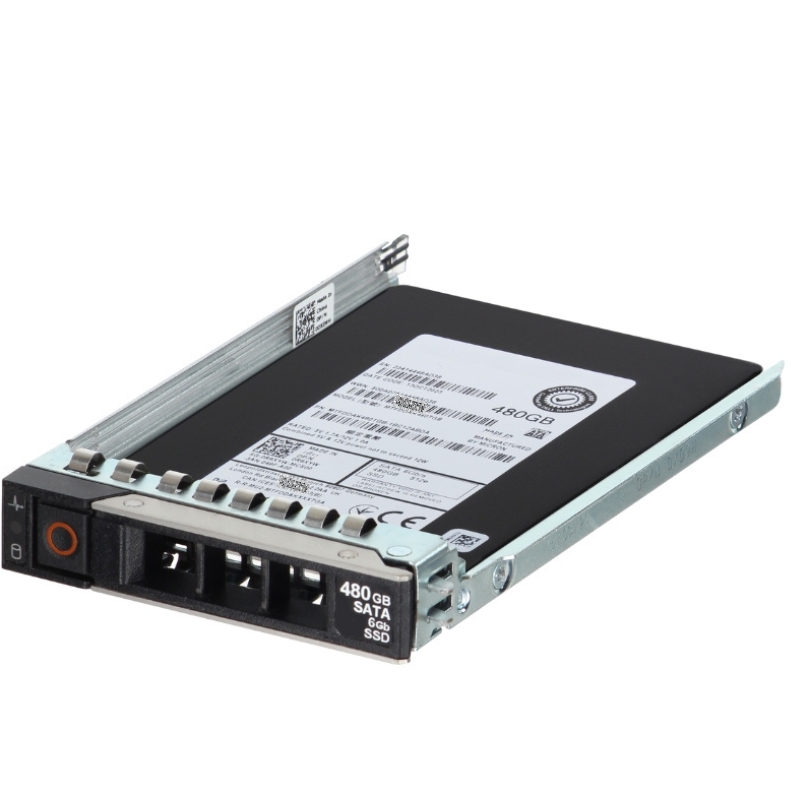
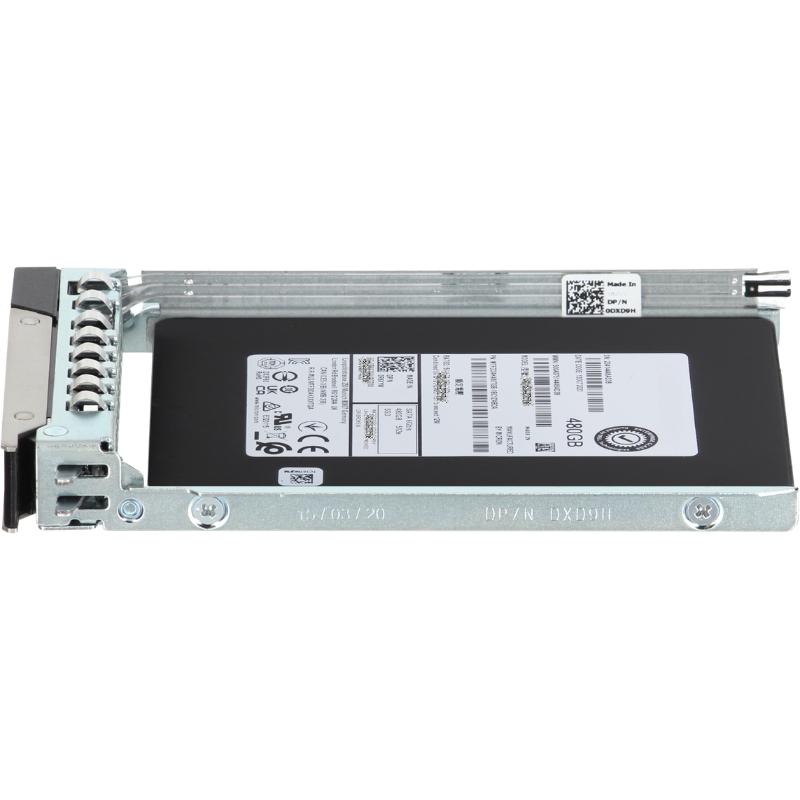
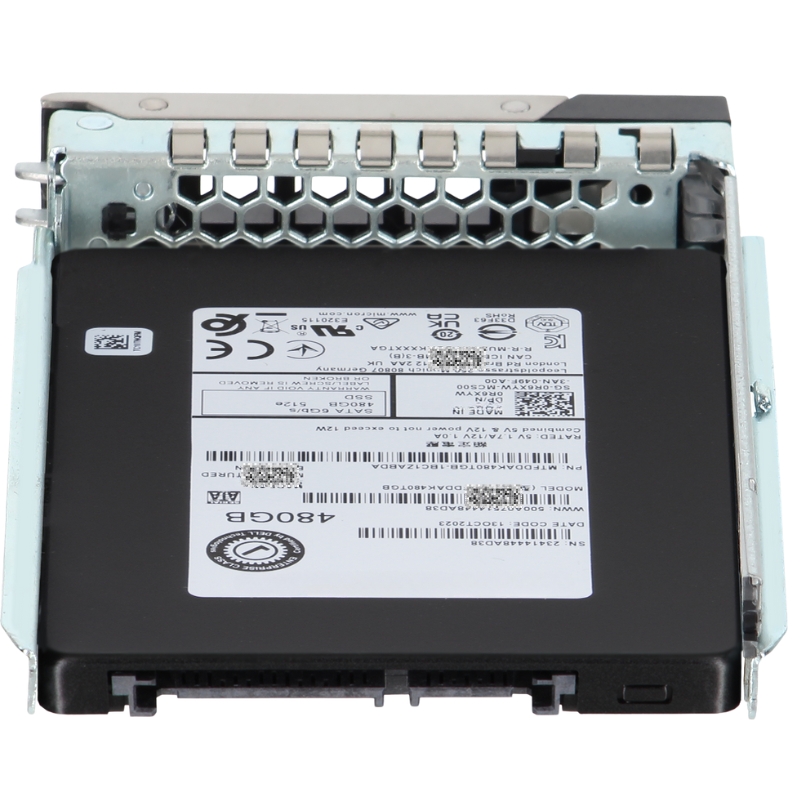
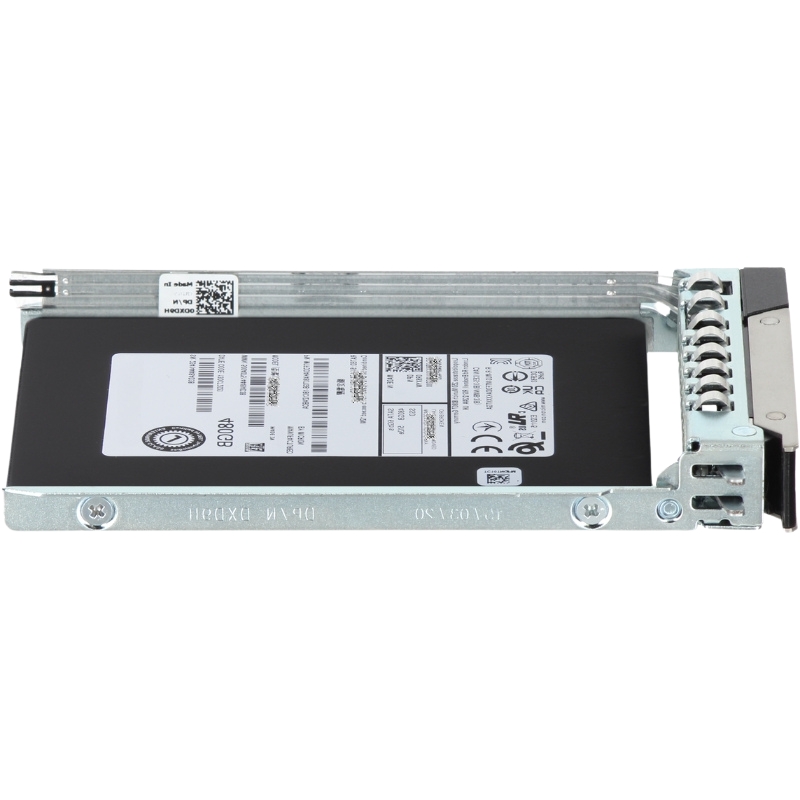
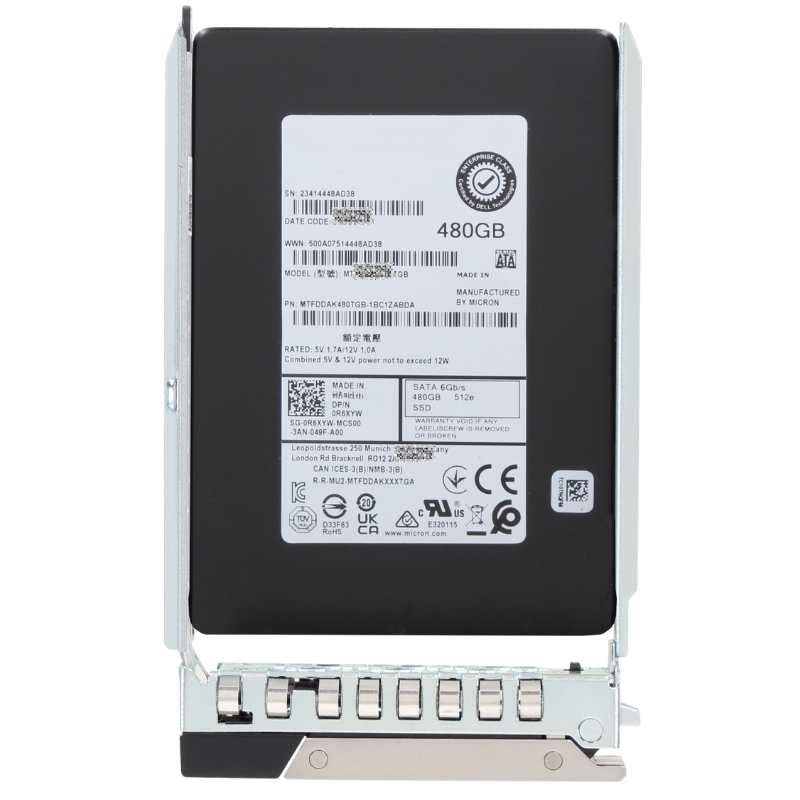
HPE P44007-B21 480GB SATA 6GBPS SFF BC Carrier Read Intensive Hot Swap Solid State Drive. Excellent Refurbished with 1 year replacement warranty
HPE P44007-B21 480GB SATA 6GBPS SFF BC Carrier Read Intensive Hot Swap Solid State Drive represents a class of enterprise SSDs engineered for data center reliability, predictable performance and serviceability. This category focuses on small form factor (SFF) SATA drives with a 6Gb/s interface, carrier-based mechanical compatibility for HPE servers, and firmware tuned for read-intensive workloads. Products in this category are designed to deliver sustained read throughput, low latency under mixed loads, and compatibility with hot-swap drive bays used in modern rack and blade servers.
HPE P44007-B21 and related models come in a Small Form Factor (SFF) 2.5-inch footprint carried in branded carriers to slide directly into HPE hot-swap trays. Carrier compatibility ensures secure electrical and mechanical connections to the server backplane and provides visual and tool-free serviceability for field technicians. Mechanical features include bezel-aligned trays, keyed insertion rails for correct orientation, and front-panel indicators that aid drive identification during maintenance. Compatibility with HPE’s drive bay architecture reduces integration friction and lowers mean time to repair (MTTR) when drives must be replaced in production environments.
Carrier-based serviceability is a core benefit: drives are delivered pre-mounted in HPE-specific carriers with retention latches and alignment pins. This form factor enables hot-swap replacement without shutting down the system, which is critical for maintaining uptime in enterprise clusters. The carriers also standardize airflow channels and thermal behavior across a populated server chassis, ensuring the drive operates within manufacturer-recommended temperature envelopes.
SATA 6GBPS remains widely deployed in enterprise systems where cost-effective sequential read performance and broad compatibility are priorities. The P44007-B21 SATA 3.0 interface in this category supports backward compatibility with legacy controllers while delivering up to 6Gbps theoretical link speed. In practice, optimized firmware and NAND characteristics deliver read-optimized throughput, making these SSDs an economical choice for accelerating read-heavy datasets without the higher cost of NVMe controllers.
Read-intensive enterprise SSDs in this category are tuned to prioritize maximum sustainable read IOPS and throughput while maintaining acceptable write latency for background operations. Typical performance metrics emphasize high 4KB random read IOPS and consistent sequential read throughput for large-file retrieval. Manufacturers tune firmware garbage collection and over-provisioning parameters to protect read performance during extended operation windows and to minimize write amplification that could otherwise degrade read responsiveness.
Drive firmware optimizations aim to reduce tail latency and provide predictable Quality of Service (QoS) under concurrent workloads. Enterprise applications such as database index scans and search query engines are sensitive to latency spikes; read-centric SSDs in this category therefore implement internal scheduling and background maintenance strategies that reduce interruptive operations during peak read activity. The result is a more stable I/O profile for latency-sensitive services.
Endurance ratings for read-intensive drives typically specify a lower drive writes per day (DWPD) target compared to mixed-use or write-intensive enterprise SSDs. This reflects the expected workload: the majority of I/O is read, and writes are relatively infrequent. Still, these drives include sufficient over-provisioning and robust NAND management to support the write patterns of operating system logging, metadata updates, and occasional bulk writes. TBW (terabytes written) or DWPD numbers are provided by vendors to guide suitability assessments for specific deployments.
Selecting the correct endurance class means mapping projected daily writes, replication schedules, and background maintenance activity to the drive’s TBW. For primarily read workloads with bursty writes, a read-intensive class typically provides the best value while meeting lifetime expectations. Enterprises with heavier write funnels—such as intensive analytics pipelines that materialize intermediate results—should consider mixed-use alternatives within the same mechanical and interface family.
Firmware is a distinguishing factor in this category. Digitally signed firmware packages protect the drive from unauthorized or corrupted updates, ensuring that only vendor-verified code executes at the drive level. Multi-vendor digitally signed firmware support increases the flexibility of procurement and replacement, allowing system administrators to source compatible drives from different suppliers while maintaining a trusted firmware chain. This reduces vendor lock-in and streamlines lifecycle management across heterogeneous procurement processes.
Enterprise SSDs often incorporate power-loss protection mechanisms, including onboard capacitors or firmware-level write-back controls, to ensure in-flight data is flushed to persistent storage during unexpected power interruption. Data integrity features such as end-to-end data path protection, advanced ECC (error-correcting code), and media wear monitoring contribute to predictable failure modes and better survivability. These drives also supply SMART attributes and telemetry that integrate with storage management tools to provide proactive health monitoring.
2.5-inch enterprise SSDs in HPE P44007-B21 carriers are designed to work within the airflow and cooling design of rack servers. Thermal characteristics are specified by the vendor; adherence to these specifications is critical for longevity and performance. Proper airflow, correct drive slot population and consistent ambient temperature control mitigate thermal throttling. In high-density deployments, administrators should plan for thermal headroom and monitor per-drive operating temperatures to avoid thermal-induced performance degradation or premature wear.
Best practices include arranging hot and cold aisles correctly, using populated filler panels where drive bays are unused, and verifying that carrier orientation does not obstruct chassis airflow. Some HPE carriers include thermal plates or heatsinking features that improve heat transfer to the server chassis; these design details reduce the risk of thermal throttling in sustained high-read scenarios.
Compatibility with HPE server models, storage controllers and BIOS/firmware revisions should be validated before procurement. The category includes drives specifically engineered and certified for particular HPE storage controllers and server generations, with compatibility matrices published by the vendor. Using certified combinations ensures supportability, firmware interoperability and predictable behavior for features such as RAID, firmware-based encryption and hot-swap signaling.
These drives support common RAID controller interactions and hardware-based HBA (Host Bus Adapter) configurations. For RAID deployments, administrators must account for rebuild times, degraded-mode performance and consistency checks. Read-optimized SSDs can improve read cache hit rates in RAID arrays, but rebuild and resilver operations—especially in large-capacity arrays—require careful planning to avoid unintended performance impacts.
Drive-level security features in this category may include hardware-based encryption, TCG Opal support, and secure erase capabilities. Hardware encryption that is transparent to the host offloads cryptographic operations from the CPU and preserves performance while ensuring data at rest remains protected. Secure erase and cryptographic erase functions enable administrators to decommission drives without risk of residual data leakage, and enterprise-grade drives provide audited processes for data sanitization that comply with regulatory controls.
Organizations with compliance requirements—such as financial services and healthcare—must consider drive sanitization procedures that meet industry standards. Cryptographic erase, when supported, can provide fast, verifiable sanitization. Documentation of sanitization operations and retention of cryptographic keys for auditing purposes are common procedural controls enforced in regulated environments.
Use cases ideally suited for HPE P44007-B21 class drives include caching layers for databases, read-mostly virtualization stores, content delivery and front-end web servers that serve high volumes of static content. Analytical platforms that perform heavy index-only scans and log aggregation systems that primarily consume stored events also benefit from the read-optimized performance profile. Additionally, these drives are well-suited for tiered storage architectures where hot read data is placed on SSDs while colder, write-dominated archives reside on higher-capacity HDD tiers.
In hybrid storage arrays, read-intensive SSDs provide a fast tier to accelerate frequently accessed blocks. Tiering algorithms promote hot data to these SSDs dynamically, improving application response times while keeping overall storage costs lower than an all-flash strategy. SSD-based caching layers in front of HDD arrays reduce read amplification on slower media and deliver a better user experience for read-heavy workloads.
Read-intensive SATA SSDs occupy a value-focused niche between high-performance NVMe flash and high-capacity HDDs. They provide predictable read performance at a lower cost point than NVMe while offering better latency and throughput than spinning media. For deployments where ultra-low latency or extremely high parallelism is required, NVMe remains preferable. Conversely, for cost-sensitive archival or write-heavy workloads, HDDs or write-optimized SSDs may be more appropriate. Choosing the right layer in a tiered architecture ensures each storage medium is used where it provides the most value.
SSDs consume less power and generate less heat compared to equivalent-capacity HDDs under many workload conditions. The lower mechanical complexity also reduces materials and failure rates associated with spinning media. When planning for greener data centers, factoring in SSDs’ energy efficiency along with drive lifetime and recycling options contributes to overall sustainability goals. Vendors often provide information on materials, recyclability, and end-of-life programs for responsible disposal.
Deploying read-intensive SSDs in heavily read-dominated layers can reduce the number of racks required for a given throughput target, lowering the data center’s power and cooling burden. When scaled across many racks, these savings compound into measurable reductions in operational expenses and carbon footprint.


 Contact Us
 Information
 Catalog
 Solid State Drives (SSD)
 Network Switches
 Hard Disk Drives
 HBA & Controllers
 PC & Servers
 PC & Server Memory
 CPU & Processors
 Network Routers
 Power Supplies
 Tape Drives & Libraries
 Network Devices
 Computer & Network Cables