(7% discount is applied at checkout)
Cart is empty
Your go-to destination for cutting-edge server products
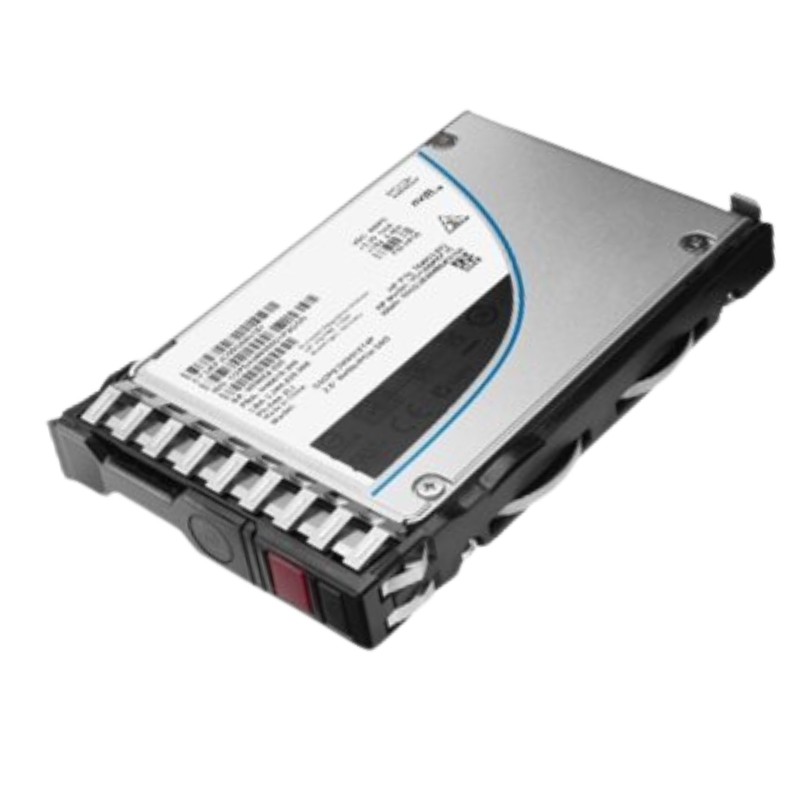


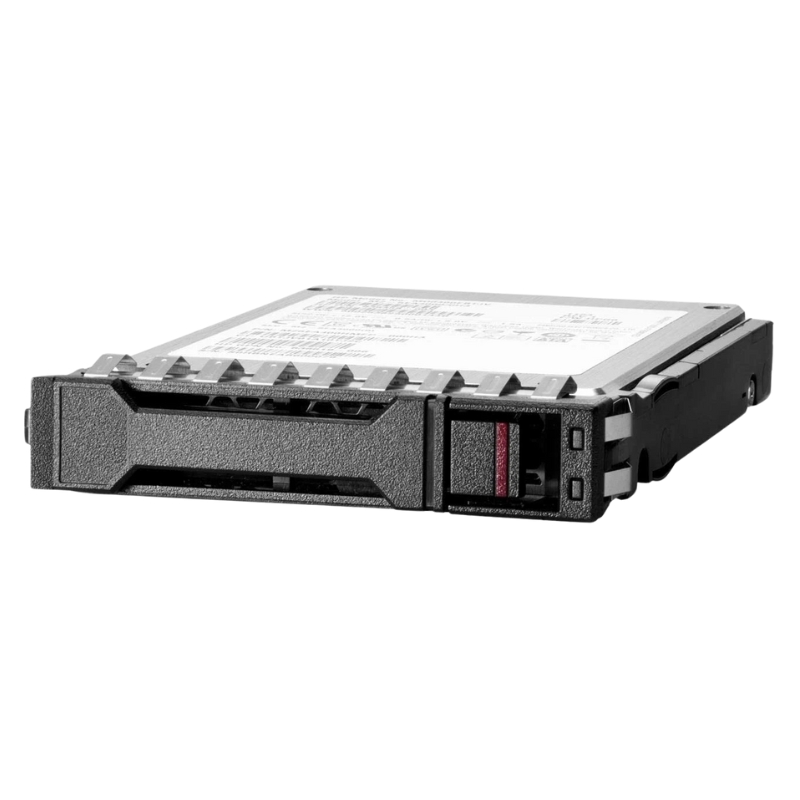
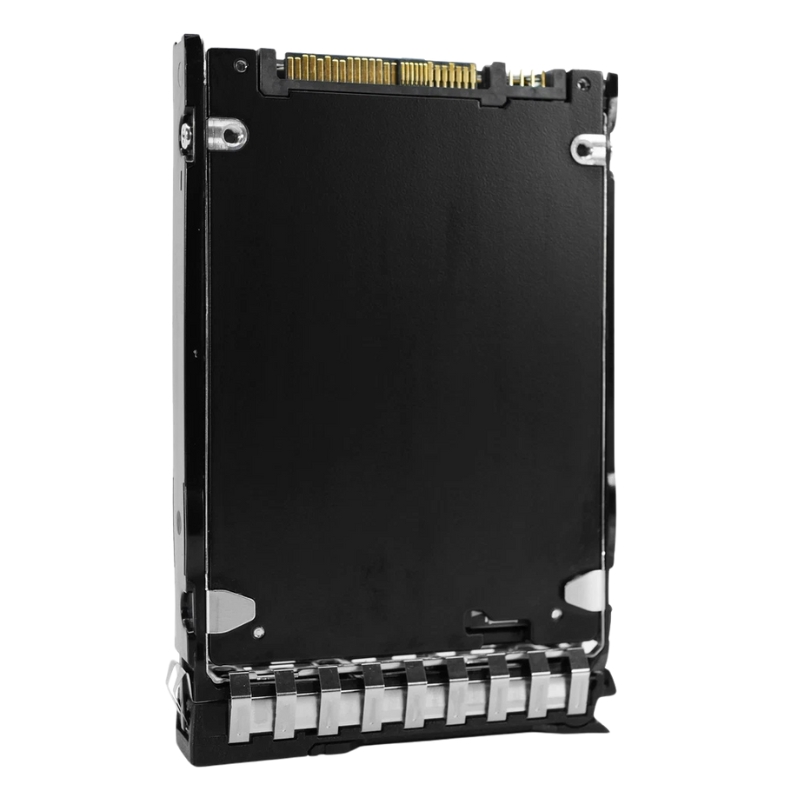
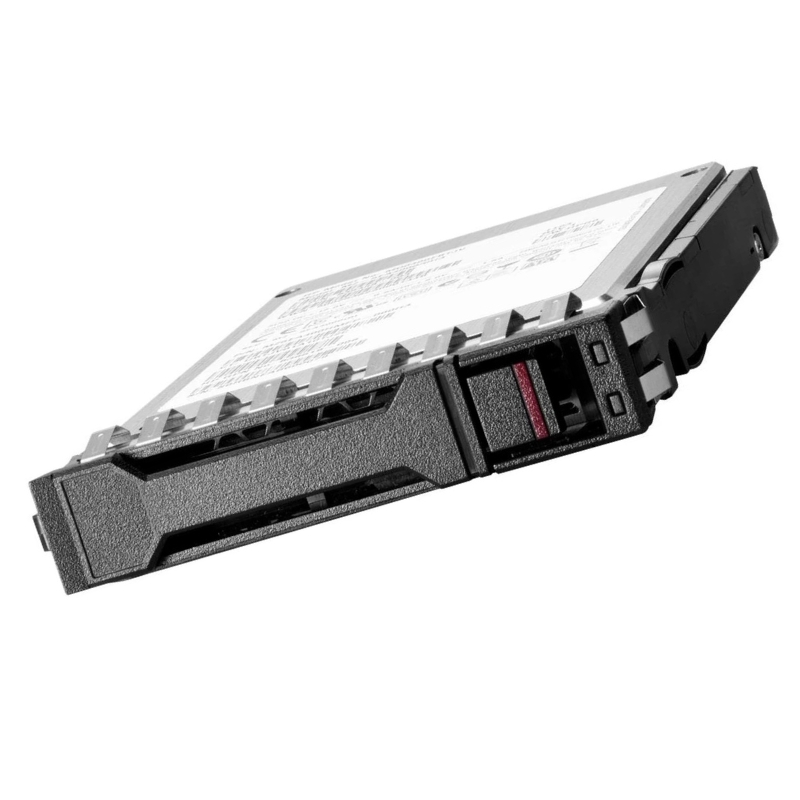
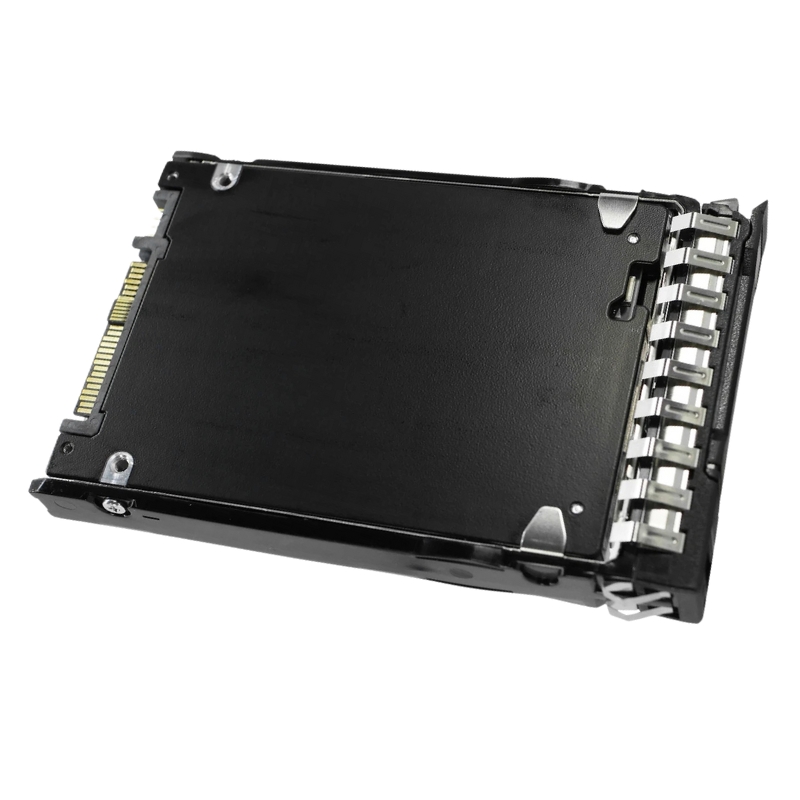
HPE P44779-001 3.2TB Nvme Gen4 High Performance Mixed Use 2.5 Inch SCN U.3 CM6 with Tray Solid State Drive. Excellent Refurbished with 1 year Replacement Warranty
The HPE P44779-001 3.2TB NVMe Gen4 High-Performance Mixed Use SSD is engineered to deliver exceptional speed, durability, and efficiency for modern enterprise servers. Designed with cutting-edge U.3 technology and supported by a 2.5-inch form factor, this SSD ensures reliable data handling and improved throughput for demanding workloads.
This HPE NVMe SSD is fully compatible with the following server lines:
The HPE P44596-B21 3.2TB NVMe Gen4 High Performance Mixed Use 2.5 Inch SCN U.3 CM6 with Tray SSD stands as a powerful storage solution engineered for enterprise environments that require exceptional speed, reliability, and scalability. As part of the broader NVMe Gen4 high‑performance storage category, this model exemplifies the balance between endurance, multi‑workload support, and efficient throughput. The product is designed to accommodate modern data‑intensive operations such as virtualization, AI and machine learning workloads, high‑frequency database transactions, and mission‑critical enterprise applications. Within this category, drives like the HPE P44596-B21 focus on combining cutting‑edge PCIe Gen4 technology with the U.3 interface standard, enabling optimal performance and compatibility across next‑generation HPE ProLiant servers and storage systems. Its mixed‑use classification strikes an ideal balance between write endurance and performance output, making it suitable for a wide range of enterprise workloads that involve both heavy reads and consistent writes.
The transition to PCIe Gen4 NVMe architecture is one of the defining advancements featured in this category. Drives like the HPE P44596-B21 deliver up to twice the bandwidth of PCIe Gen3 SSDs, dramatically improving data processing speeds, daily operations, and system responsiveness. This increase in lane throughput allows businesses to manage larger datasets and perform computation‑heavy tasks without the bottlenecks commonly associated with previous storage generations.
Latency reduction is a major advantage of NVMe Gen4 SSDs. With lower latency and significantly higher Input/Output Operations Per Second (IOPS), this category of storage helps improve the overall performance of applications that depend on rapid data retrieval and processing. Whether running virtual machines, transaction‑heavy databases, or high‑performance computing tasks, the HPE P44596-B21 and similar drives ensure faster response times and smoother operation.
The High Performance Mixed Use classification of the HPE P44596-B21 places it in a category optimized for workloads that demand a balance of read and write operations. This drive is engineered to withstand mixed‑use environments that require consistent durability over time. It offers the reliability needed for enterprise‑grade operations while maintaining the flexibility to support varied applications.
Databases, especially high‑frequency transactional systems, benefit immensely from the high‑performance, low‑latency capabilities of this category. The HPE P44596-B21 ensures smooth handling of structured and unstructured data, reducing indexing time, accelerating queries, and improving overall database efficiency. Applications such as OLTP (Online Transaction Processing), NoSQL operations, and large‑scale analytics require this level of performance.
The 2.5‑inch Small Form Factor (SFF) design with a hot‑swappable tray allows for simple and efficient installation or replacement without system downtime. Data centers can maximize uptime and maintain operational continuity by quickly deploying or upgrading storage devices within active server infrastructures.
Reliability is crucial for enterprise‑grade storage, and the HPE P44596-B21 is part of a category built with enhanced durability, advanced error correction, and robust data protection features. These drives are designed to keep data secure, available, and consistent even in the most demanding environments.
The HPE P44596-B21 belongs to a storage category that emphasizes scalability and flexibility for modern IT ecosystems. Businesses with growing data demands can scale storage resources effectively while maintaining consistent performance.
NVMe Gen4 SSDs provide the foundation required for expanding data center infrastructure. They support high‑density deployments, faster data transfers, and efficient resource utilization while reducing the power consumption needed for large‑scale operations.
High‑performance storage reduces system bottlenecks, allowing processors and memory to operate efficiently. This results in better overall server utilization and improved ROI for enterprise infrastructure investments.


 Contact Us
 Information
 Catalog
 Solid State Drives (SSD)
 Network Switches
 Hard Disk Drives
 HBA & Controllers
 PC & Servers
 PC & Server Memory
 CPU & Processors
 Network Routers
 Power Supplies
 Tape Drives & Libraries
 Network Devices
 Computer & Network Cables