(7% discount is applied at checkout)
Cart is empty
Your go-to destination for cutting-edge server products
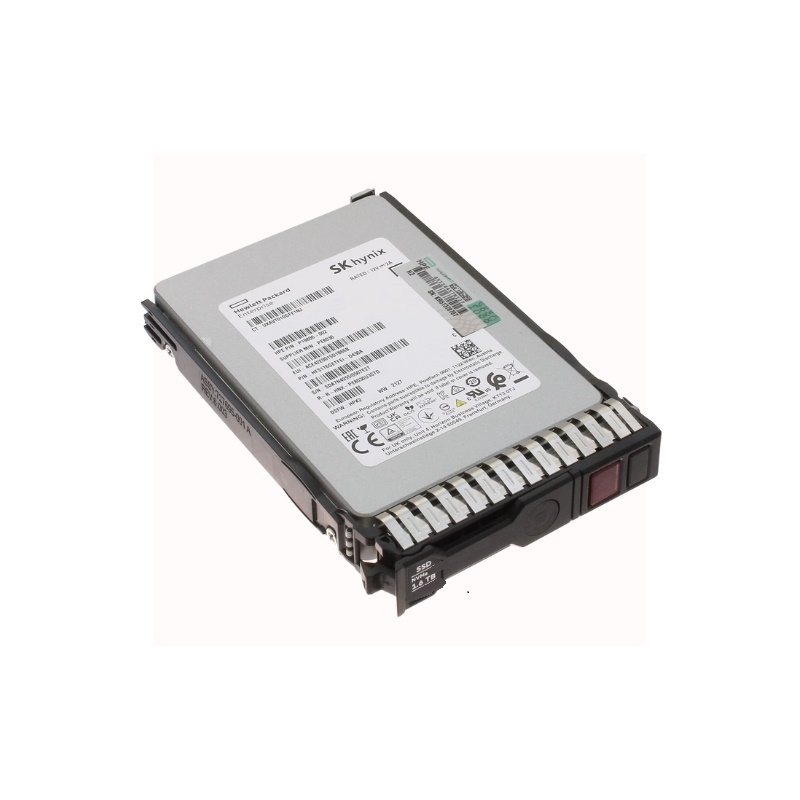


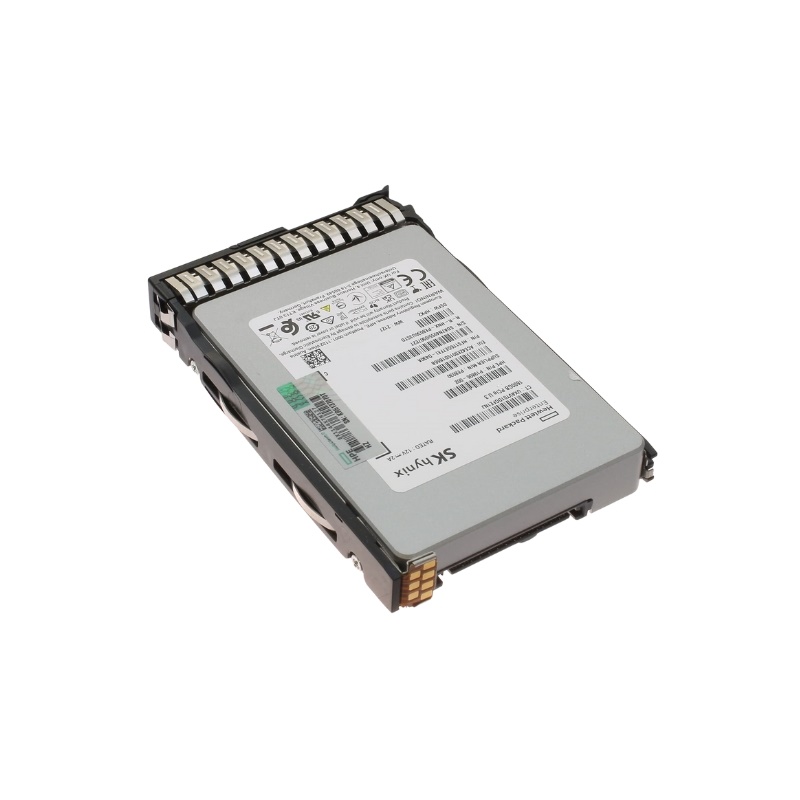
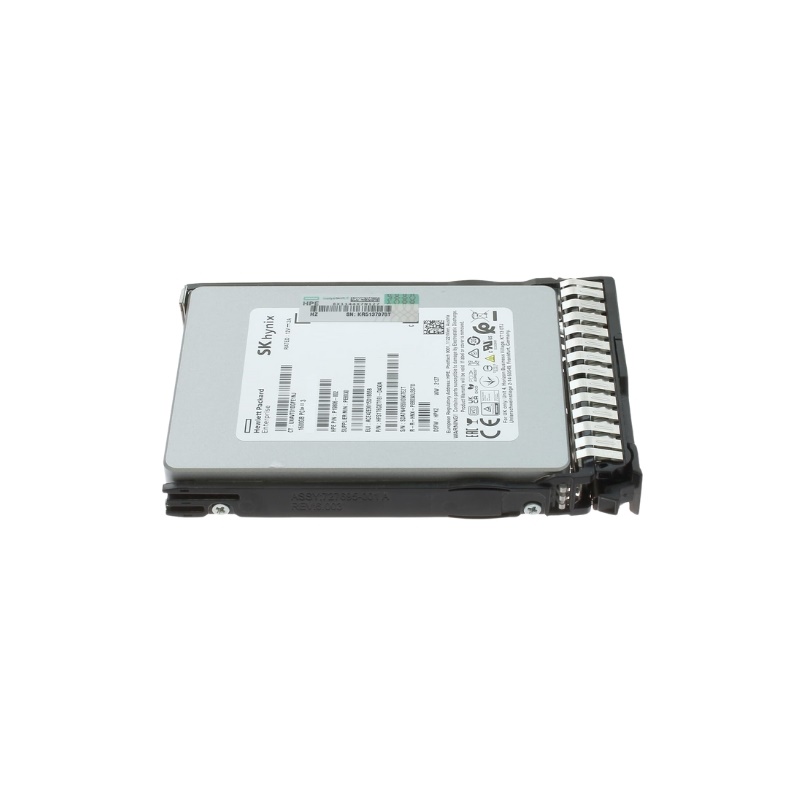
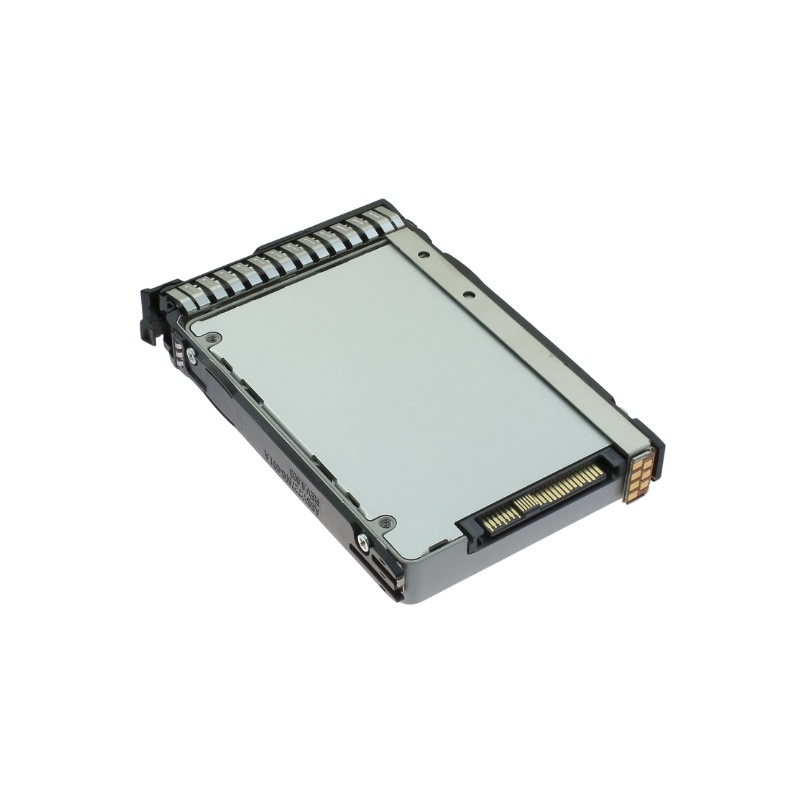
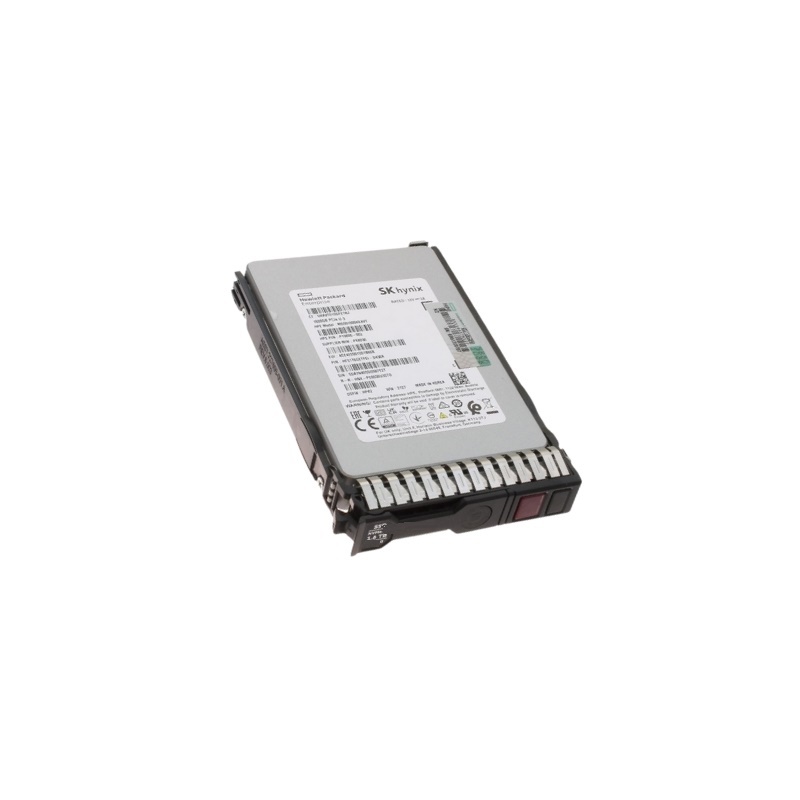
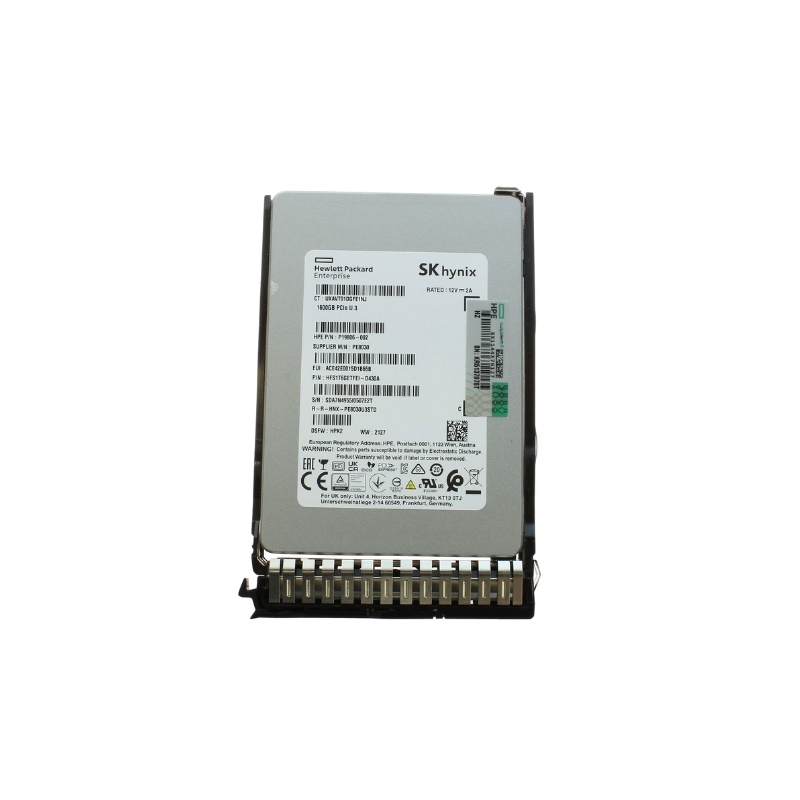
HPE P47838-B21 1.6TB NVMe Mixed Use Gen4 Mainstream Performance 2.5inch Sff BC U.3 Static Multi Vendor SSD for Gen10 Plus Servers. Excellent Refurbished with 1 year replacement warranty
The HPE P47838-B21 1.6TB NVMe Mixed Use Gen4 Mainstream Performance SSD delivers outstanding speed, endurance, and reliability for enterprise-grade applications. Designed with a 2.5-inch Small Form Factor (SFF) and U.3 interface, this solid-state drive enhances storage efficiency and ensures seamless performance across diverse HPE ProLiant server generations.
The HPE P47838-B21 is developed to handle mixed-use workloads efficiently. With advanced NVMe architecture and Gen4 bandwidth, it ensures faster response times, enhanced data handling, and higher throughput compared to traditional SATA-based SSDs.
With lightning-fast read and write speeds, this NVMe SSD delivers next-level data performance ideal for applications requiring high-speed data transfer and low latency. Whether deployed in virtualized environments, cloud computing, or transactional databases, the HPE P47838-B21 ensures optimal reliability and scalability.
The HPE P47838-B21 SSD ensures broad compatibility with multiple generations of HPE ProLiant servers and HPE Synergy systems, supporting smooth deployment and interoperability across hybrid infrastructures.
The HPE P47838-B21 1.6TB NVMe Mixed Use Gen4 Mainstream Performance 2.5-inch SFF BC U.3 Static Multi Vendor SSD represents a class of enterprise-grade storage engineered for balanced performance and endurance. Built to take advantage of PCIe Gen4 NVMe bandwidth, this U.3 form factor drive is targeted at mixed-use workloads where predictable latency, sustained throughput, and resilient endurance characteristics are essential. The 1.6TB capacity places this drive in a sweet spot for many mainstream server and storage-array deployments, offering a balance between cost per gigabyte and usable performance for virtualized environments, database caching layers, application acceleration, and tier-1 storage pools.
This HPE SKU adheres to the 2.5-inch small form factor (SFF) with U.3 connector compatibility, enabling hot-swap operation in modern server bays while supporting backward- and cross-vendor interoperability in multi-vendor environments. The NVMe interface over PCIe Gen4 significantly increases available I/O lanes compared to Gen3, enabling higher IOPS and greater bandwidth for read- and write-intensive operations. The mixed-use designation signals firmware and media optimizations that balance write endurance with cost-efficiency: typical enterprise TLC or QLC NAND selections with enhanced controllers and over-provisioning strategies to sustain consistent performance across the drive's life.
U.3 is the evolutionary successor to U.2 for NVMe drives, offering a standardized connector that can operate in multiple protocols and making the drive easier to deploy across diverse hardware stacks. For data centers that mix vendors or incrementally upgrade infrastructure, the multi-vendor support of HPE P47838-B21 simplifies procurement and lifecycle planning. The drive’s backplane compatibility with U.3 enables hot-plug replacement, easier field serviceability, and integration into both HPE-validated systems and third-party arrays that adhere to U.3 standards.
The 2.5-inch SFF design allows high-density server and storage chassis to pack numerous drives into a constrained footprint, improving rack-level storage capacity while maintaining cooling and power efficiency. These drives are commonly found in high-density storage shelves, blade servers, and converged infrastructure platforms. The smaller physical size reduces the airflow obstruction per bay and allows modern server designs to optimize thermal and power profiles, making SFF NVMe SSDs an efficient building block for modern data centers.
Performance expectations for the HPE P47838-B21 center on Gen4 NVMe benefits: higher sequential throughput, elevated random read and write IOPS, and lower latency under parallel workloads. The drive’s controller and firmware stack will be tuned for mainstream performance, delivering consistent latency for mixed read/write ratios commonly seen in virtual desktop infrastructure, application servers, and OLTP database workloads. While absolute peak metrics depend on system configuration, PCIe Gen4 lanes allow for notable gains over Gen3 drives, especially in sustained sequential transfers and bursty random workloads.
Mixed-use SSDs like the P47838-B21 prioritize a balance between high random read IOPS for responsiveness and robust write paths that prevent performance cliffs during sustained writes. The drive’s firmware will typically include features such as dynamic over-provisioning, host-managed thermal throttling thresholds, and internal garbage collection tuning to minimize latency spikes. For latency-sensitive applications, this SSD provides a predictable I/O tail distribution that helps maintain quality of service at scale.
Sequential throughput is often leveraged for bulk data movement, backup staging, and large-file streaming. Gen4 NVMe enables higher sequential MB/s figures than prior generations, which is beneficial when the workload demands sustained streaming or throughput-bound operations. Random throughput, expressed in IOPS, is critical for database index lookups, metadata-heavy file systems, and VDI environments. The mixed-use design ensures that both sequential and random characteristics remain strong across a wide range of I/O sizes.
Enterprise SSD endurance is measured in drive writes per day (DWPD) or terabytes written (TBW) over the warranty period. The HPE P47838-B21’s mixed-use classification suggests an endurance rating that supports moderate to heavy write cycles yet remains cost-effective. Reliability mechanisms typically include power-loss protection capacitors or firmware-based flush strategies to preserve data integrity during unexpected power events. Error correction code (ECC), background media health scans, and SMART telemetry provide early indicators of drive wear and maintain data integrity throughout the product’s lifecycle.
To maximize usable life while maintaining predictable performance, mixed-use SSDs implement advanced wear-leveling algorithms paired with over-provisioning. The controller maps writes across the available NAND to avoid early failure of any particular block and reserves hidden spare blocks to replace worn-out cells. This approach smooths performance over time and extends the drive’s operational window, which is particularly important in multi-tenant or virtualized environments where write patterns can be unpredictable.
End-to-end data protection ensures that data moving through the SSD’s internal buffers is committed safely to NAND or flushed to the host in the event of sudden power loss. Many enterprise-class HPE drives include capacitive hold-up or firmware safeguards that prevent data corruption and ensure that metadata structures and mapping tables remain consistent. This reduces the risk of silent data corruption and enables more predictable recovery scenarios for mission-critical applications.
The HPE P47838-B21 is well suited for a broad range of mainstream enterprise workloads. In virtualized server farms and private cloud platforms, the SSD serves as a primary performance tier for VM boot volumes, high-transaction databases, and write-optimized caching layers. Storage arrays can use these drives as hot tiers for frequently accessed datasets or as part of hybrid configurations where SSDs front a larger spinning-disk capacity. Hyperconverged infrastructure benefits from the drive’s balance of performance and endurance when leveraging local NVMe pools for distributed caching and metadata operations.
Transactional database systems require low latency and high random IOPS. Mixed-use NVMe drives are frequently used for primary database storage or as log devices to accelerate commit times. Their sustained write performance and predictable latency characteristics help maintain consistent query response times under concurrent access from many clients. For database administrators, the P47838-B21 can be a cost-effective option to accelerate database indices, temporary tablespaces, and caching layers.
VDI environments experience intense bursts of I/O during login and boot storms. Drives that provide strong random read performance and consistent latency are essential to prevent user experience degradation. The drive’s mixed-use tuning helps it absorb bursty behavior while maintaining responsiveness across many concurrent sessions. With appropriate array design and caching strategies, the drive dramatically reduces login times and desktop responsiveness issues compared to traditional HDD tiers.
Media production and content delivery pipelines benefit from higher sequential throughput for transferring large video files and delivering high-bitrate streams. While these scenarios sometimes push drives to sustained write or read patterns, Gen4 NVMe bandwidth and robust thermal/throughput management in the P47838-B21 make it a strong candidate for edge caches, ingest nodes, and intermediate render scratch spaces in media workflows.
Before deploying the HPE P47838-B21, compatibility checks with server firmware, RAID controllers, HBA drivers, and hypervisor platforms are essential. U.3 form factor compatibility reduces many integration hurdles, but system-level firmware updates may be necessary to unlock Gen4 throughput or to ensure proper drive identification and management through vendor-specific management tools. HPE system firmware will typically validate the drive for optimal operation in HPE-branded servers; however, the multi-vendor label implies cross-platform support when used in industry-standard U.3 backplanes and NVMe controllers.
Enterprise storage firmware updates often include performance and compatibility improvements, bug fixes, and security hardenings. Managing firmware versions across a fleet of P47838-B21 drives through centralized tooling reduces risk and helps maintain consistent behavior during maintenance windows. Additionally, ensure that OS and hypervisor NVMe drivers are up to date to best leverage Gen4 improvements and NVMe features such as namespace management and telemetry reporting.
High-performance NVMe drives operate at higher thermal envelopes than spinning media. Ensure adequate airflow, appropriate drive sled design, and chassis-level cooling to avoid sustained thermal throttling that can impact IOPS and throughput. HPE and other OEM chassis often provide thermal profiles and guidelines for NVMe deployment densities; follow these recommendations to maintain performance headroom during peak loads and to prolong NAND life by avoiding elevated operating temperatures.


 Contact Us
 Information
 Catalog
 Solid State Drives (SSD)
 Network Switches
 Hard Disk Drives
 HBA & Controllers
 PC & Servers
 PC & Server Memory
 CPU & Processors
 Network Routers
 Power Supplies
 Tape Drives & Libraries
 Network Devices
 Computer & Network Cables