(7% discount is applied at checkout)
Cart is empty
Your go-to destination for cutting-edge server products
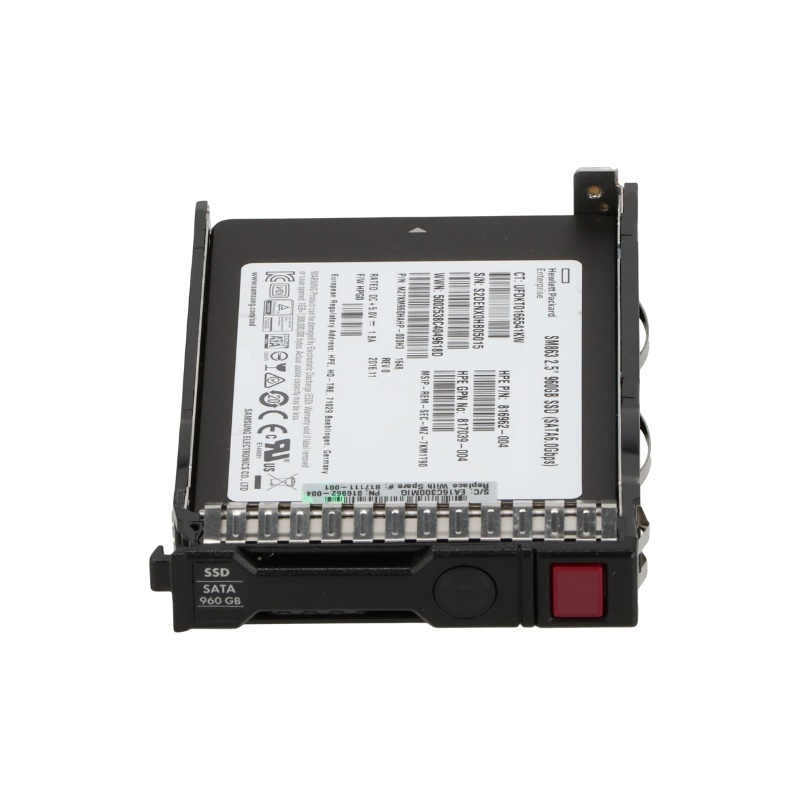


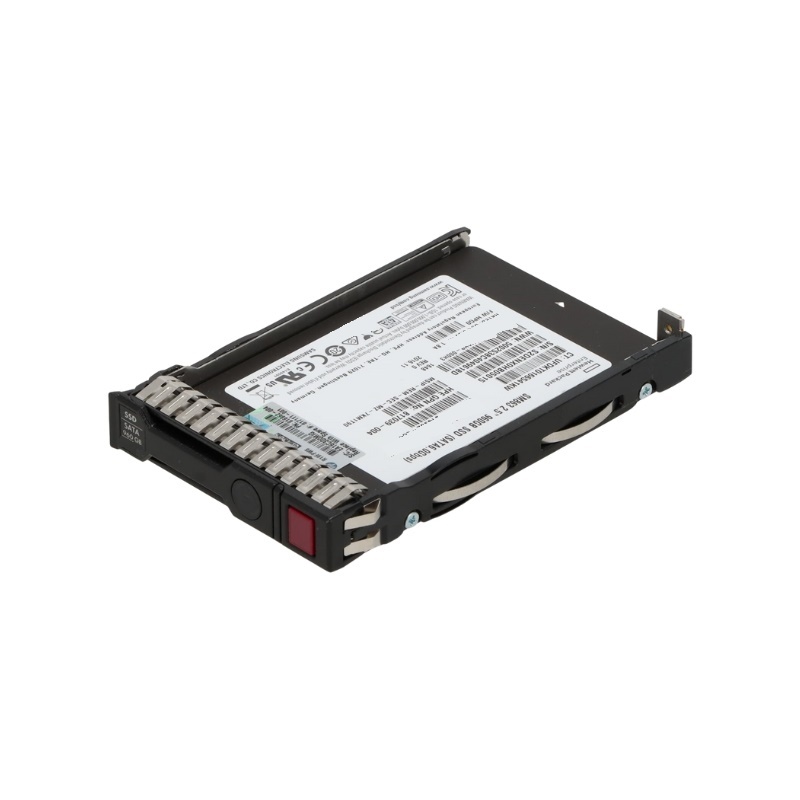
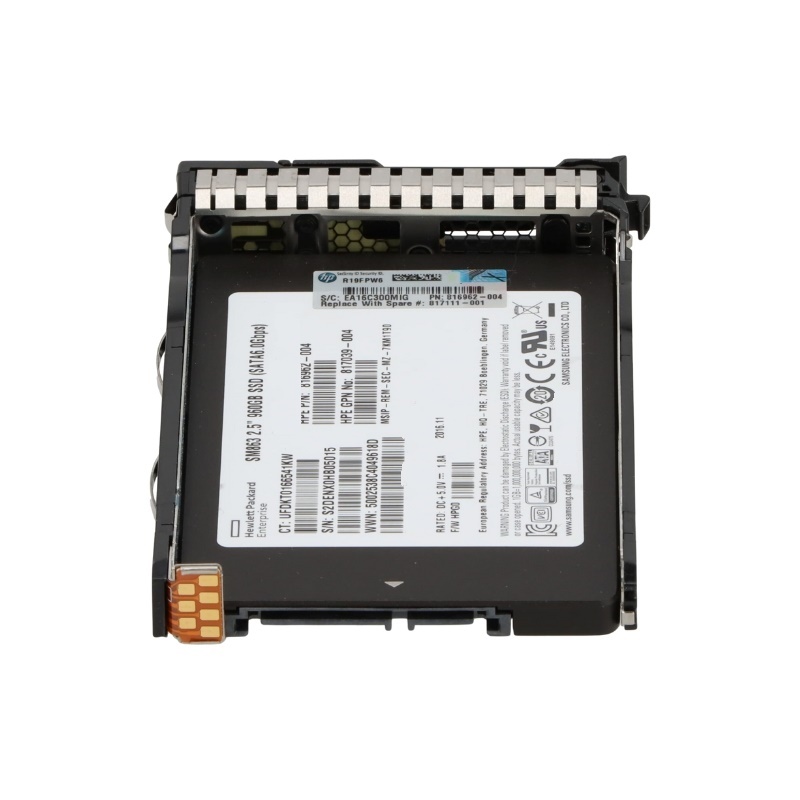
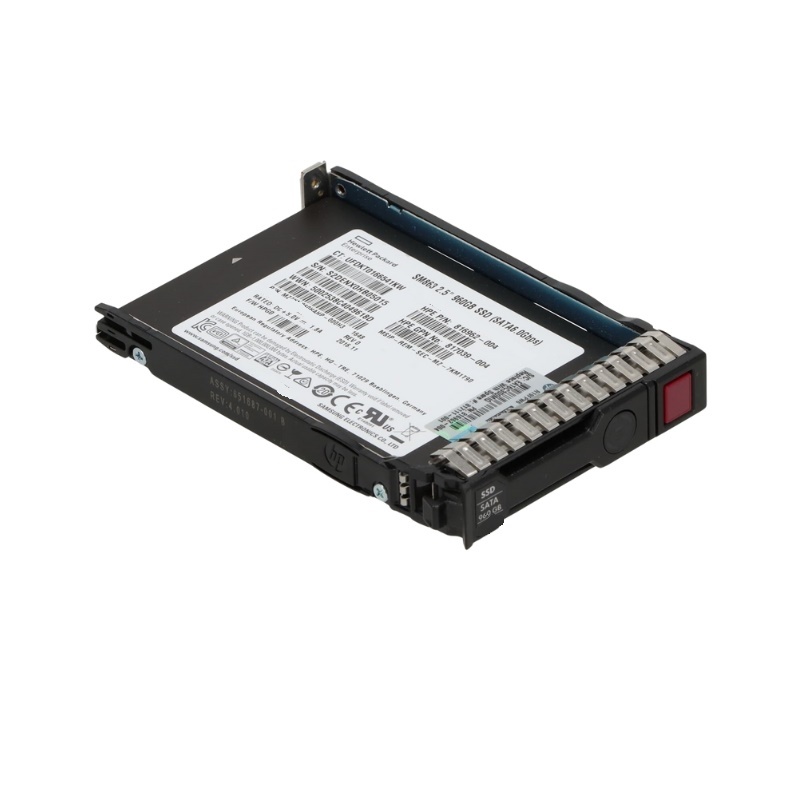
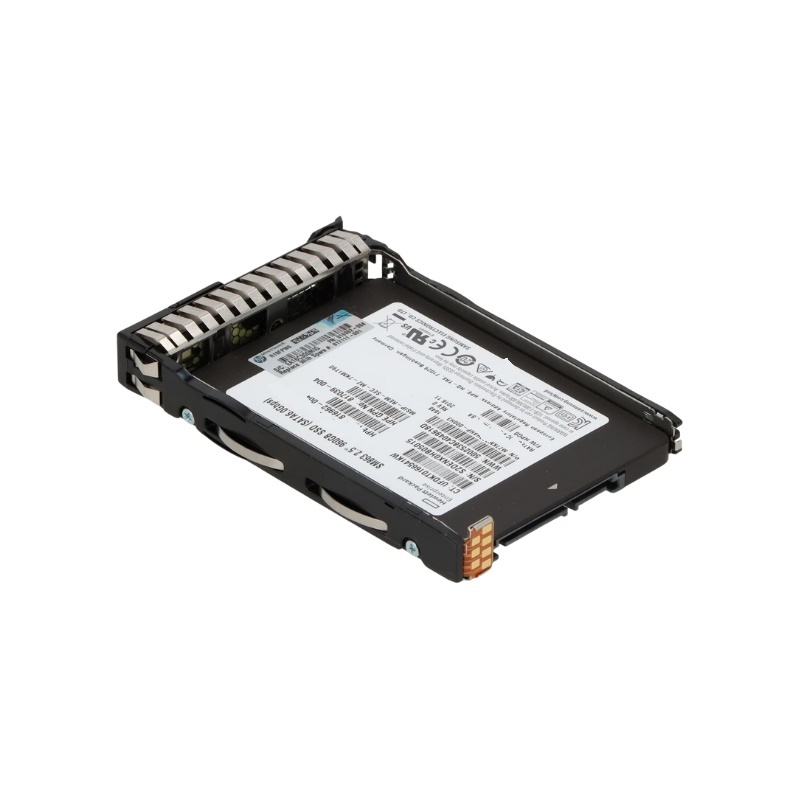
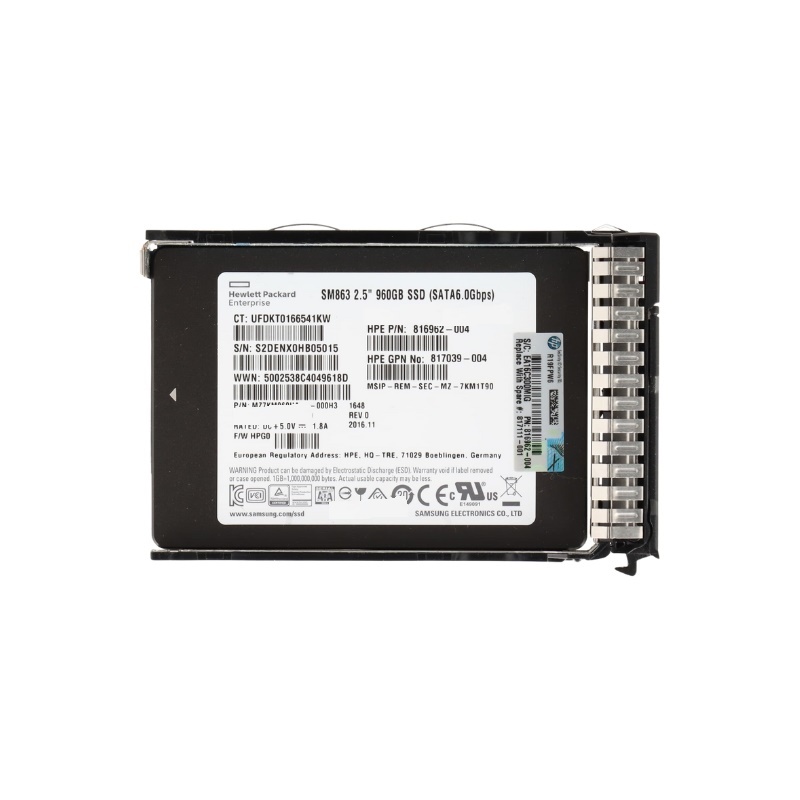
HPE P48132-001 Solid State Drive 960GB SATA 6GBPS SFF TLC SC Hot Swap. Excellent Refurbished with 1 year replacement warranty
| SKU/MPN | Warranty | Price | Condition | You save |
|---|---|---|---|---|
| P48132-001 | 1 Year Warranty | $284.00 | Excellent Refurbished | You save: $99.40 (26%) |
| P48132-001 | 1 Year Warranty | $760.00 | Factory-Sealed New in Original Box (FSB) | You save: $266.00 (26%) |
Discover the high-performance HPE P48132-001 960GB SATA Solid State Drive, engineered for reliability and speed in enterprise servers. This hot-swappable SSD is ideal for mixed-use workloads, delivering superior performance and efficiency.
This SSD is compatible with a wide range of HPE servers and storage modules, ensuring seamless integration and optimized performance.
The HPE P48132-001 represents a crucial category in enterprise storage solutions: hot-swappable solid state drives designed specifically for HPE server environments. This 960GB SATA SSD falls within the performance-optimized storage tier, balancing cost-effectiveness with the substantial performance benefits of flash storage over traditional hard disk drives. As part of HPE's comprehensive storage ecosystem, this drive is engineered to meet the rigorous demands of modern data centers, cloud infrastructure, and enterprise applications where reliability, performance, and serviceability are paramount.
Enterprise SSDs constitute a specialized category of storage devices designed for continuous operation in business-critical environments. Unlike consumer-grade SSDs, enterprise models like the P48132-001 feature enhanced endurance, power-loss protection, advanced error correction, and specialized firmware optimized for 24/7 operation. This particular model occupies the sweet spot in the storage hierarchy, providing substantial capacity while maintaining the performance characteristics necessary for most enterprise workloads.
Within HPE's extensive storage portfolio, the P48132-001 serves as a workhorse SATA SSD, positioned between entry-level read-intensive drives and premium NVMe solutions. It delivers optimal performance for mixed-use cases where both read and write operations occur frequently but don't require the extreme performance of PCIe-based storage. This strategic positioning makes it an ideal choice for cost-conscious enterprises seeking to modernize their storage infrastructure without compromising on reliability or performance.
The 960GB capacity point represents a carefully chosen balance between storage density and performance characteristics. This capacity is sufficient for operating systems, applications, and moderate datasets while maintaining consistent performance across the entire storage array. The 2.5-inch Small Form Factor (SFF) design ensures compatibility with a wide range of HPE server platforms, from rack-mounted servers to blade systems, maximizing deployment flexibility in diverse data center environments.
Measuring 100.2mm x 69.85mm x 7mm, this SFF drive conforms to industry-standard dimensions, ensuring seamless integration into HPE server drive bays and storage enclosures. The hot-swap capability allows for maintenance and expansion without system downtime, a critical feature for always-on enterprise environments. The drive's mechanical design includes appropriate mounting holes and connector placement for secure installation in HPE's specially engineered drive carriers.
Utilizing the SATA 6Gbps interface, this SSD delivers maximum theoretical transfer speeds of 600MB/s, fully saturating the SATA III bandwidth in optimal conditions. The interface choice reflects a strategic balance between performance requirements and cost considerations, making it suitable for a broad range of enterprise applications where the extreme speed of SAS or NVMe isn't necessary but traditional hard drive performance is insufficient.
The SATA 6Gbps interface provides several advantages in enterprise environments, including broad compatibility with existing server infrastructure, simplified implementation, and cost-effectiveness compared to SAS alternatives. While not offering the dual-port redundancy of SAS interfaces, the SATA implementation in the P48132-001 includes enhanced error correction and reliability features that make it suitable for many business-critical applications.
The Triple-Level Cell (TLC) NAND flash architecture represents the technological foundation of this SSD, storing three bits of data per memory cell. This design achieves higher storage densities and lower cost per gigabyte compared to Single-Level Cell (SLC) and Multi-Level Cell (MLC) alternatives, while still delivering performance characteristics suitable for enterprise workloads. HPE has implemented sophisticated wear-leveling algorithms and over-provisioning to mitigate the inherent endurance limitations of TLC NAND.
In enterprise deployment scenarios, TLC NAND requires careful management through advanced controller technology and intelligent firmware. The P48132-001 incorporates these enterprise-grade enhancements, including dynamic wear leveling, bad block management, and read-retry algorithms that ensure data integrity throughout the drive's operational lifespan. The implementation of TLC technology in this context demonstrates how consumer-derived flash technology can be adapted for enterprise requirements through proper engineering and validation.
The hot-swap functionality represents a critical enterprise feature that enables drive replacement, addition, or removal without powering down the entire server system. This capability significantly enhances system availability and simplifies maintenance operations. The P48132-001 incorporates specialized circuitry and firmware that properly manages the electrical and data integrity aspects of hot-swap operations, preventing data corruption and ensuring smooth integration into live storage arrays.
HPE's implementation of hot-swap technology includes staggered pin connections that ensure proper grounding and power sequencing during insertion and removal. The drive's firmware works in conjunction with HPE's Smart Array controllers and system management software to properly quiesce I/O operations, prepare the drive for removal, and seamlessly integrate new drives into existing RAID sets or storage pools. This comprehensive approach to hot-swap functionality distinguishes enterprise SSDs from their consumer counterparts.
Enterprise SSDs must withstand continuous write operations throughout their operational lifespan. The P48132-001 is engineered with this requirement in mind, featuring advanced wear-leveling algorithms that distribute write operations evenly across all available memory cells. This prevents specific cells from wearing out prematurely, thereby extending the overall lifespan of the drive. The drive's firmware also includes sophisticated garbage collection and TRIM support optimized for enterprise workloads.
The P48132-001 carries a specific Terabytes Written (TBW) rating that quantifies its endurance capability over the product lifespan. This rating, determined through extensive testing and modeling, provides enterprises with predictable lifespan expectations for capacity planning and warranty purposes. The actual TBW exceeds typical consumer SSD ratings, reflecting the enterprise-oriented design and component selection.
Unexpected power loss represents a significant risk for data integrity in storage systems. The P48132-001 incorporates power loss protection circuits that provide sufficient temporary power to complete in-progress write operations and commit data from volatile buffers to non-volatile storage. This feature prevents data corruption and maintains filesystem integrity during unplanned power events, a critical requirement for business-critical applications.
Beyond power loss protection, this SSD implements multiple layers of data protection, including end-to-end data path protection, advanced error correction codes (ECC), and cyclic redundancy checks (CRC). These mechanisms work together to detect and correct errors that may occur during data transmission and storage, ensuring the highest levels of data integrity expected in enterprise environments.
The P48132-001 delivers consistent performance across both sequential and random access patterns, making it suitable for diverse workload types. Sequential read and write speeds approach the theoretical limits of the SATA 6Gbps interface, while random I/O performance significantly exceeds that of traditional hard drives. This balanced performance profile enables the drive to handle everything from large file transfers to database operations with equal competence.
Input/Output Operations Per Second (IOPS) represents a critical performance metric for enterprise storage. The P48132-001 maintains high IOPS across varying queue depths, demonstrating consistent performance under different load conditions. The drive's architecture includes sufficient parallel NAND access and controller processing power to sustain high IOPS levels even during extended periods of heavy utilization.
Consistent low latency is a hallmark of enterprise SSDs, and the P48132-001 delivers predictable response times across diverse workload conditions. The drive's quality of service (QoS) characteristics ensure that performance remains within defined parameters even during peak utilization, preventing performance degradation that could impact application responsiveness. This predictable performance is essential for meeting service level agreements in production environments.
Enterprise applications are particularly sensitive to tail latency – the occasional long-duration I/O operations that can disrupt application performance. The P48132-001 implements several firmware-level optimizations to minimize tail latency, including intelligent background operation scheduling, advanced queue management, and prioritized command processing. These optimizations ensure that even under heavy load, the drive maintains responsive performance characteristics.
Enterprise storage must operate reliably across diverse software environments, and the P48132-001 supports a wide range of operating systems and hypervisors commonly deployed in enterprise data centers. This includes comprehensive support for Windows Server, Linux distributions, VMware ESXi, and other mainstream virtualization platforms. The drive's compatibility extends to both legacy and modern operating systems, ensuring deployment flexibility.
HPE provides regularly updated drivers and firmware for the P48132-001, accessible through the HPE Support Center and integrated into HPE's Service Pack for ProLiant (SPP). These updates deliver performance enhancements, security patches, and compatibility improvements, ensuring the drive remains current with evolving software environments and threat landscapes. The firmware update process includes validation checks to prevent incompatible updates that could disrupt operations.
The 960GB capacity and balanced performance profile make the P48132-001 ideal for primary storage in general business applications, including file serving, email systems, and collaborative platforms. The significant performance improvement over hard disk drives translates to better application responsiveness and improved user productivity, while the reliability characteristics ensure continuous operation of business-critical systems.
In virtualized environments, storage performance directly impacts virtual machine density and responsiveness. The P48132-001 provides excellent performance for virtualization hosts running VMware vSphere, Microsoft Hyper-V, or other hypervisors. The drive's consistent low latency and high IOPS enable higher VM densities compared to hard disk-based storage, while the hot-swap capability simplifies maintenance in always-on virtualized infrastructures.
Enterprise servers benefit significantly from SSD-based boot drives, which reduce startup times and improve overall system responsiveness. The P48132-001 serves as an excellent boot drive for HPE servers, providing fast boot times and rapid application loading. When deployed in RAID configurations, these drives deliver both performance and redundancy for critical boot volumes.
While high-performance databases often utilize NVMe or SAS SSDs for their primary data storage, the P48132-001 finds application in secondary database roles, including tempdb storage, log files, or lower-tier data. The drive's performance characteristics are well-suited for these applications, providing significant improvements over hard drives while maintaining cost-effectiveness compared to premium SSD alternatives.


 Contact Us
 Information
 Catalog
 Solid State Drives (SSD)
 Network Switches
 Hard Disk Drives
 HBA & Controllers
 PC & Servers
 PC & Server Memory
 CPU & Processors
 Network Routers
 Power Supplies
 Tape Drives & Libraries
 Network Devices
 Computer & Network Cables