(7% discount is applied at checkout)
Cart is empty
Your go-to destination for cutting-edge server products
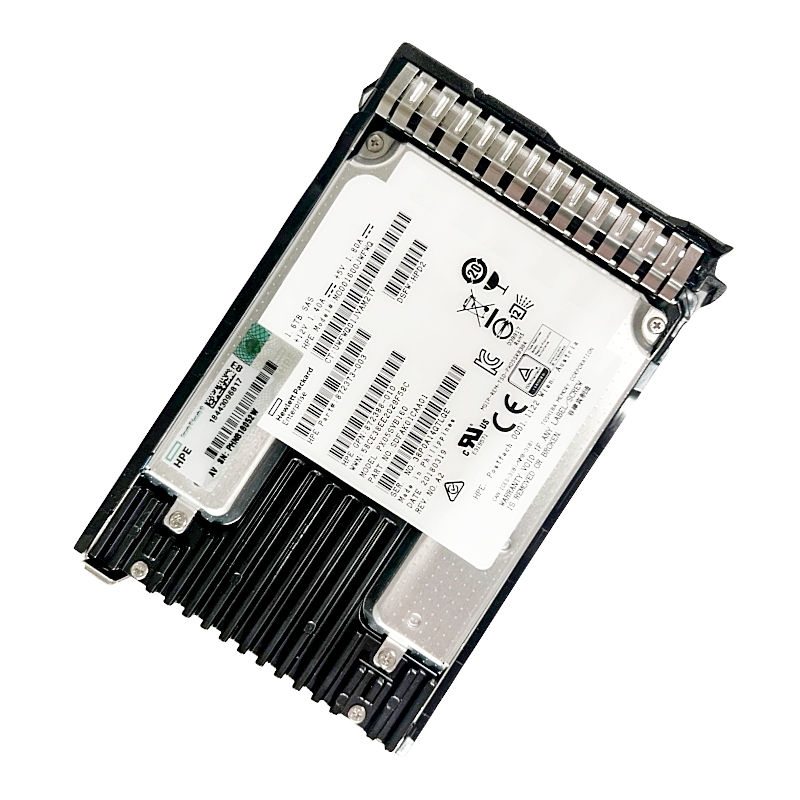


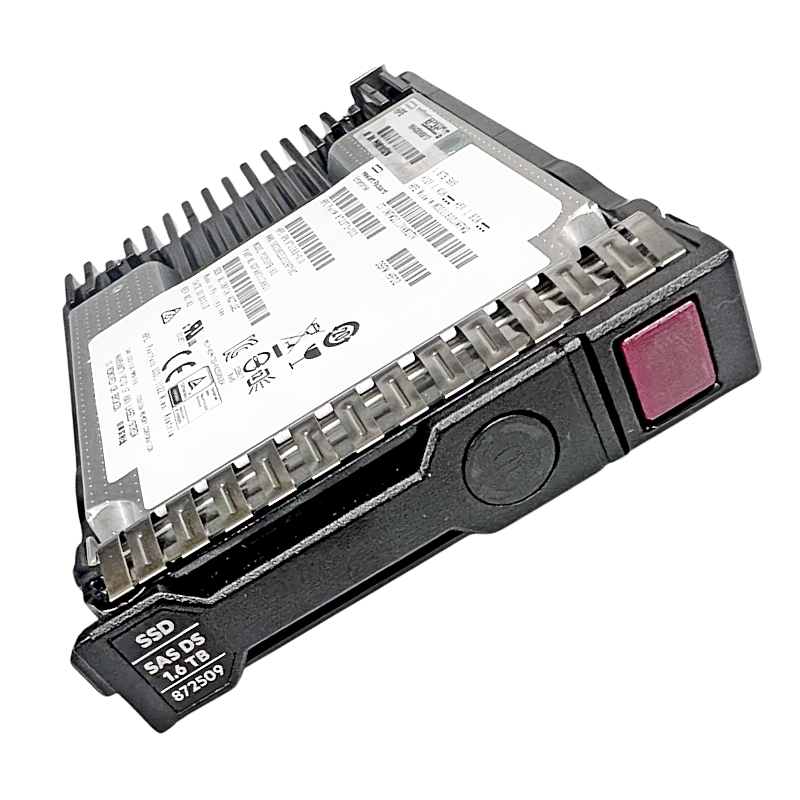
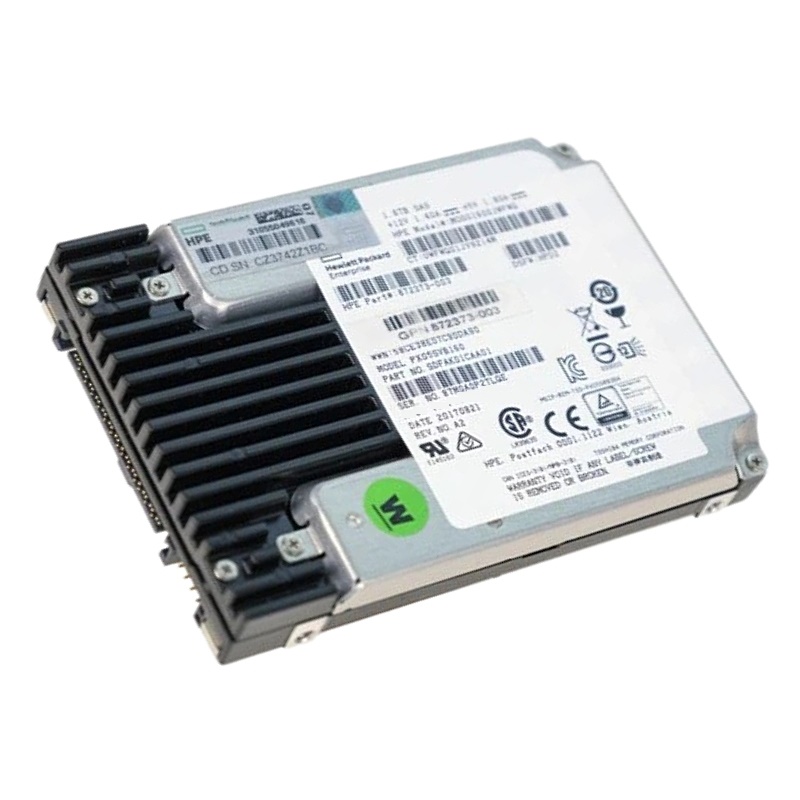
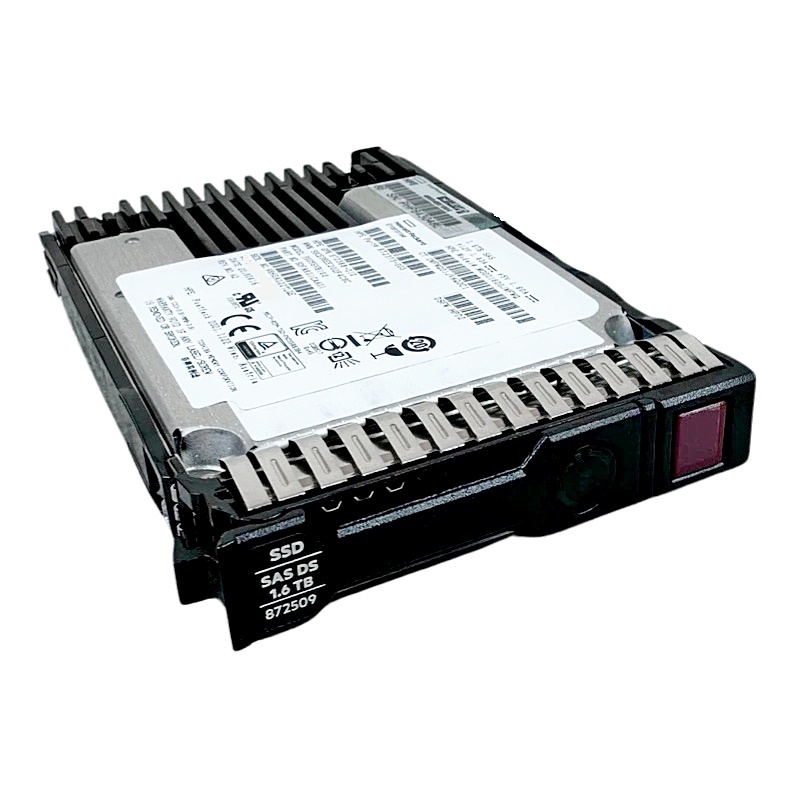
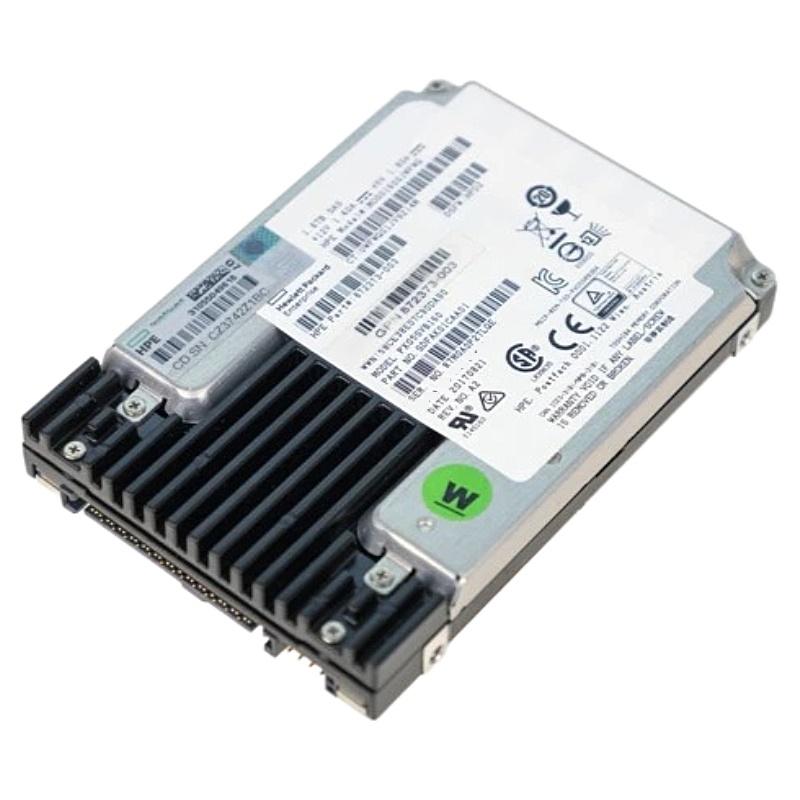
HPE P49327-001 1.6TB SAS 12GBPS Mixed Use Sff SC Multi Vendor Digitally Signed Firmware Solid State Drive. Factory-Sealed New in Original Box (FSB) with 3 Year Warranty
This HPE Solid State Drive (SSD) offers remarkable performance and reliability for various business and data center applications. Designed with cutting-edge technology, the HPE P49327-001 SSD provides exceptional capacity and speed, making it an ideal choice for mixed-use workloads.
The HPE P49327-001 represents a significant advancement in enterprise storage capacity and performance, delivering 1.6TB of high-performance flash storage in a robust SAS 12Gbps interface. This Mixed Use SSD is engineered for demanding data center environments where balanced read/write performance, exceptional endurance, and enterprise-grade reliability are paramount. With digitally signed firmware and multi-vendor compatibility, this drive offers organizations a versatile storage solution that integrates seamlessly across diverse IT infrastructures.
The 1.6TB capacity point represents a sweet spot in the enterprise storage market, providing substantial storage density while maintaining optimal performance characteristics and cost efficiency for a wide range of business applications.
At 1.6TB, this SSD delivers the ideal balance between storage density and performance sustainability, making it suitable for applications requiring substantial local storage without compromising on I/O capabilities or endurance characteristics.
The 1.6TB capacity enables organizations to consolidate multiple smaller drives into fewer higher-capacity units, reducing storage complexity, power consumption, and physical space requirements while maintaining or improving overall system performance.
As flash technology matures, higher capacity points like 1.6TB deliver improved cost efficiency compared to lower capacity SSDs, providing better total cost of ownership while meeting the storage demands of data-intensive applications.
The Serial Attached SCSI (SAS) 12Gbps interface continues to be the workhorse of enterprise storage, delivering proven reliability, dual-port capability, and robust performance that meets the requirements of most business-critical applications.
SAS technology has established itself as the gold standard for enterprise storage interfaces, with decades of refinement ensuring compatibility, stability, and predictable performance across diverse storage environments.
The inherent dual-port capability of SAS technology provides redundant data paths for high-availability configurations, ensuring continuous operation even during controller failures or maintenance events. This feature remains critical for applications where downtime is not an option.
Full backward compatibility with 6Gbps SAS infrastructure protects existing investments while providing a clear performance upgrade path. The P49327-001 automatically negotiates the optimal connection speed with compatible controllers and expanders.
The 12Gbps SAS interface delivers sufficient bandwidth for the majority of enterprise workloads, with performance characteristics that balance throughput, latency, and reliability in a proven technology platform.
With theoretical bandwidth of 12 gigabits per second (approximately 1.2GB/s practical throughput per port), the SAS interface eliminates storage bottlenecks for most applications while providing headroom for burst workloads and concurrent operations.
The "Mixed Use" classification indicates that this SSD is specifically engineered to handle balanced read and write workloads, making it ideal for applications where both data retrieval and data creation occur frequently throughout operational cycles.
Mixed Use SSDs feature significantly higher write endurance compared to Read-Intensive models, with the P49327-001 offering enterprise-class Drive Writes Per Day (DWPD) ratings that ensure long-term reliability under demanding write workloads.
Advanced flash management algorithms minimize write amplification through sophisticated garbage collection, wear leveling, and bad block management techniques. These optimizations extend the practical lifespan of the drive while maintaining consistent performance throughout the warranty period.
Strategic over-provisioning beyond the advertised 1.6TB user capacity provides additional flash resources for background maintenance operations, ensuring that performance remains consistent even as the drive approaches full capacity.
The Mixed Use design philosophy ensures that neither read nor write performance is compromised, delivering a balanced performance profile that adapts to varying workload demands without requiring administrative intervention or configuration changes.
Unlike Read-Intensive SSDs that prioritize read performance at the expense of write capabilities, the P49327-001 maintains strong performance for both operations, typically delivering 70-80% of peak read performance for write operations under sustained workload conditions.
The 2.5-inch Small Form Factor (SFF) represents the industry standard for enterprise storage density, enabling organizations to maximize storage capacity within constrained physical space while maintaining optimal thermal and power characteristics.
The compact 2.5-inch form factor allows for significantly higher storage density compared to traditional 3.5-inch drives, enabling organizations to store more data in less physical space while reducing overall infrastructure footprint.
In modern data centers where rack space is at a premium, the 2.5-inch form factor enables higher storage densities per rack unit, potentially tripling storage capacity within the same physical enclosure compared to 3.5-inch drive configurations.
Reduced physical size and weight compared to 3.5-inch alternatives simplify installation, maintenance, and shipping logistics while putting less physical stress on server chassis and storage enclosures.
The 2.5-inch form factor features favorable thermal characteristics that facilitate efficient cooling in densely populated server and storage configurations, contributing to improved reliability and potentially lower cooling costs.
Despite higher performance densities, the 2.5-inch form factor distributes heat generation across a larger surface area relative to storage capacity compared to 3.5-inch drives, resulting in more manageable thermal profiles and reduced hotspot risks.
The P49327-001 is engineered for broad compatibility across multi-vendor storage ecosystems, providing organizations with deployment flexibility and reducing vendor lock-in concerns while maintaining enterprise-grade performance and reliability.
Extensive compatibility testing ensures reliable operation with a wide range of SAS controllers, HBAs, and storage enclosures from multiple vendors, though some advanced management features may require specific HPE infrastructure for full functionality.
Compatibility with major SAS controller vendors including Broadcom (formerly Avago), Microchip (formerly Microsemi), and other industry leaders ensures that the P49327-001 can be deployed in diverse IT environments without compatibility concerns.
Certified operation in multi-vendor JBOD and storage enclosure environments provides deployment flexibility for scale-out storage architectures, hyper-converged infrastructure, and traditional storage area networks.
Strict adherence to industry standards including SPC-4, SBC-3, and SES ensures predictable operation across compliant infrastructure, reducing integration risks and simplifying procurement processes for heterogeneous environments.
Digital firmware signing represents a critical security advancement that protects against unauthorized firmware modifications, malware attacks, and counterfeit components that could compromise storage infrastructure integrity.
Firmware updates undergo rigorous cryptographic verification before installation, preventing the introduction of malicious code during maintenance procedures while ensuring that performance enhancements, bug fixes, and security patches can be safely deployed.
All firmware updates distributed through HPE channels are cryptographically signed, and the drive verifies this signature before accepting the update. This process ensures that only legitimate HPE firmware modifications are applied to the storage controller.
Version control mechanisms prevent downgrade attacks that could reintroduce known vulnerabilities, ensuring that drives maintain current security postures while allowing controlled rollback only when specifically authorized for compatibility reasons.
The P49327-001 delivers enterprise-class performance characteristics that accelerate application responsiveness, reduce transaction times, and support concurrent operations across multiple workloads and users.
Comprehensive performance testing demonstrates the drive's capability to handle intensive enterprise workloads while maintaining consistent operation under varying conditions and utilization levels.
With sequential read speeds up to 1050MB/s and write speeds up to 1000MB/s, this drive significantly outperforms traditional hard drives and meets or exceeds performance requirements for most enterprise applications including database systems, virtualization platforms, and file services.
Random performance metrics showcase the drive's capability to handle database and virtualization workloads, with up to 180,000 read IOPS and 70,000 write IOPS at queue depth 256. This performance level supports hundreds of virtual machines or thousands of database transactions simultaneously.
The drive features consistently low read latency (typically under 100 microseconds) and write latency (typically under 20 microseconds), which translates to faster application response times and improved user experiences for latency-sensitive applications.
Enterprise applications require predictable storage performance under varying workload conditions. The P49327-001 delivers exceptional QoS with consistent latency profiles and throughput guarantees even during peak utilization periods.
Advanced flash management and wear leveling algorithms maintain consistent performance throughout the drive's lifespan, with minimal performance degradation as the drive fills with data or undergoes extensive write cycles.
Enterprise storage demands exceptional reliability and endurance characteristics to ensure continuous operation, data integrity, and predictable performance throughout the product lifecycle.
The 1.6TB capacity and Mixed Use performance profile make the P49327-001 suitable for a wide range of enterprise applications where balanced performance, substantial storage capacity, and enterprise reliability are required.
Server virtualization platforms including VMware vSphere, Microsoft Hyper-V, and KVM benefit from the balanced read/write performance and substantial capacity of the P49327-001, supporting dozens to hundreds of virtual machines depending on workload characteristics.
VDI implementations present challenging storage requirements with boot storms, user login activity, and application usage patterns. The high IOPS capability and consistent latency of the P49327-001 ensure responsive user experiences during peak utilization periods.
Transactional databases such as Microsoft SQL Server, Oracle Database, MySQL, and PostgreSQL benefit from the low latency and high IOPS capabilities of the P49327-001, accelerating query processing and transaction completion times.
Online Transaction Processing systems with high concurrent user counts generate random I/O patterns that leverage the full performance potential of Mixed Use SSDs, reducing transaction times and improving application scalability for e-commerce, financial services, and ERP systems.
Enterprise collaboration platforms including Microsoft SharePoint, Exchange Server, and team collaboration tools generate mixed workloads that align perfectly with the performance profile of Mixed Use SSDs, ensuring responsive user experiences during concurrent access periods.
Modern content management and digital experience platforms benefit from the balanced performance characteristics of the P49327-001, efficiently handling both content ingestion (write-intensive) and content delivery (read-intensive) operations.
Beyond digitally signed firmware, the P49327-001 supports comprehensive security capabilities that protect data at rest, ensure authentication integrity, and facilitate secure drive retirement.
Trusted Computing Group Enterprise Storage Security Subsystem Class compliance provides a standardized framework for storage security, including authentication, access control, and cryptographic sanitization capabilities.
Support for SID Authentication, CMD Security, and other TCG-defined security protocols ensures that only authorized entities can access or modify drive security settings, protecting against unauthorized configuration changes.
Understanding how the P49327-001 compares to alternative storage technologies helps organizations make informed procurement decisions based on their specific requirements, constraints, and strategic objectives.
While SATA SSDs offer cost advantages for certain applications, SAS technology provides superior performance, dual-port redundancy, and enhanced reliability that justify the premium for business-critical workloads.
SAS interfaces typically deliver 20-30% higher sequential performance and significantly better random I/O performance compared to SATA equivalents, particularly under heavy workload conditions or queue depths.
Enhanced error correction, dual-port capability, and more robust command queuing mechanisms make SAS technology better suited for 24/7 operation in demanding enterprise environments where data integrity and availability are paramount.
While Read-Intensive SSDs prioritize cost-effectiveness for predominantly read-oriented workloads, Mixed Use SSDs like the P49327-001 offer higher endurance for balanced workloads, making them suitable for a broader range of enterprise applications.
Mixed Use SSDs typically offer 3-5x higher write endurance compared to Read-Intensive models in the same capacity point, justifying their premium for applications with substantial write components or unpredictable workload patterns.


 Contact Us
 Information
 Catalog
 Solid State Drives (SSD)
 Network Switches
 Hard Disk Drives
 HBA & Controllers
 PC & Servers
 PC & Server Memory
 CPU & Processors
 Network Routers
 Power Supplies
 Tape Drives & Libraries
 Network Devices
 Computer & Network Cables