(7% discount is applied at checkout)
Cart is empty
Your go-to destination for cutting-edge server products
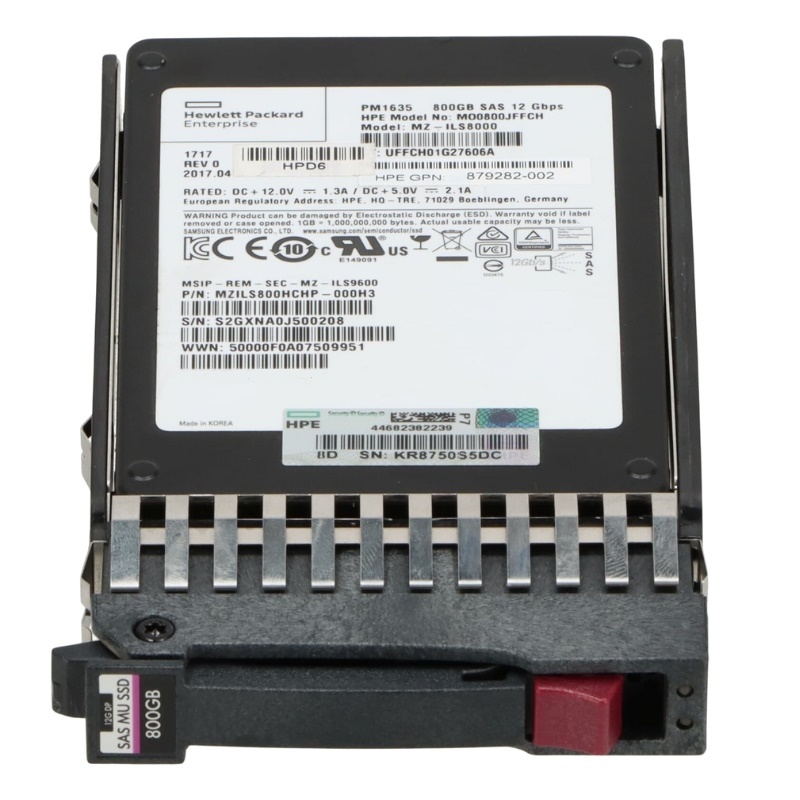


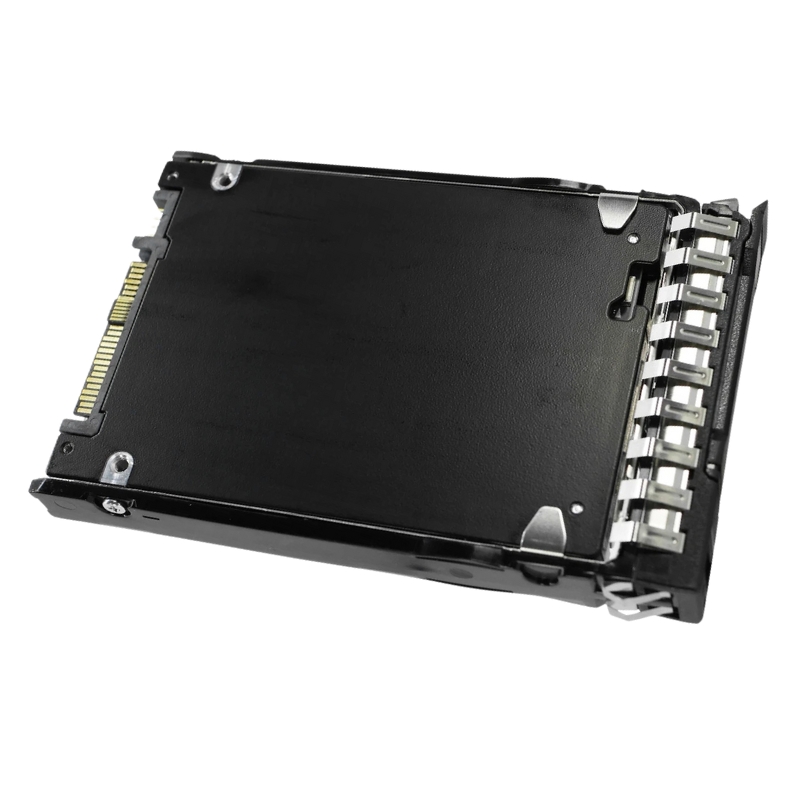
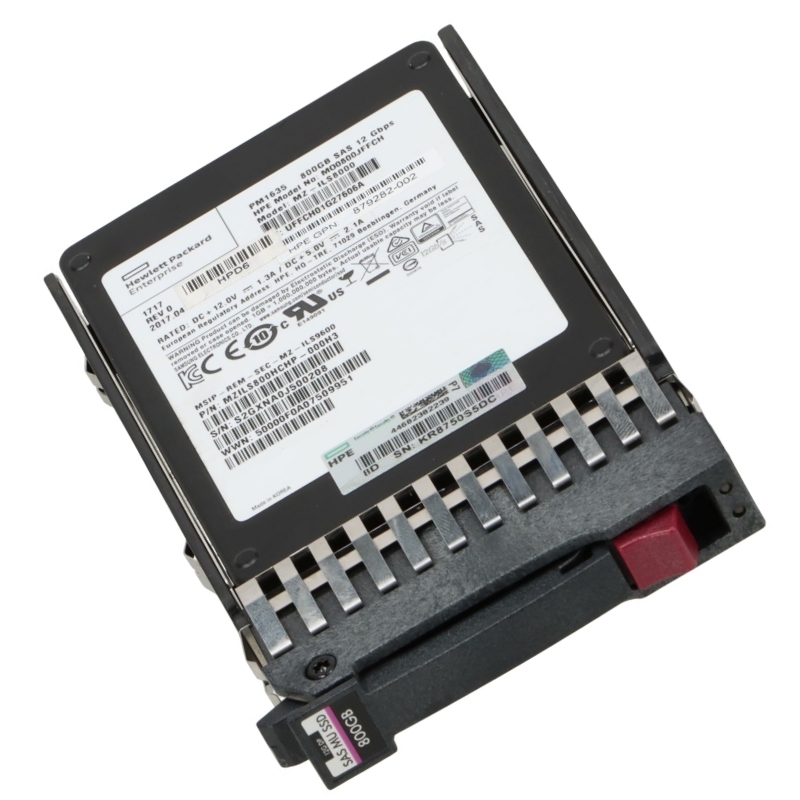
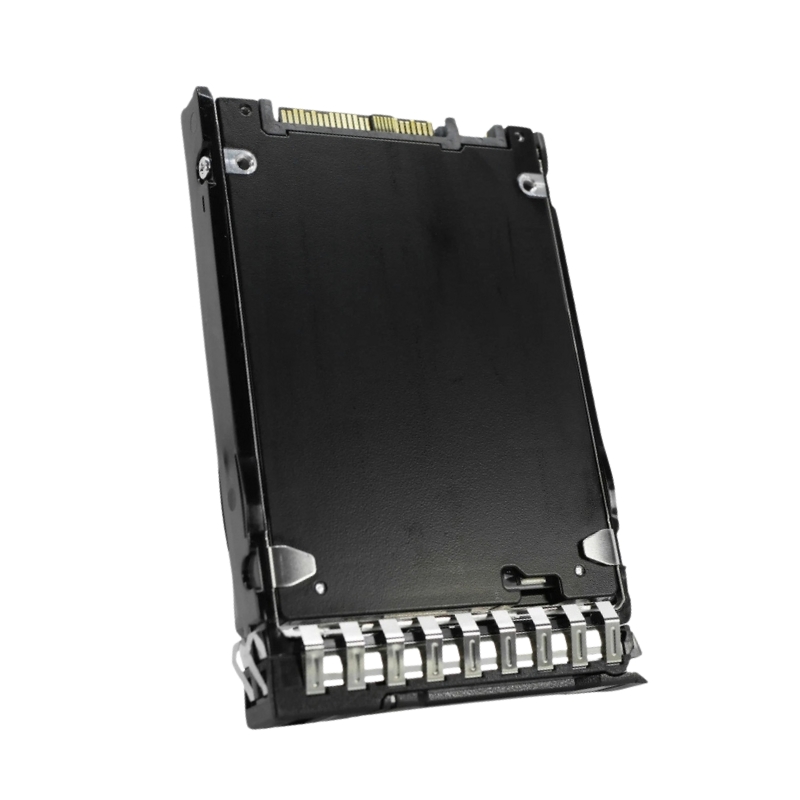
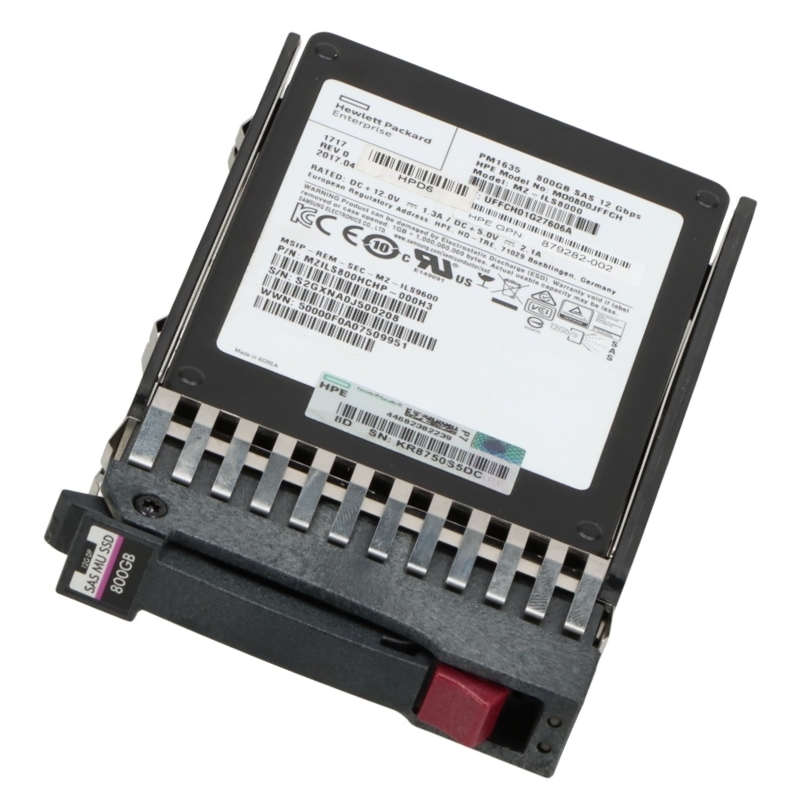
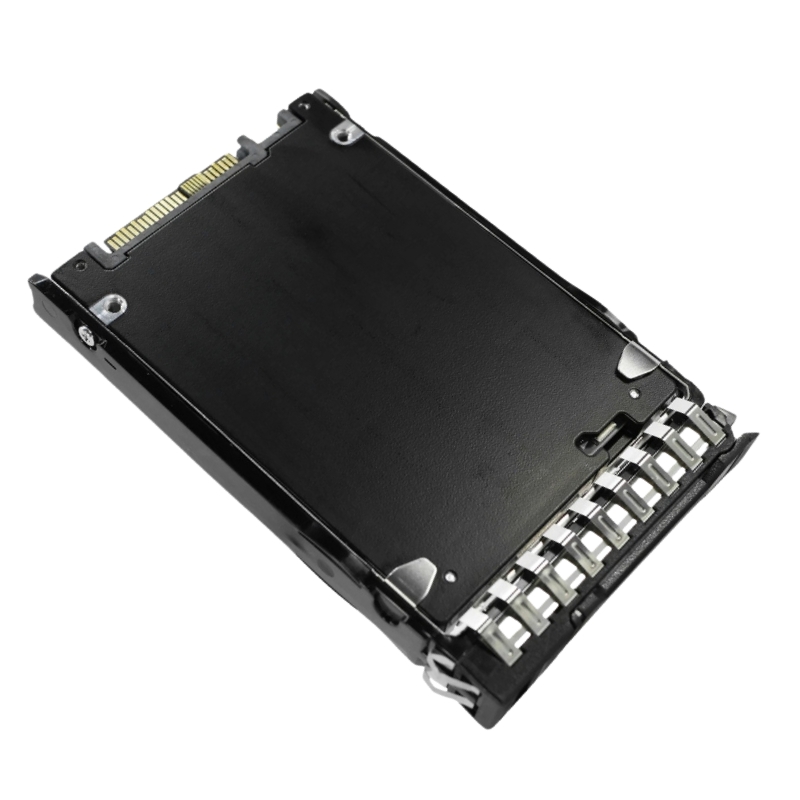
HPE P49744-001 800GB SSD SAS-12GBPS DS SC Mixed Use. Factory-Sealed New in Original Box (FSB) with 3 Years Warranty
| SKU/MPN | Warranty | Price | Condition | You save |
|---|---|---|---|---|
| P49744-001 | 1 Year Warranty | $270.00 | Excellent Refurbished | You save: $94.50 (26%) |
| P49744-001 | 1 Year Warranty | $1,323.00 | Factory-Sealed New in Original Box (FSB) | You save: $463.05 (26%) |
The HPE P49744-001 800GB SAS Solid State Drive stands out as a highly dependable and efficient data storage solution tailored for enterprise systems demanding fast response times and sustained performance. Built to enhance I/O-intensive workloads, this digitally signed mixed-use SSD features a 2.5-inch Small Form Factor (SFF) and supports SAS-12Gbps connectivity, ensuring stable throughput and advanced data integrity for modern IT infrastructures.
Designed with enterprise-level reliability, the digitally signed HPE P49744-001 SSD supports enhanced data protection and encryption features that ensure the safety and authenticity of all transmitted and stored data. The built-in digital signature authentication helps prevent unauthorized drive access and firmware tampering, safeguarding mission-critical assets.
HPE integrates advanced ECC (Error Correction Code) and end-to-end data path protection to eliminate silent data corruption risks. These mechanisms provide secure data validation during transmission and storage, offering the peace of mind IT managers need when deploying storage in high-demand environments.
The drive’s power-efficient design helps reduce operational costs and energy waste across server infrastructures. Operating at just 8.56 watts, this model balances performance with sustainability, maintaining a cool and stable operating temperature even under heavy workloads.
Engineered for seamless integration, the HPE P49744-001 is compatible with multiple HPE ProLiant servers and storage arrays that support SAS 12Gbps connectivity. The hot-plug and Smart Carrier design simplify installation and replacement without interrupting server activity, minimizing maintenance time and boosting uptime.
Administrators benefit from quick deployment with no system reboot required. The Smart Carrier LED indicators provide visual feedback on drive health and activity, allowing proactive maintenance and easy monitoring during operations.
The HPE P49744-001 800GB SSD is ideal for organizations requiring a balance between endurance and performance. It is suitable for both read-intensive and write-intensive workloads that demand consistent throughput and data reliability.
The HPE P49744-001 is constructed for continuous operation under rigorous data center conditions. Featuring TLC NAND technology and optimized wear-leveling algorithms, this SSD ensures consistent write endurance and data retention over time. The 4,380 TBW rating underscores its resilience and reliability for mission-critical operations.
HPE’s firmware architecture optimizes flash cell usage to prevent premature wear-out, maintaining peak performance even after years of intensive operation. This guarantees steady IOPS and consistent response times under sustained workloads.
This SSD embodies HPE’s commitment to performance, dependability, and innovation. It delivers a practical solution for enterprises that require superior storage reliability, enhanced data protection, and optimized scalability within compact physical dimensions. Whether deployed for virtualization, transactional workloads, or general storage expansion, it provides measurable efficiency improvements and robust protection against data loss.
The drive’s robust construction ensures consistent performance in enterprise-class environments. Designed to withstand constant operation, vibration, and power fluctuations, it guarantees stability under continuous use in demanding data center configurations.
The HPE P49744-001 800GB 2.5-inch SFF SAS 12Gb/s digitally signed Mixed Use Solid State Drive (SSD) with Smart Carrier and hot-swap tray represents a high-performance enterprise storage solution engineered for modern datacenter workloads. This category centers on enterprise-class SAS SSDs built for reliability, endurance, and predictable performance. These drives are designed as drop-in replacements for legacy spinning disks while delivering the latency, throughput, and IOPS advantages of flash storage. When described at a category level, emphasis falls on durability (endurance), interface and form factor standards (2.5" SFF, SAS 12Gb/s), firmware security (digitally signed firmware), and operational conveniences (Smart Carrier, hot-swap tray).
The 2.5-inch Small Form Factor (SFF) is the industry-preferred size for high-density enterprise deployments. These drives fit into HPE hot-swap bays and most modern blade chassis and storage enclosures, enabling compact, scalable arrays. The P49744-001 ships with a Smart Carrier and tray that align with HPE drive sled standards for secure mounting, proper airflow, and predictable mechanical addressability.
SAS 12Gb/s is a dual-ported, enterprise-grade storage interface offering high bandwidth and path redundancy. Dual-port capability enables multipath I/O configurations where a drive remains accessible even if one controller path fails. SAS also supports enterprise-class feature sets such as end-to-end data protection, power management, and hardware-level error reporting (S.M.A.R.T. and SCSI sense codes).
The 800GB capacity is positioned as a high-performance tier where organizations balance usable capacity and PCIe/SAS slot density. Mixed Use NAND and firmware optimizations deliver endurance ratings tuned for balanced read/write patterns. Typical mixed-use drives are engineered to sustain consistent performance across moderate write workloads without premature wearout.
Performance for the HPE P49744-001 category commonly focuses on three dimensions: latency, IOPS (random read/write), and sequential throughput. SSDs in this category typically deliver single-digit to low double-digit microsecond read latencies, making them ideal for transactional workloads and latency-sensitive applications such as OLTP databases and virtualization.
- IOPS: Random I/O performance is crucial for databases and VDI where many small synchronous operations occur. Mixed use drives offer a high sustained IOPS rate under a mix of reads and writes.
- Throughput: Sequential read/write throughput matters for large block transfers such as backups, media streaming, and large file restores. SAS 12Gb/s provides a generous channel for sustained throughput when properly configured.
HPE-branded P49744-001 drives are engineered to work seamlessly with HPE ProLiant servers, storage enclosures, and management stacks. Using OEM-certified drives ensures optimal firmware compatibility, automated health reporting, and full integration with monitoring tools such as HPE Integrated Lights-Out (iLO) and HPE OneView.
While SAS is a standard interface, some vendor-specific features and firmware behaviors vary. When deploying non-HPE controllers or mixed-vendor environments, validate interoperability and ensure firmware levels are compatible to avoid drive rejection, degraded performance, or unsupported behaviors.
The mixed-use SAS SSD category addresses a wide range of enterprise scenarios. Below are common use cases along with deployment advice:
Mixed-use SSDs deliver consistent low latency and high IOPS that improve VM boot storms, login storms in VDI, and guest OS responsiveness. Use in caching layers or primary datastore to accelerate VM operations.
For OLTP and mixed-read/write databases, these drives provide sustained performance and reasonable endurance. Pair with battery-backed or persistent write caches to ensure data integrity during power events.
Deploy P49744-001 SSDs in tier-1 pools for hot data while using high-capacity HDDs for cold storage. Automated tiering or hybrid arrays can transparently move data to the SSD tier for performance-sensitive workloads.
Use 800GB SAS SSDs as system or boot drives in dense server deployments to reduce boot time and increase serviceability while maintaining enterprise reliability.
Smart Carrier and hot-swap trays simplify field service—drives can be replaced without powering down servers or disrupting I/O paths in multipath configurations. This translates into higher availability and faster mean time to repair (MTTR).
Keep firmware updated using vendor-supplied management utilities. Because these drives use digitally signed firmware, apply updates from trusted HPE sources to avoid validation failures. Schedule firmware updates during planned maintenance windows and apply across clusters in a controlled sequence.
Enterprise SSDs include sensors and telemetry for monitoring wear, temperature, power cycles, and error counts. Effective operational monitoring reduces downtime by surfacing early indicators of drive degradation.
Combine manufacturer telemetry with system logs to implement predictive failure detection. Many support systems can raise automated alerts and create replacement tickets before a drive fails catastrophically, enabling non-disruptive maintenance.
Selecting the appropriate drive involves matching capacity and endurance to workload, confirming fitment and firmware compatibility, and understanding vendor support. Use the following checklist when evaluating purchases:
OEM-certified HPE P49744-001 drives ensure vendor support and integrated management, but third-party equivalents may offer cost savings. Evaluate trade-offs: third-party drives must be validated for firmware behavior and long-term support, whereas genuine HPE drives typically carry full vendor support and compatibility assurance.
Below are practical deployment patterns that illustrate how these SSDs can be used in an enterprise architecture:
When evaluating the P49744-001, buyers often compare similar SAS 12Gb/s mixed-use SSDs with varying capacities and endurance levels as well as NVMe alternatives. NVMe drives provide higher raw bandwidth and lower latency for extremely demanding workloads, but SAS SSDs retain advantages in mature enterprise ecosystems, dual-port resiliency, and controller-level features.
For technical teams, consult HPE technical documentation, product briefs, and interoperability matrices to validate compatibility and best practices. Combine vendor documentation with independent benchmarking and real-world pilot results to form deployment guidance tailored to your organization’s workload and availability requirements.


 Contact Us
 Information
 Catalog
 Solid State Drives (SSD)
 Network Switches
 Hard Disk Drives
 HBA & Controllers
 PC & Servers
 PC & Server Memory
 CPU & Processors
 Network Routers
 Power Supplies
 Tape Drives & Libraries
 Network Devices
 Computer & Network Cables