(7% discount is applied at checkout)
Cart is empty
Your go-to destination for cutting-edge server products
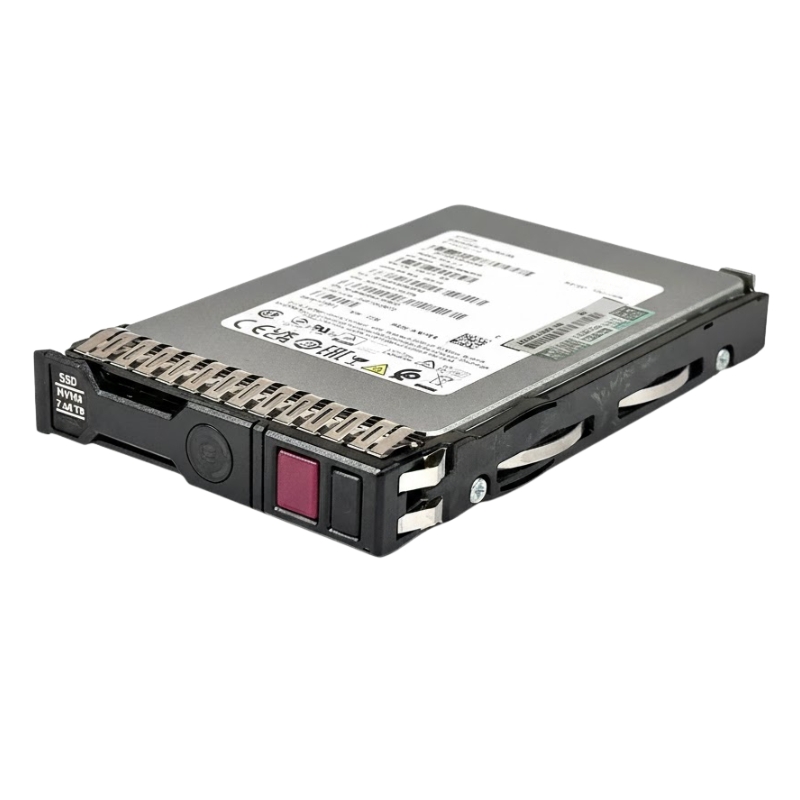


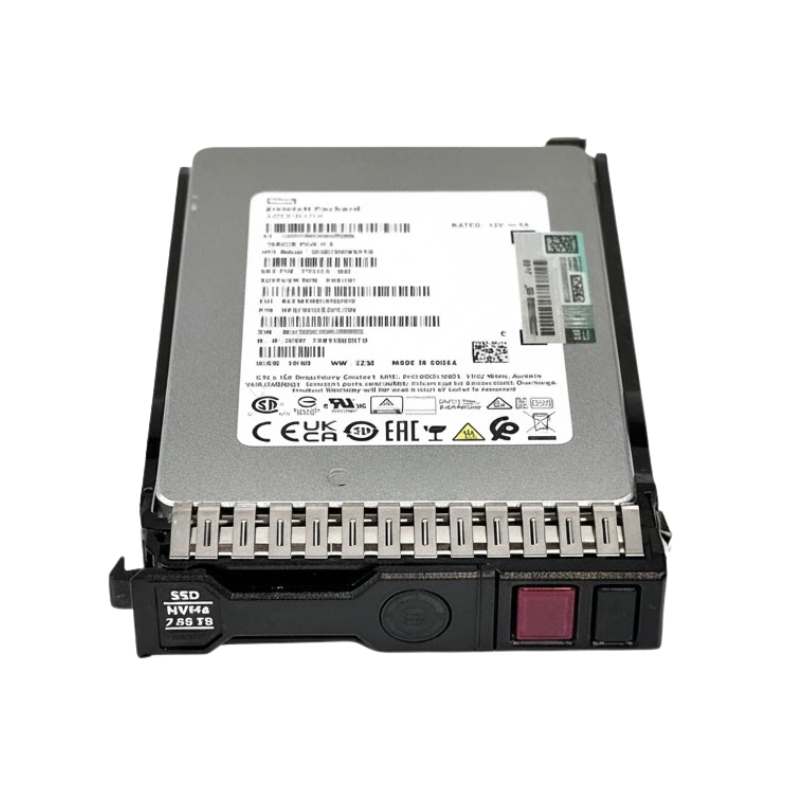
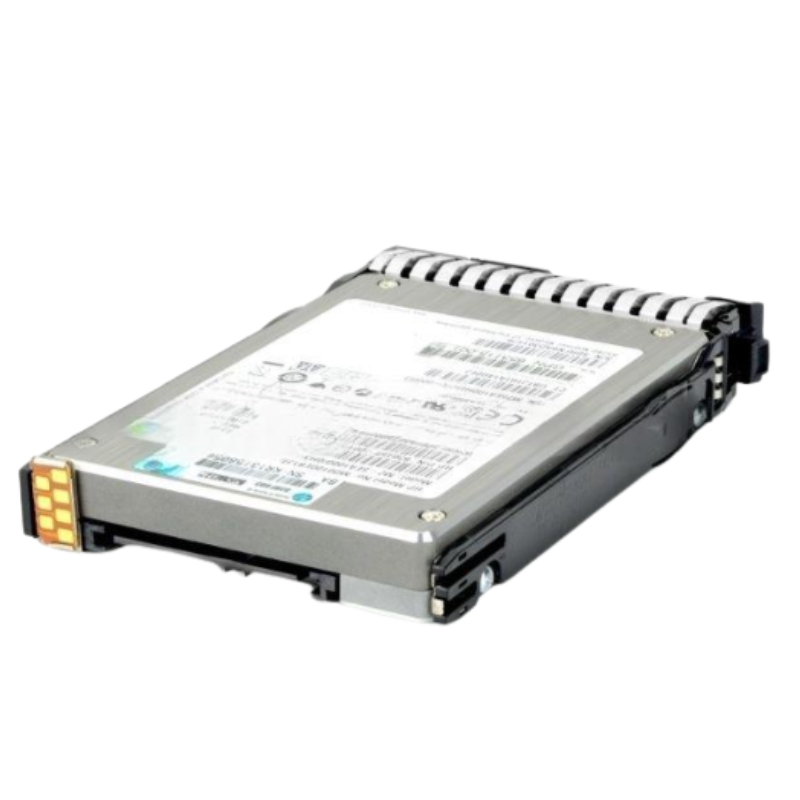
HPE P50220-B21 7.68TB Read Intensive NVMe High Performance Tlc SFF SCN U.3 Solid State Drive. Factory-Sealed New in Original Box (FSB) with 3 Years Warranty
The HPE P50220-B21 is a high-density, read-intensive NVMe solid-state drive engineered for enterprise storage environments. Delivering 7.68 TB of capacity in a compact SFF U.3 package, this TLC NAND SSD combines ultra-low latency with sustained throughput for mission-critical applications.
These metrics make the P50220-B21 ideal for high-bandwidth tasks and demanding read-dominant workloads where predictable latency and high sustained throughput are critical.
The HPE P50220-B21 represents the pinnacle of enterprise-grade NVMe storage technology, specifically engineered for read-intensive applications that demand exceptional performance, reliability, and efficiency. This 7.68TB U.3 form factor drive combines cutting-edge TLC NAND with HPE's robust firmware to deliver a storage solution that accelerates data access while maintaining optimal total cost of ownership.
Designed to meet the rigorous demands of modern data centers, the P50220-B21 delivers consistent high performance with low latency, making it ideal for applications where rapid data retrieval is critical. With sequential read speeds reaching up to 3,500 MB/s and random read performance of up to 800,000 IOPS, this drive significantly reduces application response times and improves overall system throughput.
The drive's architecture is optimized for maximum efficiency, featuring advanced power management capabilities that reduce energy consumption without compromising performance. The NVMe 1.3c interface ensures compatibility with the latest server platforms while providing the bandwidth necessary to handle the most demanding workloads.
The HPE P50220-B21 incorporates sophisticated engineering and quality components to deliver enterprise-class reliability and performance. Understanding its technical specifications helps in making informed decisions for your storage infrastructure.
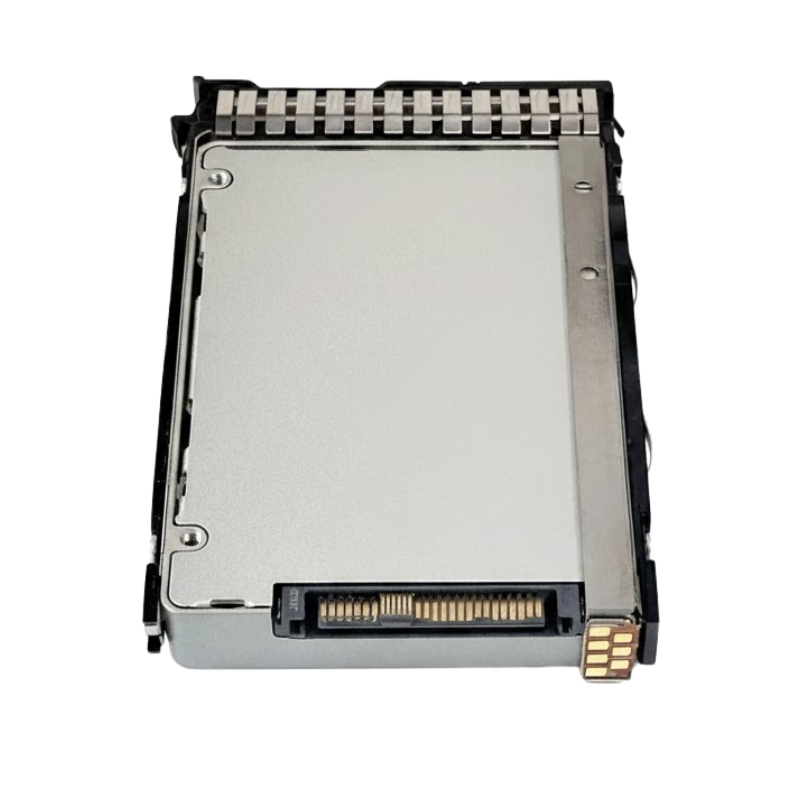
The drive utilizes the 2.5-inch Small Form Factor (SFF) with U.3 connector interface, providing universal compatibility with both NVMe and SATA backplanes. This versatility allows for seamless integration into existing infrastructure while preparing for future technology transitions.
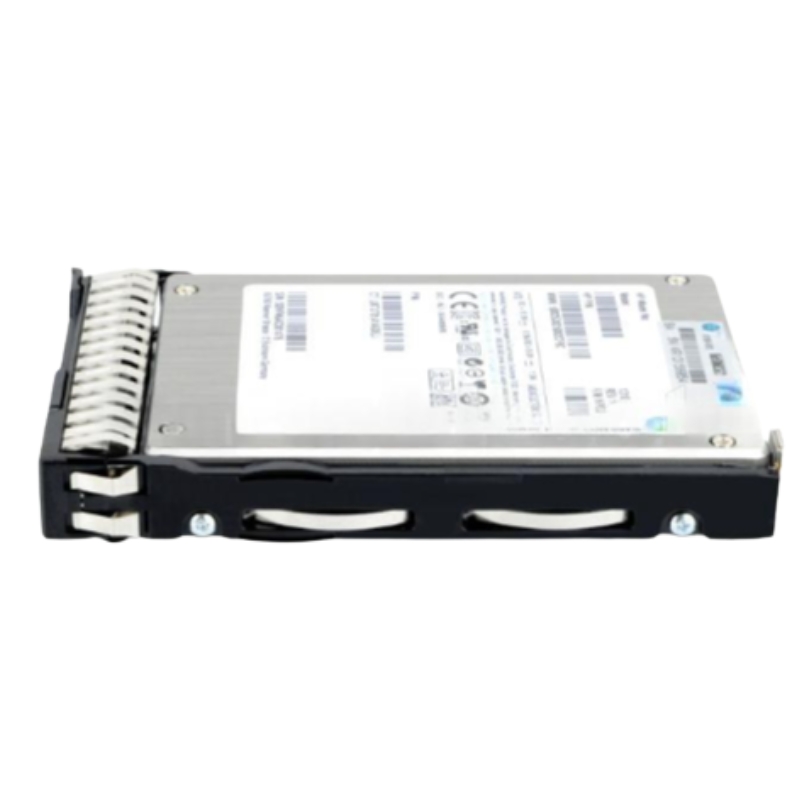
Measuring 70mm x 100mm x 15mm, the P50220-B21 conforms to enterprise standard dimensions, ensuring proper fit in mainstream server bays and storage enclosures. The U.3 interface supports NVMe over PCIe, delivering the full performance benefits of the NVMe protocol while maintaining backward compatibility considerations.
The U.3 interface represents a significant advancement in storage connectivity, combining SAS, SATA, and NVMe support into a single connector. This multi-protocol capability eliminates the need for specific drive slots, simplifying storage deployment and management in heterogeneous environments.
Utilizing high-quality 3D TLC NAND flash memory, the P50220-B21 strikes an optimal balance between performance, endurance, and cost-effectiveness. The drive is rated for 1 drive write per day (DWPD) over its 5-year warranty period, making it suitable for read-intensive applications that require consistent performance over time.
HPE's proprietary wear-leveling technology distributes write operations evenly across all available memory cells, preventing premature wear on specific sectors and extending the drive's operational lifespan. This sophisticated algorithm works in conjunction with advanced error correction to maintain data integrity throughout the drive's lifecycle.
The 96-layer 3D TLC NAND architecture provides higher density and improved performance compared to previous generations. This vertical stacking technology increases storage capacity while reducing the physical footprint, contributing to better power efficiency and thermal characteristics.
The HPE P50220-B21 is specifically designed for read-intensive enterprise environments where fast data access and reliability are paramount. Its performance characteristics make it suitable for a wide range of applications across various industries.
In database environments, the P50220-B21 excels at handling read queries, reporting workloads, and data analytics operations. The low latency and high IOPS capabilities significantly reduce query response times, improving application performance and user experience.
For Online Transaction Processing (OLTP) systems, the drive provides consistent performance for mixed workloads, while in Online Analytical Processing (OLAP) environments, it accelerates data retrieval for complex queries and business intelligence applications.
When deploying the P50220-B21 in database servers, we recommend configuring multiple drives in RAID arrays to ensure data protection and maximize performance. The drive's power-loss protection features guarantee data integrity during unexpected power events, crucial for maintaining database consistency.
In virtualized environments, the P50220-B21 supports high VM density with fast provisioning and rapid deployment capabilities. The drive's consistent performance profile ensures that noisy neighbor effects are minimized, providing predictable performance across all virtual machines.
For Virtual Desktop Infrastructure (VDI) implementations, the drive handles boot storms and login events efficiently, delivering responsive user experiences. In server virtualization scenarios, it accelerates VM operations and reduces storage-related bottlenecks.
The P50220-B21 serves as an ideal performance tier in multi-tier storage architectures, complementing higher-capacity but slower storage solutions. This tiered approach optimizes cost while maintaining performance for active datasets.
For content delivery networks and web serving applications, the drive's high read performance ensures fast content delivery and reduced page load times. The large 7.68TB capacity allows for substantial content caching, reducing backend storage load and improving overall system efficiency.
In media streaming applications, the P50220-B21 provides the consistent read performance necessary for smooth video playback and rapid content access. For static content hosting, it dramatically improves response times and supports higher concurrent user connections.
The HPE P50220-B21 is engineered with comprehensive data protection features and reliability mechanisms that ensure data integrity and continuous operation in demanding enterprise environments.
Incorporating sophisticated LDPC (Low-Density Parity Check) error correction technology, the drive can detect and correct more errors than conventional ECC methods. This advanced error correction is crucial for maintaining data integrity as NAND cells age and become more prone to bit errors.
The drive implements end-to-end data path protection, safeguarding data from the host interface through all internal components to the NAND media. This comprehensive protection scheme prevents data corruption at every stage of the data transfer process.
Enterprise-class power-loss protection ensures that in-flight data is safely written to the NAND in the event of unexpected power failure. This feature includes both immediate power-loss protection for data in the DRAM cache and extended protection for completing ongoing write operations.
The P50220-B21 incorporates advanced thermal monitoring and throttling mechanisms to maintain optimal operating temperatures. These features prevent performance degradation due to overheating and ensure long-term reliability under varying environmental conditions.
Rated for operation in standard enterprise environments from 0°C to 70°C, the drive maintains consistent performance across its specified temperature range. Intelligent thermal management automatically adjusts performance characteristics to prevent overheating while minimizing impact on application performance.
Proper cooling is essential for maintaining optimal performance and reliability. We recommend following HPE's guidelines for server airflow and cooling configuration to ensure the drive operates within its specified thermal envelope, particularly in high-density storage deployments.


 Contact Us
 Information
 Catalog
 Solid State Drives (SSD)
 Network Switches
 Hard Disk Drives
 HBA & Controllers
 PC & Servers
 PC & Server Memory
 CPU & Processors
 Network Routers
 Power Supplies
 Tape Drives & Libraries
 Network Devices
 Computer & Network Cables