(7% discount is applied at checkout)
Cart is empty
Your go-to destination for cutting-edge server products
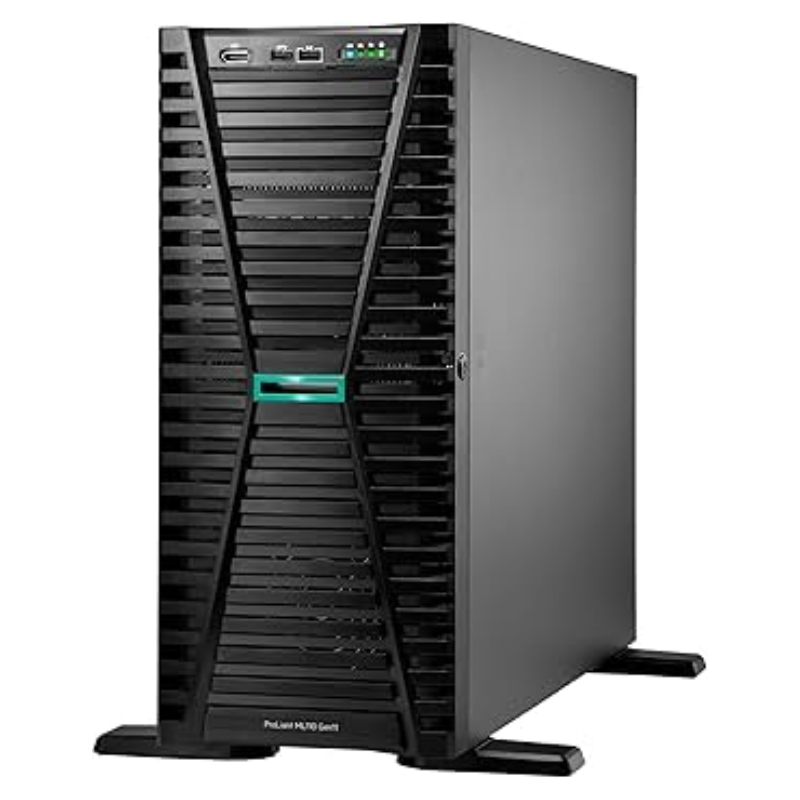


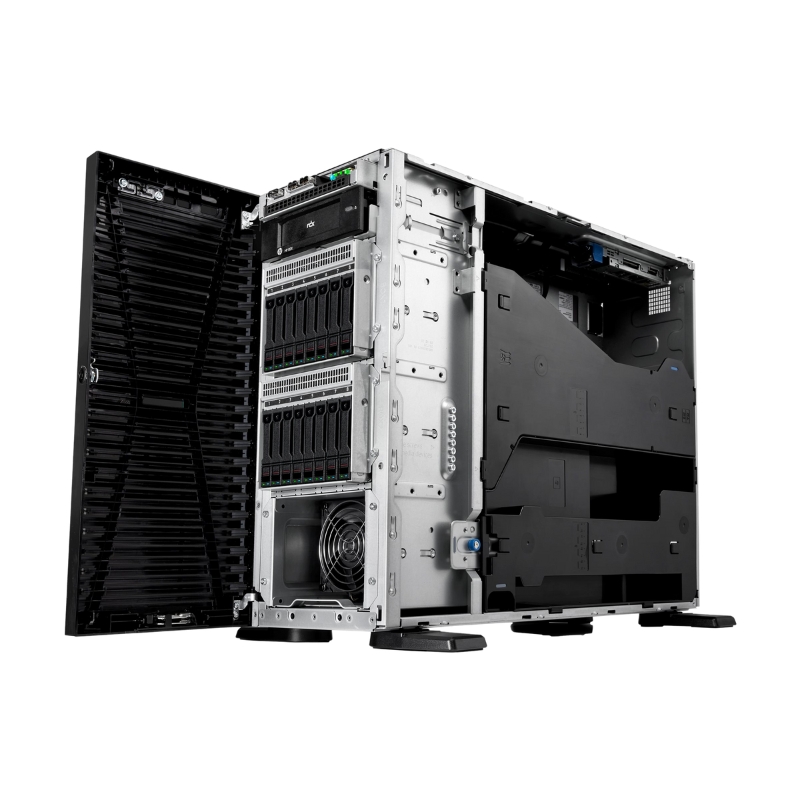
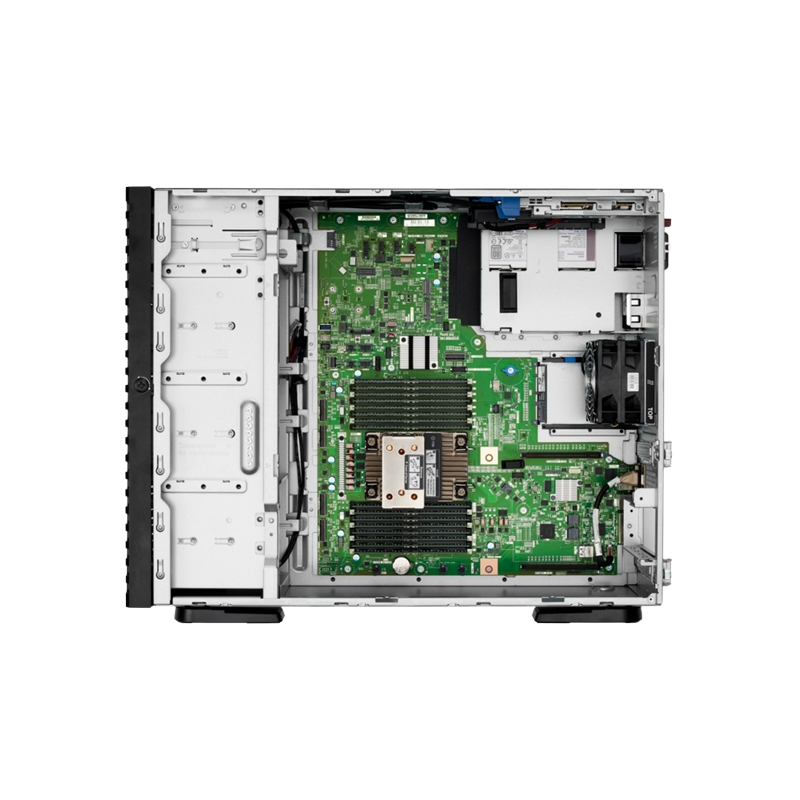
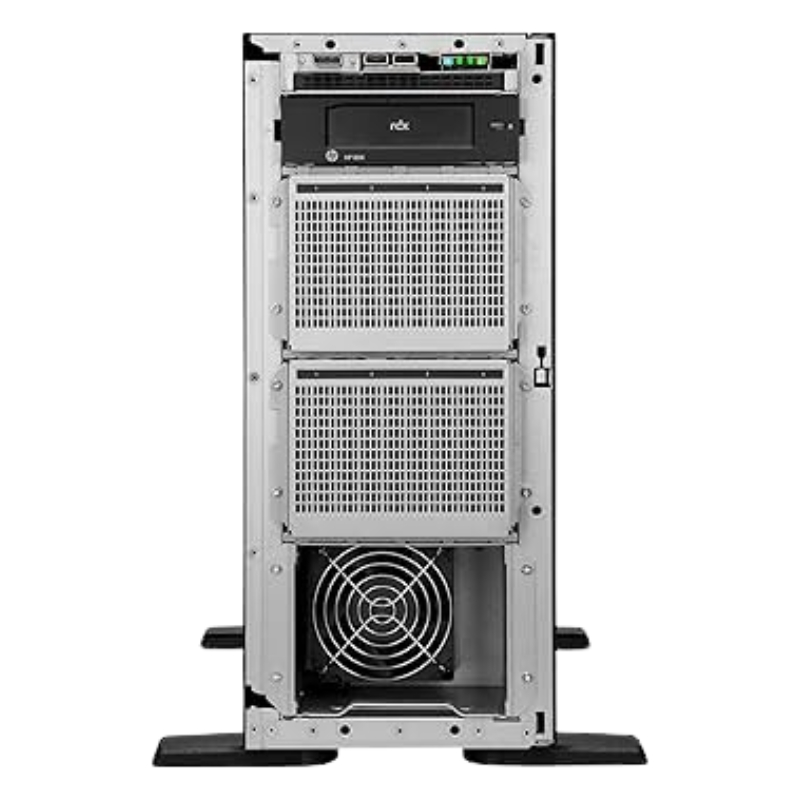
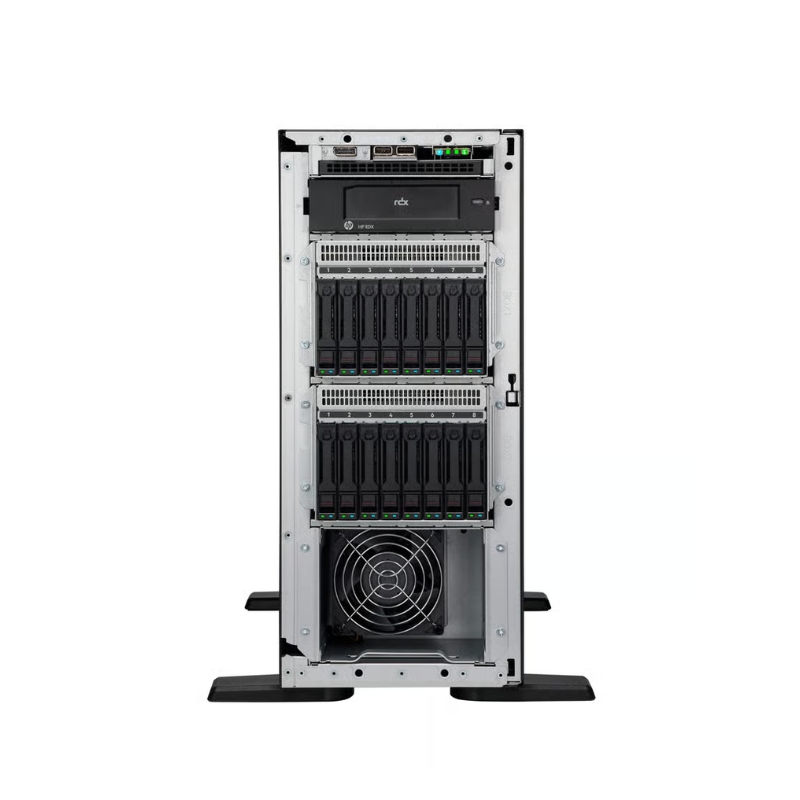
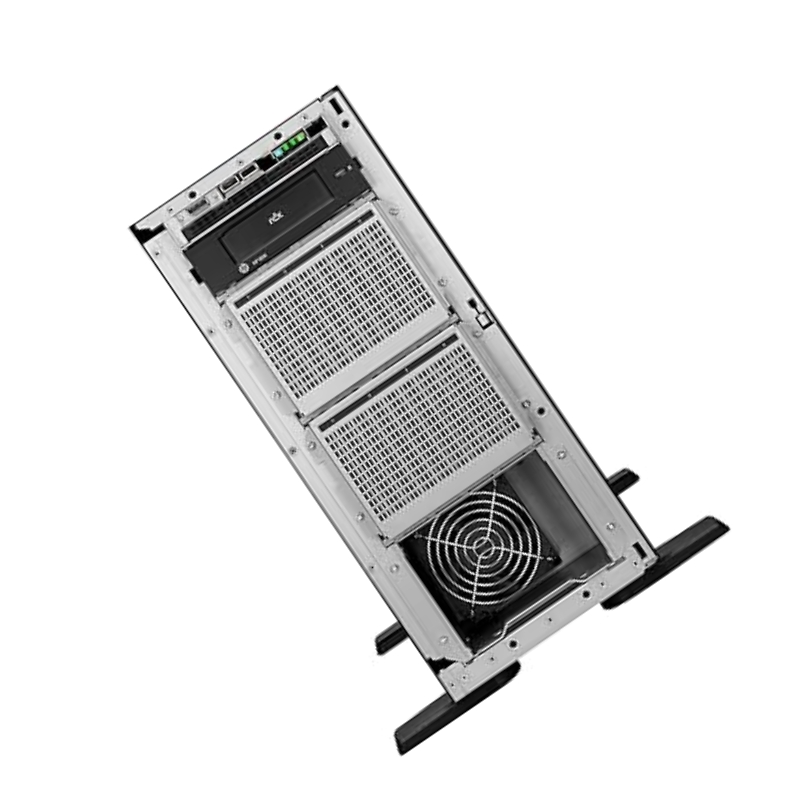
HPE P55536-001 Proliant ML110 Gen11 SFF Intel Xeon 12-core Silver 4410Y 2GHz 32GB DDR5 SDRAM 1GBe BCM5720 800W RPS 4.5U Tower Server. Excellent Refurbished with 1-Year Replacement Warranty
The HPE P55536-001 ProLiant ML110 Gen11 Tower Server is engineered for enterprise workloads, offering Intel Xeon Silver 4410Y 12-core processing, 32GB DDR5 Smart Memory, and scalable storage options. This 4.5U small form factor server ensures dependable performance, advanced connectivity, and efficient power management for modern IT infrastructures.
The HPE ProLiant ML110 Gen11 tower server category represents a robust class of enterprise-grade computing platforms designed to address the evolving needs of small to mid-sized businesses, branch offices, and distributed enterprise environments. Tower servers in this category are engineered to deliver data center–class performance, reliability, and security in a standalone form factor that does not require a dedicated rack infrastructure. This makes them particularly suitable for organizations seeking powerful on-premises compute resources with simplified deployment and maintenance.
The ML110 Gen11 series is built around the latest generation of Intel Xeon Scalable processors and DDR5 memory technology, aligning this category with modern enterprise performance standards. These servers are designed to support diverse workloads, including virtualization, file and print services, collaboration platforms, database hosting, enterprise applications, and edge computing scenarios. The balance of processing power, memory scalability, storage flexibility, and energy efficiency defines this category as a versatile foundation for business-critical IT operations.
At the core of this server category is the Intel Xeon Silver processor family, exemplified by the 12-core Xeon Silver 4410Y operating at a base frequency of 2GHz. This processor class is optimized for balanced performance, offering a combination of core density, cache architecture, and instruction set enhancements that support both general-purpose and specialized workloads. The multi-core design enables efficient parallel processing, making this category well-suited for multi-user environments and concurrent application execution.
Intel Xeon Silver processors in this category support advanced technologies such as Intel Hyper-Threading, Intel Turbo Boost, and hardware-assisted virtualization. These features enhance workload responsiveness, optimize resource allocation, and improve overall system efficiency. The processing capabilities are further complemented by support for modern security instructions, ensuring that sensitive data and workloads are protected at the hardware level.
The processing architecture of this category is tailored to support consistent performance under sustained workloads. Applications such as ERP systems, CRM platforms, and internal databases benefit from predictable compute throughput and low-latency response times. The Xeon Silver class provides sufficient performance headroom to accommodate growth while maintaining energy efficiency, which is a key consideration for organizations managing operational costs.
For virtualization scenarios, the multi-core design allows administrators to allocate dedicated resources to virtual machines without oversubscription, resulting in improved application isolation and stability. This makes the ML110 Gen11 category an attractive choice for consolidating multiple workloads onto a single physical server.
The adoption of DDR5 SDRAM marks a significant advancement in this server category, delivering higher bandwidth, improved power efficiency, and enhanced reliability compared to previous memory generations. With a base configuration of 32GB DDR5 memory, systems in this category provide ample capacity for typical business workloads while offering substantial scalability for future expansion.
DDR5 memory operates at higher data transfer rates, enabling faster access to frequently used data and reducing bottlenecks in memory-intensive applications. This performance advantage is particularly noticeable in virtualization, analytics, and database workloads where memory throughput plays a critical role in overall system responsiveness.
Enterprise-grade memory in this category is designed to meet strict reliability standards, supporting features such as error detection and correction to minimize the risk of data corruption. Stable memory operation is essential for maintaining uptime and ensuring consistent application behavior, especially in environments where servers run continuously for extended periods.
The Gen11 platform’s memory architecture allows for flexible DIMM population strategies, enabling organizations to scale memory capacity incrementally as workload demands increase. This scalability protects initial investments and supports long-term infrastructure planning.
DDR5 memory introduces improved power management mechanisms that reduce overall energy consumption while maintaining high performance. Lower operating voltages and more efficient power delivery contribute to reduced heat generation, which simplifies cooling requirements in tower server deployments. This efficiency is particularly valuable in office environments where dedicated cooling infrastructure may be limited.
Thermal optimization across the memory subsystem helps ensure stable operation under varying load conditions, contributing to the long-term reliability of the server platform.
The small form factor storage design of this category enables high-density storage configurations within a compact tower chassis. SFF drive bays support a range of enterprise storage options, including high-performance solid-state drives and high-capacity hard disk drives. This flexibility allows organizations to tailor storage configurations to specific workload requirements, balancing performance, capacity, and cost.
Storage subsystems in this category are optimized for data integrity and availability, supporting advanced RAID configurations and enterprise-class controllers. These features ensure that critical business data remains protected against drive failures while delivering consistent I/O performance.
Businesses often manage a mix of workloads with varying storage demands, from transactional databases to file repositories and application data. The ML110 Gen11 category accommodates this diversity by allowing multiple storage tiers within a single system. High-speed drives can be allocated to performance-sensitive applications, while larger-capacity drives support archival and file storage needs.
This adaptability enables organizations to respond to data growth without requiring a complete infrastructure overhaul, making tower servers in this category a cost-effective long-term solution.
Enterprise storage features such as hot-swap drive support and redundant components enhance data availability and simplify maintenance. These capabilities minimize downtime during upgrades or component replacements, ensuring continuous access to critical applications and services.
Integrated management tools provide visibility into storage health, enabling proactive maintenance and reducing the risk of unexpected failures.
The inclusion of integrated Gigabit Ethernet networking, such as the BCM5720 controller, defines this category’s readiness for modern networked environments. Reliable network connectivity is essential for client-server communication, data access, and integration with broader IT infrastructure. Gigabit Ethernet provides sufficient bandwidth for most business applications, including file sharing, collaboration tools, and remote access services.
This category supports expansion options for enhanced networking, allowing organizations to upgrade to higher-speed network interfaces as requirements evolve. This flexibility ensures that the server platform remains relevant as network demands increase.
Enterprise network controllers in this category are designed for low latency and stable throughput, ensuring consistent application performance even under peak network loads. Features such as network offloading reduce CPU overhead, allowing processing resources to remain focused on application execution.
Reliable networking contributes to improved user experiences, particularly in multi-user environments where simultaneous access to shared resources is common.
The networking architecture of this category is compatible with standard enterprise switches, routers, and security appliances. This compatibility simplifies deployment and integration into existing IT environments, reducing setup time and configuration complexity.
Support for common network management protocols enables centralized monitoring and administration, aligning with enterprise IT best practices.
The inclusion of an 800W redundant power supply underscores the enterprise focus of this server category. Power redundancy is a critical feature for maintaining uptime, protecting against unexpected power supply failures that could disrupt business operations. Redundant power configurations ensure that the server continues to operate even if one power module requires replacement.
Energy efficiency is a key consideration in this category, with power supplies designed to meet high efficiency standards. Efficient power conversion reduces energy waste, lowers operating costs, and contributes to environmentally responsible IT operations.
Redundant power capabilities support mission-critical workloads by minimizing single points of failure. This is particularly important for servers hosting essential business services, where downtime can result in productivity losses and financial impact.
Hot-plug power supply modules allow for maintenance without shutting down the system, further enhancing operational continuity.
The tower form factor and efficient power design make this category suitable for both office deployments and small server rooms. Reduced noise levels and optimized airflow enable placement in non-data-center environments without compromising performance or reliability.
This adaptability allows organizations to deploy enterprise-grade servers closer to end users, supporting edge computing and localized processing needs.
Security is a defining element of the ProLiant Gen11 server category, incorporating multiple layers of protection to safeguard hardware, firmware, and data. Hardware-based security features establish a trusted foundation, preventing unauthorized modifications and ensuring system integrity from boot to runtime.
These security measures are essential in an era of increasing cyber threats, helping organizations protect sensitive information and maintain compliance with regulatory requirements.
Advanced firmware security mechanisms verify the integrity of system firmware during startup, preventing compromised code from executing. Secure boot processes ensure that only trusted components are loaded, reducing the risk of malware and rootkits.
Continuous monitoring of firmware health provides early detection of potential security issues, enabling timely remediation.
Enterprise security features support encryption, access control, and audit capabilities that align with industry compliance standards. These capabilities help organizations meet regulatory obligations related to data privacy and security.
Integrated management tools provide centralized visibility into security status, simplifying administration and enforcement of security policies.


 Contact Us
 Information
 Catalog
 Solid State Drives (SSD)
 Network Switches
 Hard Disk Drives
 HBA & Controllers
 PC & Servers
 PC & Server Memory
 CPU & Processors
 Network Routers
 Power Supplies
 Tape Drives & Libraries
 Network Devices
 Computer & Network Cables