(7% discount is applied at checkout)
Cart is empty
Your go-to destination for cutting-edge server products


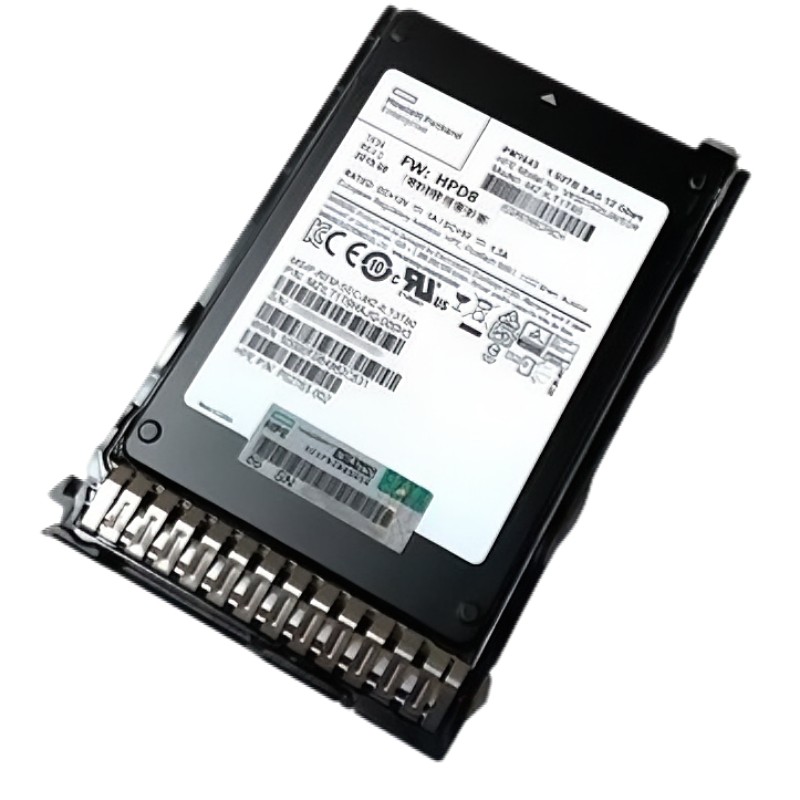
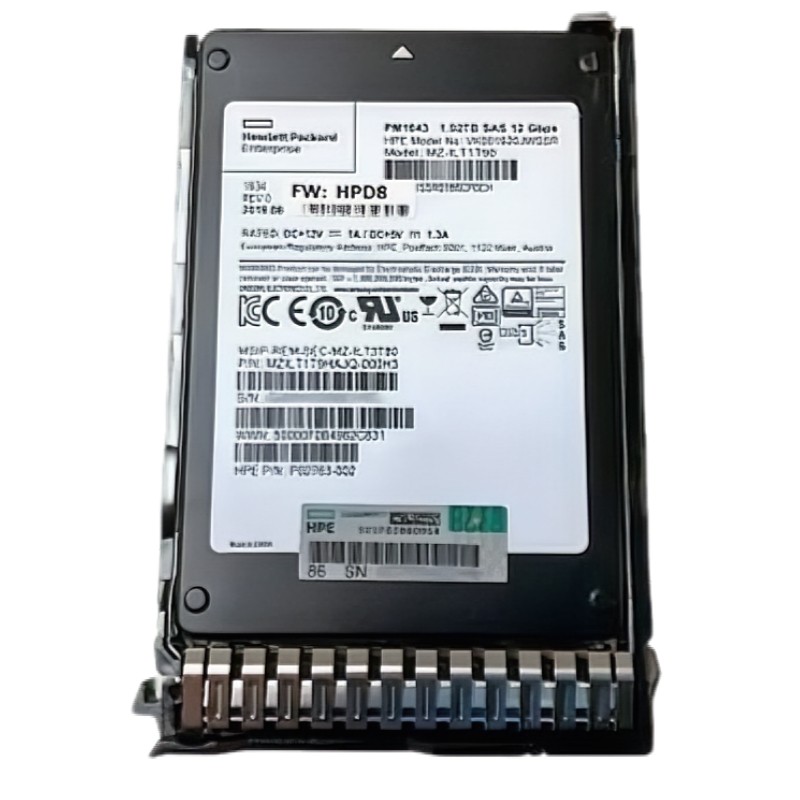
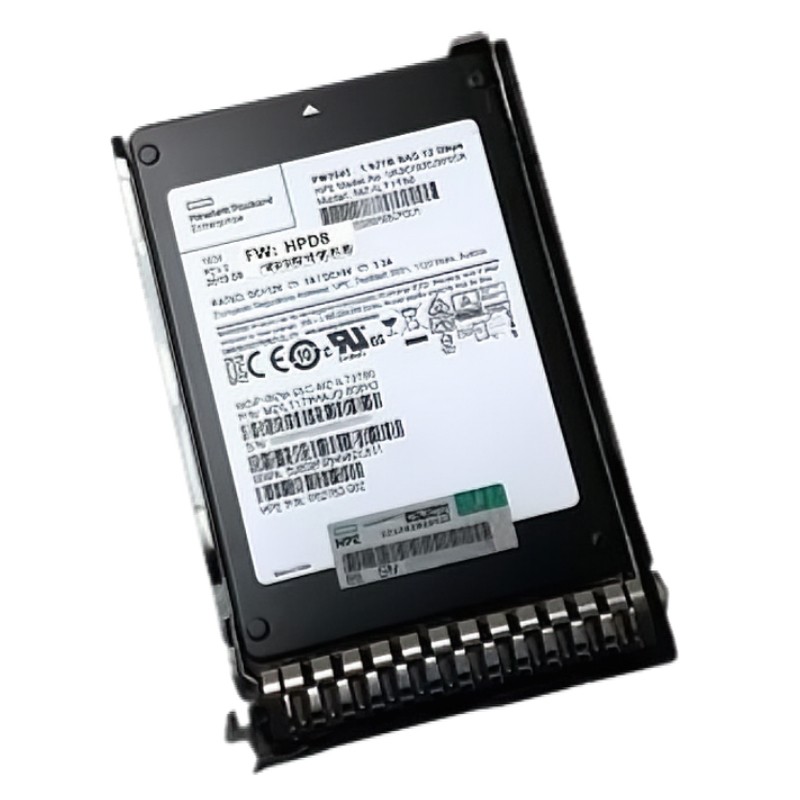
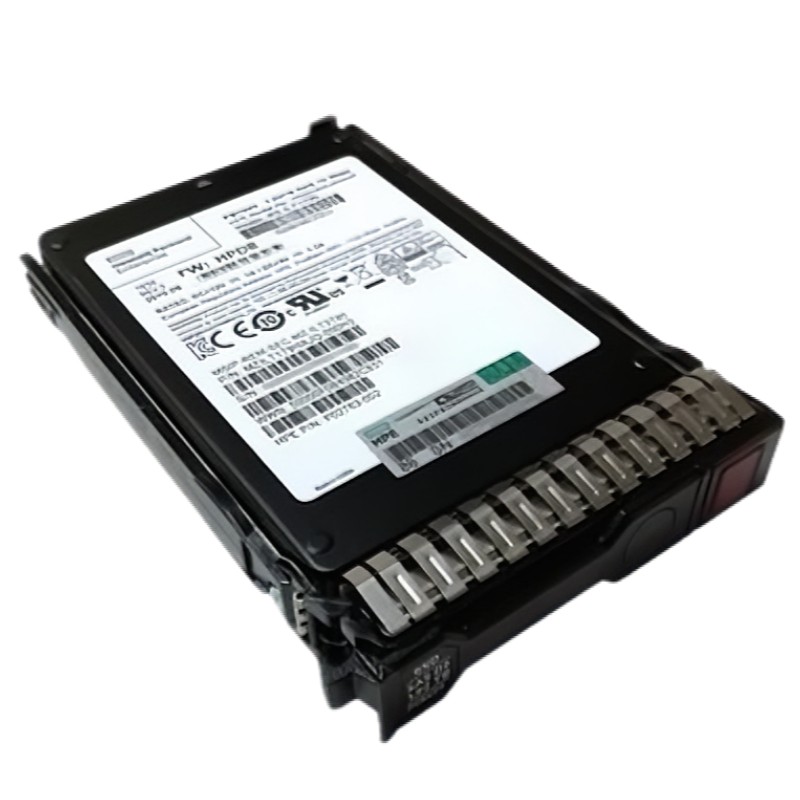
HPE P55683-002 MSA 1.92TB SAS 12GBPS Read Intensive M2 2.5 Inch Solid State Drive. Factory-Sealed New in Original Box (FSB) with 3 Years Warranty
The HPE P55683-002 Solid State Drive is a high-performance enterprise-grade storage solution designed for data-intensive workloads. With a 1.92TB capacity and SAS 12G interface, it ensures fast data access and seamless performance for storage arrays and data centers.
The drive features a data transfer rate of up to 1.2 Gb/s, supporting high-speed data access and quick file retrieval. This makes it ideal for read-intensive applications, virtual environments, and high-demand server tasks.
This is a read-intensive M.2 SSD, tailored for workloads with frequent data access and minimal write cycles. It is best suited for read-heavy enterprise applications and virtual machine storage.
The HPE P55683-002 is fully compatible with various HPE Modular Smart Array (MSA) storage systems. It seamlessly integrates into the following devices:
HPE's enterprise-class SSDs are engineered for long-term dependability, offering enhanced endurance for demanding business operations and reducing the risk of downtime.
This solid-state drive consumes significantly less power than traditional spinning drives, helping reduce operational costs while maintaining peak performance.
With hot-swappable functionality, the drive can be replaced or added without powering down the server, minimizing interruptions in mission-critical environments.
This drive is perfect for enterprise environments that demand high read speeds, including:
Within the enterprise‑class storage solutions segment, the HPE P55683‑002 1.92TB SAS 12Gb/s Read Intensive 2.5‑inch solid state drive represents a focused category of high‑end, read‑optimised SSDs designed for serious data‑centre and business‑critical workloads. This category is distinguished by its combination of large capacity (1.92 TB), high‑bandwidth SAS 12 Gb/s interface, hot‑swappable 2.5‑inch form factor (Small Form Factor, SFF) and actual engineering for read‑intensive applications (as opposed to mixed‑use or write‑heavy). What follows is a detailed exposition of this product category—its technical attributes, operational benefits, deployment scenarios, compatibility constraints, lifecycle considerations and categorisation positioning.
The category offers a storage capacity of 1.92 terabytes, enabling organisations to consolidate substantial amounts of frequently‐accessed data onto a single drive. Coupled with a 2.5‑inch Small Form Factor (SFF) chassis and an M.2‑style internal SSD architecture (where applicable) for server and storage‐array installations, the form factor ensures compatibility with modern hot‑plug trays and SFF drive cages. The hot‑plug nature means the drive can typically be inserted or removed without shutting down the enclosure or host system, which is critical for high‐availability environments.
The interface standard for this category is 12 Gb/s SAS (Serial Attached SCSI), dual‑port capable in many enterprise‑grade models. The use of SAS 12 Gb/s ensures full‑duplex data transfers, enabling higher aggregate IOP/s and throughput compared with older 6 Gb/s SATA or 6 Gb/s SAS drives. In specific instances, such as with the P55683‑002, specification sheets list “Drive Transfer Rate: 1.2 Gb/s (external)”, though this may be a conservative figure or typographic simplification; other listings indicate read speeds in the 2.2 GB/s region when used in optimal certified arrays. :contentReference[oaicite:1]{index=1} The key takeaway is that the category emphasises high‑bandwidth data streams and low‐latency access rather than bulk archival writes.
This specific drive category is optimised for *read‑intensive* workloads, meaning the majority of I/O operations are reads rather than writes. Endurance ratings for such drives often sit in the range of 0.7 to 1.0 drive writes per day (DWPD) over a multi‐year warranty period; for example one listing identifies a DWPD of 1.0 and total bytes written (TBW) of 3,504 TB in a related model. :contentReference[oaicite:2]{index=2} NAND flash types employed in these drives are typically enterprise-grade TLC (triple‑level cell) or QLC in some newer series, but in the case of the P55683‑002 the referenced listing indicates TLC cells. :contentReference[oaicite:3]{index=3} The read‑optimised design means that write endurance is less than for a fully mixed‑use drive, but the cost is accordingly more attractive for workloads where writes are minimal and reads dominate.
As part of this category, the drives are well suited to enterprise storage arrays such as the HPE Modular Smart Array (MSA) 1060, 2060 or 2062 families, all of which support hot‑swappable 2.5‑inch SFF drive bays, high‑performance SAS interconnects and shared‑storage workloads. The listing for the P55683‑002 specifically mentions compatibility with MSA 1060 (10Gbase‑T iSCSI, 12 Gb SAS, 16 Gb Fibre Channel) as well as MSA 2060/2062 variants. :contentReference[oaicite:5]{index=5} In such an environment the drive can serve as a high‑throughput read cache tier, metadata store or virtual‑machine datastore, rather than a bulk‑capacity cold‑storage tier.
Within virtualised environments, where many guest machines perform frequent read operations (for example boot storms, user profiles, operating system load, or database query workloads), the drives in this category excel. Their architecture caters to extremely high random read I/O, low latency, and predictable behaviour under sustained loads. This makes them ideal for read‐cache layers, front‑end tiers of database clusters, or file‑server front‑ends. The read‑intensive tag is central: by placing bulk storage (e.g., HDDs or mixed‑use SSDs) behind these drives, the overall system can achieve accelerated response times for user‑facing read operations without overspending on high‑end write‑intensive SSDs.
Hot‑plug capability is a hallmark of the category: drives can be replaced while the system remains online, facilitating maintenance windows with minimal downtime. Given the intended use in mission‑critical arrays, the drives are often dual‑port capable (for SAS), are validated on official storage platforms, and include enterprise features such as firmware signed by the vendor, and consistent performance margins over time. For example, the P55683‑002 listing mentions “hot‑plug” explicitly. :contentReference[oaicite:6]{index=6} In practice this means the SSD category supports live insertion and removal in supported trays, making them highly serviceable in a rack‑based server/storage ecosystem.
This category is defined by focus on “read‑intensive” workloads. In the broader SSD ecosystem, vendors segment SSDs into read‑intensive (RI), mixed‑use (MU), and write‑intensive (WI) tiers. The RI tier, to which the HPE P55683‑002 belongs, assumes that the drive will primarily be performing read operations, with relatively lower write volumes. The result is lower cost per gigabyte compared to more expensive write‑intensive drives, while delivering high read IOP/s and latency benefits. Organisations that mis‑place RI SSDs into write‑heavy roles risk premature wear; thus proper workload alignment is crucial. By contrast, MU or WI drives are designed to withstand more write cycles but typically come at higher cost and potentially lower read‑latency performance under purely read‑heavy loads.
In the storage tiering hierarchy, SAS 12 Gb/s enterprise SSDs such as this category occupy a mid‑to‑upper range of performance for shared storage systems, positioned above SATA SSDs and near the lower end of NVMe flash tiers. The SAS interface delivers enterprise‑grade data path resilience, dual‑port capability and vendor firmware support, which makes it preferable for storage arrays rather than consumer/PC workloads. Although NVMe drives offer higher raw throughput and lower latency, SAS remains a cost‑effective, established standard with broad compatibility in server/storage arrays. For organisations running HPE MSA or similar SAS‑based storage solutions, drives in this category deliver high value while remaining fully supported by the vendor ecosystem.
Drives in this category are typically shipped with enterprise‑grade firmware, including digitally signed firmware images, vendor‑validated updates and compatibility testing with storage controllers, arrays and host systems. For example, HPE’s enterprise SSD strategy includes extensive qualification hours and firmware validation to meet server OEM standards. This reduces risk of incompatibility, firmware corruption or unexpected failure, which is critical in business‑critical infrastructure. Buyers selecting this category expect validated support, maintenance pathways and firmware servicing from the vendor.
From a lifecycle perspective, drives in this category benefit from enterprise warranties, scheduled firmware updates and vendor support contracts. Their hot‑plug nature and enterprise build quality mean serviceability is high. Administrators can monitor drive health, log performance metrics, schedule replacements based on wear‑indicators and integrate the drives into broader storage‑infrastructure monitoring frameworks. Because the category is oriented towards read‑heavy performance rather than maximum write endurance, maintenance plans should assume that write wear will be minimal but still tracked—to avoid surprises in mixed‑use environments.
While specification sheets for this category may cite nominal transfer rates (such as 1.2 Gb/s external), more detailed vendor‑listing data show read speeds up to approx 2.2 GB/s and random read IOPS in excess of 250K in optimal use. :contentReference[oaicite:8]{index=8} These metrics highlight the class of workloads to which the category is suited—large sequential or random read tasks, queries, virtual‑machine boot storms, and front‑end caching. It is important however that such drives are deployed in compatible systems (controllers capable of SAS 12 Gb/s, sufficient backplane bandwidth, etc.) to realise full potential.
A key attribute of the category is low and predictable latency. Because the drives are engineered for enterprise use, they prioritise consistent response times under sustained load rather than spiky consumer performance peaks. This predictability is critical in multi‑tenant virtualised environments or in database front‑ends where unpredictable latency can degrade user experience. In this sense, the category positions itself not just on raw throughput but on reliability and latency predictability.
Although enterprise SSDs draw more power and generate more heat than consumer drives during high throughput operations, the drives in this category remain much more efficient than equivalent high‐performance HDD arrays. By consolidating many read‑heavy operations onto fewer SSDs, organisations reduce rack space, cooling load and latency bottlenecks. Moreover, the use of 2.5‑inch form factor helps optimise space usage in 1U/2U server and storage racks, aligning with modern density‑optimisation strategies in data‑centre design.
To obtain the best value from this category, organisations should ensure that workloads align with the read‑intensive profile inherent in the design. Deployments involving large volumes of reads, such as VDI boot servers, large database query caches, content‑delivery front ends, or front‑tier file sharing are ideal. Conversely, workloads with high write volumes, such as logging, active transactional databases with heavy write‑backs, or large‑scale data‑ingest tasks may exceed the intended endurance envelope of this category. Proper segregation of workloads ensures that the drive delivers optimal performance and longevity.


 Contact Us
 Information
 Catalog
 Solid State Drives (SSD)
 Network Switches
 Hard Disk Drives
 HBA & Controllers
 PC & Servers
 PC & Server Memory
 CPU & Processors
 Network Routers
 Power Supplies
 Tape Drives & Libraries
 Network Devices
 Computer & Network Cables