(7% discount is applied at checkout)
Cart is empty
Your go-to destination for cutting-edge server products
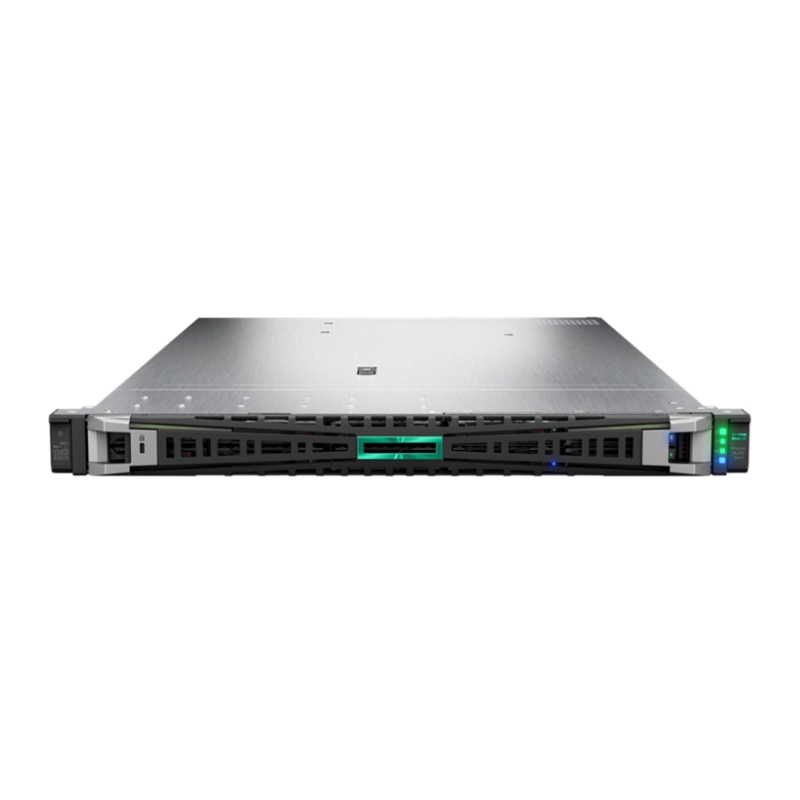


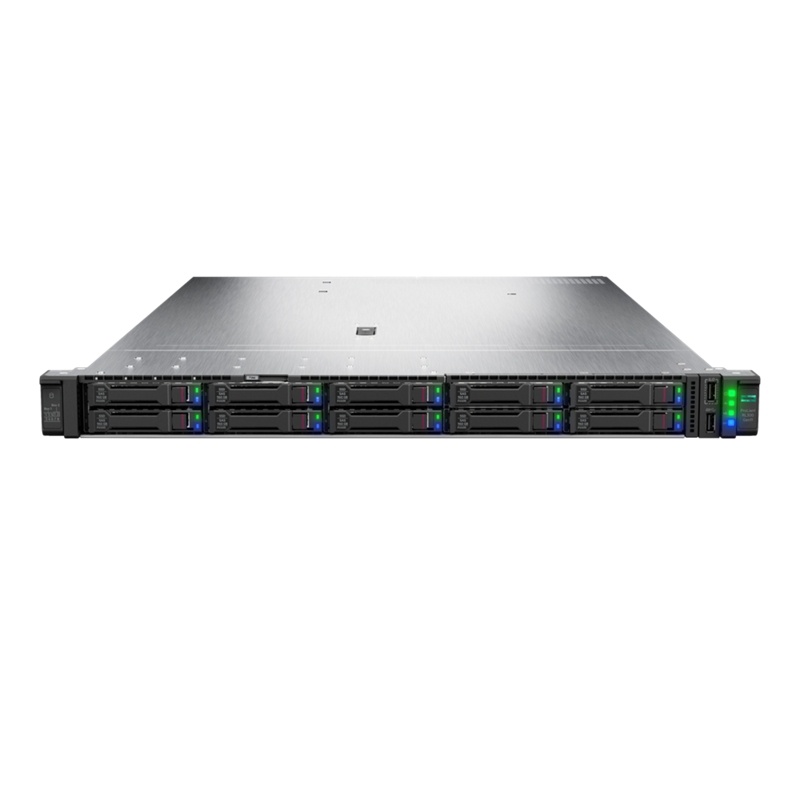
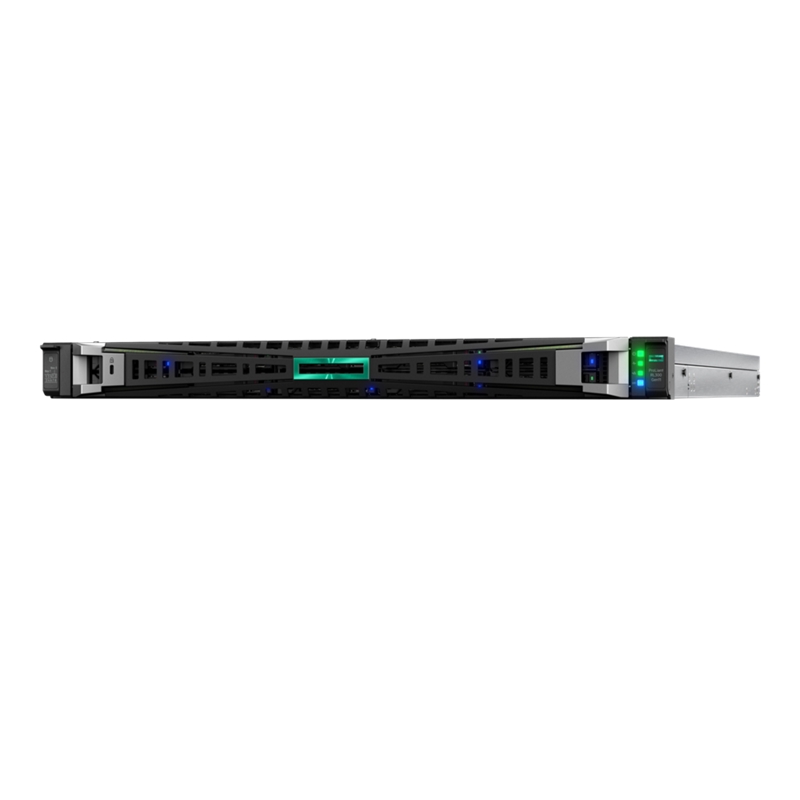
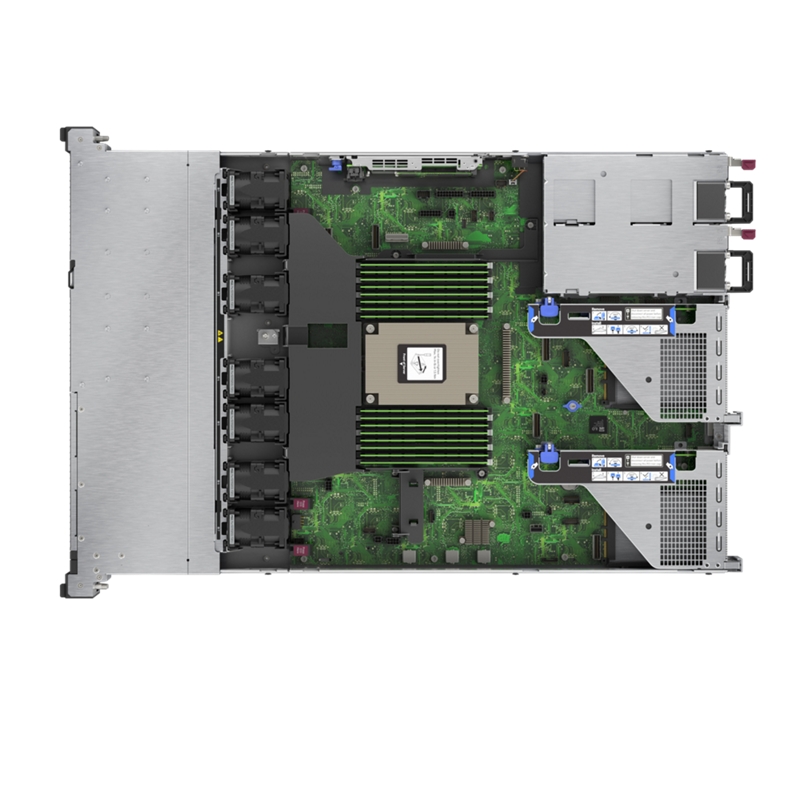
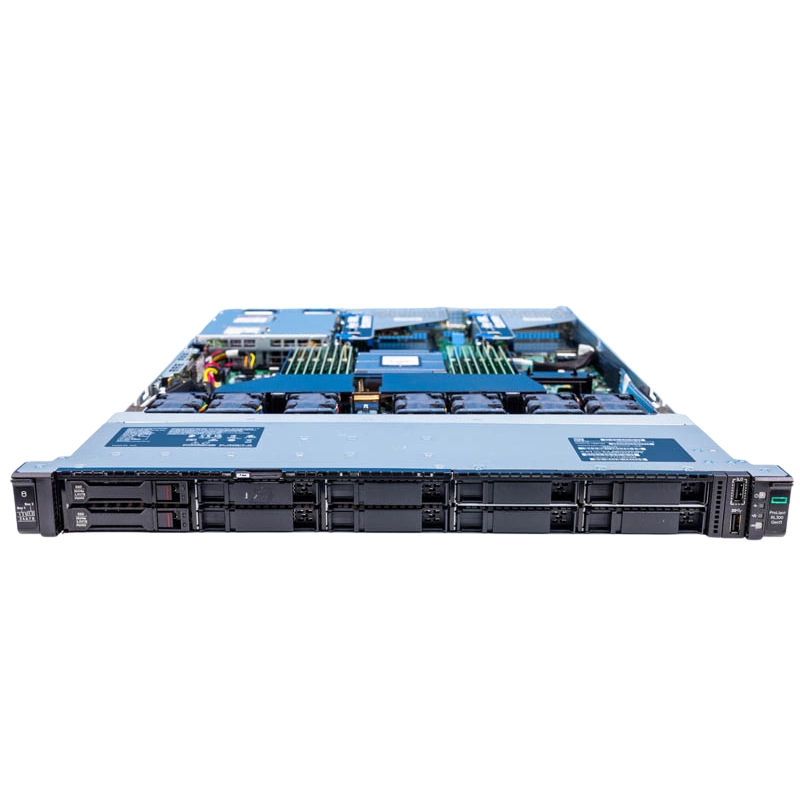
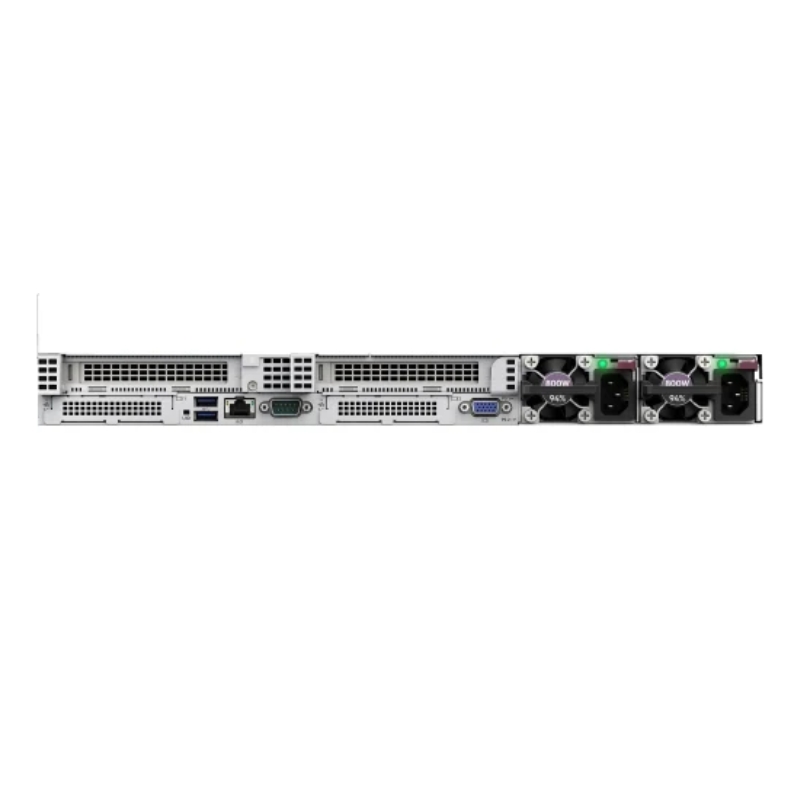
HPE P59869-B21 Proliant RL300 Gen11 M128-30 8 SFF CTO Server. Excellent Refurbished with 1-Year Replacement Warranty
The HPE P59869-B21 ProLiant RL300 Gen11 M128-30 8 SFF CTO Server is a high-performance rack-mountable solution engineered for enterprise workloads, offering scalability, reliability, and advanced compute capabilities.
Compact 1U single-socket rack server designed for space efficiency and enterprise-grade performance.
Equipped with 4x 80x56mm thermal fans ensuring optimal airflow and heat management.
Supports maximum socket TDP up to 250W for demanding workloads.
Dual PCIe x4 M.2 NVMe modules for fast boot and application acceleration.
Integrated 1 GbE connectivity for reliable data transfer.
Supports iLO 6 v1.05 for advanced monitoring and remote management.
Not available for this model.
The HPE P59869-B21 ProLiant RL300 Gen11 M128-30 8 SFF CTO Server belongs to a specialized category of enterprise-grade rack-mounted servers engineered for high-density computing, scalable performance, and modern workload optimization. This category focuses on servers designed to meet the operational demands of data centers, cloud service providers, telecommunications environments, and enterprises adopting software-defined infrastructure. Rack servers in this class emphasize balanced compute power, memory bandwidth, storage flexibility, and energy efficiency while maintaining compatibility with industry-standard racks and management frameworks.
The RL300 Gen11 server category represents a shift toward workload-optimized server design, prioritizing efficiency, modular scalability, and advanced platform intelligence. These systems are built to support contemporary enterprise applications, including virtualization, containerized workloads, data analytics, web-scale services, and distributed computing frameworks. By combining compact rack form factors with high-performance components, this category enables organizations to maximize compute density without sacrificing reliability or manageability.
The Gen11 platform category introduces architectural enhancements that align with next-generation processor technologies, faster memory standards, and improved I/O capabilities. Servers in this class are designed to accommodate modern CPU architectures that deliver higher core counts, improved instructions per cycle, and advanced security features. This evolution enables enterprises to consolidate workloads, reduce physical server footprints, and improve overall performance per watt.
Gen11 server platforms emphasize system balance, ensuring that compute, memory, storage, and networking resources scale harmoniously. This balance is essential for avoiding bottlenecks in real-world workloads, where uneven resource allocation can limit performance gains. As part of this category, the RL300 Gen11 server supports configurations that allow IT teams to tailor systems precisely to workload requirements.
Rack servers within this category are optimized for high-density deployments, allowing multiple systems to be installed within standard rack enclosures. This design supports efficient use of data center floor space and simplifies cable management and airflow planning. High-density configurations are particularly valuable in colocation facilities and cloud environments where space efficiency directly impacts operational costs.
The RL300 Gen11 category emphasizes streamlined chassis design and optimized internal layouts, enabling efficient cooling and component accessibility. These characteristics support rapid deployment, simplified maintenance, and reduced downtime during upgrades or component replacement.
Servers in the HPE ProLiant RL300 Gen11 category are engineered to support high-capacity, high-bandwidth memory configurations that align with modern application demands. Memory-intensive workloads such as virtualization, in-memory databases, and analytics benefit significantly from increased memory bandwidth and capacity. This category supports advanced memory technologies that improve data access speeds and reduce latency across multi-core processing environments.
The ability to scale memory efficiently is a defining attribute of this server class. By supporting large memory footprints, these servers enable enterprises to host more virtual machines, process larger datasets, and maintain responsive application performance under concurrent access scenarios.
Enterprise server categories prioritize memory reliability through support for error detection and correction technologies. These capabilities protect data integrity and reduce the risk of system instability caused by memory-related errors. In mission-critical environments, such reliability features are essential for maintaining service continuity and protecting sensitive information.
Servers in this category are validated for continuous operation under sustained workloads, ensuring that memory subsystems perform consistently over extended periods. This reliability supports use cases where downtime is unacceptable, including financial systems, healthcare platforms, and large-scale enterprise applications.
The 8 SFF storage configuration within this category reflects a focus on flexible, high-performance storage options. Small form factor drive bays enable dense storage configurations while supporting a variety of drive types, including high-speed solid-state drives and capacity-focused hard drives. This flexibility allows organizations to design storage tiers optimized for performance, capacity, or cost efficiency.
Servers in this category support modern storage interfaces that deliver high throughput and low latency, making them suitable for transactional databases, content delivery platforms, and data-intensive applications. The modular storage design simplifies upgrades and enables rapid adaptation to changing storage requirements.
Enterprise storage categories emphasize data availability through support for redundant drive configurations and advanced storage management features. These capabilities help protect against data loss and minimize downtime in the event of hardware failures. For organizations handling critical data, such redundancy is a fundamental requirement.
The RL300 Gen11 server category supports enterprise storage practices that align with modern data protection strategies, including backup integration and replication workflows. This ensures that storage subsystems contribute to overall system resilience.
High-performance storage subsystems are essential for workloads that generate frequent input and output operations. Servers in this category are designed to minimize I/O bottlenecks by supporting high-speed storage interfaces and efficient data paths between storage and processing units. This design improves application responsiveness and overall system throughput.
For environments such as web hosting, virtualization clusters, and analytics platforms, optimized storage performance directly translates into improved user experiences and operational efficiency.
The ProLiant RL300 Gen11 server category supports advanced networking and I/O expansion options to accommodate diverse connectivity requirements. Modern enterprise environments demand high-bandwidth networking to support distributed applications, real-time data processing, and cloud integration. Servers in this category are engineered to meet these demands through flexible expansion architectures.
High-speed network interfaces enable efficient data transfer between servers, storage systems, and external services. This capability is particularly important in clustered environments where inter-node communication performance directly impacts application scalability and reliability.
Software-Defined Infrastructure
Servers in this category are optimized for software-defined networking and storage solutions. By providing robust I/O capabilities and processing resources, these systems enable enterprises to abstract hardware resources and manage them through centralized software platforms. This approach enhances agility and simplifies infrastructure management.
The RL300 Gen11 category aligns with modern IT strategies focused on automation, orchestration, and policy-driven resource allocation.
Enterprise server categories must accommodate future technology advancements. The expansion architecture of the RL300 Gen11 category allows organizations to integrate new networking and accelerator technologies as they become available. This future-ready design extends system lifecycles and protects infrastructure investments.
Security is a core consideration in enterprise server categories, and the RL300 Gen11 platform integrates hardware-based security features designed to protect systems from firmware and hardware-level threats. These technologies establish a trusted foundation that safeguards system integrity from power-on through runtime operation.
Hardware root-of-trust mechanisms help prevent unauthorized firmware modifications and ensure that systems boot only with validated software components. This protection is critical in environments where servers handle sensitive data or support regulatory compliance requirements.
Servers in this category incorporate secure management interfaces that enable administrators to monitor and control systems remotely while maintaining strict access controls. Secure management capabilities reduce the risk of unauthorized access and support centralized oversight across large server fleets.
These features are essential for enterprises managing distributed infrastructure across multiple locations or data centers.
The RL300 Gen11 server category supports compliance with industry standards and regulatory frameworks through integrated security and management features. This support simplifies audits and helps organizations meet governance requirements without compromising operational efficiency.
Energy efficiency is a defining characteristic of modern enterprise server categories. The RL300 Gen11 platform is designed to deliver high performance while optimizing power consumption. Efficient power delivery and thermal management reduce operational costs and support sustainable data center practices.
Advanced cooling designs and intelligent power management technologies help maintain optimal operating temperatures even under heavy workloads. This contributes to system longevity and consistent performance.
Servers in this category support sustainability initiatives by reducing energy consumption per workload. Improved efficiency allows organizations to scale computing resources while minimizing environmental impact. This aligns with broader corporate sustainability goals and regulatory pressures.
By combining performance efficiency with intelligent power management, the RL300 Gen11 server category helps organizations control operational expenses. Lower power and cooling requirements translate into measurable cost savings over the system lifecycle.
The HPE ProLiant RL300 Gen11 server category is designed to support a wide range of deployment scenarios, from traditional enterprise data centers to cloud-native and edge computing environments. Its balanced architecture allows it to adapt to diverse workloads without extensive customization.
This versatility makes the category suitable for organizations seeking standardized server platforms that can be deployed across multiple use cases.
Servers in this category support core enterprise applications, including ERP systems, collaboration platforms, and business intelligence tools. Their reliability and scalability ensure consistent service delivery for mission-critical operations.
The RL300 Gen11 category provides the hardware foundation for virtualization and container orchestration platforms. High compute density, scalable memory, and fast storage support efficient workload consolidation and rapid application deployment.
In edge computing scenarios, servers from this category deliver the performance and reliability needed to process data closer to the source. This reduces latency and bandwidth usage while maintaining centralized management capabilities.


 Contact Us
 Information
 Catalog
 Solid State Drives (SSD)
 Network Switches
 Hard Disk Drives
 HBA & Controllers
 PC & Servers
 PC & Server Memory
 CPU & Processors
 Network Routers
 Power Supplies
 Tape Drives & Libraries
 Network Devices
 Computer & Network Cables